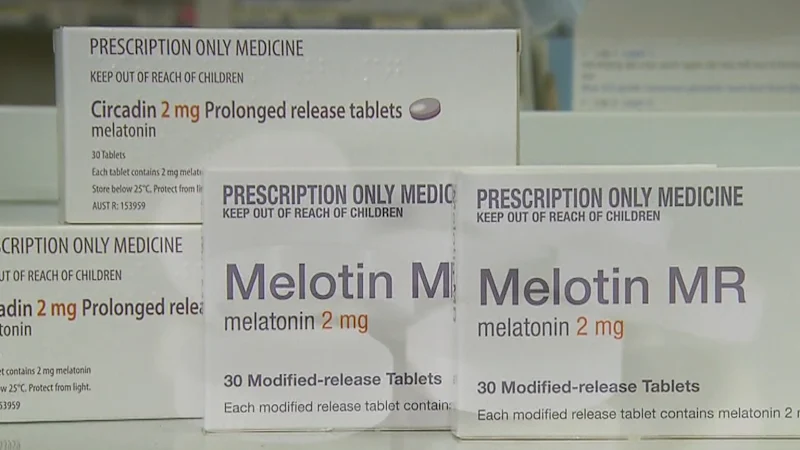
The natural hormone melatonin plays a key role in lulling us to sleep and so is widely prescribed in synthetic form as a sleep aid. Now, researchers think they might have found another health benefit of those supplements: alleviating lasting pain.As a sleep aid, melatonin adds to the natural reserves in our bodies, triggering chemical changes that prepare the body for sleep. In particular, it messages cells in the brain's hypothalamus to indicate that it's time to slow down and rest.There's also evidence that some of these brain interactions might help with pain relief – though so far the bulk of that evidence is from animal studies rather than human trials.In a new study published in the journal Pain, researchers led by a team from the University of Sydney in Australia have crunched the data from 23 previous trials, aiming to get more insight and clarity on the link between melatonin and chronic pain in humans.The headline finding was that melatonin can indeed relieve chronic musculoskeletal (MSK) pain, which affects muscles, bones, joints, and the tendons and ligaments connecting them. In some cases, it was as effective as other pain-relief medications, including opioids, non-steroidal anti-inflammatory drugs (NSAIDs), and paracetamol (also known as acetaminophen).Melatonin is widely used to treat insomnia. (Michael Reuter/CC BY 2.0/Flickr)"Melatonin is already in people's homes, it's inexpensive, and we know it's safe," says Kangchao Wu, a musculoskeletal researcher from the University of Sydney who led the study."What's exciting is that melatonin may also help manage chronic pain, opening the door to reducing reliance on medications that come with more risks."All the reviewed research involved people with MSK pain as either a chronic condition or a result of recent surgery. They received, in clinical trials, some level of melatonin treatment or, for comparison, a placebo or another form of pain medication.The reviewed trials included 2,028 participants in total, across multiple countries, and with conditions such as low back pain, osteoarthritis, and fibromyalgia.While these individual trials weren't large or comprehensive enough to draw any firm conclusions about melatonin and pain, by collating the data together, the authors of the new study identified a significant link.
Common Sleep Supplement May Also Help Ease Chronic Pain, Study Reveals
The natural hormone melatonin plays a key role in lulling us to sleep and so is widely prescribed in synthetic form as a sleep aid.
771 words~4 min read