According to the FG, over 125 million SIMs have had their NINs submitted for immediate linkage, verification and authentication.
Digital passport verification: Can the internet finally protect children? Lessons Africa must learn before it is too late
The internet was built on a simple principle: anyone, anywhere, could access almost anything.
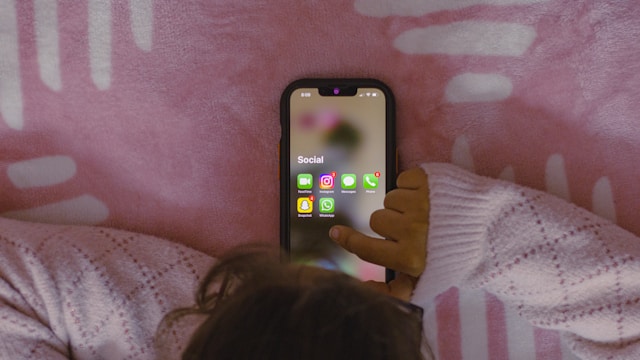
For more than three decades, that openness has fuelled innovation, education and economic growth. But it has also created one of the greatest public policy failures of the digital age: children have been able to access pornography, gambling, violent content, self-harm material and other age-inappropriate services with little more than a click on a box declaring, “I am over 18.”
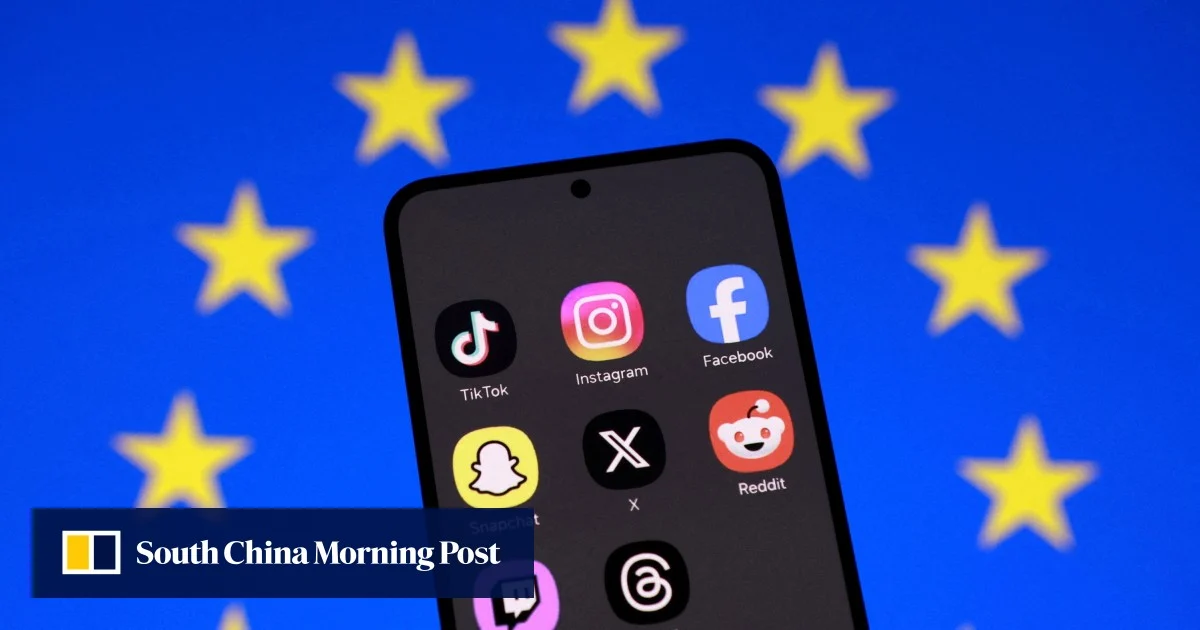
That era may be coming to an end, as the European Union has launched what may become the world’s most ambitious attempt to protect children online: a privacy-preserving age verification system designed to prevent minors from accessing harmful online content while avoiding the mass collection of personal data. The initiative is not an “internet passport”, as some social media posts have claimed, nor is it intended to monitor every website a person visits. Rather, it is a targeted system aimed at proving that a user is old enough to access legally age-restricted online services without revealing who that user is.