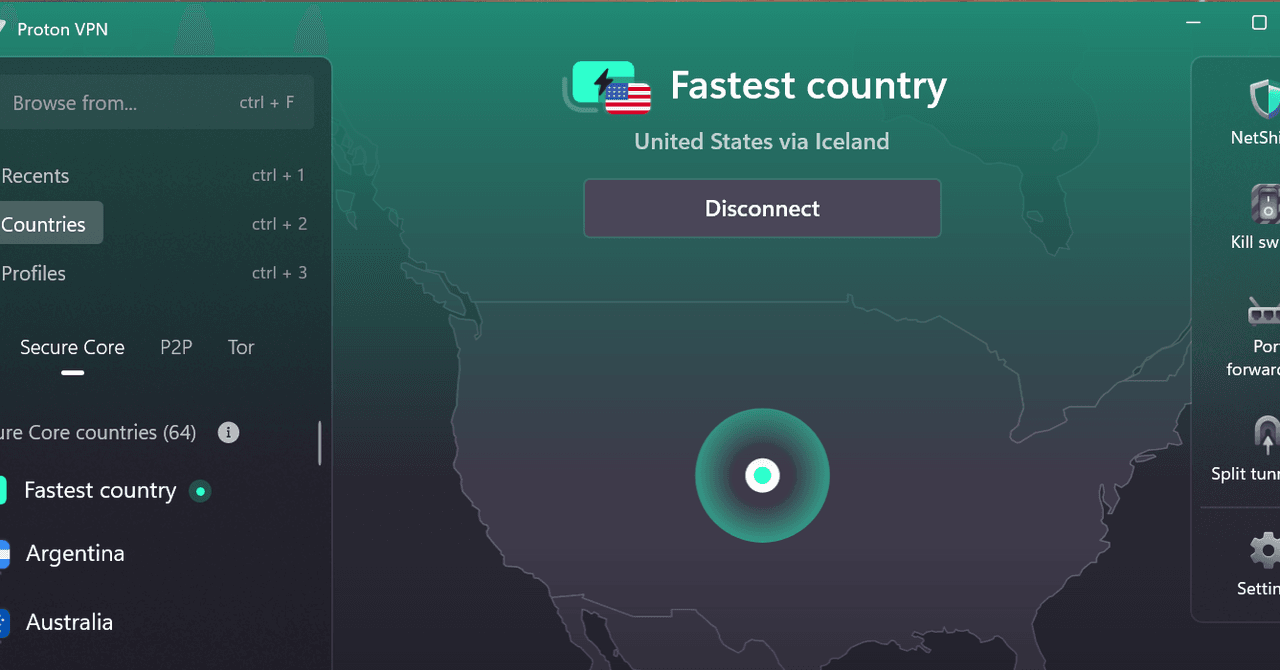
Earlier this year, the European Union introduced an application meant to verify the age and identity of citizens accessing the internet as part of an effort to keep underage users off social media. Turns out there’s a slight crack in that otherwise fool-proof approach to verification: VPNs. Now it appears the bloc of nations wants to patch up that hole. CyberInsider first reported that the European Parliamentary Research Service, part of the European Parliament, has issued a warning about virtual private networks, which allow users to bypass age assurance requirements by spoofing their location to be outside of the EU. In a statement, the agency called VPNs “a loophole in the legislation that needs closing.” The EPRS doesn’t have a solution for the problem that VPNs offer users a workaround for age verification laws, though it does recognize that one proposed option would be to make VPNs only accessible to users who are verified to be over the age of 18—an approach that the Children’s Commissioner for England has called for in the UK.
Instead, the agency mostly acknowledges that VPNs are a real thorn in its side. It observed that VPN usage has significantly increased in places that have enacted age-verification requirements. One VPN provider, Proton VPN, reported a 1400% increase in new signups after the UK’s age-assurance law went into effect last year. A similar trend emerged in France when the country cut off access to Pornhub to anyone under the age of 18. Basically, when age-verification laws go into effect, people flock to the most well-known tool for dodging them.