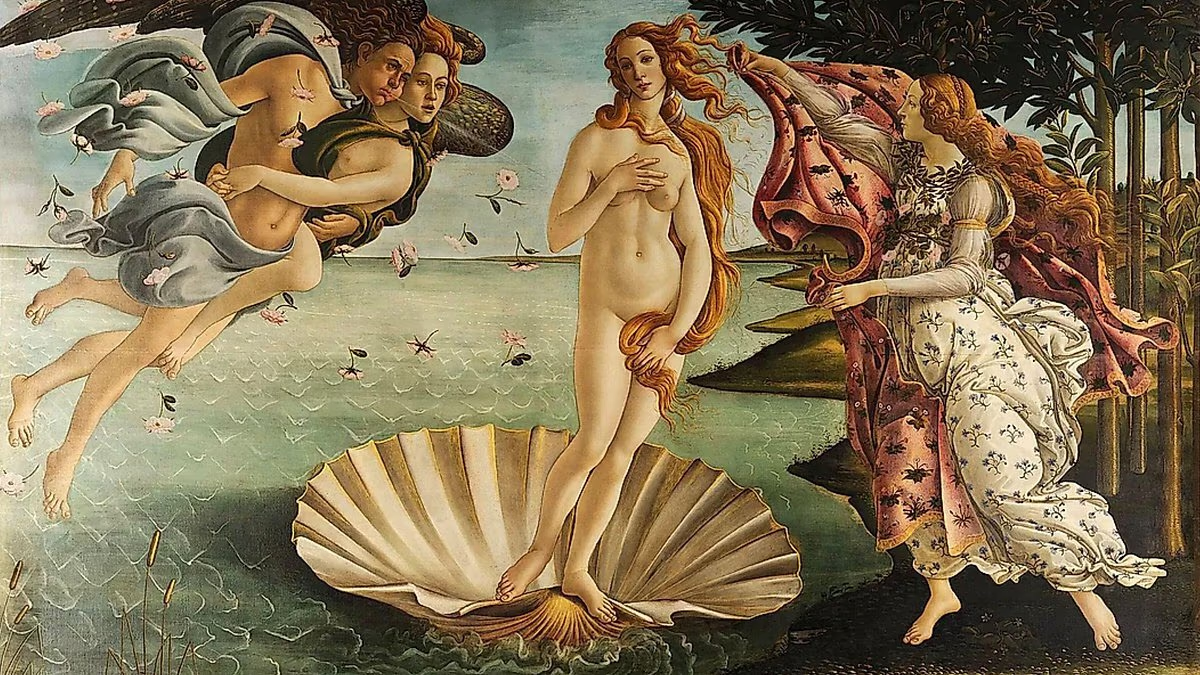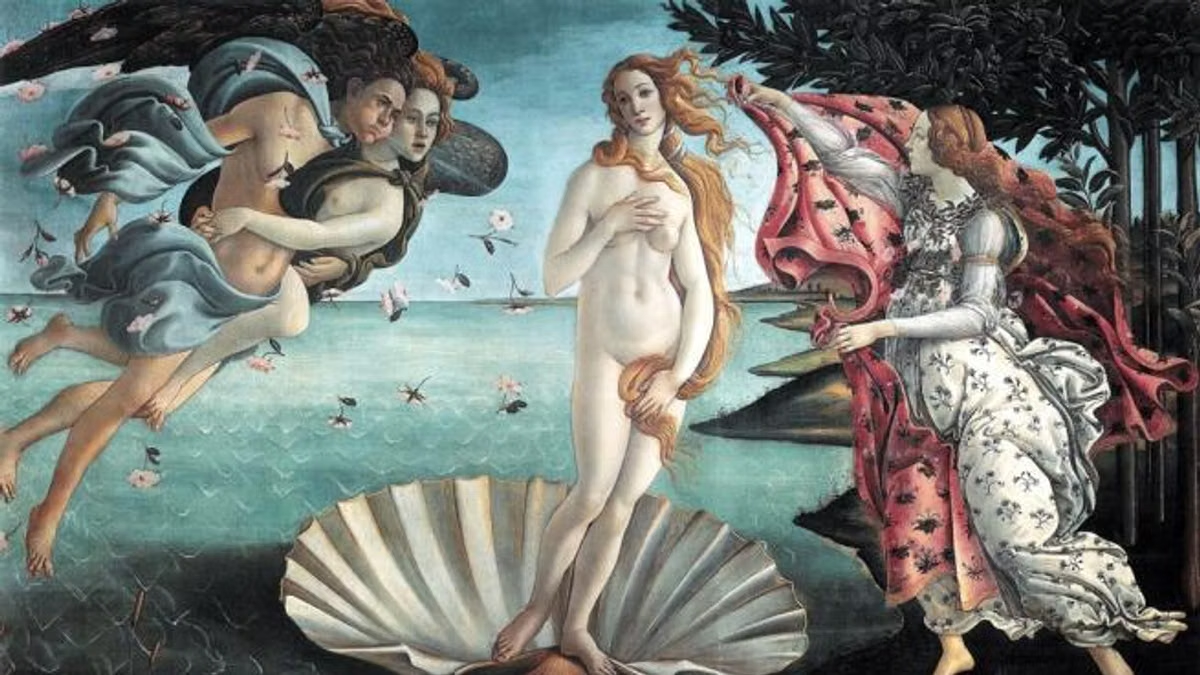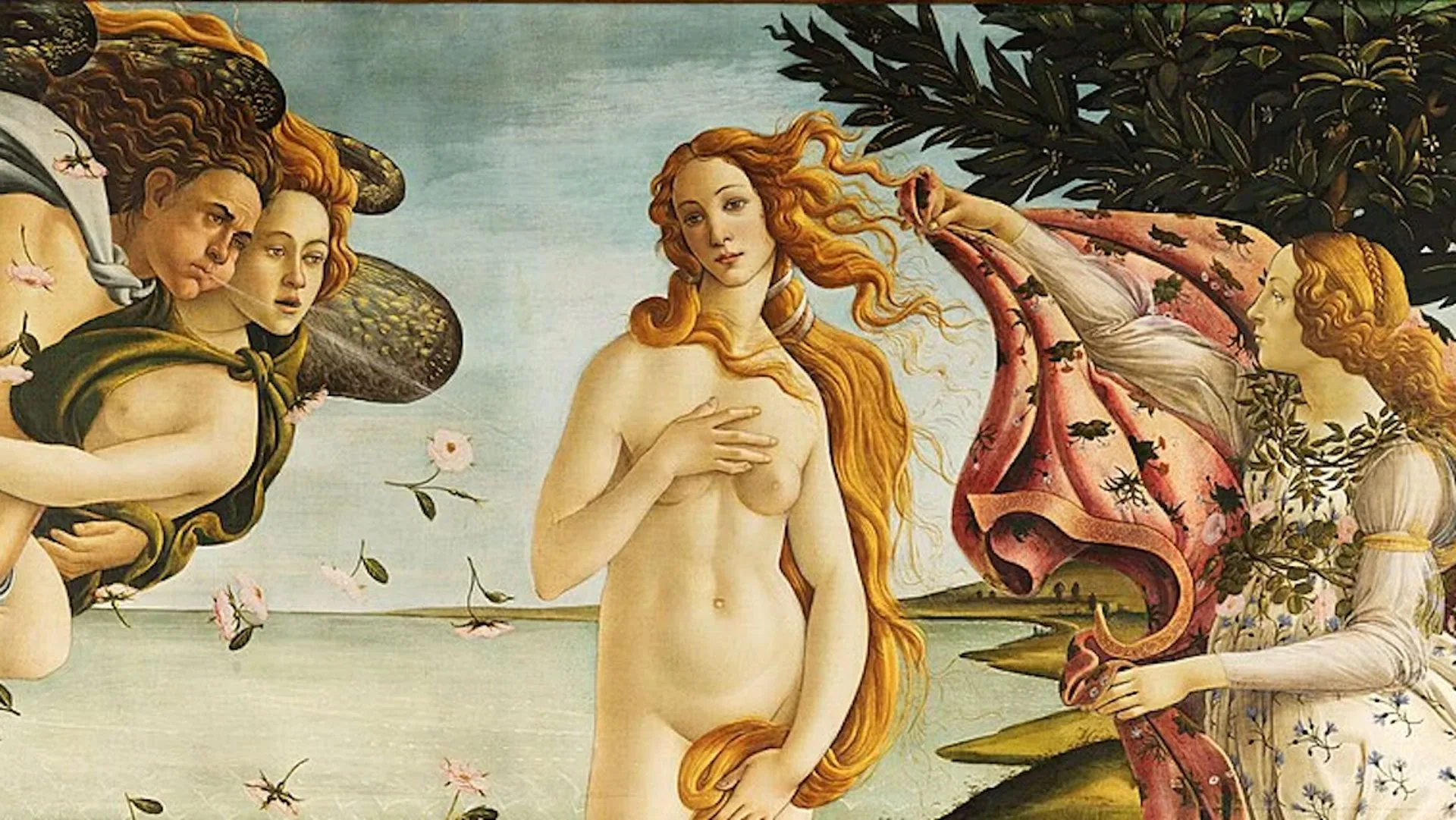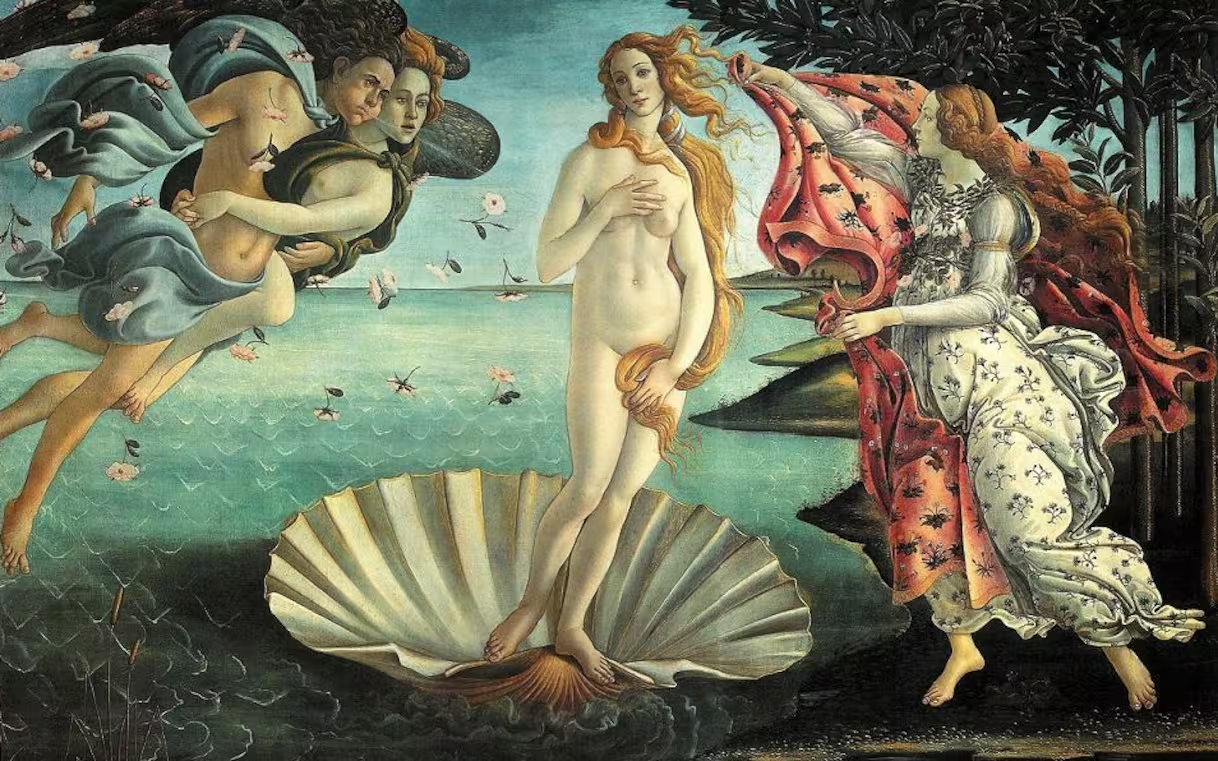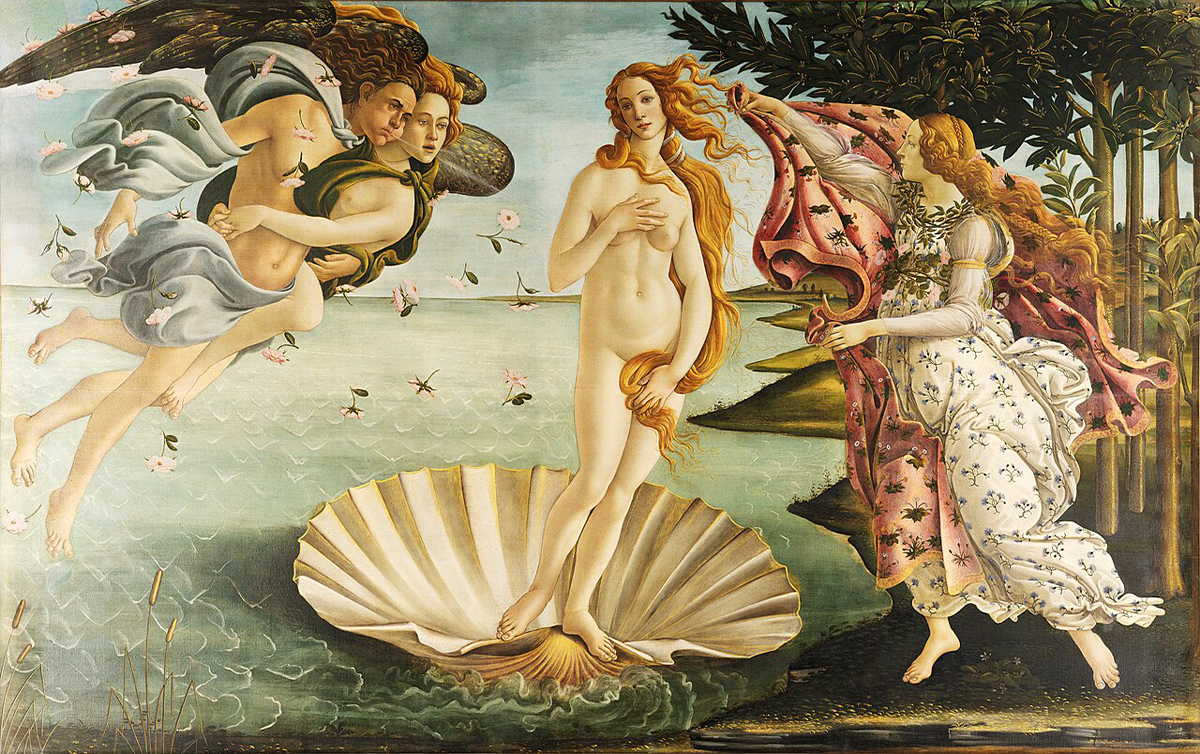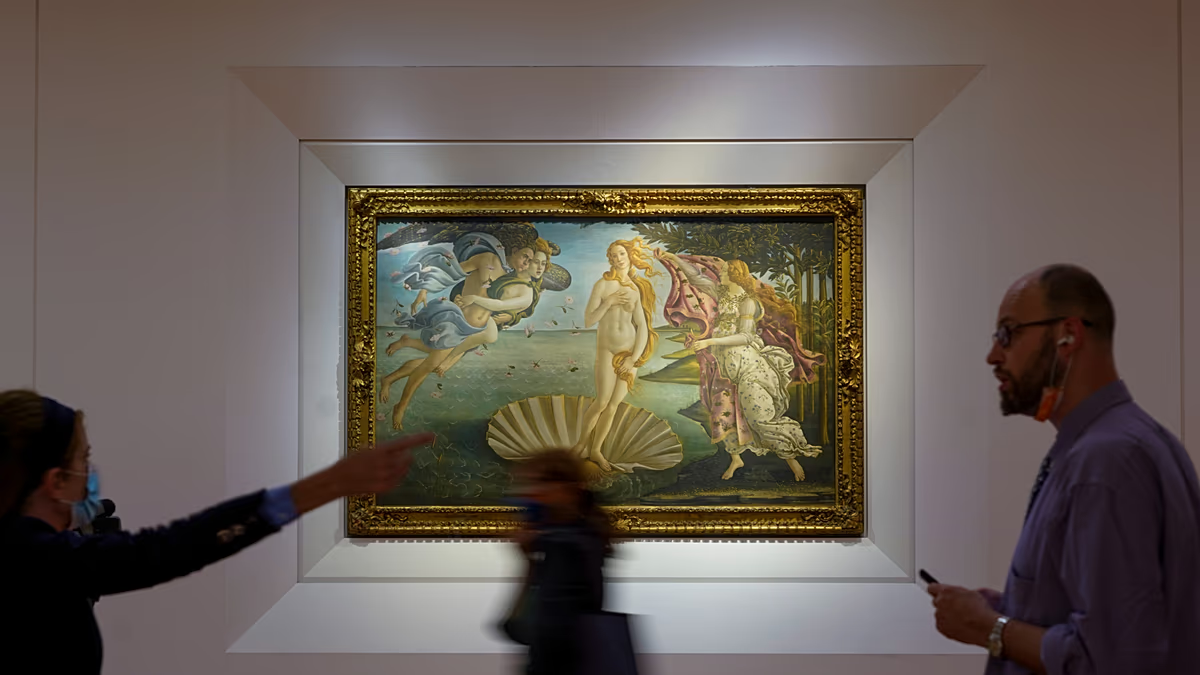
Simonetta Vespucci, the face of the Italian Renaissance as Sandro Botticelli’s muse, may actually have died at just 23 from complications of a tumour rather than tuberculosis.
This is the conclusion of a recent study (source in Italian), which challenges the widespread view that the young woman, who died in 1476, succumbed to tuberculosis, a common and deadly disease at the time.
An international team of scholars from Queen Mary University of London, the Campus Bio-Medico University of Rome and the University of California had already put forward a different explanation back in 2019.
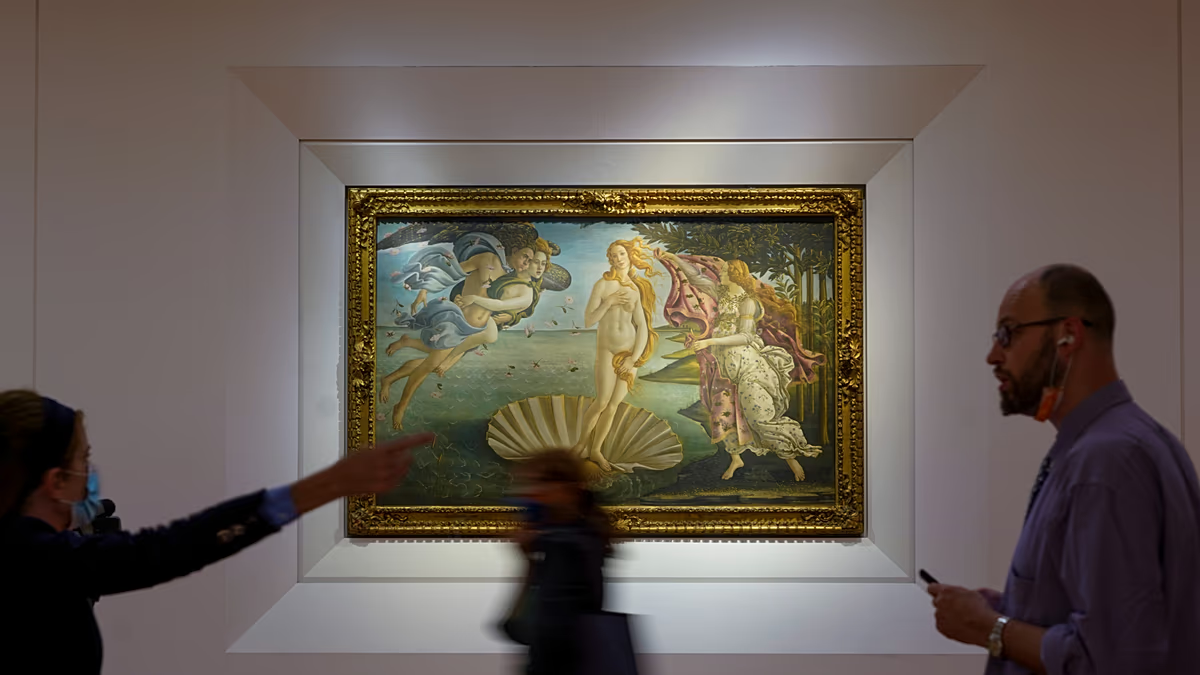
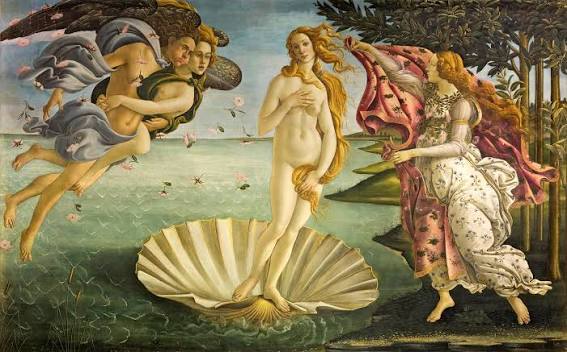
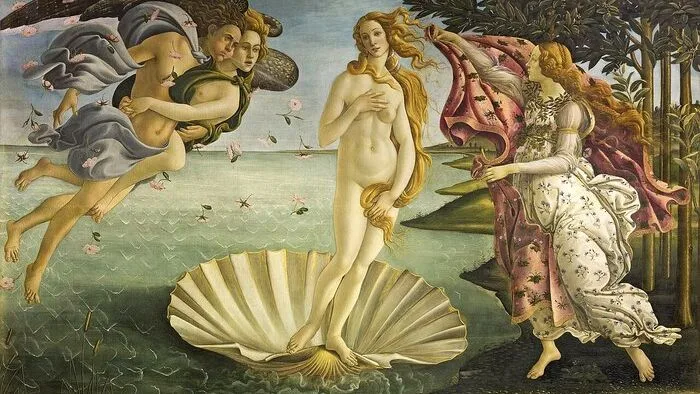
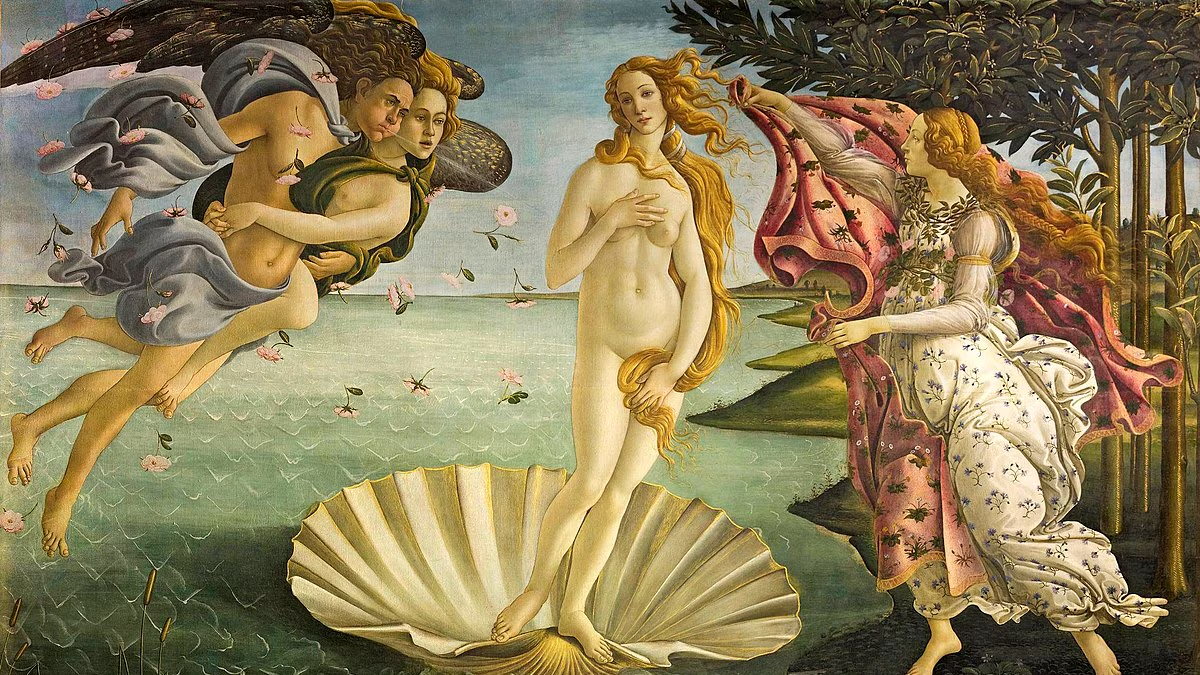
Using a facial-recognition algorithm applied to paintings, the researchers examined portraits of the woman, depicted by Botticelli in numerous works including the famous "Birth of Venus", and studied changes in her features. They also analysed various contemporary documents.
The study, published in the journal Endocrinology, Diabetes & Metabolism, highlighted "a gradual change in her somatic features". These are "changes typical of patients with pituitary adenoma, a tumour of the small gland at the base of the brain that controls hormone production", noted endocrinologist Paolo Pozzilli, one of the study’s authors.