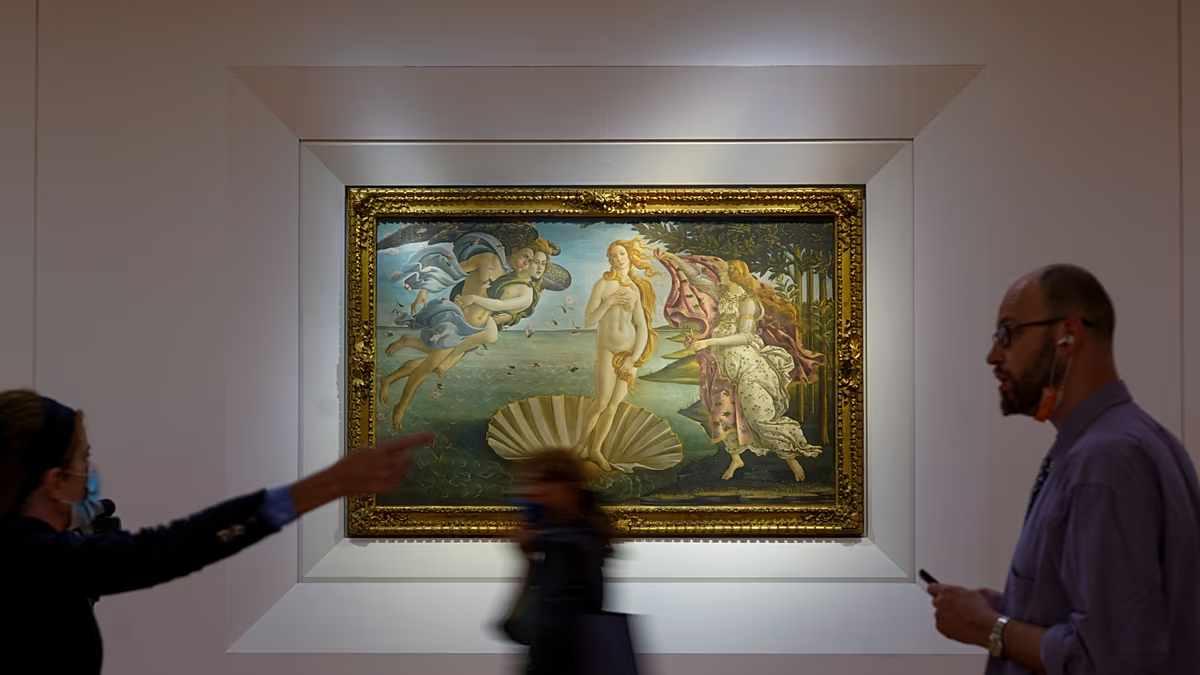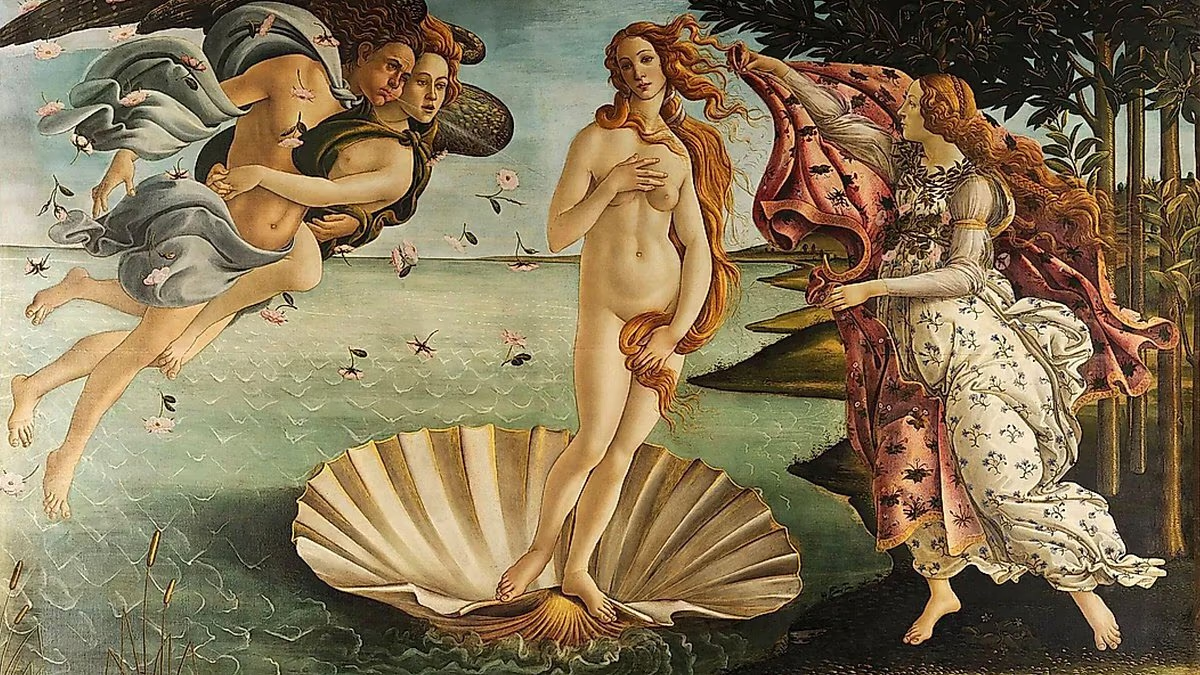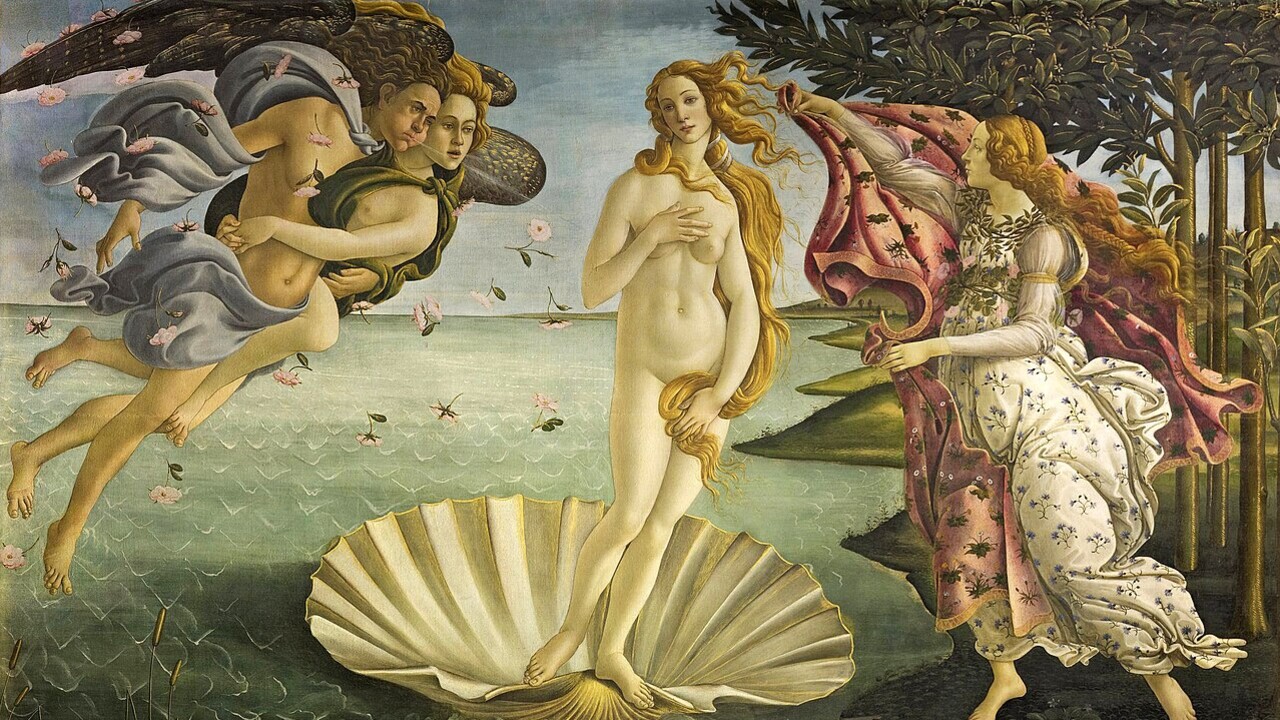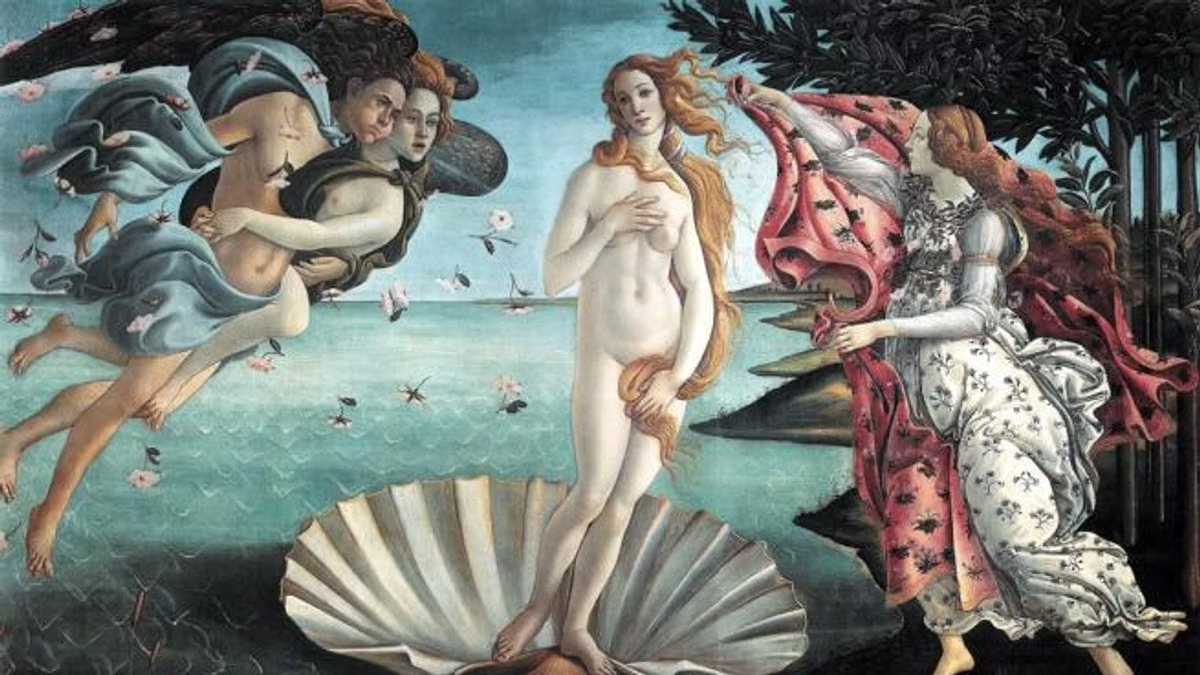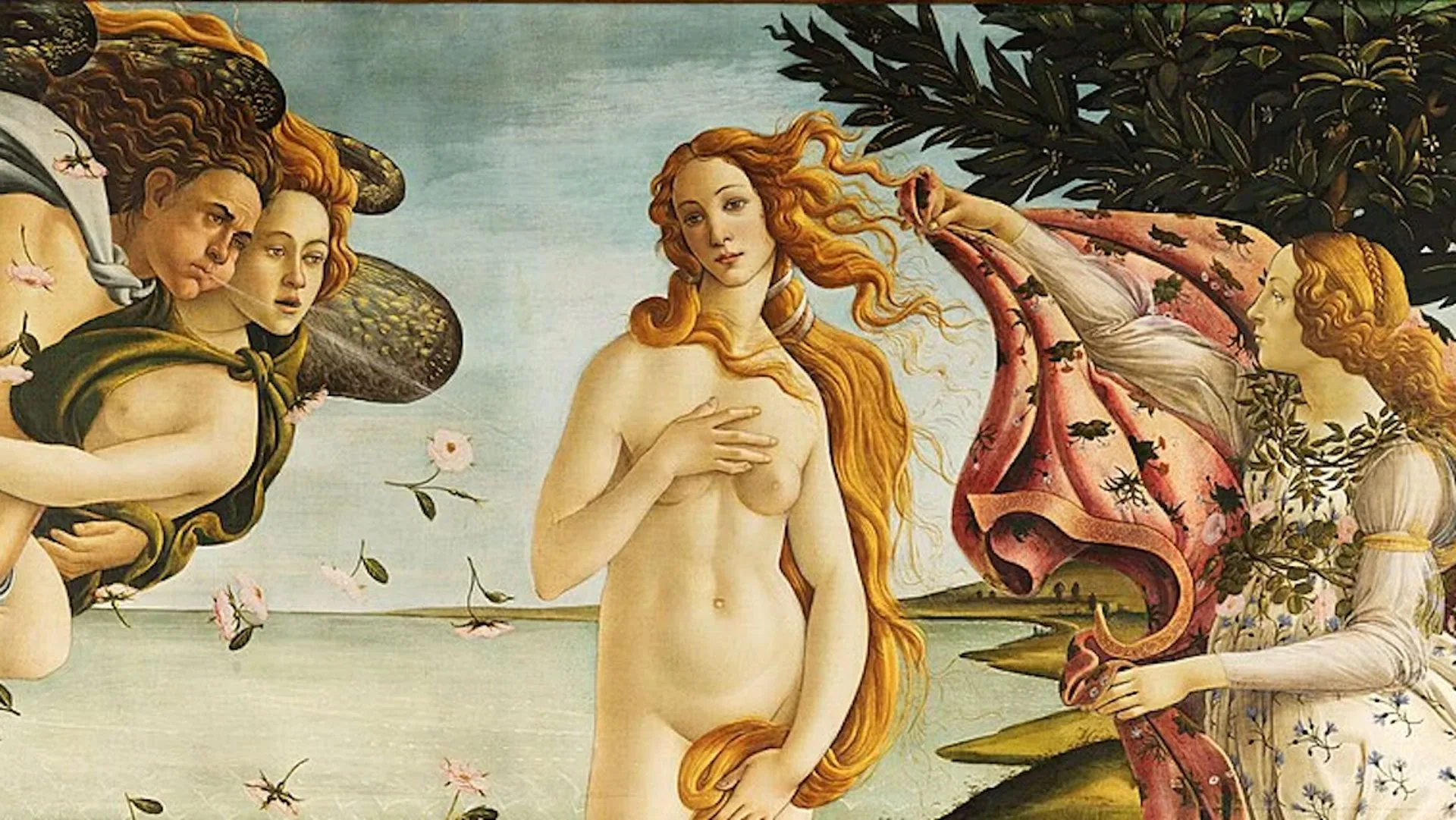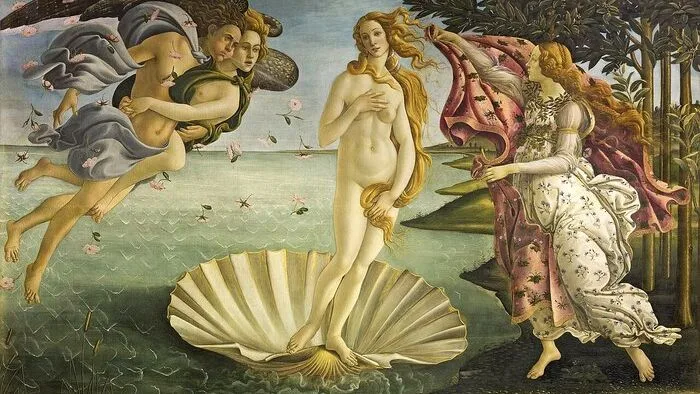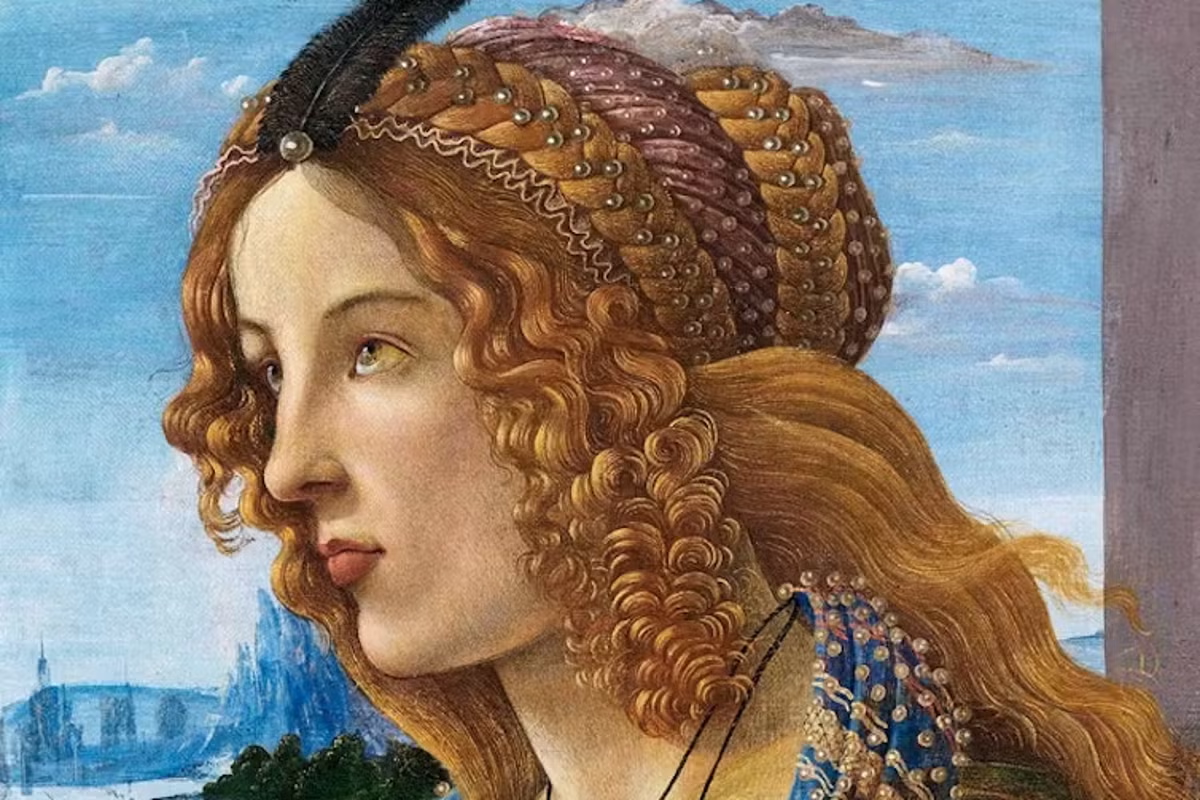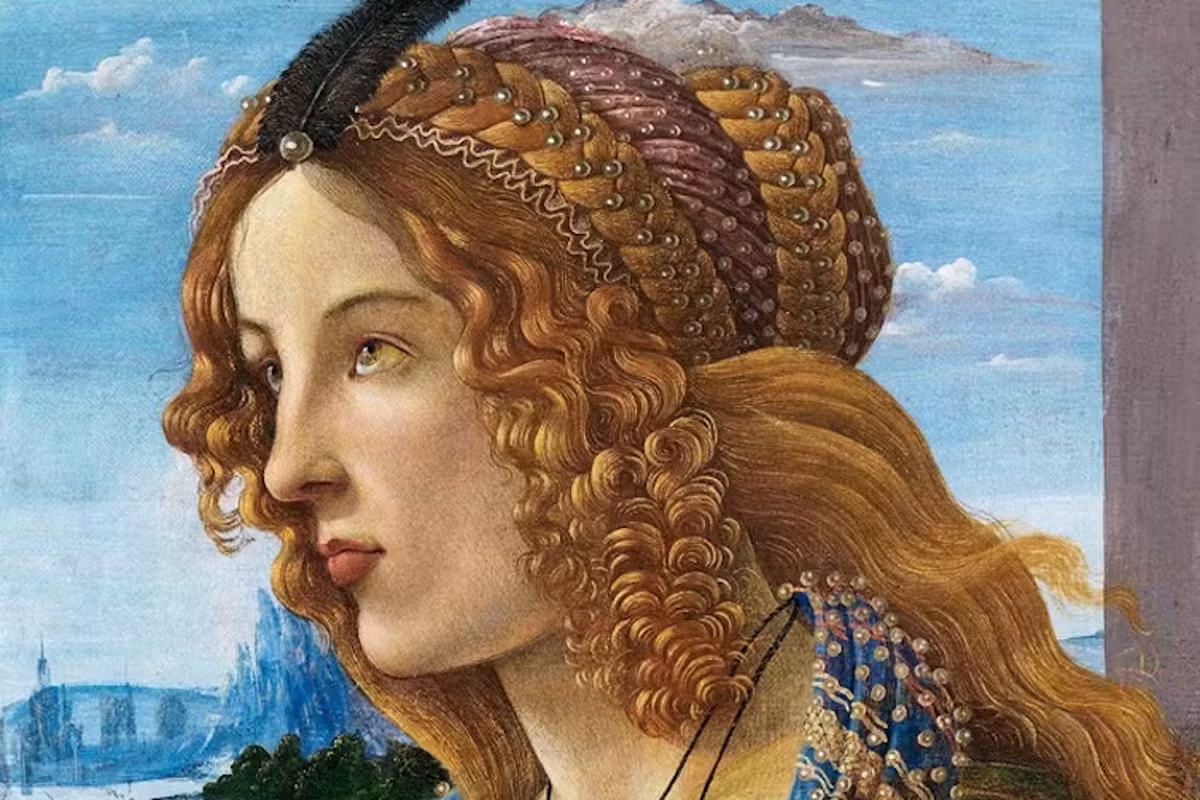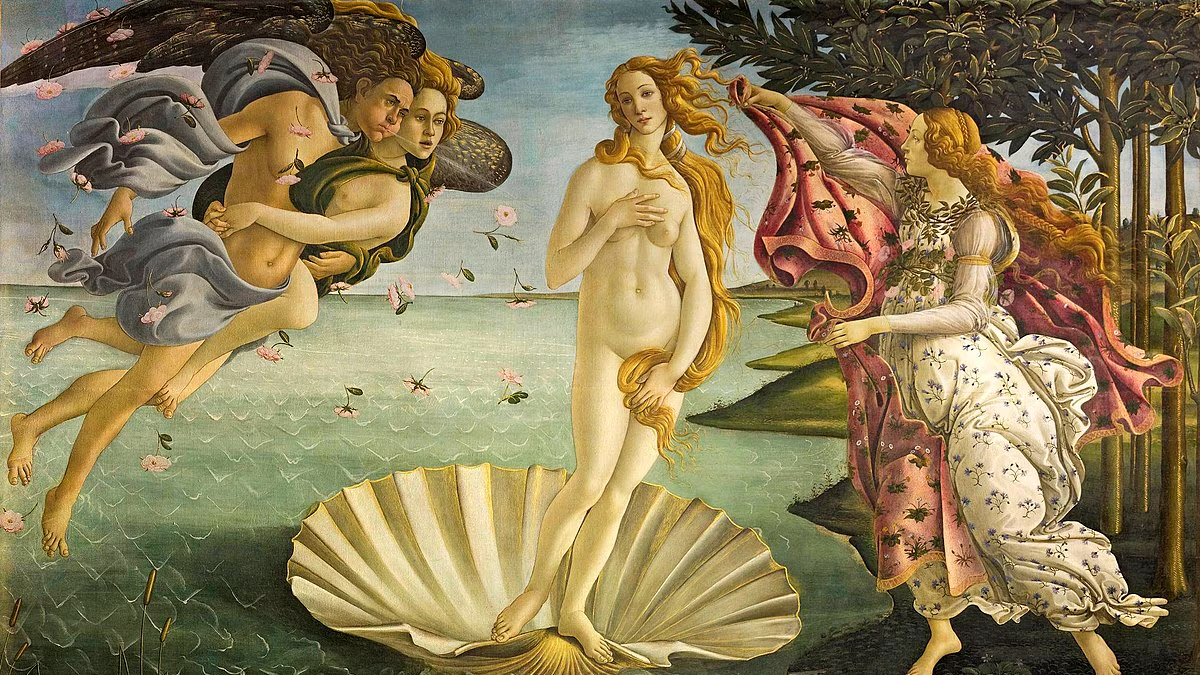
Stay up to date with notifications from The IndependentNotifications can be managed in browser preferences.Jump to contentThank you for registeringPlease refresh the page or navigate to another page on the site to be automatically logged inPlease refresh your browser to be logged inAllNewsSportCultureLifestyleSimonetta Vespucci, a prominent figure in the Italian Renaissance and believed to be Botticelli's model for Venus, died in 1476 at the age of 23. For centuries, it was assumed she died from tuberculosis, but new research proposes a pituitary adenoma (a brain tumour) as the cause. Researchers observed gradual changes in her facial features across Botticelli's portraits, consistent with a tumour secreting growth hormone and prolactin. A new paper suggests her sudden death aligns with pituitary tumour apoplexy, where the tumour bleeds or swells rapidly, causing severe symptoms and hormonal collapse. This theory is supported by physical changes in portraits, contemporary accounts of her final illness, and documented events that could have triggered the apoplexy, offering a more complete explanation than tuberculosis alone. In fullMystery of one of the world’s most painted women may be solved after 550 yearsMore bulletinsThank you for registeringPlease refresh the page or navigate to another page on the site to be automatically logged inPlease refresh your browser to be logged in
Small detail in Botticelli’s Birth of Venus may solve a 550-year mystery
Stay up to date with notifications from The IndependentNotifications can be managed in browser preferences.Jump to contentThank you for registeringPlease refresh the page or navigate to another page on the site to be automatically logged inPlease refresh your browser to be logged inAllNewsSportCultureLifestyleSimonetta Vespucci, a prominent figure in the Italian Renaissance and believed to be Botticelli's model for Venus, died in 1476 at the age of 23. For centuries, it was assumed she died from tuberculosis, but new research proposes a pituitary adenoma (a brain tumour) as the cause. Researchers observed gradual changes in her facial features across Botticelli's portraits, consistent with a tumour secreting growth hormone and prolactin. A new paper suggests her sudden death aligns with pituitary tumour apoplexy, where the tumour bleeds or swells rapidly, causing severe symptoms and hormonal collapse. This theory is supported by physical changes in portraits, contemporary accounts of her final illness, and documented events that could have triggered the apoplexy, offering a more complete explanation than tuberculosis alone. In fullMystery of one of the world’s most painted women may be solved after 550 yearsMore bulletinsThank you for registeringPlease refresh the page or navigate to another page on the site to be automatically logged inPlease refresh your browser to be logged in