Academia
Instead of simply asking how development cooperation should be financed, OECD governments should be asking what it should achieve.
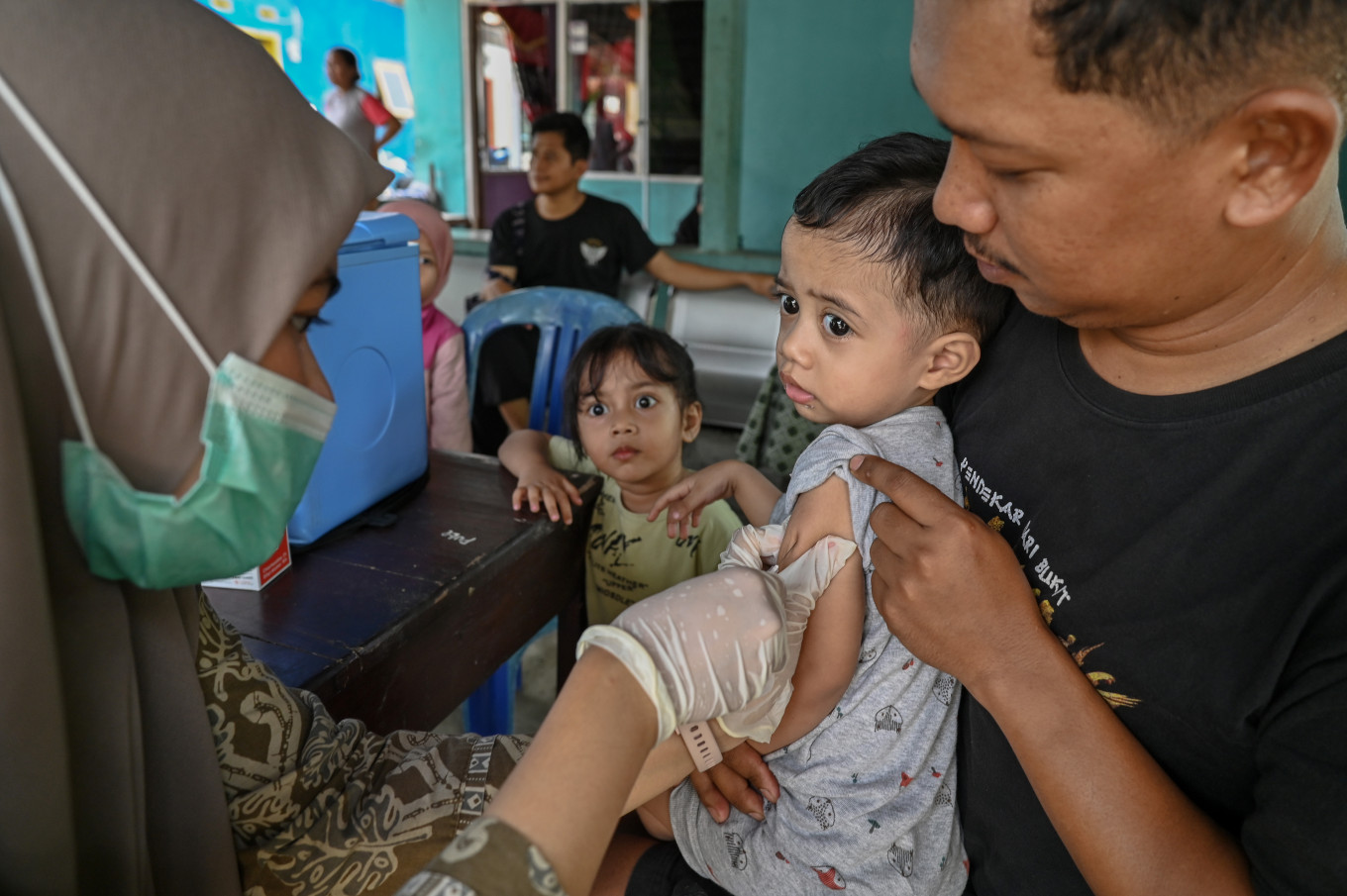
A healthcare worker from the Nosarara community health center (Puskesmas) administers a measles vaccine to a child at the Melati integrated health services post (Posyandu) in Palupi village, Palu, Central Sulawesi, on April 2, 2026. (Antara/Basri Marzuki )
In an increasingly unstable geopolitical environment, governments across the Organisation for Economic Co-operation and Development (OECD) are rethinking their spending priorities. As they direct more funds toward defense, industrial competitiveness and energy security, they are seeking offsetting expenditure cuts, and, in many cases, the axe is falling on development financing. In fact, members of the OECD’s Development Assistance Committee (DAC) are currently conducting reviews of their development-cooperation strategies and external-financing priorities.This is not altogether bad news: development cooperation was long in need of a reassessment. But the reviews so far are focusing on the wrong thing. They want to adapt development cooperation to donors’ changing geopolitical, security and commercial needs and objectives. What is really needed is an examination of the system’s ability to support the structural transformation required to reduce developing countries’ dependence on foreign aid. In other words, instead of simply asking how development cooperation should be financed, OECD governments should be asking what it should achieve.