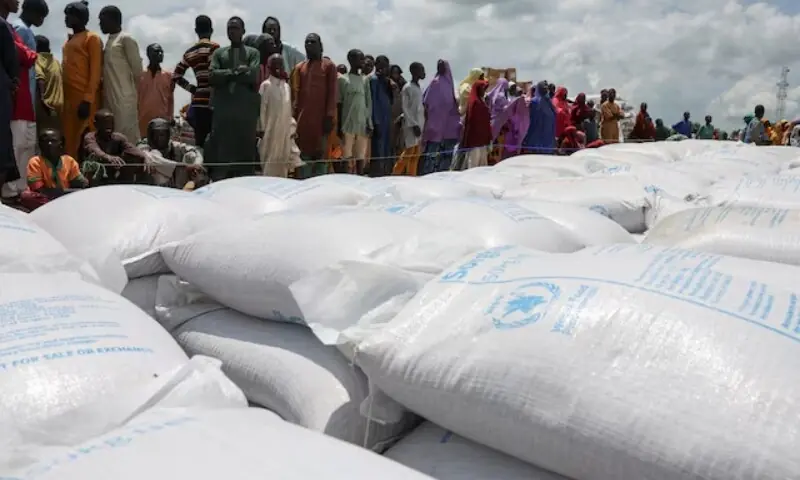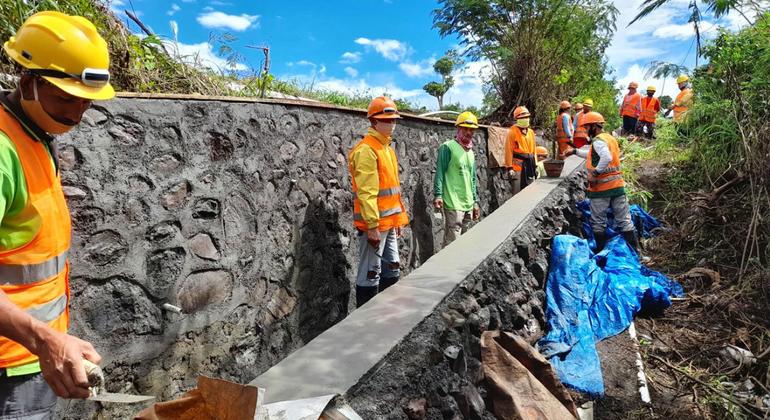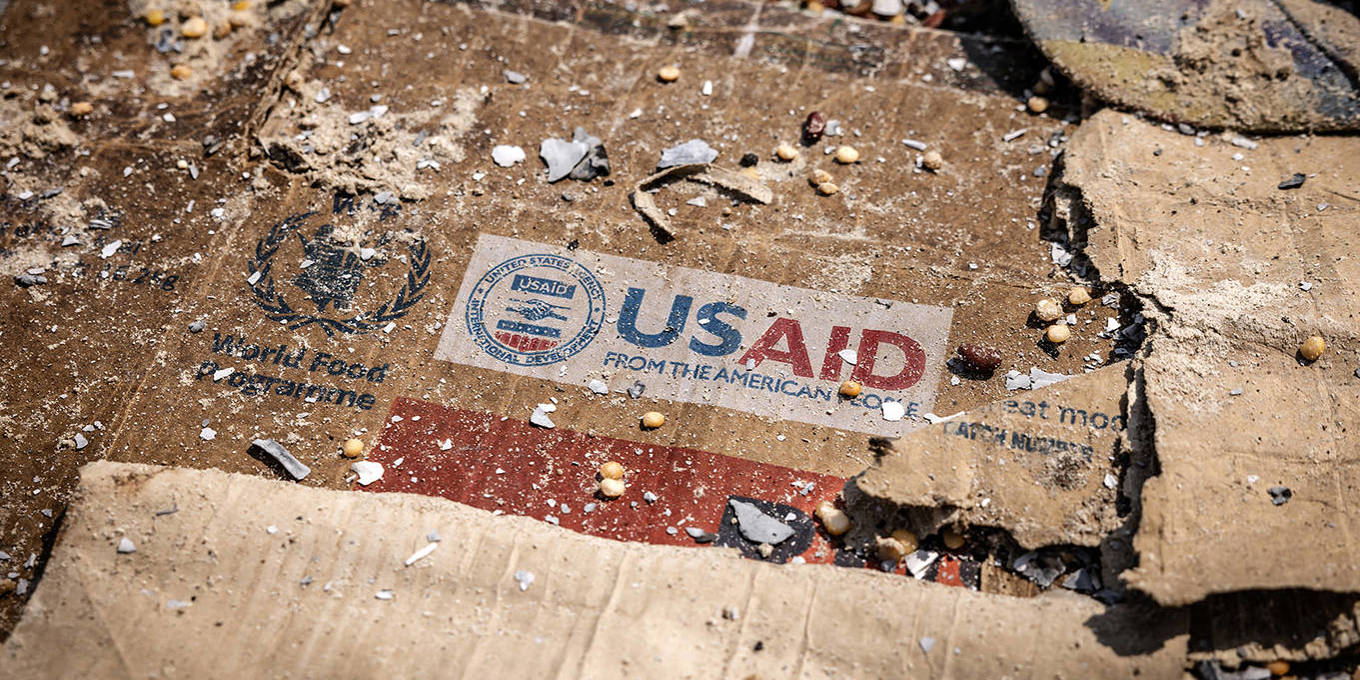
Economy Economy Economy World Economy World Economy World Economy Every year, $4 trillion must be found to meet the United Nations' sustainable development goals. This staggering sum raises key questions: Who actually benefits from this aid? And how can it be distributed fairly? Lire en français Subscribers only What is the future of development cooperation? Four experts examine the foundations of a system that often serves donors better than recipients, as they unanimously observe. What is the goal of development assistance? The Organization for Economic Co-operation and Development (OECD) defines official development assistance (ODA) as "aid that promotes and specifically targets the economic development and welfare of developing countries." Since 2015, the United Nations' sustainable development goals (SDGs) have set the targets to achieve. "The [French] 2021 law on solidarity-based development and the fight against global inequalities sets several objectives for aid. Yet, these are largely contradictory and show the ambiguity in constructing aid that oscillates between solidarity and self-interest. That's what I call the congenital oxymoron of aid," said Philippe Marchesin, lecturer in political science specializing in assistance to developing countries at Sorbonne University. "ODA should be a mechanism for redistributing wealth and compensating for the historical exploitation of countries in the Global South," said Mathieu Paris, advocacy officer for debt and official development assistance at CCFD-Terre Solidaire (a Catholic NGO focused on international solidarity and development). Serah Makka, executive director for Africa at the NGO ONE, went even further. In her view, "aid should gradually decrease until there is no longer any reason for it to exist." Should development aid include private funding? Achieving the SDGs requires $4 trillion of financing per year. Public aid alone is no longer enough. Turning to private funds appears unavoidable, but it raises a fundamental question: Who does the aid benefit? "Private funds operate according to short-term profitability rather than long-term solidarity and development," said Paris of CCFD-Terre Solidaire. "Private capital can be beneficial on the ground, but it should not be included in ODA," Makka added. You have 54.36% of this article left to read. The rest is for subscribers only.
Donors growing self-interest calls for 'complete reset' of official development assistance
Every year, $4 trillion must be found to meet the United Nations' sustainable development goals. This staggering sum raises key questions: Who actually benefits from this aid? And how can it be distributed fairly?
350 words~2 min read