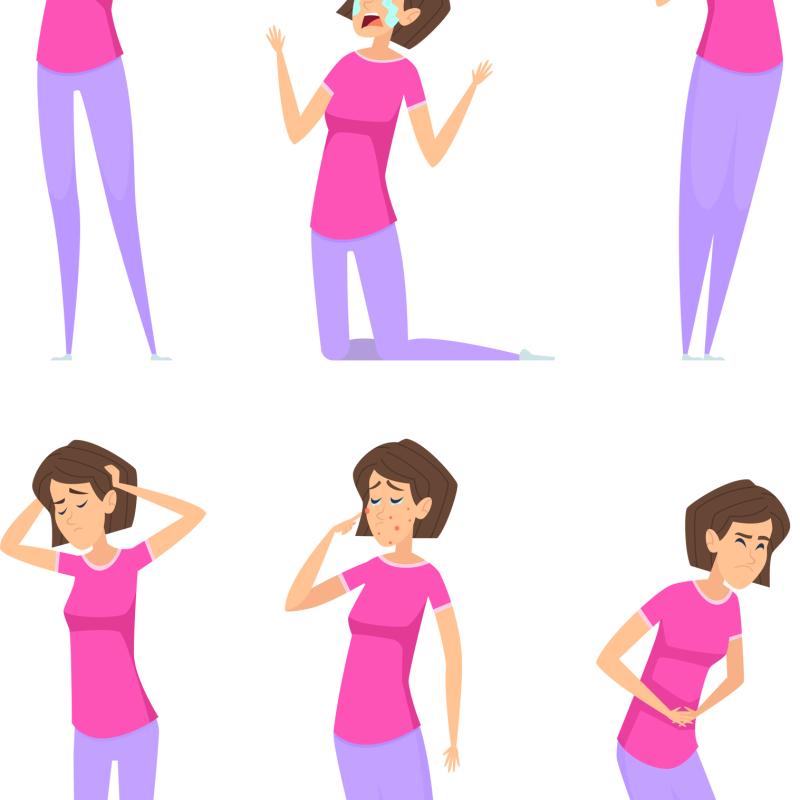
Hormonal imbalance is often associated with women, particularly during menstruation and menopause. Yet hormones regulate almost every major function in the human body, making them just as important to men's health.Acting as chemical messengers, hormones coordinate processes ranging from metabolism and growth to reproduction, mood and sleep. Estrogen, progesterone, testosterone, insulin, cortisol and thyroid hormones work together, meaning disruption in one system can affect the others.
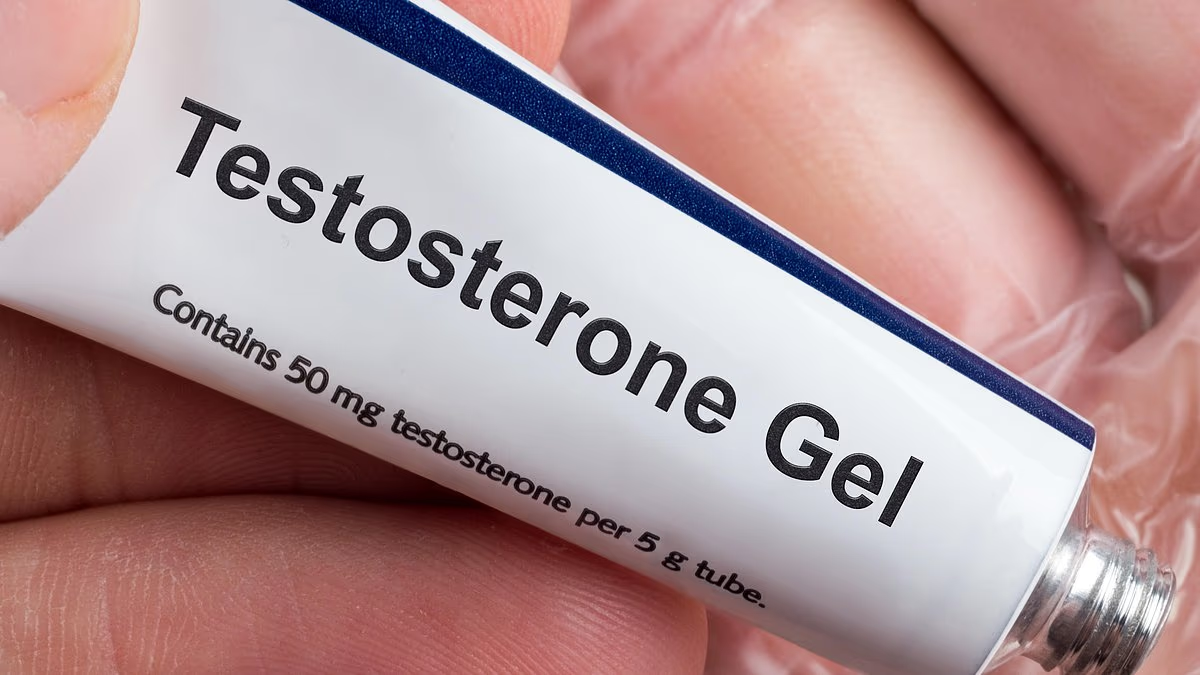
"Men and women produce the same hormones, but in different amounts," said Isabella Margie, a general practitioner specializing in hormone health. Men produce most of their testosterone in the testes, while women produce much smaller amounts through the ovaries and adrenal glands. Men also require small amounts of estrogen to support bone health and sperm production, while women rely on higher levels of estrogen to regulate the menstrual cycle, fertility and bone density.
Margie said the adrenal, thyroid and sex hormone systems are closely interconnected.
"For example, chronically high cortisol from prolonged stress can suppress thyroid and sex hormone production, leading to fatigue, reduced libido, fertility problems and mood changes," she said.