I used to think I was in control of my life. But I don’t believe that any more. Learning about hormones changed everything.Article continues after advertisement
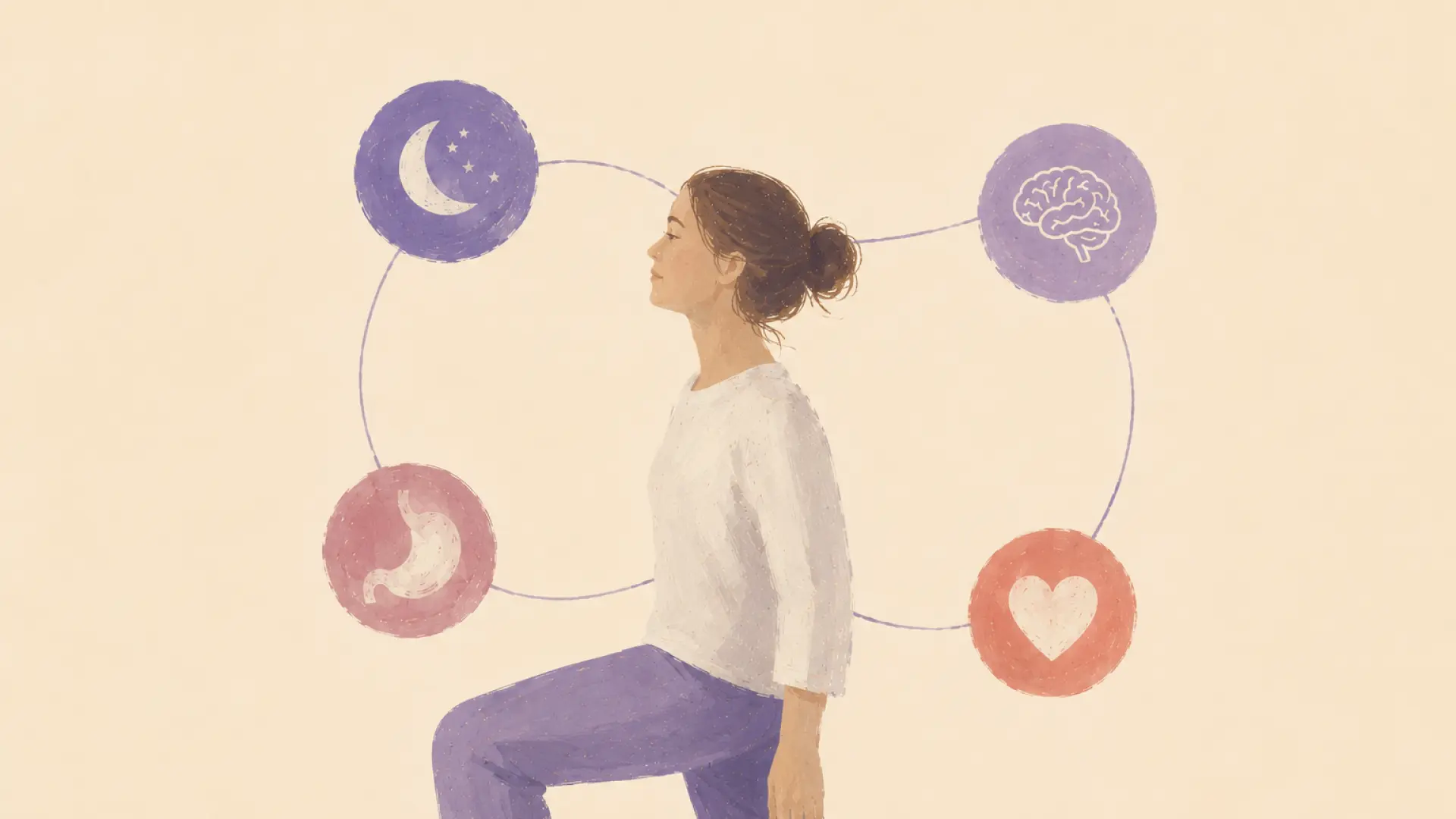
The illusion of our autonomy, though, can be persuasive, because when all is functioning well, we barely notice our hormones, the chemical signals that carry messages within the body. By animating every aspect and every moment of life, it is our hormones’ control over us that defines our very idea of what a normal life feels like. We expect to wake up refreshed, to maintain a stable weight, to be in a reasonable mood, while perhaps overlooking that these processes are governed by the body’s hormones far more than by our behaviour, agency or willpower. Yet when this network of hormone signals and the endocrine glands that transmit them breaks down, we see with hindsight how precarious, how precious that expectation of a normal life was.
Endocrinology is the medical specialty concerned with these diseases of the body’s hormones. In the outside world, when I tell people I’m an endocrinologist, most will say, “What’s that?”
“Hormones,” I’ll reply.
“Oh, like HRT,” they’ll say. “My wife’s on HRT.” And they are right: we do deal with HRT, or hormone replacement therapy, but menopause is just one example of the potency of our hormones, which choreograph every phase of life.Article continues after advertisement