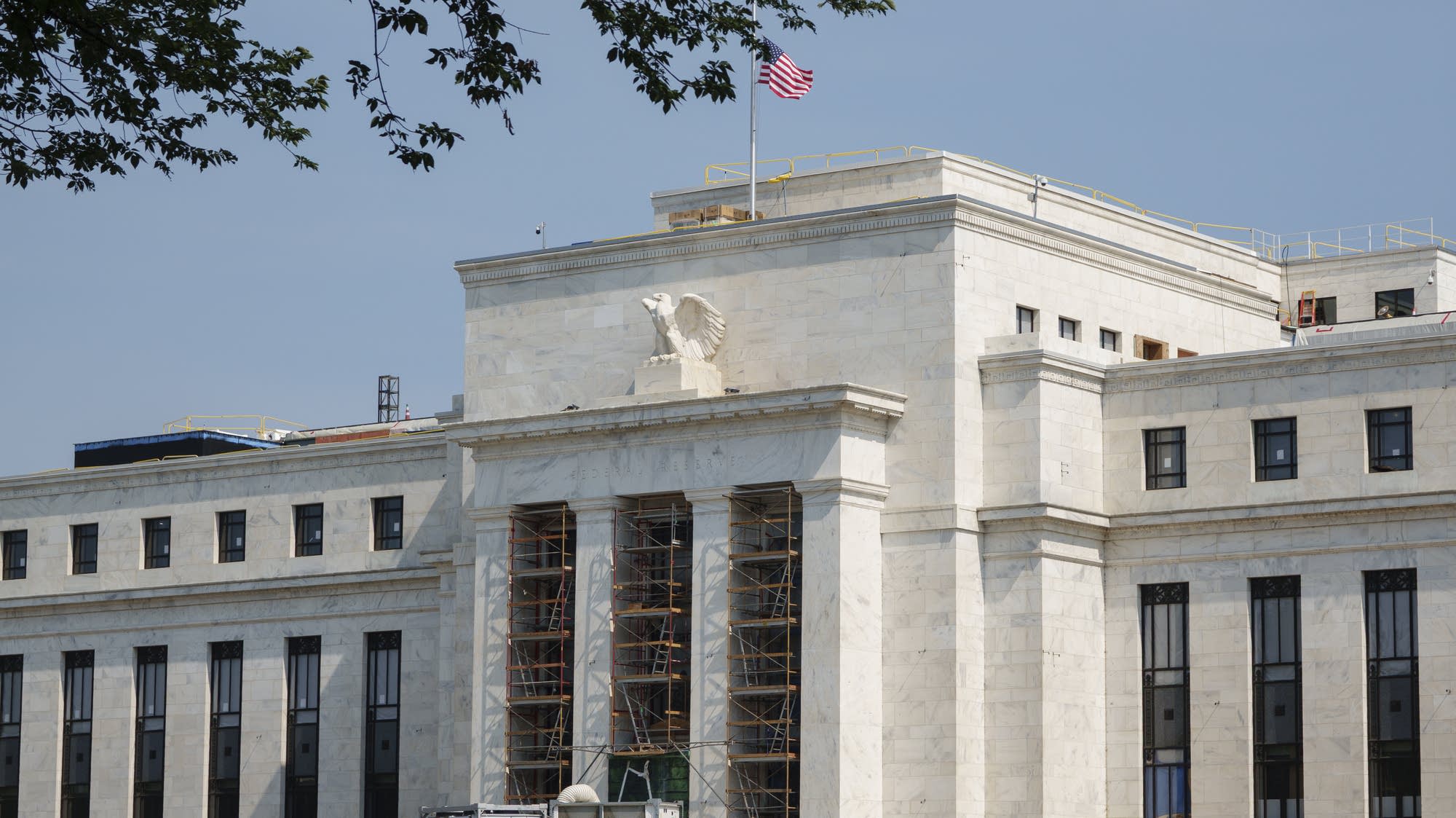
The Federal Reserve’s Beige Book, released July 15, 2026, paints a picture of an economy that is, against most odds, holding together reasonably well. Eleven of twelve Federal Reserve Districts reported slight to moderate increases in economic activity for the period covering late May through early July 2026, a reading that essentially mirrors what the prior report showed.
What the numbers actually say
Consumer spending rose across the board, though fuel costs created some drag in specific categories. Manufacturing showed moderate growth, led by demand from data centers, machinery production, and defense-related orders. Construction and real estate activity expanded slightly, again driven largely by data center development. Tourism also contributed to growth, with the World Cup cited as a driver of increased spending in relevant markets. Service sectors expanded modestly. Employment trended positive, with wage growth characterized as modest to moderate.
On inflation, nine Districts reported moderate price increases, two reported robust growth, and one reported only slight increases. Non-labor input costs have been climbing, pushed up by energy expenses, higher transportation costs, and geopolitical friction, particularly in the Middle East, that has rippled through supply chains. Some Districts flagged rising customer price sensitivity, and combined with recent declines in fuel prices, several Districts expressed expectations that inflation would slow.