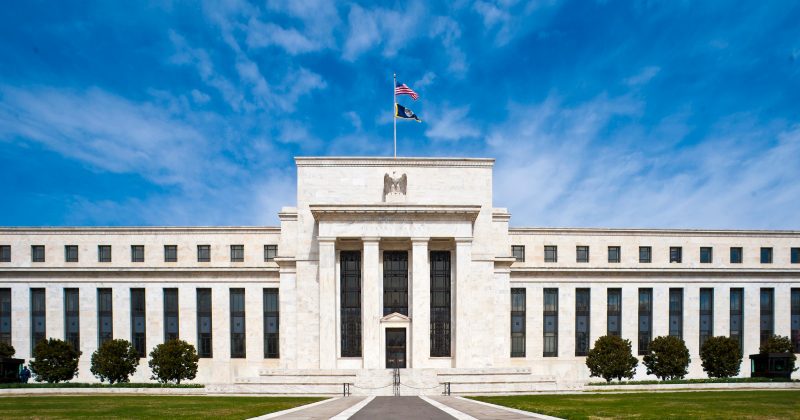
The US economy continued to expand at a moderate pace heading into the Federal Reserve's next policy meeting, with employment improving and inflation showing signs of easing, though rising fuel costs and tariff-related pressures remain key risks, according to the central bank's latest Beige Book, according to Reuters.The Beige Book, which compiles anecdotal information from the Fed's 12 regional banks, indicated that businesses across most regions expect economic growth to continue in the coming months. However, several districts highlighted elevated uncertainty over fuel costs, reflecting concerns that renewed geopolitical tensions could complicate the inflation outlook.The report found that price growth was either unchanged or slower across all Federal Reserve districts compared with the previous reporting period. Businesses offered mixed views on the inflation outlook, with some expecting price pressures to remain steady while others anticipated further moderation, partly because of lower fuel prices seen during the survey period.The latest assessment comes less than two weeks before Federal Reserve policymakers gather for their next monetary policy meeting. At the Fed's June meeting, about half of the policymakers projected at least one additional interest rate hike before the end of 2026 as inflation remained above the central bank's target.Fed Chair Kevin Warsh has not disclosed his preferred interest-rate path but has repeatedly reaffirmed the central bank's commitment to restoring price stability during congressional appearances this week.Middle East conflict continues to shape inflation outlookThe Beige Book reflected a temporary easing in concerns over the conflict in the Middle East, as the survey was compiled on or before July 6, when hostilities had subsided and energy prices had moderated following a preliminary peace agreement between the United States and Iran.Reuters reported that lower fuel prices last month helped cool inflation readings. However, renewed fighting in recent weeks has pushed oil prices higher again, reviving concerns that energy costs could feed into broader inflation.Businesses in several regions linked their outlook to geopolitical developments. Contacts in the Cleveland Federal Reserve district reported that builders expected more bidding opportunities as uncertainty surrounding the Middle East conflict eased. At the same time, other businesses warned that commodity price pressures could persist if the conflict continues.Labour market remains resilientThe report also painted a picture of a labour market that continues to strengthen without generating excessive wage pressures.According to Reuters, employers in several districts reported stable wage growth despite increased requests from workers for higher pay. Businesses in the St. Louis Fed district said some employers had not raised wages over the past three months even as employees sought pay increases.The Minneapolis Fed noted that higher gasoline prices were weighing on household budgets. Job seekers encountered fewer openings across many occupations, although demand remained relatively stronger for positions such as stockers, nursing assistants, heavy machinery operators and customer service representatives.The Beige Book suggested that labour market conditions are not currently adding significantly to inflation, aligning with recent comments from Federal Reserve officials.Businesses still face higher input costsWhile wage pressures remained contained, businesses continued to grapple with rising input costs across services, manufacturing and construction.Companies cited higher expenses for energy, transportation and raw materials. Some businesses attributed those increases to ongoing tensions in the Middle East, while others pointed to the impact of tariffs.The report also noted that consumer prices continued to increase, with businesses in several districts observing that customers had become more sensitive to price increases.World Cup provides boost to local economiesThe FIFA World Cup also featured prominently in the Beige Book as a source of economic activity in host cities.According to Reuters, the tournament supported business activity across several districts, including Boston, Philadelphia, Miami, New York, Kansas City and parts of the West Coast.Businesses in Greater Boston reported stronger beer sales during the tournament, while hospitality and entertainment sectors in host cities benefited from increased visitor spending.
US Stock Market: Fed Beige Book signals improving economy as inflation eases, but fuel costs and tariffs remain risks
The US economy shows moderate expansion with improving employment figures. Inflation is easing across Federal Reserve districts, though fuel costs remain a concern. Businesses anticipate continued growth while facing elevated input expenses. The labor market remains resilient without generating excessive wage pressures. Geopolitical developments and tariffs continue to shape the economic outlook.
629 words~3 min read