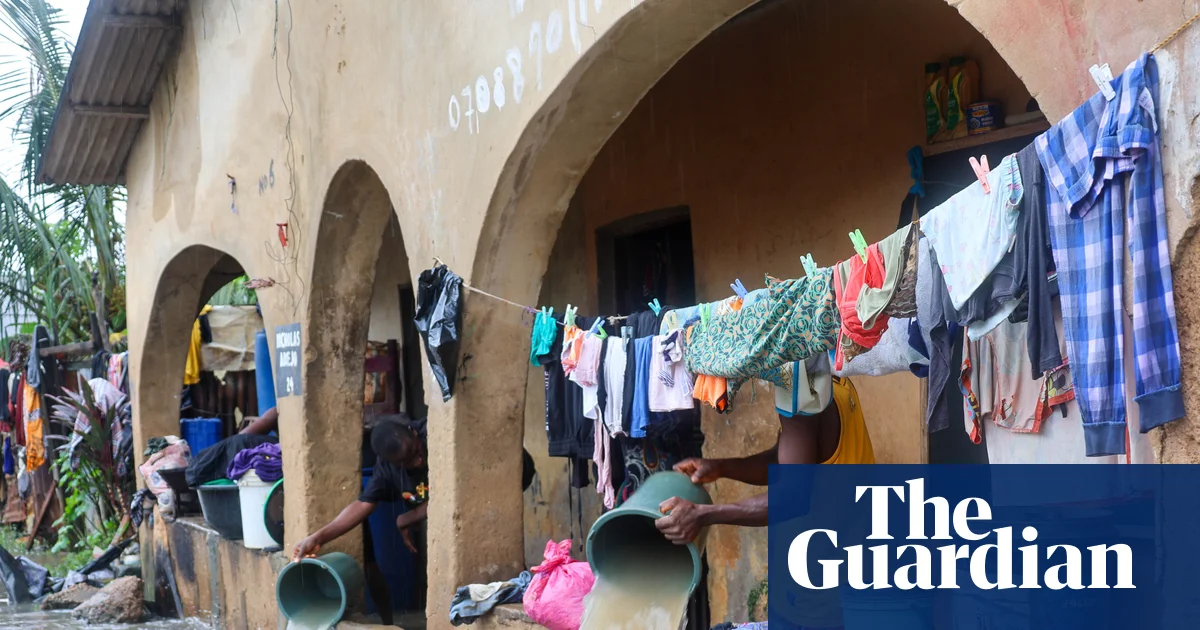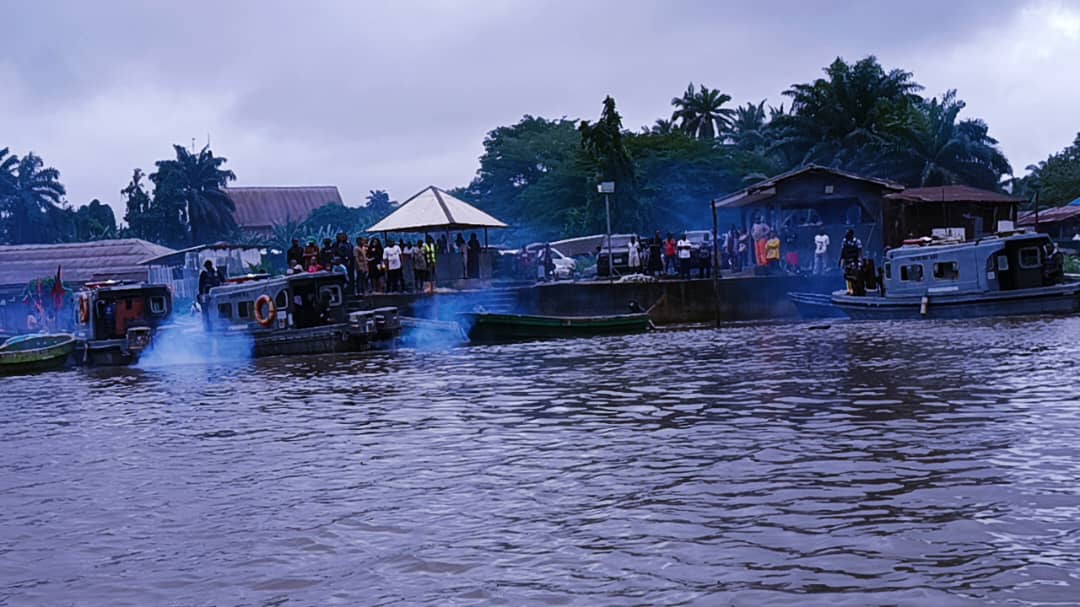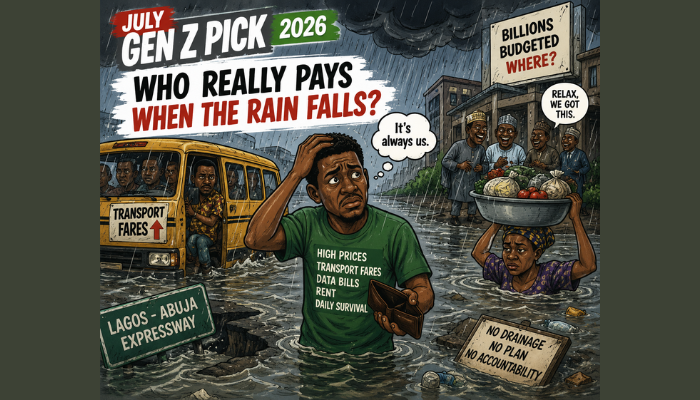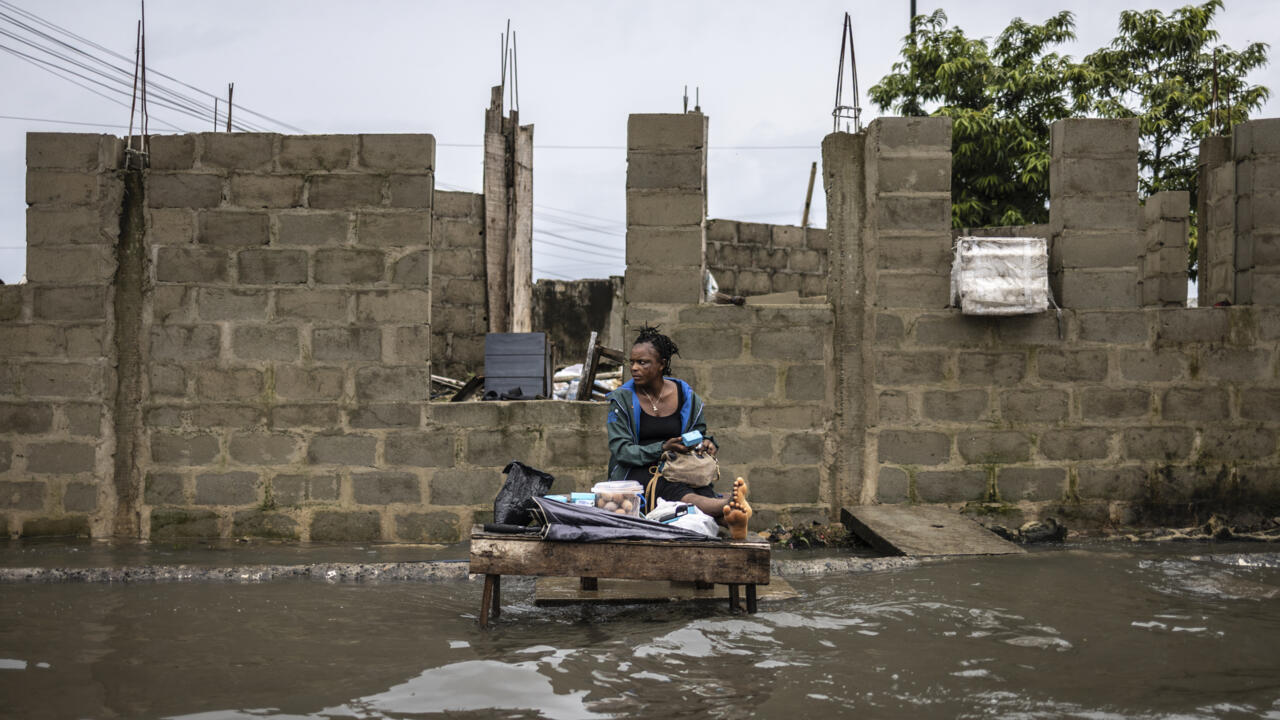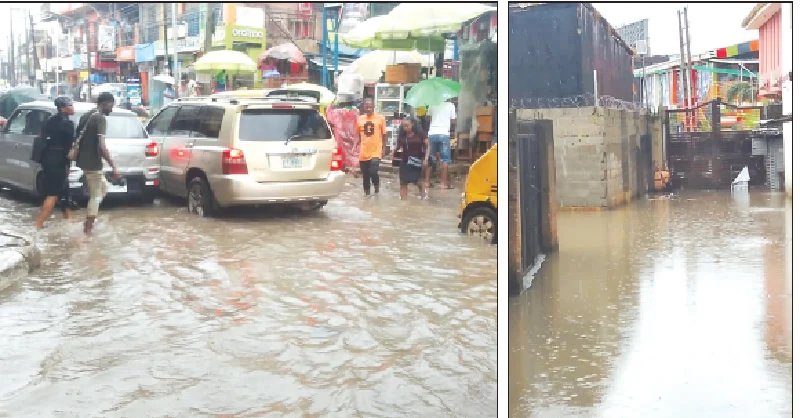
After Lagos State went through a severe season of flooding a fortnight ago, there is a tendency for residents to develop a fatalistic sense of detachment from anything ecological. This is the same manner a victim’s senses are numbed by traumatic experiences, and the listlessness that follows makes them vulnerable to future threats. Hence, it is pertinent to note that the latest flood alert issued by the Nigerian Meteorological Agency should not be viewed with panic or waved aside as another routine weather bulletin.
According to NiMet’s advisory, 27 states, including Lagos, face a heightened risk of flash flooding during the first weeks of July because persistent rainfall has saturated the soil, leaving it unable to absorb much more water. The agency also warned that flooding could disrupt transportation, damage infrastructure, destroy farms, interrupt electricity and telecommunications, and increase the risk of waterborne diseases.
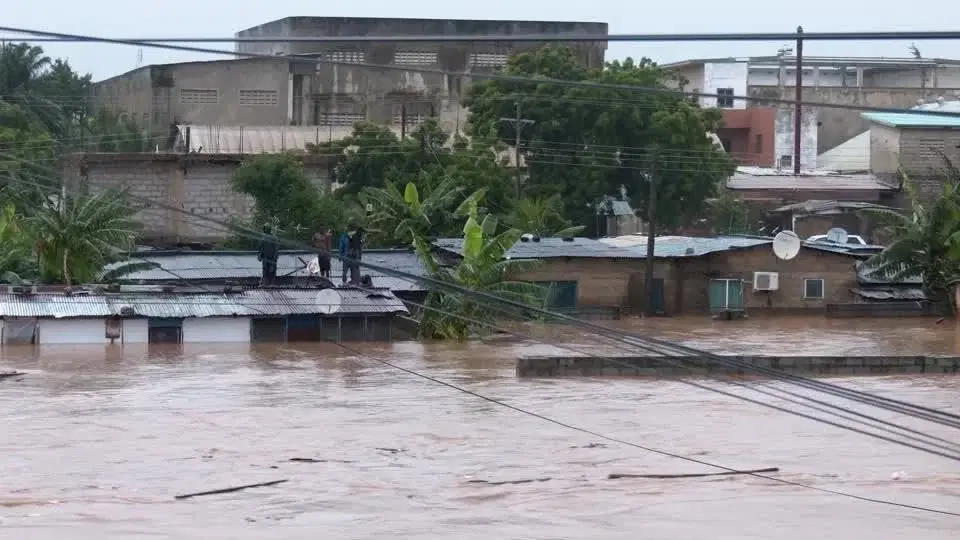
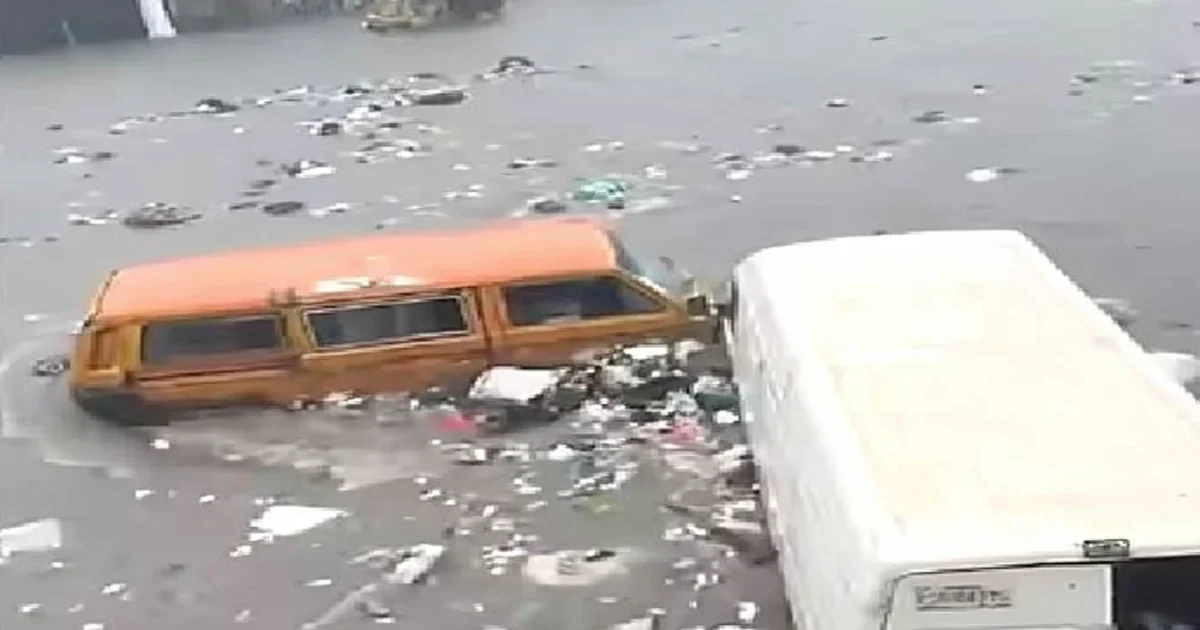
For Lagos, it is like preaching to the choir; the troubled megacity has seen it all. As Nigeria’s commercial heartbeat, the implications are particularly serious. Even a few hours of heavy rainfall can cripple movement, shut down businesses, damage homes, and expose thousands of residents to danger. The recent flooding disaster left no one in doubt – automobiles were tossed around by muddy flood waters like children’s toys, while whole streets were submerged up to roof level.