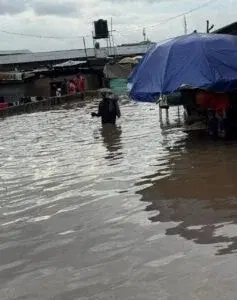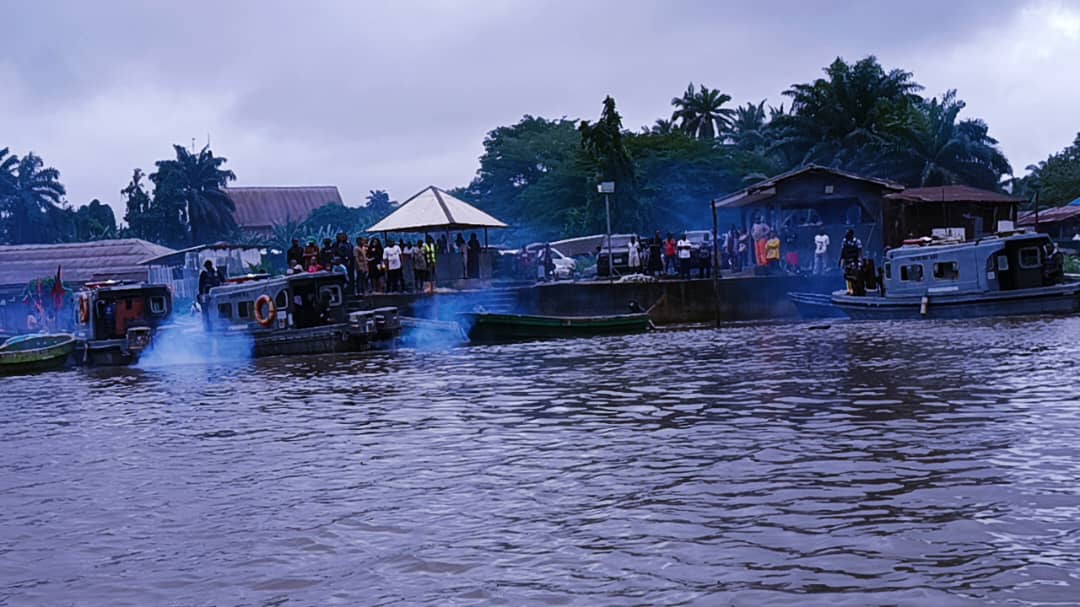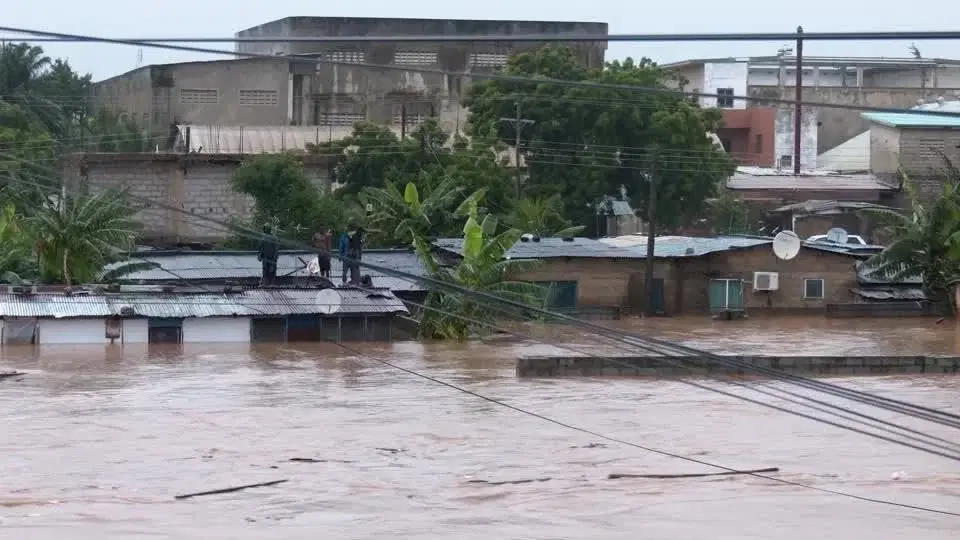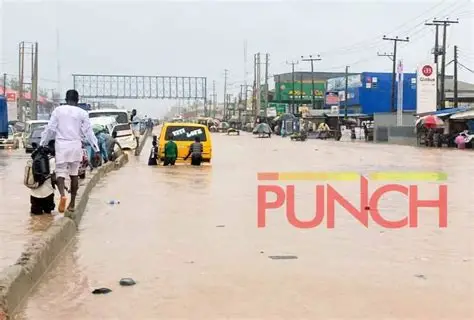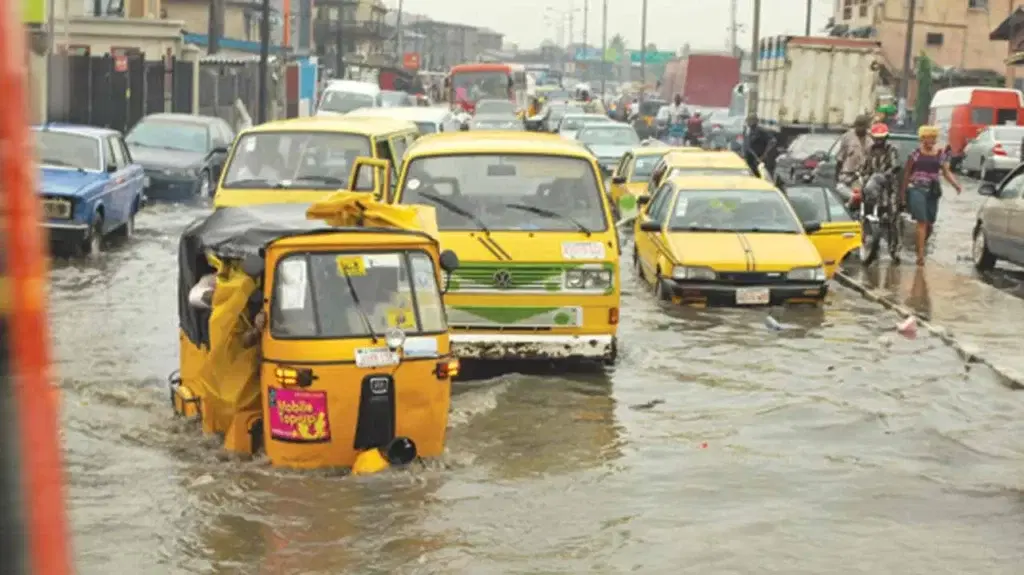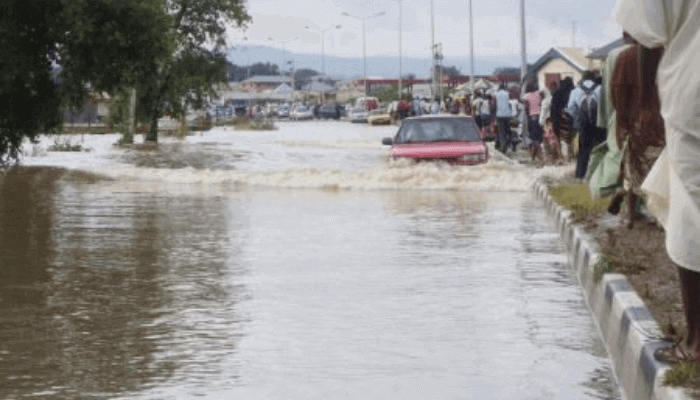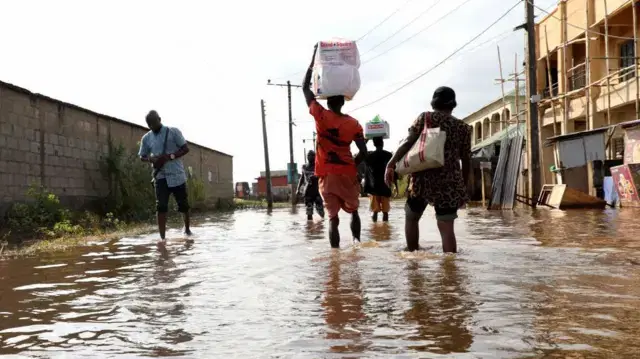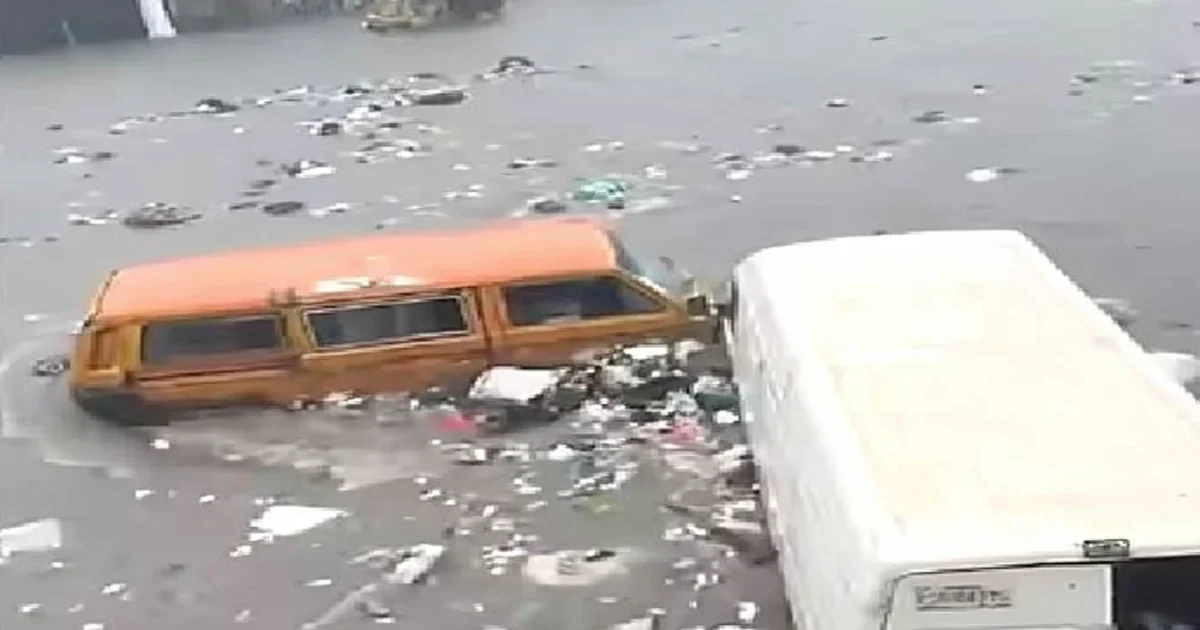
The floodwaters may have receded after days of torrential rain, but the devastation they left behind remains. Thousands of Lagos residents are still counting their losses as submerged homes, damaged vehicles, contaminated surroundings and disrupted livelihoods paint a grim picture of the deluge’s aftermath. While officials attribute the flooding to Lagos’ low-lying topography and the effects of climate change, many victims blame the authorities for failing to take adequate preventive and mitigation measures. DARE AKOGUN reports
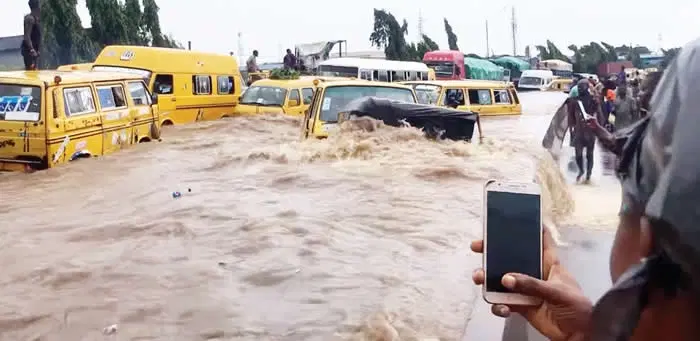
For six agonising hours, Fatai Saheed sat helplessly behind the steering wheel of his yellow commercial bus, watching murky floodwater rise steadily up the tyres.
The rain had long stopped, but nothing moved. Not the endless line of vehicles stretching from Agege Pen Cinema through Ogba to Ojodu Berger. Not the weary commuters who had surrendered to the gridlock. And certainly not Saheed, whose daily earnings disappeared with every passing minute.
He had experienced and lived through this nightmare before.
Three years back, shortly after purchasing the same bus with borrowed money, he unknowingly drove into floodwater along Wemco Road. By the following day, the water had seeped into the engine, damaging it beyond repair.