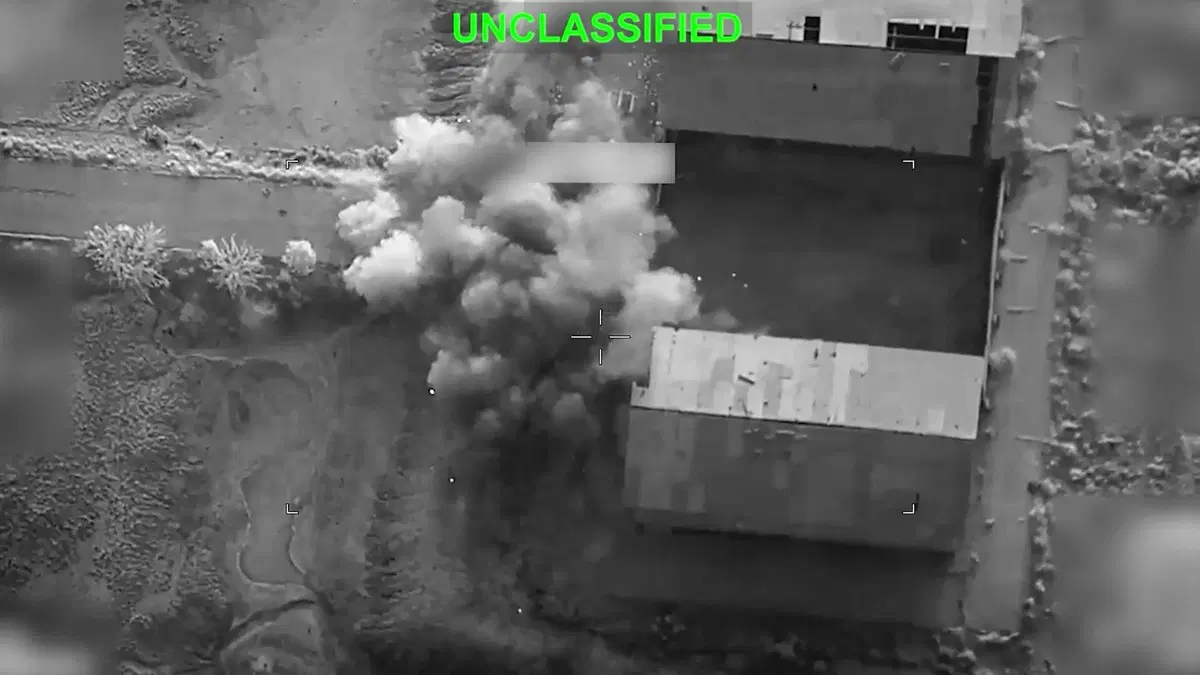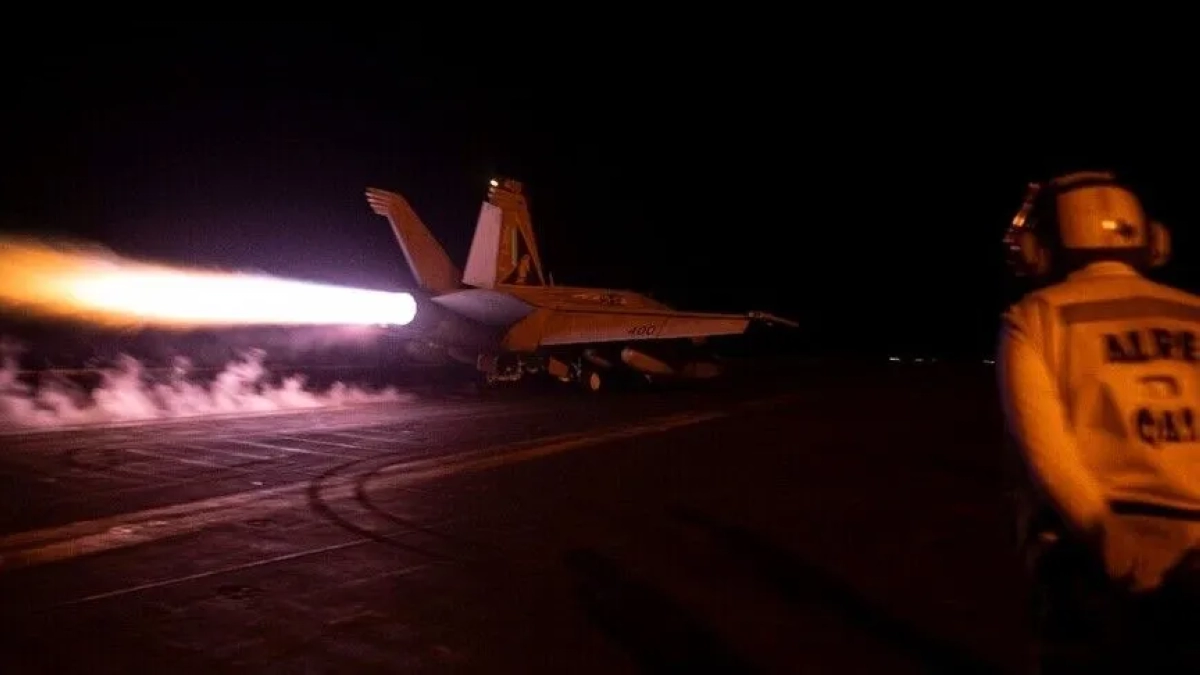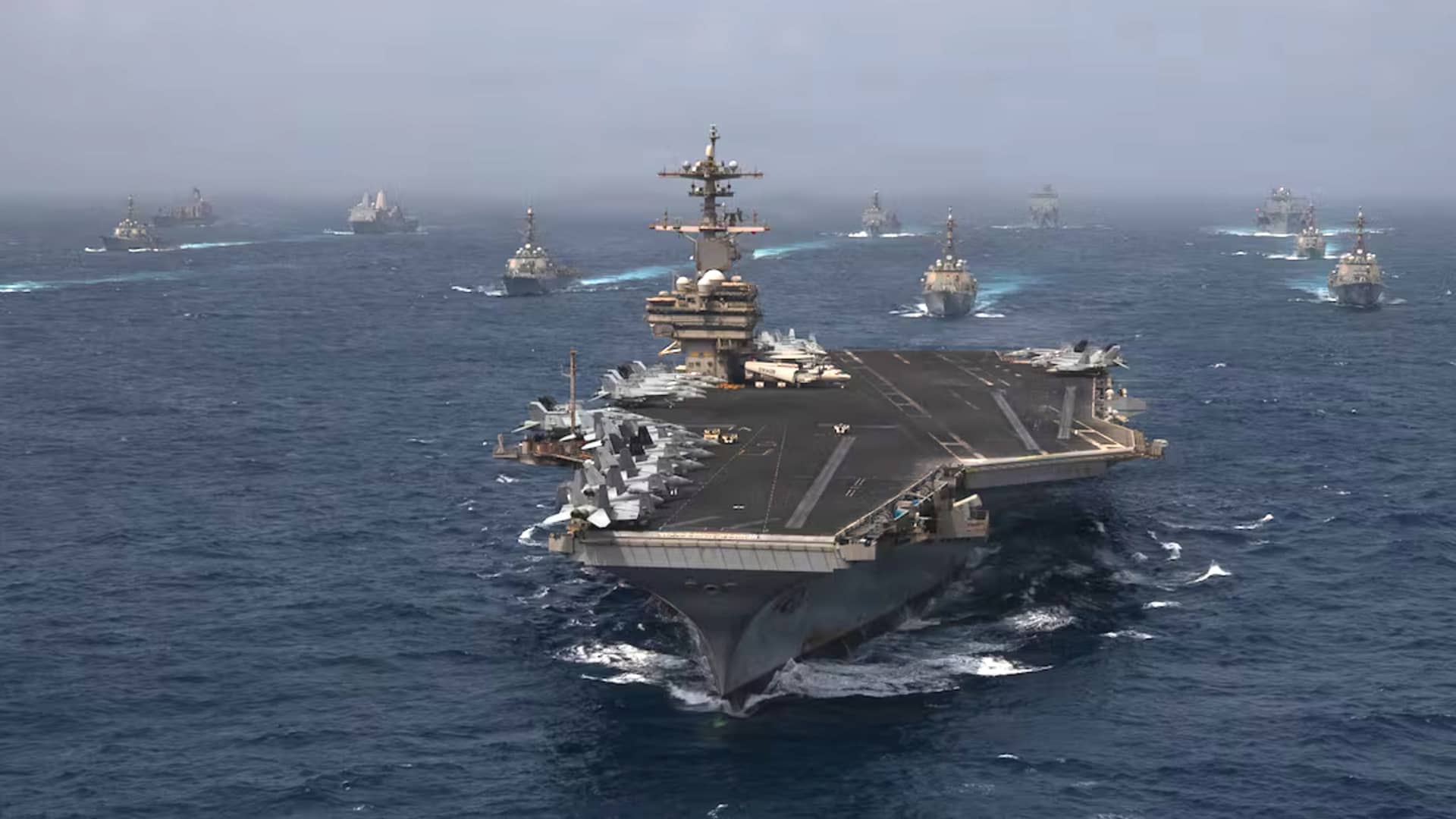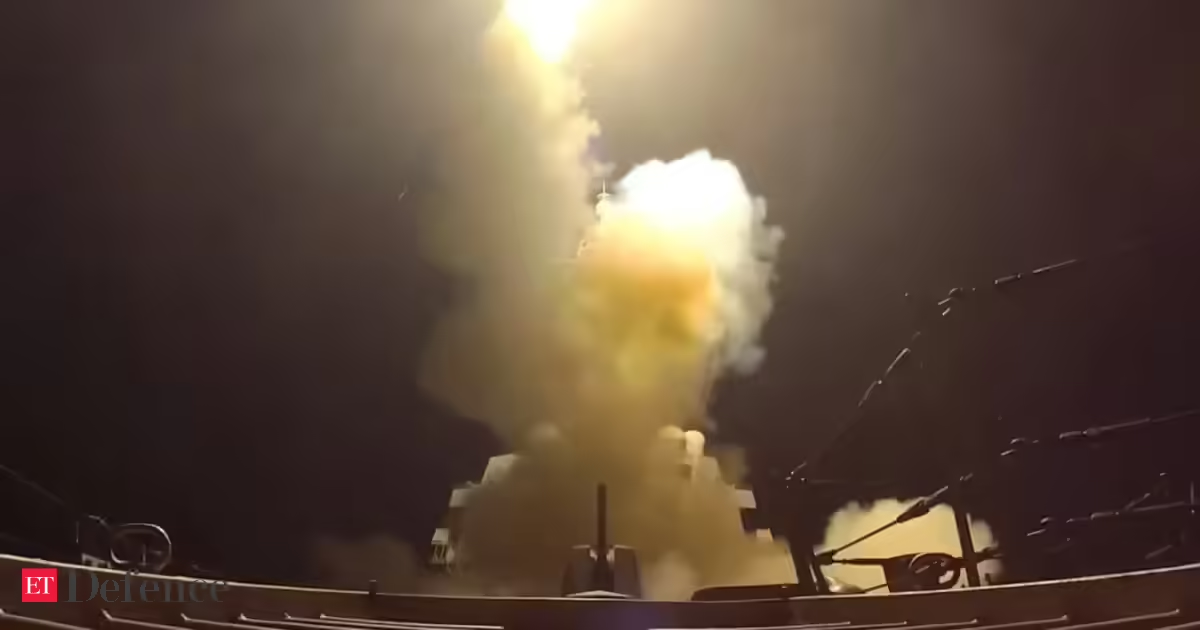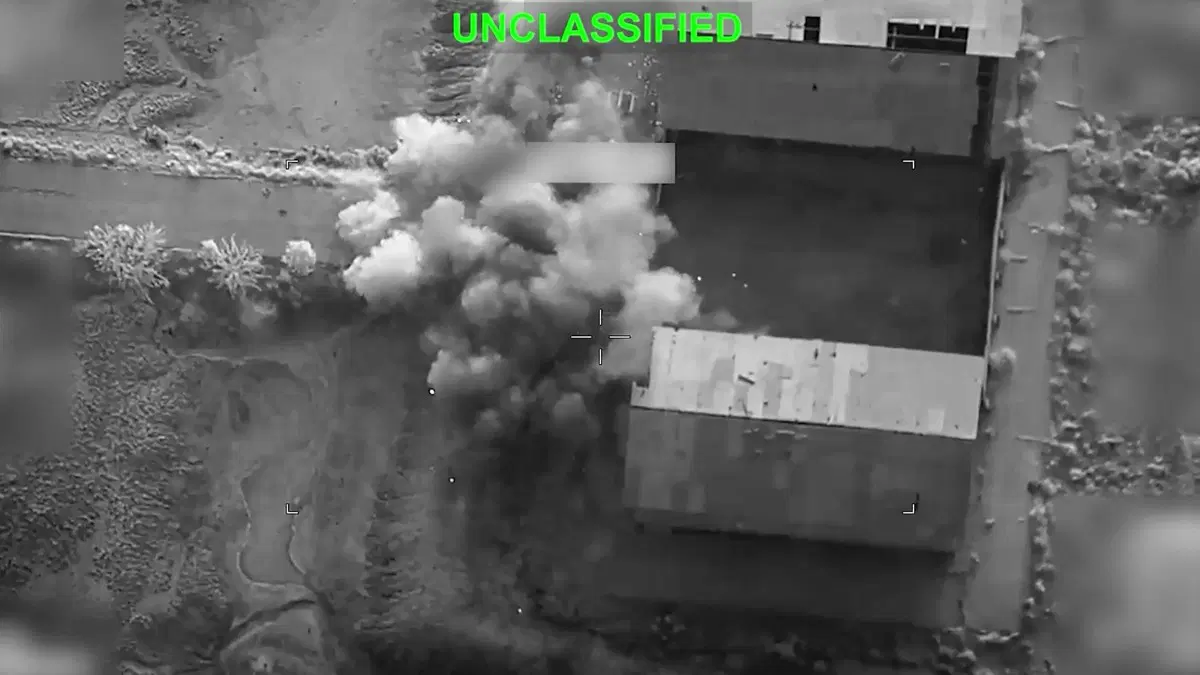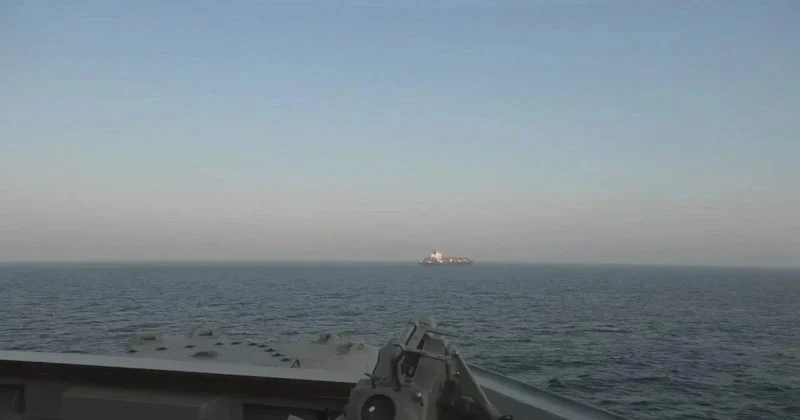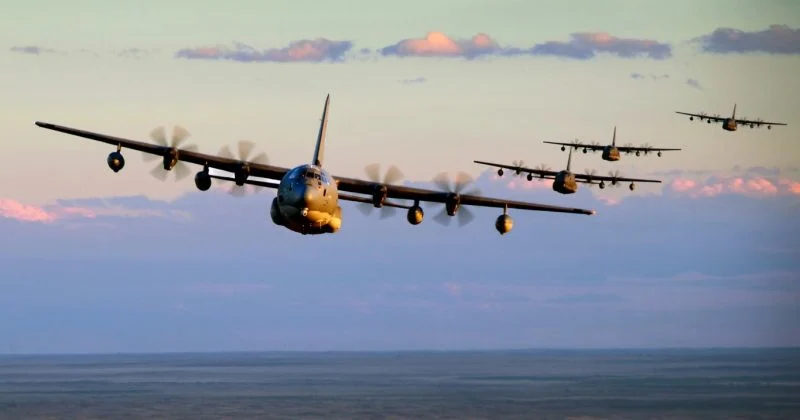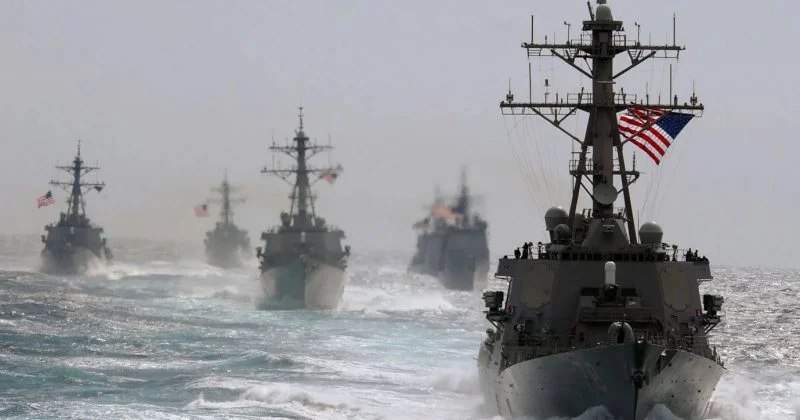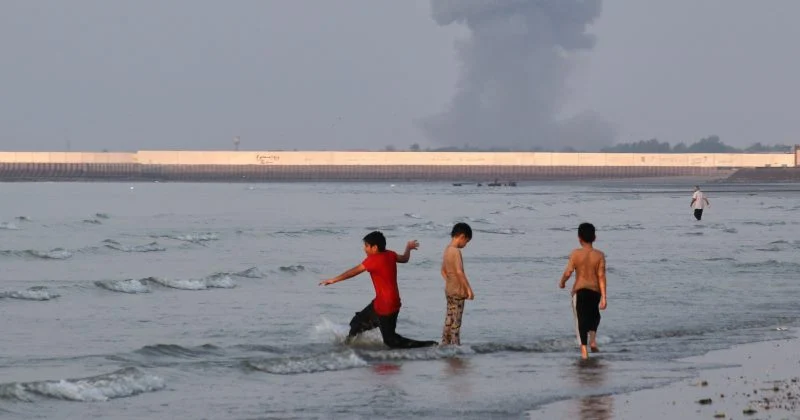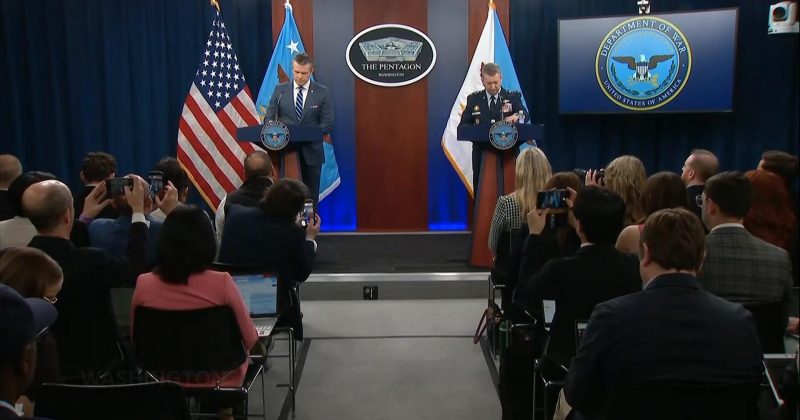
The Pentagon has launched a second wave of airstrikes following Iran’s refusal to engage in diplomatic discussions, as confirmed by the disabling of an Iranian-flagged tanker defying a U.S. naval blockade. This escalation marks a significant intensification in the ongoing conflict, which has seen the collapse of a fragile ceasefire in the region. The U.S. military’s actions, including the use of fighter jets and precision munitions, underscore the heightened tensions and the potential for further military engagements. The blockade, reinstated on July 14, aims to restrict Iranian maritime movements in response to previous hostilities in the Strait of Hormuz.
Key Takeaways
Market pricing suggests that the likelihood of the U.S. announcing an end to the Iranian blockade is decreasing, with recent military actions indicating a more aggressive stance.
The most significant decline is observed in the market predicting an end to the blockade by August 31, with a 10% drop in YES pricing over the past 24 hours.
The escalation in military actions appears consistent with a scenario where the blockade remains in place, as evidenced by the Pentagon’s continued strikes and the disabling of the Iranian tanker.