Although Israel lured the U.S. into a war with Iran by promising a quick and decisive victory, the failure to achieve that has, on the one hand, set in motion internal dynamics within both Israel and the U.S., and on the other hand, begun to strain the relationship between the two countries, which had been described as unshakable.
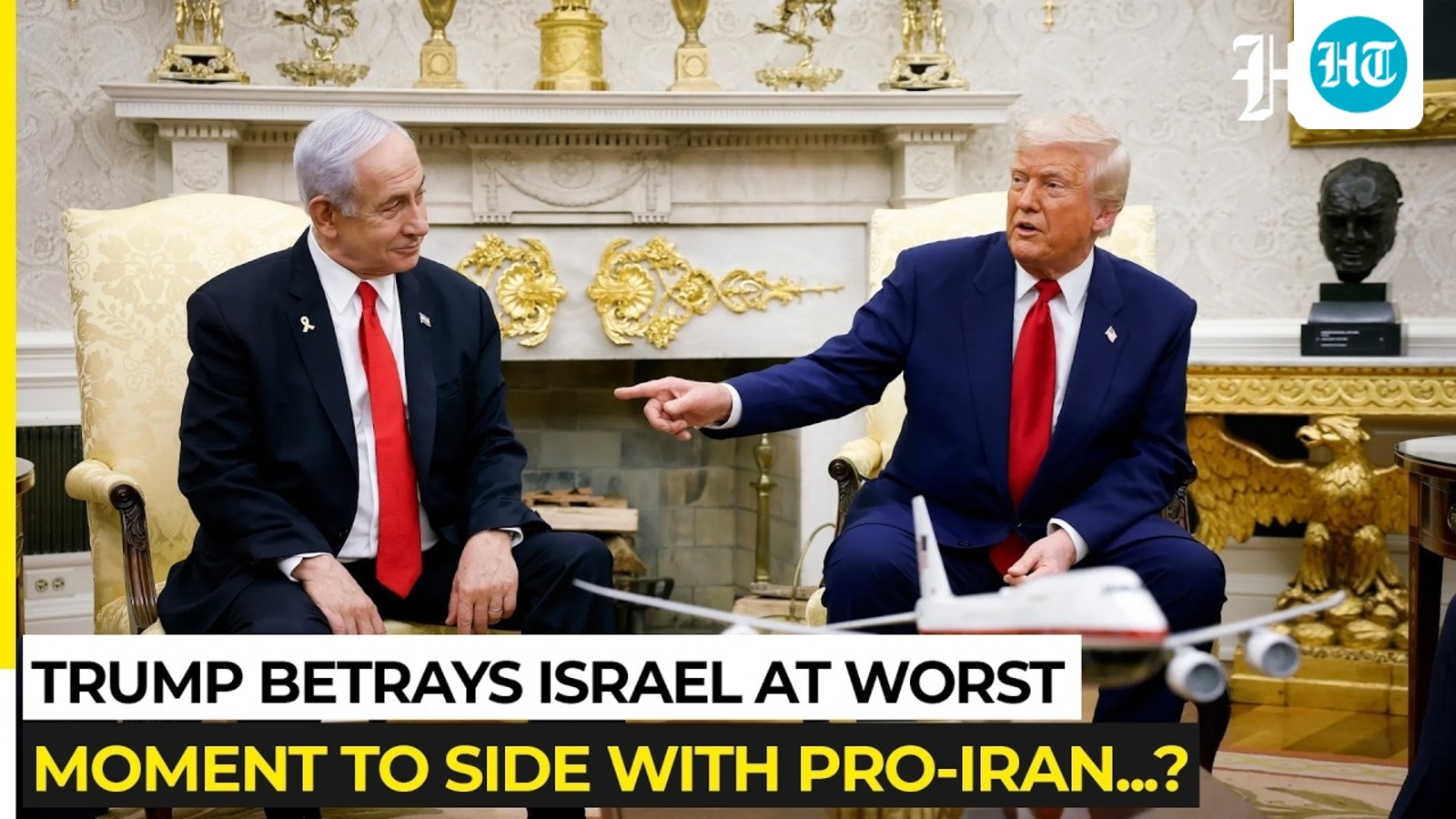
One of the most concrete indications of this was U.S. President Donald Trump’s signing of a memorandum of understanding (MoU) aimed at ending the war with Iran, despite Israel’s opposition, and, in this context, his demand that Israel withdraw from Lebanon.
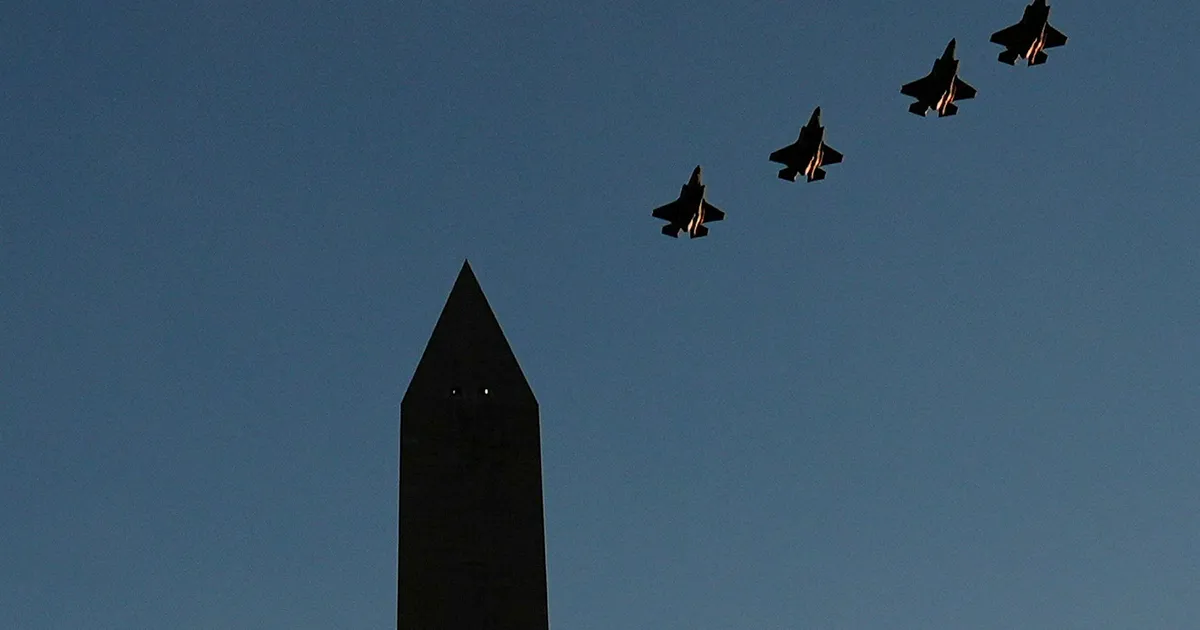
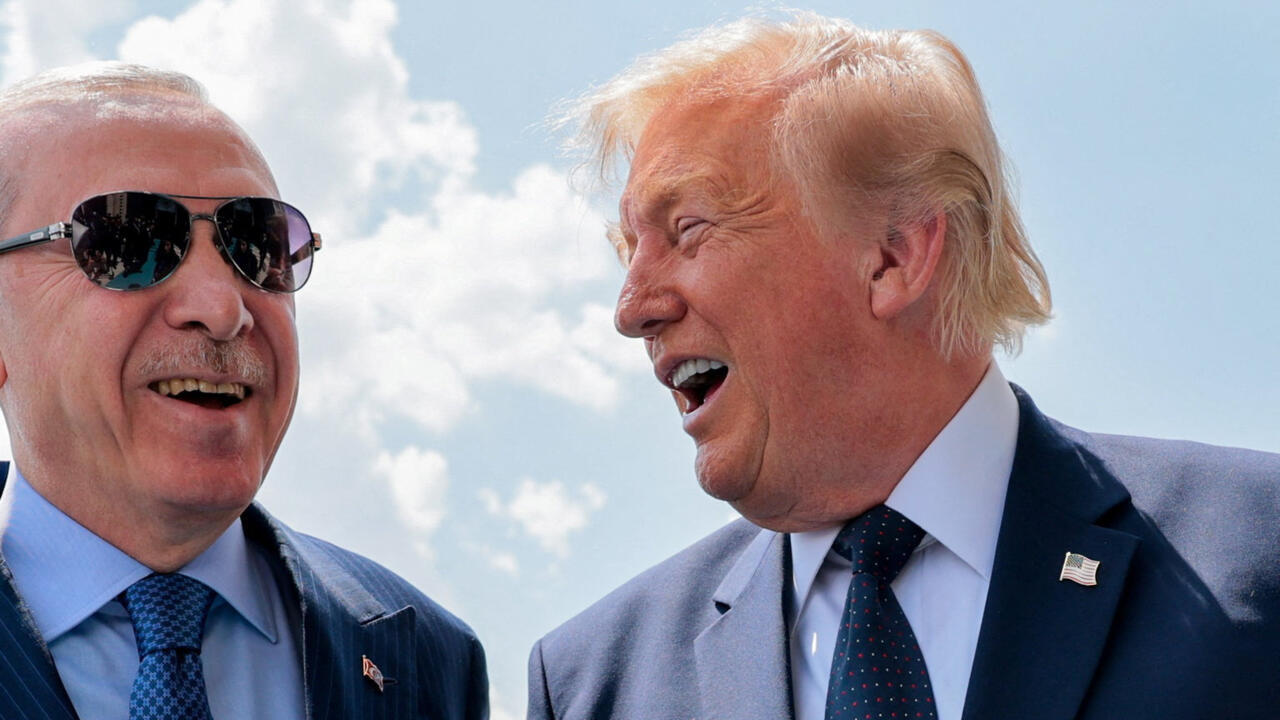
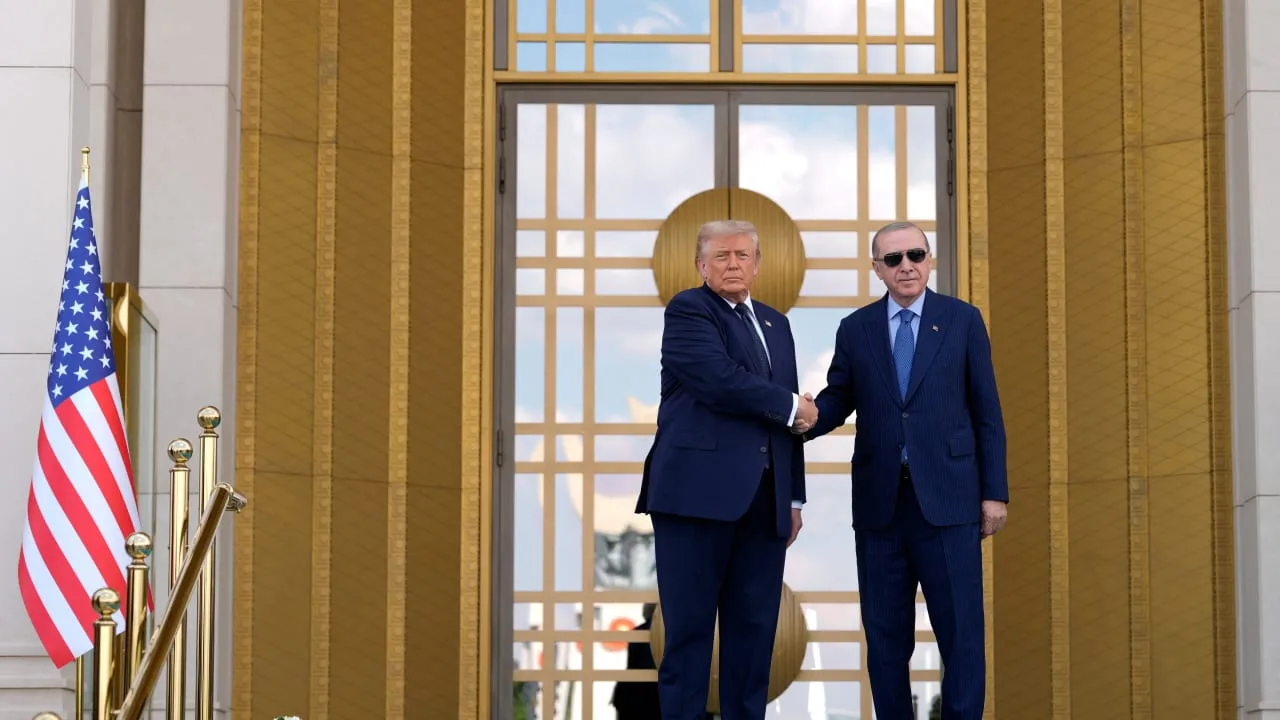
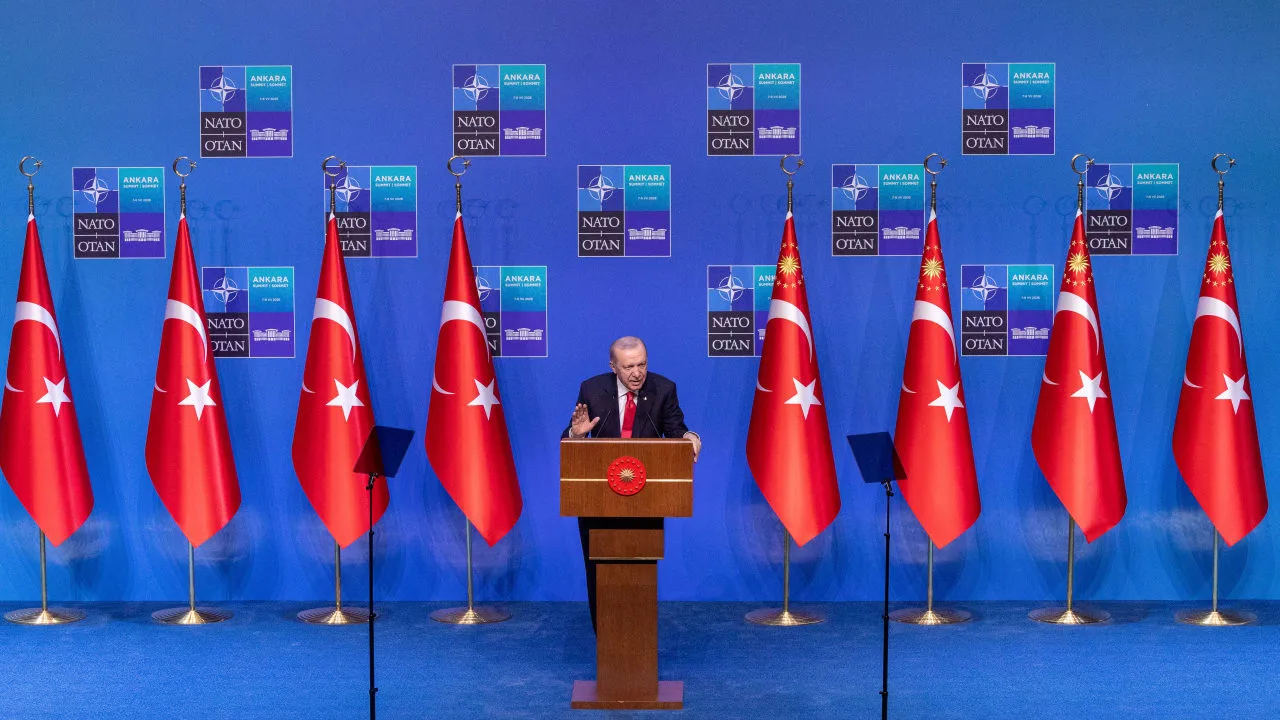
Another indication was Trump's statements at last week's NATO summit in Ankara that the CAATSA sanctions, which had been imposed on Türkiye during his previous term, would be lifted and that F-35 fighter jets could be sold to Türkiye.
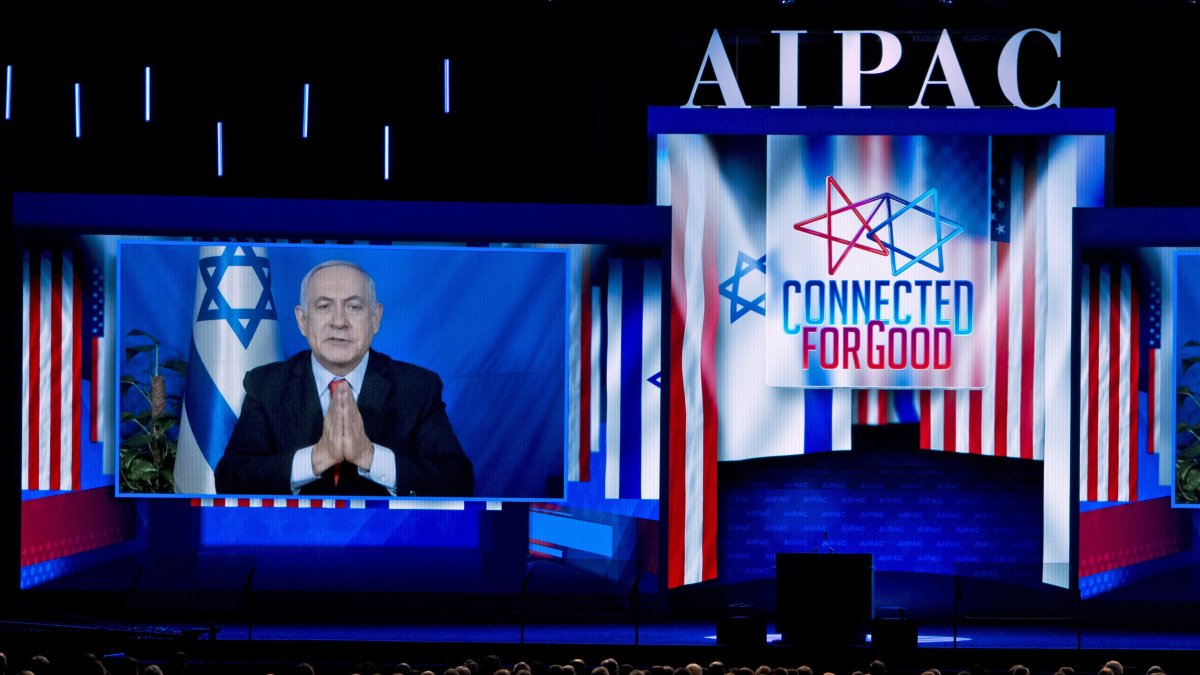
Trump’s statements on this matter have so thoroughly unsettled the entire Israeli political establishment and the Jewish lobby that an intense and irrational campaign has been launched to prevent the U.S. from lifting sanctions against Türkiye and to block the sale of F-35s and F-110 jet engines.
Israel’s role in Türkiye-US crisis