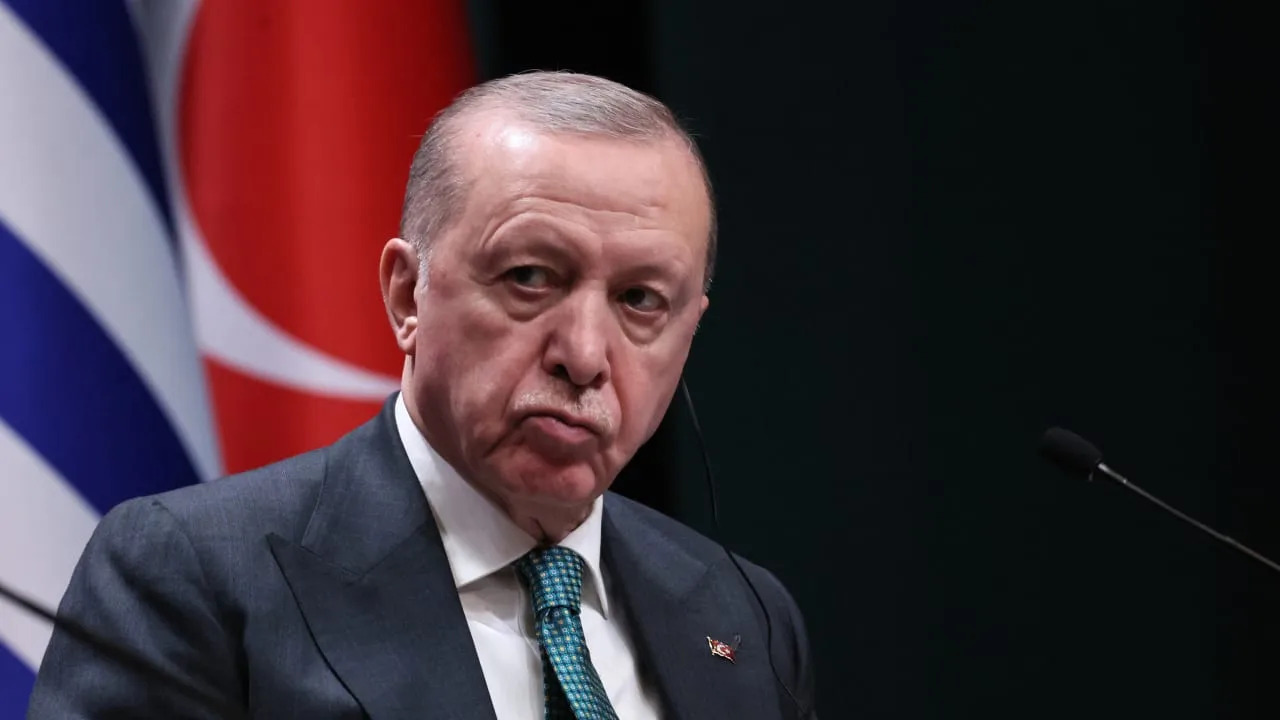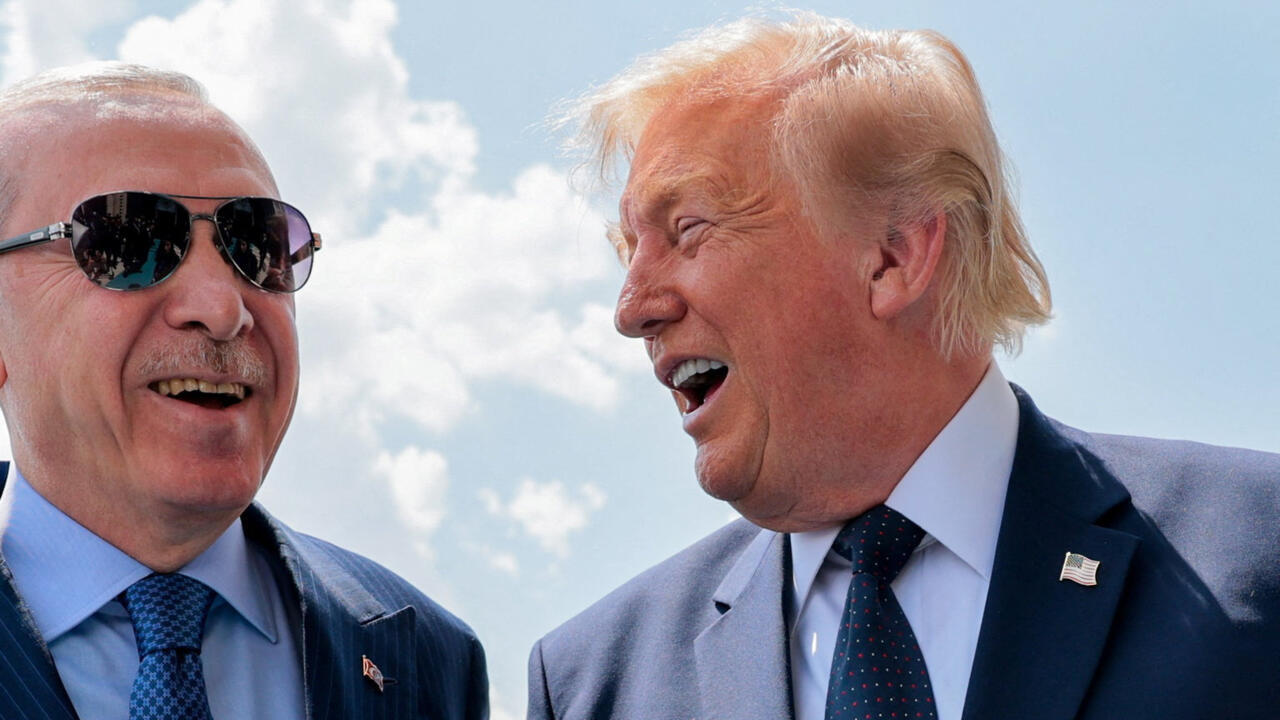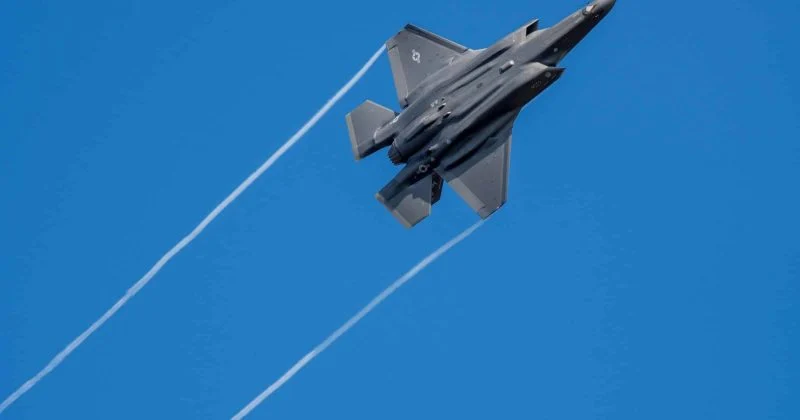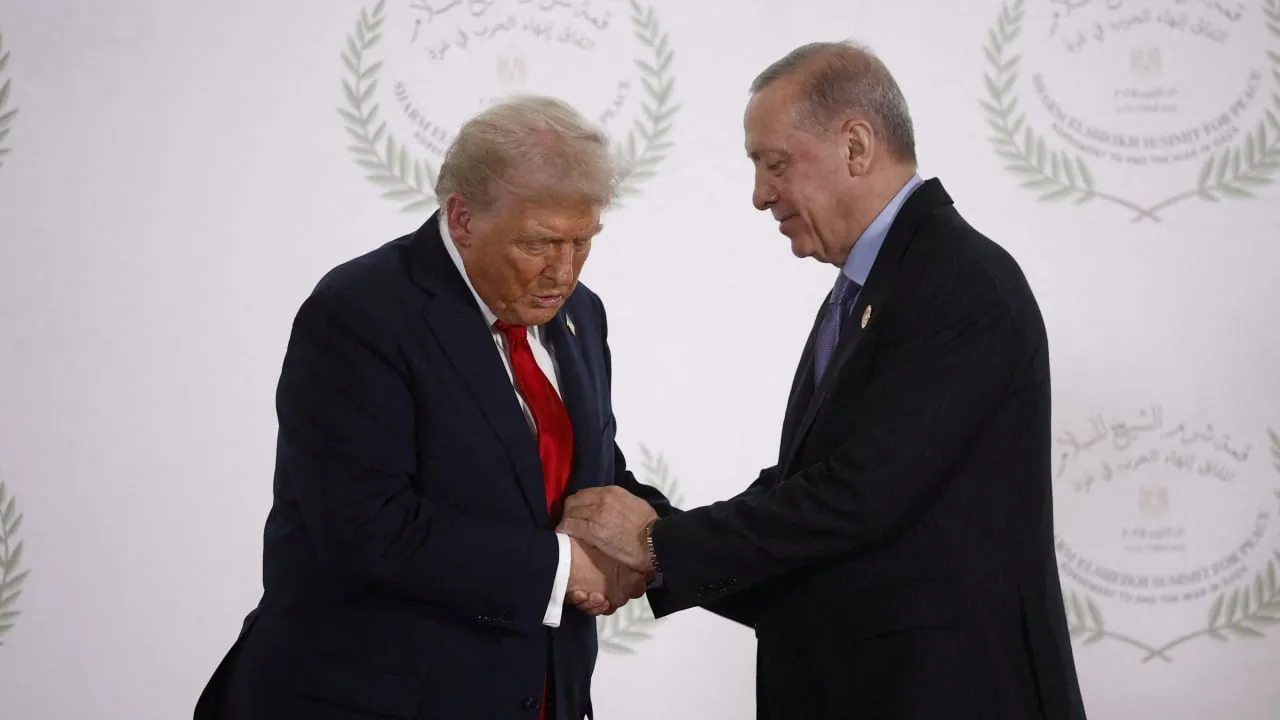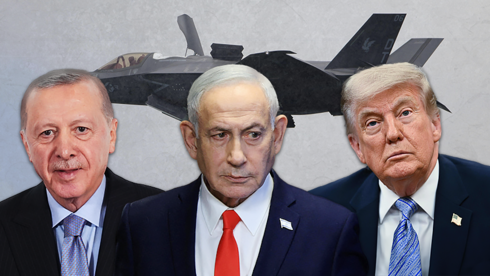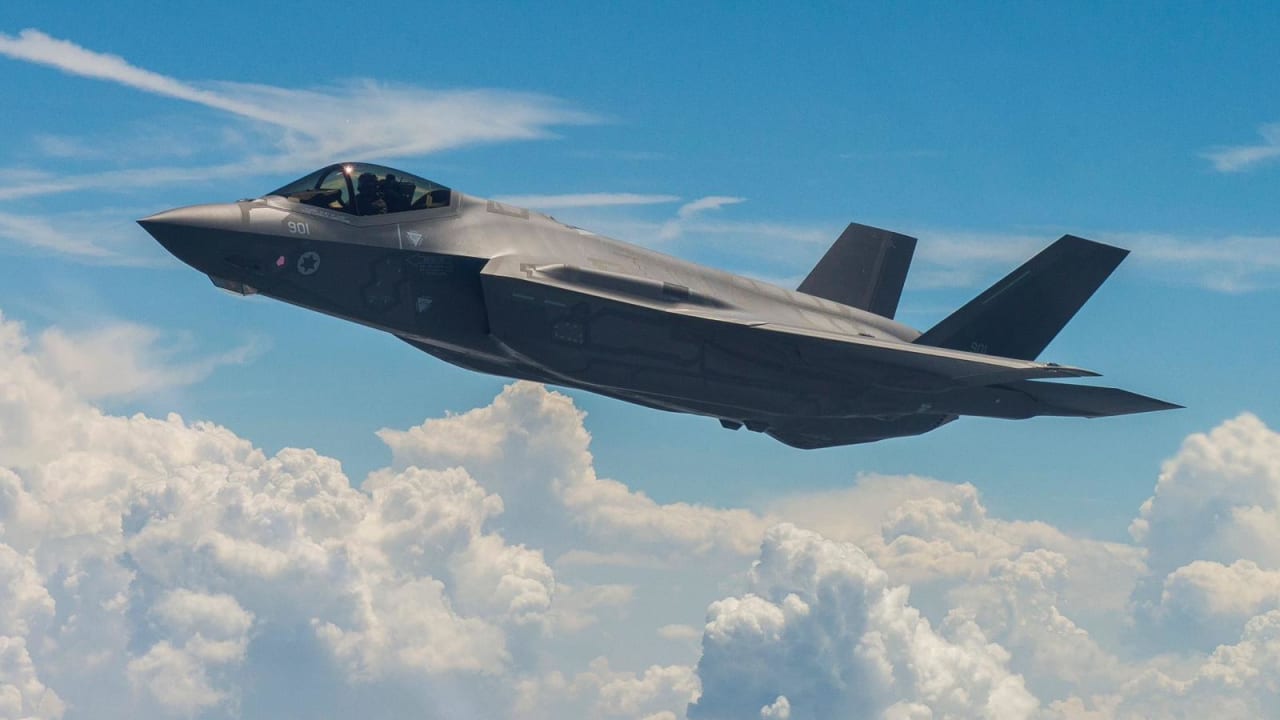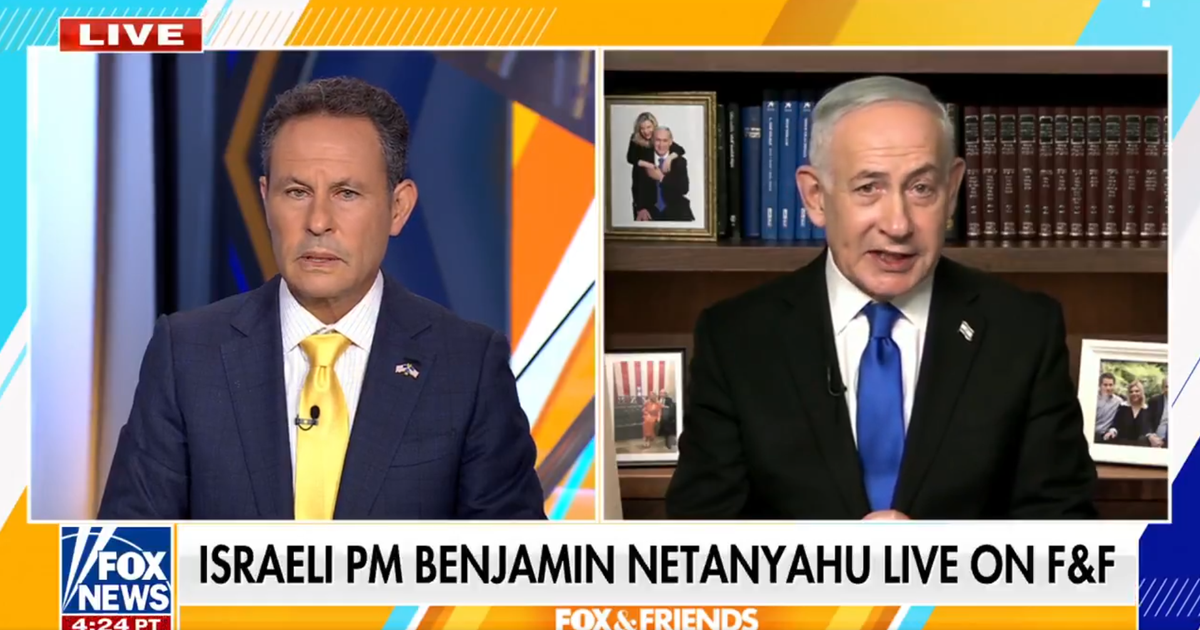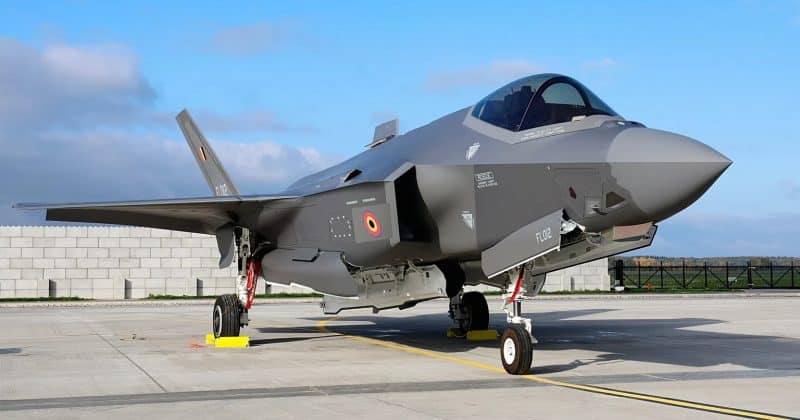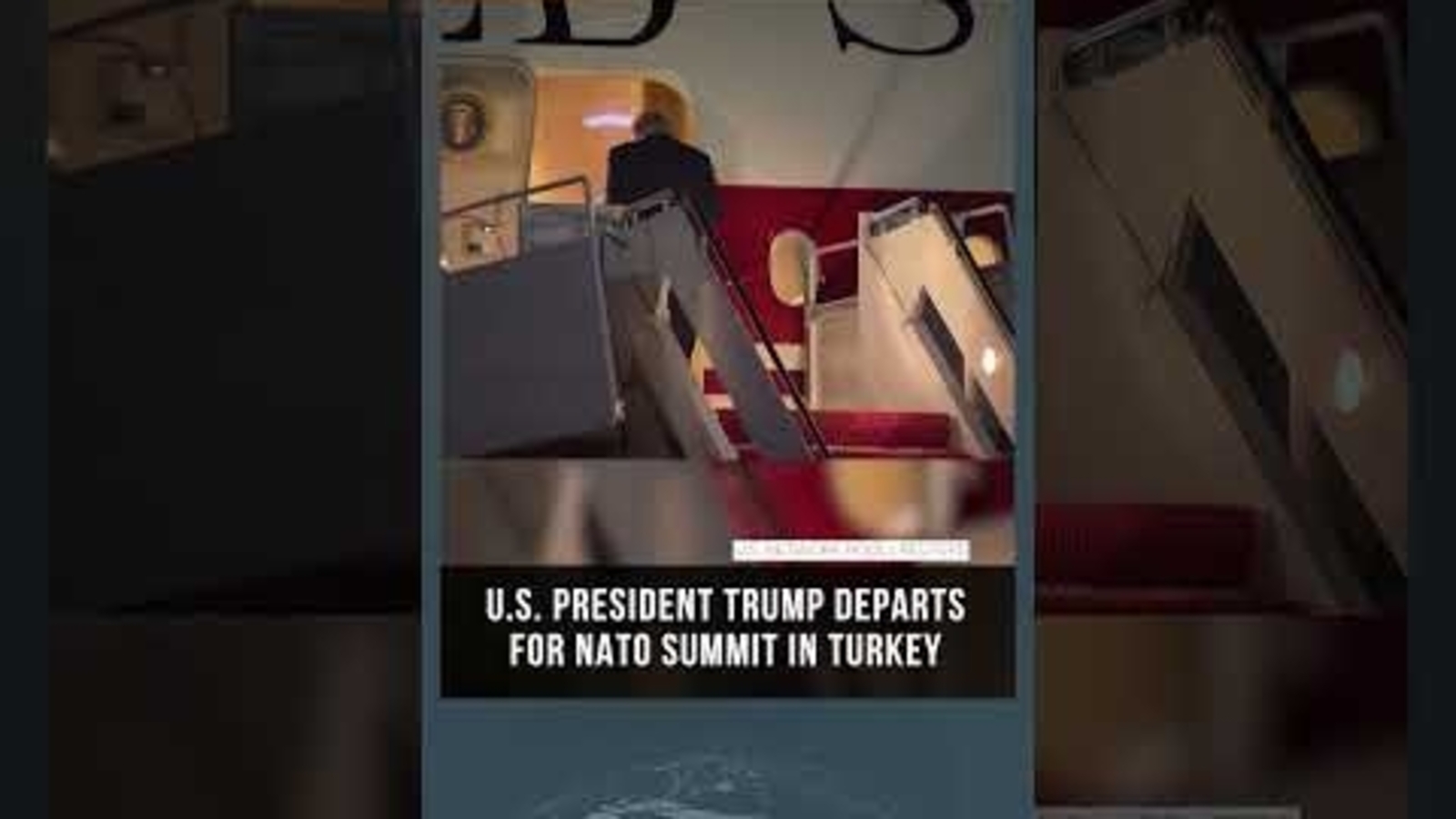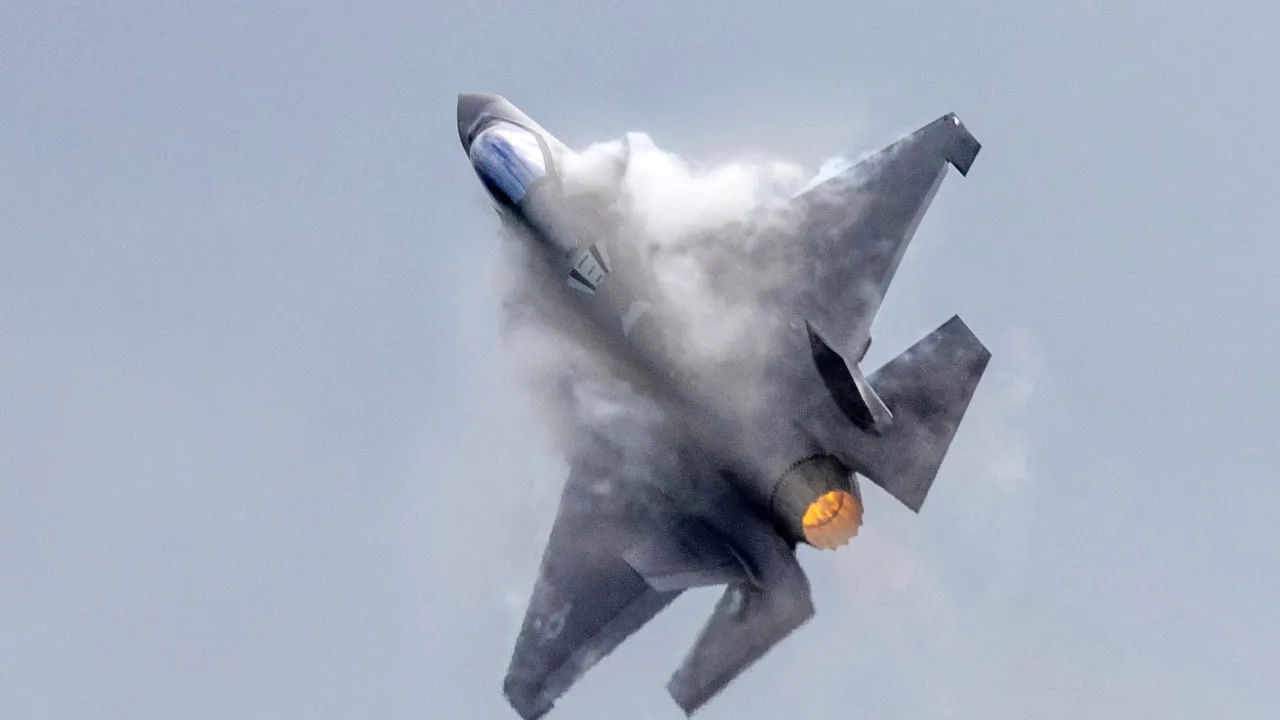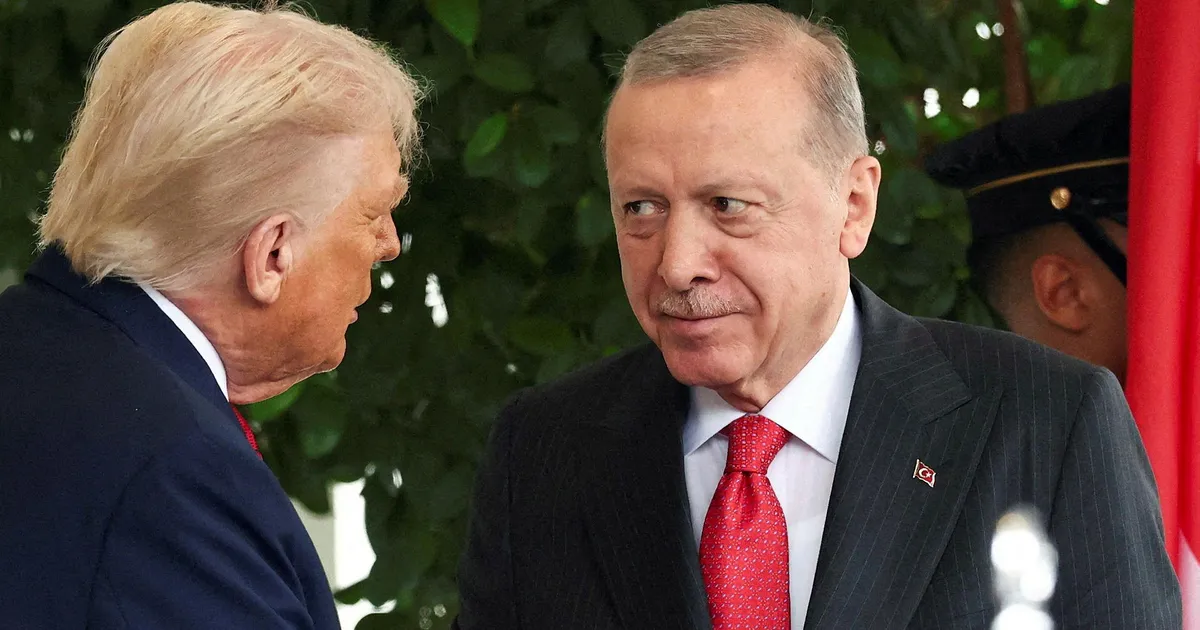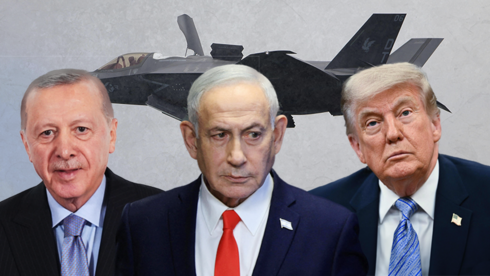
The emerging US plan to sell F-35 fighter jets to Turkey, despite Jerusalem’s objections, signals a possible shift from decades of American policy aimed at preserving Israel’s qualitative military edge in the regionThe United States has always been careful to preserve Israel’s strategic advantage. It was a formal pillar of American Middle East policy under every president. That edge had to be maintained not only against Arab countries receiving U.S. weapons, but also against Turkey.Turkey is a NATO member, but its military is the largest in the alliance after the United States. Washington always saw Ankara as a counterweight to the Soviet Union, and later to Russia, in the Black Sea and eastern Mediterranean arenas. It therefore made sure to provide Turkey with essential weapons, but not with systems that would turn it into the dominant power in the region over Greece, Egypt and Israel, all important U.S. allies.Gallery(Photo: Kent NISHIMURA / AFP, REUTERS/RONEN ZVULUN, AP Photo/Evan Vucci, Pool, File, AP Photo/Suhaimi Abdullah file)The United States also did not want Ankara to become the decisive power within NATO. That is one reason the alliance has not held a summit there in 22 years, and why no U.S. president has visited Turkey in 17 years. Washington long harbored suspicions about Turkey’s stability and the role of its military in politics, and later about its bid to join the European Union while Islamist figures were in power, first Necmettin Erbakan and later Recep Tayyip Erdogan.Now, U.S. President Donald Trump appears to be throwing those considerations aside. He is ignoring the danger to all of Washington’s regional allies and to NATO itself, and is moving to sell Erdogan not only the aircraft, but also the interests of Greece, Egypt and Israel.Just as Trump ignored Prime Minister Benjamin Netanyahu in negotiations with Iran, he is now ignoring him on Turkey. Netanyahu has lost his influence over Trump and suffered a resounding strategic failure.The Middle East gave the world two games that have had a profound impact on humanity: chess and backgammon. What we have seen in recent months is a combination of both. On one hand, long-range strategic thinking. On the other, moves based on luck and tactical success. In both games, Netanyahu seemed to have an advantage, partly because of his many years in office and his claims of deep understanding of both the region and the American arena. But the truth is different.Barak Obama, Joe Biden (Photo: AP Photo/Ronda Churchill, Ethan Miller/Getty Images)In every respect, Netanyahu has lost. He lost against Iran because of the lack of strategic thinking about what would happen after the strike, how the Iranians would defend themselves and how they would use the Strait of Hormuz. Now he is losing against Turkey because he does not understand that Trump is far more drawn to a leader like Erdogan, who provides him with stability and operates exactly as Trump himself would like to operate in the United States, than to someone like Netanyahu.A country that holds F-35s does not necessarily need to use them. In some ways, the aircraft is comparable to an atomic bomb. Israel demonstrated the jet’s lethal effectiveness on the Iranian front. The fact that Turkey may possess such a weapon does not mean it will necessarily need to use it. Sometimes, the advantages it provides against enemies in the arena are enough. This is an astonishing success for Turkey and a very serious failure for Israel.It is possible that Netanyahu made a mistake from the outset by publicly opposing the sale of F-35s to Turkey, because he misread the chances of stopping the move. Had he understood that the effort was expected to fail and that Turkey would receive the planes, he may not have entered the fight.It is important to say that under President Joe Biden, and perhaps also under President Barack Obama, the United States would not have given F-35s to Turkey. Biden understood far better the dangers of disrupting the regional balance, something Trump does not understand at all, even though he removed Turkey from the F-35 program in 2019 and is now expected to bring it back.(Photo: REUTERS/Nacho Doce, Sean Gallup/Getty Images, Shalev Shalom, JACK GUEZ / AFP)The supply of F-35s does not come in a vacuum. It follows Trump throwing Israel under the bus on Iran and losing patience with going all the way because of rising oil prices, his birthday, America’s birthday and the gifts he received from Qatar.Israel now has to assess where it stands against Iran. There are no negotiations. Nothing is happening. The Revolutionary Guards are launching explosive drones at ships in the Strait of Hormuz. They are mocking the Americans. Iran gained tremendously from the whole affair. Trump grew tired of it and moved on to the next game, the World Cup. Soon he may tire of that too and move on to something else. Netanyahu’s request did not go unnoticed in Ankara.“Netanyahu and his partners are deliberately diverting the criticism directed at them and seeking to distract attention through systematic propaganda,” the Turkish Foreign Ministry said Tuesday. “The baseless accusations recently spread by Israeli officials, with calculated timing, are part of a disinformation campaign. These maneuvers no longer convince the international community and cannot conceal the genocide carried out by the Netanyahu government in Gaza.”Foreign Minister Gideon Sa’ar also addressed the initiative to sell the stealth fighter to Turkey and whether it poses a threat to Israel.“I will not speculate on what Trump will say to Mr. Erdogan,” Sa’ar said. “We made clear that we oppose supplying F-35s to Turkey. The prime minister himself said this to Trump. It is critical that Israel, in the region where we live, preserve its qualitative military edge. That has always been U.S. policy, to support that advantage. I am certain that this is the policy of Trump and his administration, which is a very friendly administration. Therefore, I hope it will not happen.”It is hard to assume that the danger here is strictly military. Turkey is not likely to launch a war against Israel and use F-35s against it. The real issue is the regional race for hegemony and the question of which countries are more significant.In that race, Israel had a major qualitative advantage and has now lost it against a very strong and significant rival, one much larger in territory, with a much larger population. Turkey carries considerable weight not only in the Middle East, but also in the Eurasian, Balkan and European arenas, and is a member of NATO. This is not only about Turkey growing stronger. In an inverse relationship, it also makes Israel smaller. Everything that increases Turkey’s power now reduces Israel’s.There is also a collision course between the two countries, and in this context Israel’s recognition of the Armenian genocide appears to have been a problematic act, a small and cheap provocation. It was the last thing Israel needed. It reflected a lack of strategic thinking by the Foreign Ministry and foreign minister, and a failure to understand the significance of the move. It only added fuel to the fire.Tom Barrack (Photo: anwar amro / AFP)In Israel, blame for the F-35 issue is being directed at U.S. Ambassador to Turkey Tom Barrack, whom Israeli officials see as Erdogan’s agent in Washington. Barrack has excellent ties with the Turkish government and is also believed to be thinking ahead to his post-ambassadorial future. He is deeply connected in Lebanon and Iraq and has significant influence on Trump in favor of helping and supporting Turkey.Israel had hoped that “sane” figures in the administration, such as Secretary of State Marco Rubio, would block the sale of F-35s to Turkey given Erdogan’s reckless behavior.Israel strongly opposed supplying F-35s to Turkey, and not only to Turkey, but also to Saudi Arabia. The Israeli message to the Americans was that Erdogan is trying to replace Iran as the most hostile actor toward Israel. Erdogan hosted a conference of imams in Istanbul where participants called for Israel’s destruction, and he himself spoke there. From Israel’s perspective, he is an extremely negative actor.The money reaching Hezbollah and Hamas is Iranian money that passes through Istanbul. Erdogan could stop it, but does not want to.In practice, Erdogan’s behavior runs counter to U.S. interests, and Israel has been explaining this to the Americans: How can Washington outlaw the Muslim Brotherhood while a NATO member itself supports and belongs to the same ideological current?To that must be added Turkish Foreign Minister Hakan Fidan’s recent statement that Israel has become a burden on humanity, a comment that reminded many of the language used by the Nazi regime. The thought that Trump may give F-35s to Turkey two days after that statement is a form of American bankruptcy. Washington did not even bother to condemn it.Israel is likely to ask the Americans, if they do supply this formidable aircraft to Turkey, to ensure that it is less advanced than the fighter jets held by Israel, in keeping with U.S. law designed to preserve Israel’s qualitative military edge in the region.F-35 jets are adapted for each country and pilot. The United States keeps the most advanced versions for itself, while every other country receives a less advanced version. It is possible to keep the aircraft supplied to Turkey, developed by Lockheed Martin, at a lower level than Israel’s jets through the software installed in the aircraft.Hakan Fidan (Photo: Karim JAAFAR / AFP)Such a sale could violate U.S. laws requiring the preservation of Israel’s qualitative military edge, known as QME. The law requires consultation with Israel and compensation, such as upgraded versions of aircraft.Qualitative military edge is a concept in U.S. foreign policy and U.S.-Israel relations. The doctrine guarantees Israel’s military superiority over its neighbors. That edge is achieved through technological and tactical superiority that allows Israel to deter the armies of neighboring states with numerical advantages. The policy is defined and anchored in U.S. congressional law and is considered an essential component of stability and peace in the Middle East.But this arrangement does not include Turkey. In other words, if the United States decides to sell F-35s to Turkey, it ostensibly would not be required to compensate Israel for the damage to its qualitative military edge. It would be required to compensate Israel if the United States carried out major arms deals with Saudi Arabia, Egypt and other countries in the region.Netanyahu is expected to visit Washington soon. If anyone thought he could still torpedo the F-35 sale to Turkey, it is probably too late. The horses have likely already left the stable.Can Netanyahu discuss compensation for such a deal with Trump? It is doubtful whether Trump will be receptive. Netanyahu likely wants mainly to discuss negotiations with Iran and reach an understanding with Trump that the military option will return if talks collapse. From Netanyahu’s perspective, that is the most important issue. Turkey is likely second, if not third or fourth, after Lebanon and Gaza.
Trump’s Turkey gamble threatens Israel’s military edge
The emerging US plan to sell F-35 fighter jets to Turkey, despite Jerusalem’s objections, signals a possible shift from decades of American policy aimed at preserving Israel’s qualitative military edge in the region
1,821 words~8 min read