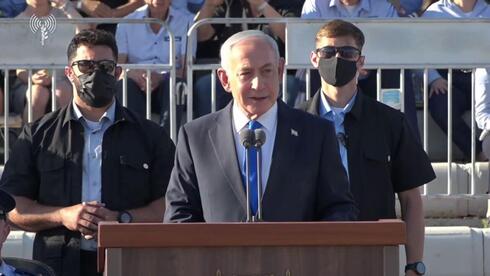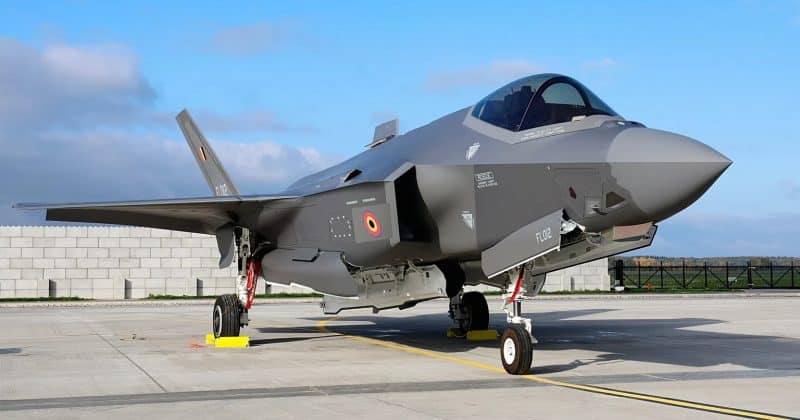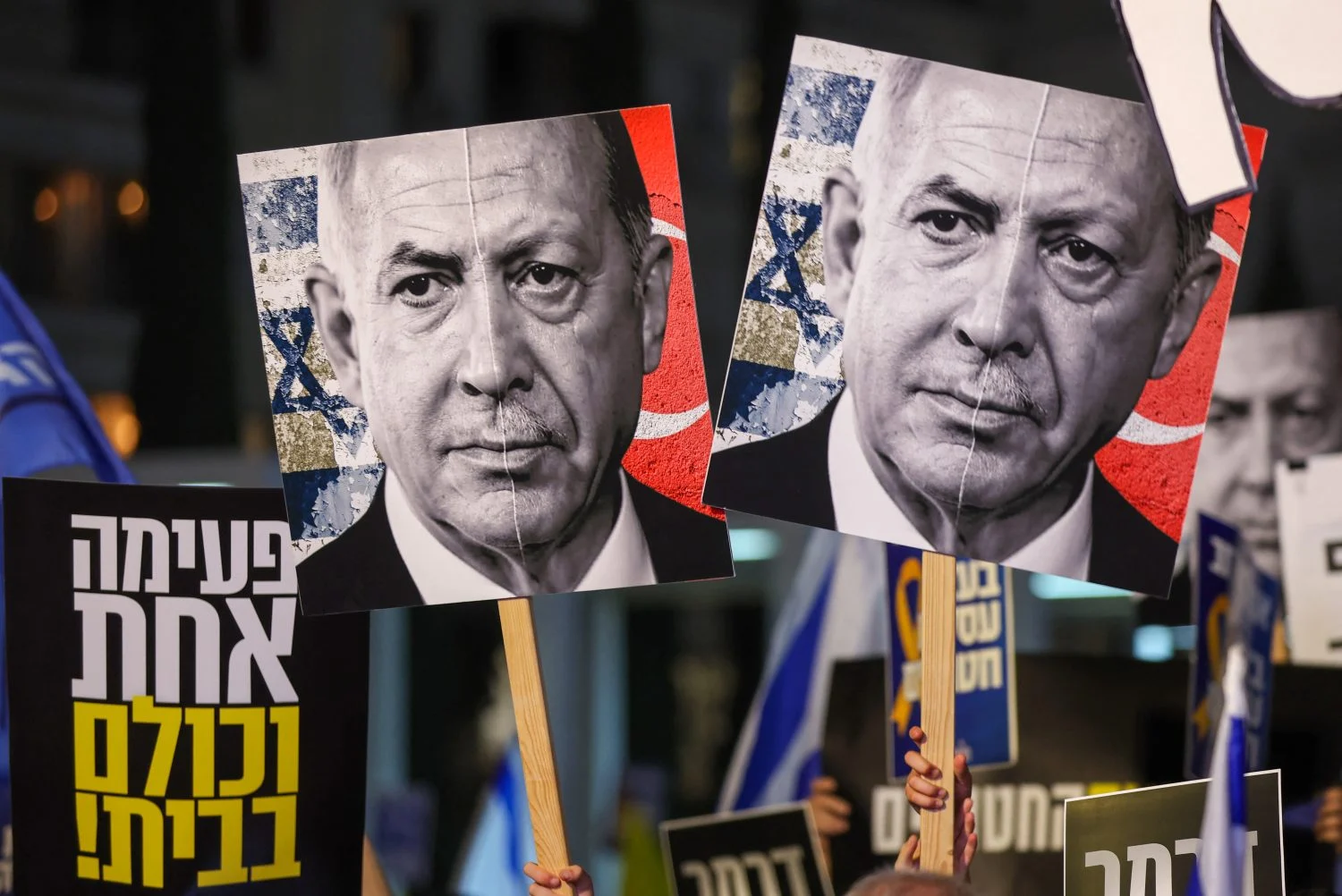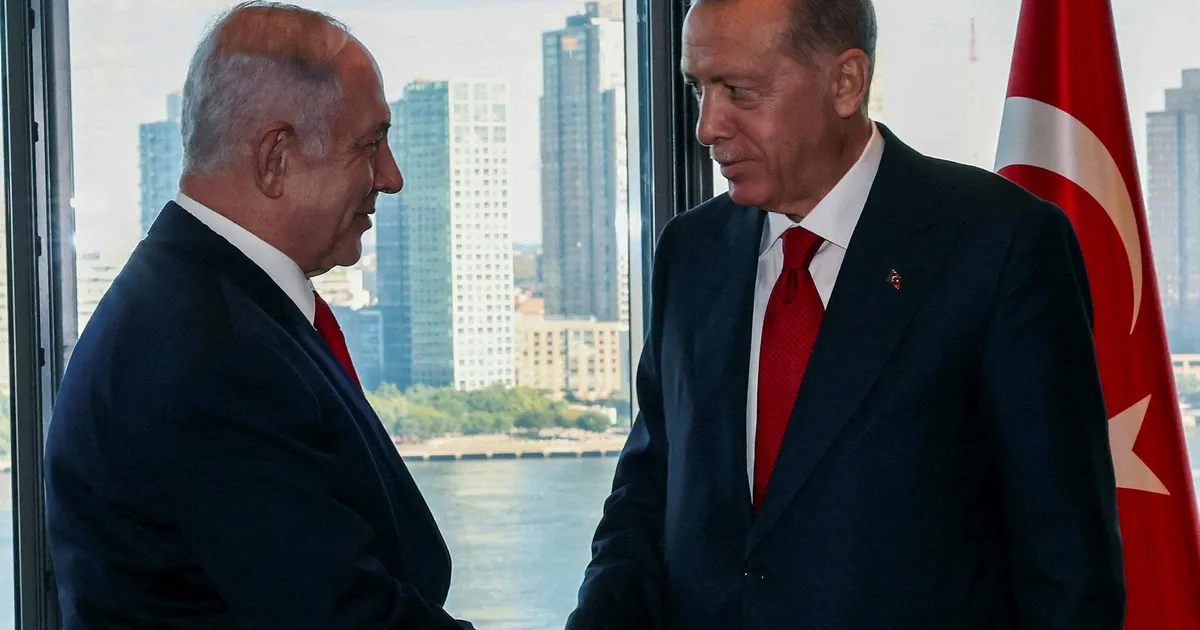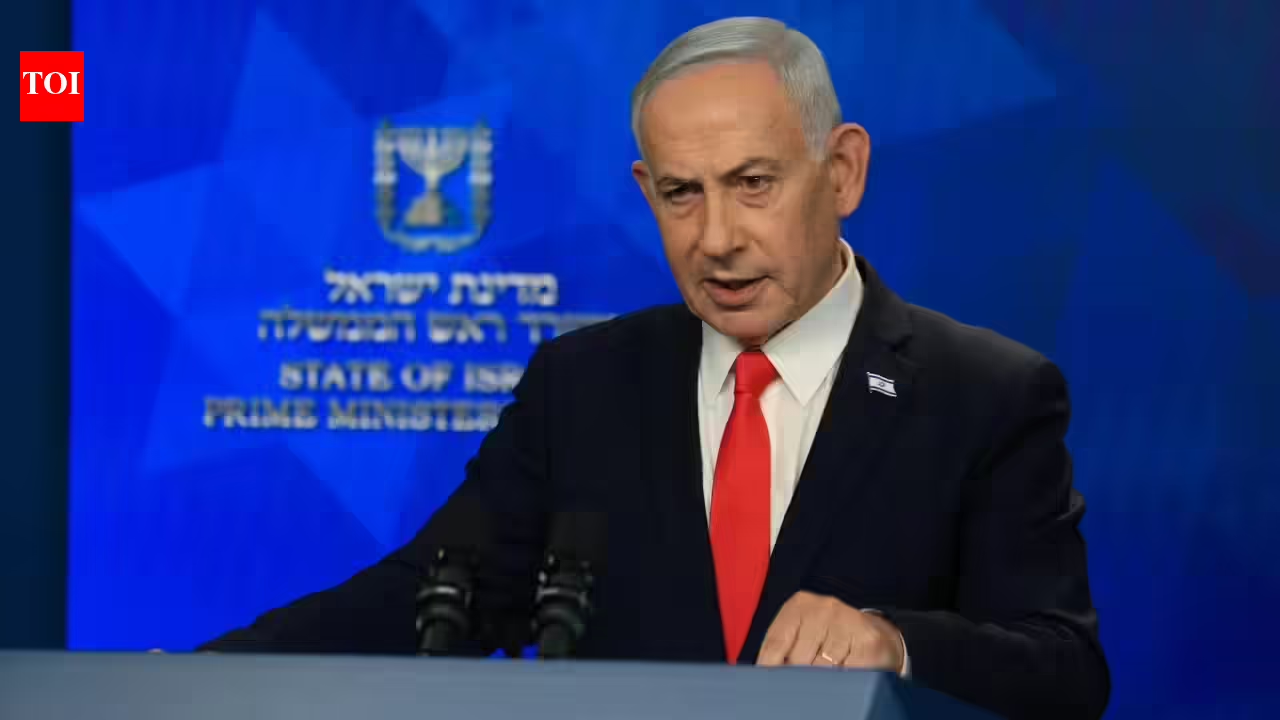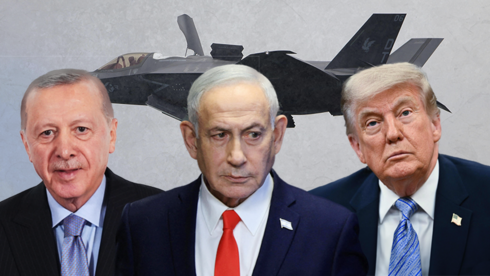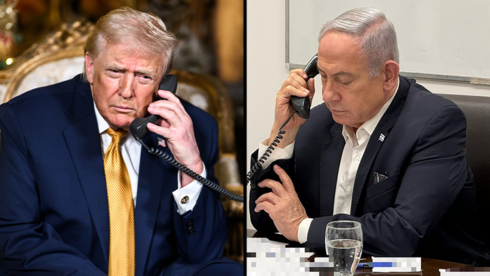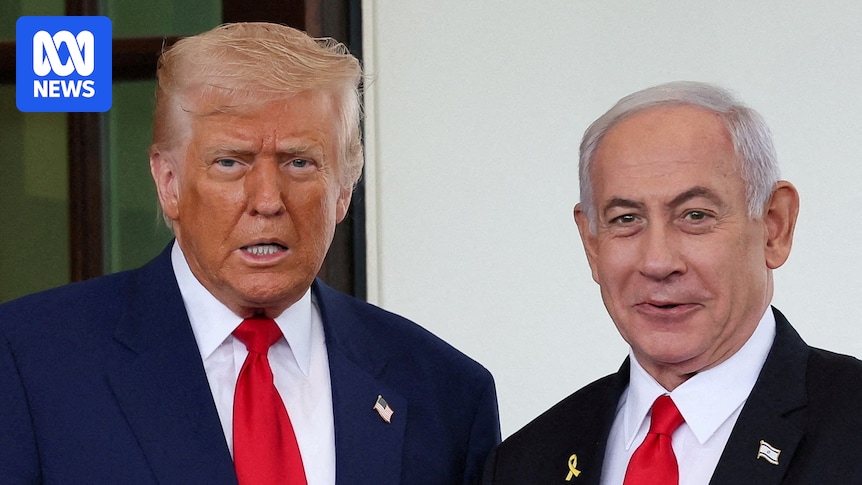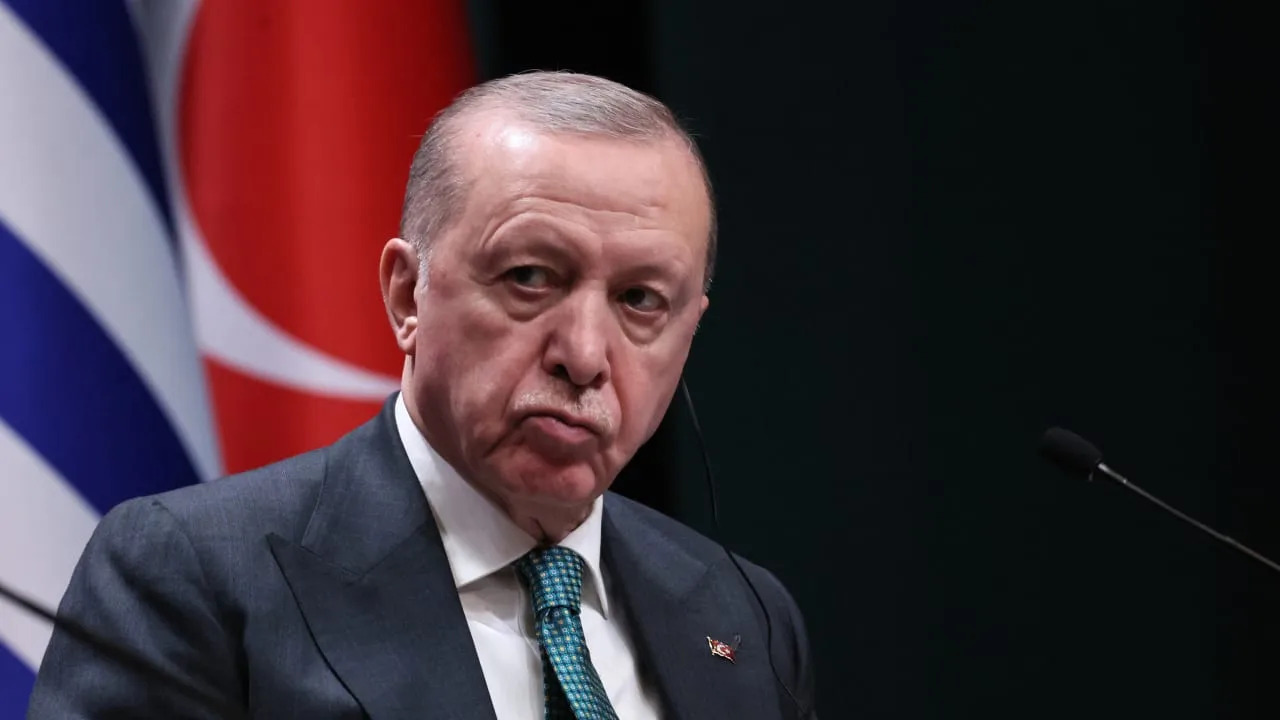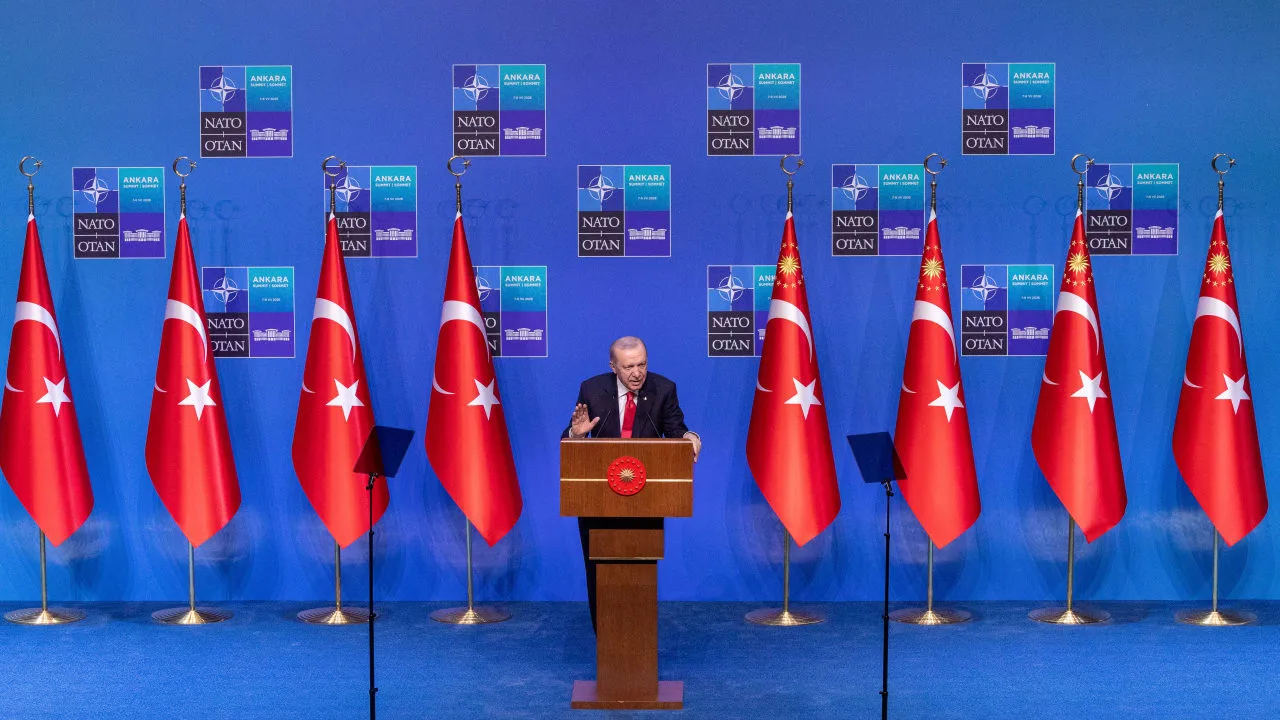
ByHERB KEINONJULY 10, 2026 12:40History, Prime Minister Benjamin Netanyahu said in a recent Channel 14 interview, “teaches that when one regional power declines, another rises. Our task is to make sure Israel continues rising faster than anyone else.”This explains why Netanyahu launched a public campaign in the US this week against President Donald Trump’s apparent willingness to sell the state-of-the-art F-35 fighter to Recep Tayyip Erdogan’s Turkey, the state now furiously jockeying to replace Iran as the region’s dominant power.Indeed, with the sun setting on Iran’s regional hegemony, despite diplomatic missteps that let Tehran off the ropes before a knockout blow, its military capabilities and web of regional proxies have been severely degraded, the sun is rising on Turkey’s ambitions.Already entrenched in Syria, steadily expanding an indigenous defense industry capable of producing sophisticated drones, naval vessels, and eventually advanced fighter aircraft, and seeking a foothold in Gaza, Ankara increasingly appears intent on filling the regional vacuum Iran leaves behind.PRIME MINISTER Benjamin Netanyahu told CNN that Turkey ‘has aggressive aspirations,’ ‘is not a force for peace and security,’ and F-35 planes in its hands would ‘destroy the power balance’ in the region. (credit: SAUL LOEB / AFP via Getty Images)Turkey is interested in surrounding Israel with a Sunni ring of fireAs former national security adviser Giora Eiland observed this week, Iran sought to surround Israel with a Shi’ite ring of fire. Turkey, he warned, increasingly appears interested in building a Sunni one.That explains why Netanyahu went on American television networks to lobby publicly against an administration policy still under consideration. If Iran’s decline is creating a regional vacuum, Israel fears Turkey is positioning itself to fill it, and that American F-35s, coupled with Trump’s embrace of Erdogan, might help it do so.Trump, however, sees matters much differently.Standing beside Erdogan during the NATO summit, the president again spoke warmly of the Turkish leader. “I like Erdogan,” Trump said. “He’s an extraordinary leader.”Netanyahu, on CNN, disputed that assessment. Erdogan’s Turkey, he said, “has aggressive aspirations,” “is not a force for peace and security,” and F-35 planes in its hands would “destroy the power balance” in the region.A day later, Trump appeared to temper his remarks, saying no final decision had yet been made regarding the aircraft.The fact that Trump appeared to soften his position only a day later suggests the proposal may already have encountered headwinds in Washington. Netanyahu’s intervention appears designed not to create those headwinds, but to make them considerably stronger. If the decision is still reversible, now is the moment to mobilize opposition.The issue is sufficiently important for Netanyahu to do something he has generally avoided doing with Trump as president: publicly take issue with one of the president’s policies in an attempt to get it overturned. This is no trifling matter.Trump has repeatedly emphasized his close relationship with Erdogan.Indeed, he has gone even further, portraying himself as the man who prevented Turkey from entering the recent war against Iran on the opposite side.“He could have gone into the war,” Trump said. “He didn’t because of me.”Why the president would want to sell state-of-the-art weaponry to a leader who he himself said had contemplated joining a war against the United States and Israel is almost beside the point. The point is that Trump has made clear both where he stands and what he wants.Netanyahu willing to take on 'the boss'Netanyahu “knows who the boss is,” Trump said on Saturday. That might be the case, but Netanyahu showed this week that he is willing to take on “the boss” over an issue that he deems cardinal to Israel’s security: preserving qualitative military superiority over any potential regional rival.“Turkey is a great country, but it is governed by a man who openly calls for the annihilation of Israel,” Netanyahu said on Fox News, adding that it occupies half of Cyprus and regularly threatens Greece.Netanyahu continued: “[Erdogan’s] foreign minister, his number two, has said that the Jewish state has no place among humanity and, essentially, has to be wiped out. His interior minister has said that he looks forward to becoming the governor of Jerusalem. This is a regime infected by the Muslim Brotherhood, an extremist movement that hates America and chants ‘Death to America’ from that side [the Sunni side] of the [Islamic] ideological spectrum.”Selling them the F-35s or engines for their own fighter planes, he argued, would upset the balance of power in the Middle East, which is “ultimately guaranteed by Israel’s air superiority.”Those are fighting words. Not so much against Erdogan, Netanyahu has minced no words in the past when it came to what he thinks of Turkey’s president, but against a Trump foreign policy objective.But here Netanyahu, at least at the start of the battle, appears to be doing what military strategists caution against: fighting the current war with the playbook from the last one.In previous clashes over US foreign policy, Israel’s strategy was to appeal over the administration’s head to Congress and the American public, where for decades it could count on broad bipartisan support.When Yitzhak Shamir battled President George H.W. Bush over loan guarantees in the early 1990s, he sought to take his case directly to Congress. When Netanyahu fought Barack Obama’s nuclear agreement with Iran two decades later, he again appealed over the administration’s head, making his case directly to the American public and to lawmakers on Capitol Hill.Neither effort ultimately succeeded. Shamir lost the loan guarantee battle. Netanyahu failed to stop the Iran nuclear agreement, and that was when public opinion and Congress were more favorably disposed toward Israel than they are today.At first glance, Netanyahu appears to be returning to a familiar tactic: use American television to appeal directly to the US public, hoping to build enough political opposition on Capitol Hill to block, or at least complicate, the administration’s plans.But this time there is one crucial difference. Although Israel no longer enjoys the level of public and congressional support it could count on during those earlier battles, it may not have to fight this battle alone.Why not? Because Turkey’s ambitions are hardly viewed with alarm only in Jerusalem.Israeli Air Force F-35s seen arriving to an Israeli base, on March 15, 2025 (credit: IDF SPOKESPERSON'S UNIT)Turkey threatens regional, Mediterranean, stabilityFor Greece, Ankara’s increasingly assertive posture is reflected in repeated airspace violations over the Aegean and long-running disputes over maritime boundaries. For Cyprus, it is embodied in Turkey’s continued occupation of half of the island. For Armenians, opposition to a stronger Turkey is rooted in the national trauma of the Armenian Genocide and Ankara’s continued refusal to acknowledge it.The reasons differ. The conclusion does not: Turkey should not emerge from the current regional upheaval significantly stronger militarily.That convergence matters because Washington is influenced not only by governments but also by constituencies.The American Israel Public Affairs Committee is by no means the only influential lobby in Washington. Greek-American organizations have spent decades mobilizing congressional opposition to Turkish policies toward Greece and Cyprus. Armenian-American organizations have done the same over the Armenian Genocide.With characteristic arrogance, Erdogan, at the closing press conference ending the two-day NATO summit, dismissed objections to the sale registered by Netanyahu and Greek Prime Minister Kyriakos Mitsotakis. These objections, he said, “have no place in my world.”They should. The question is not whether Israel can defeat the sale alone. It is whether several different constituencies, approaching the issue from entirely different directions, can together create sufficient political resistance to scuttle the sale.Interestingly, but by no means coincidentally, Netanyahu’s offensive against the sale comes just a couple of weeks after the cabinet voted to recognize the Turkish slaughter of Armenians at the onset of World War I as a genocide.Why now, after so many years? many asked.The conventional answer was that relations with the Israel-baiting Erdogan had deteriorated to such a low point that there was no realistic prospect of salvaging them. If that was the case, Israel had nothing left to lose by recognizing the genocide and little reason to remain concerned about Turkish sensitivities.Seen within the context of the F-35 debate, however, there may be another layer to the timing of the Armenian Genocide recognition: what diplomats sometimes call “weaponizing history,” using historical memory in pursuit of political or military objectives.The target audience here was not Erdogan. This was not Israel trying to get back at the Turkish leader for his implacably hostile rhetoric and actions. The audience was Washington.Whether that was the government’s intention or merely a by-product, recognizing the Armenian Genocide has the effect of placing Israel alongside one of Washington’s oldest and best-organized ethnic lobbying communities. By recognizing the genocide, Israel is aligning itself with a powerful domestic constituency, most notably Armenian-American organizations, that have long opposed strengthening Turkey militarily.The move also reinforces efforts by Israel and organizations already opposed to the sale to portray Turkey as an erratic, unrepentant human rights violator that cannot be trusted with fifth-generation stealth technology.In addition, Congress has already passed a legally binding law barring Turkey from receiving F-35s due to its purchase of the Russian S-400 missile system, and the powerful Greek lobby can help use this to deflate the sale. It is unlikely to be a coincidence that a joint resolution to block a $700 million sale of jet engines for Turkey’s homemade fighter plane was introduced last month by Dina Titus, a prominent Greek-American lawmaker from Nevada and a leading voice in the Hellenic Caucus.Netanyahu has spent years developing an alliance in the Eastern Mediterranean with Greece and Cyprus as a way to counterbalance Turkey. Cooperation between the countries also translates into cooperation between lobbying organizations in Washington.Clearly, Israel is increasingly worried about Turkey’s strength and ambitions. But, as Eiland said this week in his radio interview, “complaining is not a work plan.”His point was that Israel cannot simply warn about Erdogan’s ambitions and hope Washington reaches the same conclusion. It needs partners. And in this case, it actually has some.If Netanyahu is right that the Middle East is entering a post-Iran era, then stopping the F-35 sale is not the end of the story. It is merely the opening battle in what could become Israel’s defining strategic competition over the next decade.Follow us on Google
Turkey emerges as Israel's biggest strategic threat while Iran fades | The Jerusalem Post
DIPLOMATIC AFFAIRS: Netanyahu’s campaign against selling F-35s to Ankara reflects a growing conviction in Jerusalem that Turkey is shaping up to be Israel’s principal long-term challenge.
1,695 words~8 min read