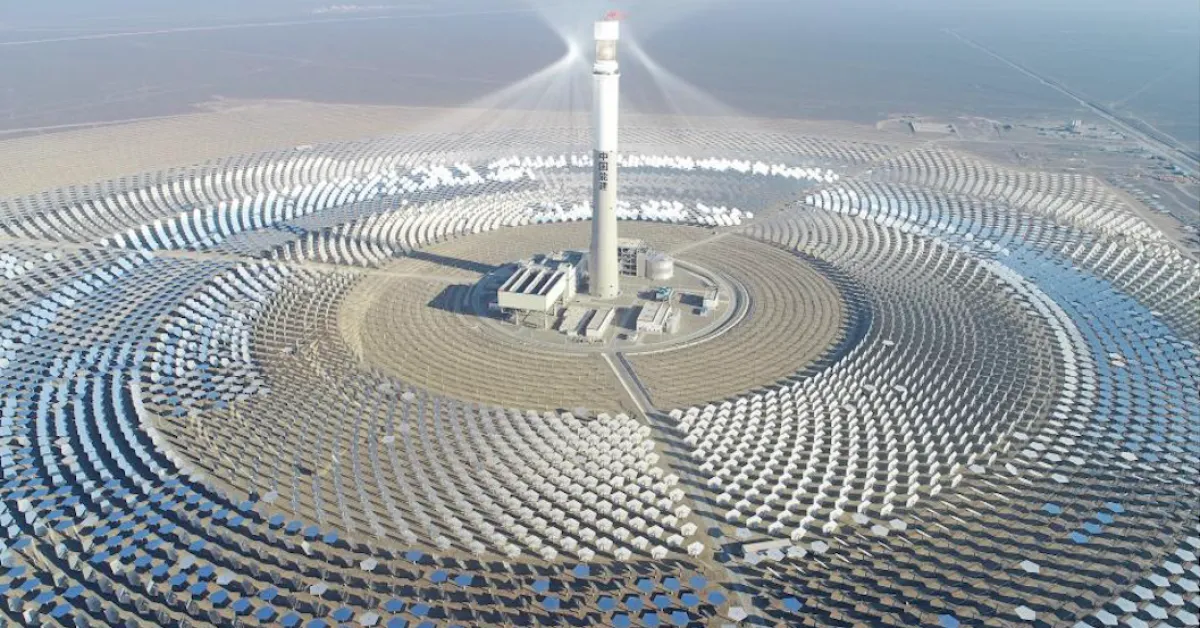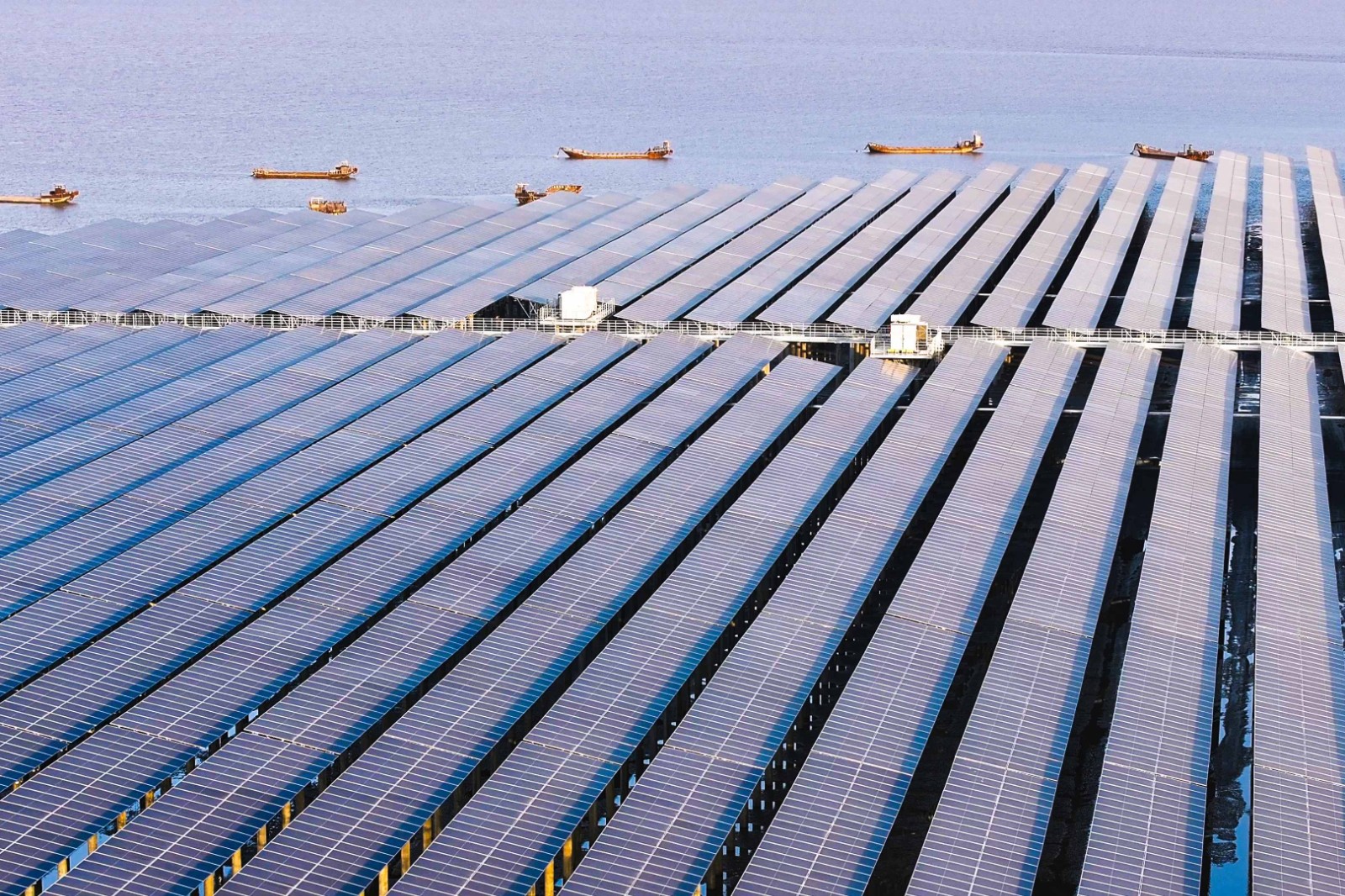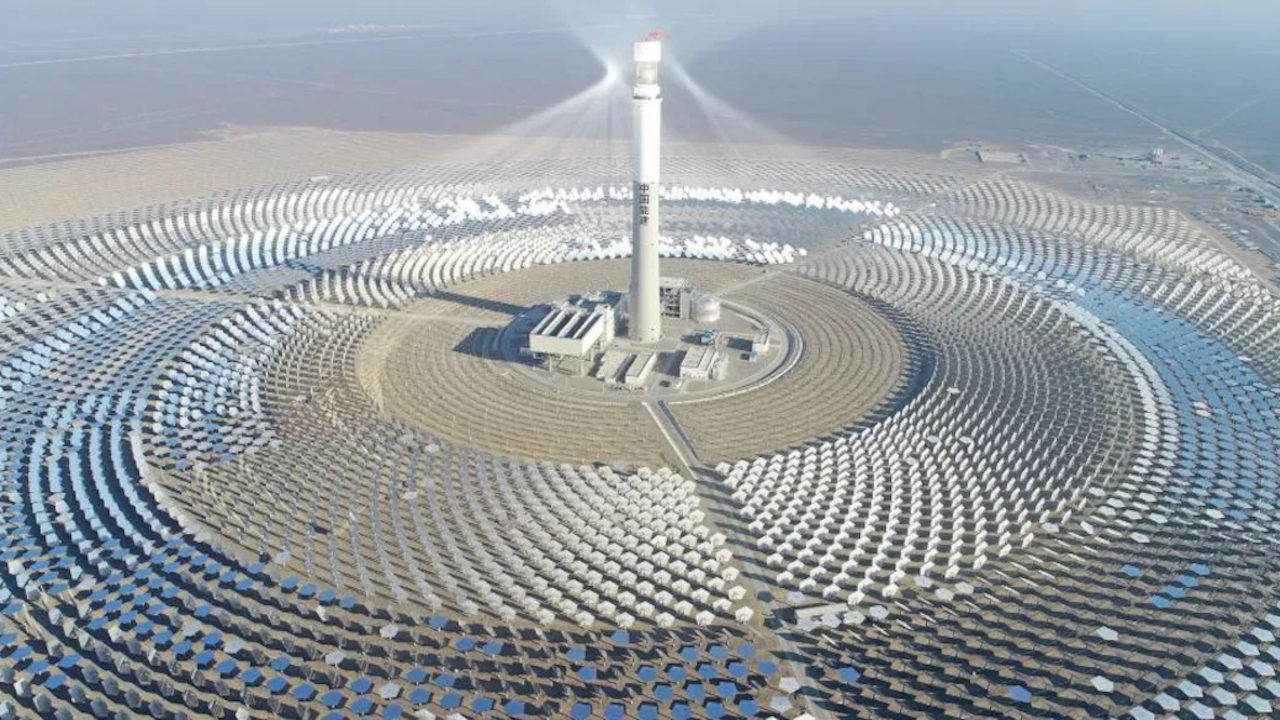
The face of energy security is changing. Historically, fossil fuels have represented security thanks to their established supply chains and round-the-clock production potential, while renewable energies represented risk and variability. But that equation is reversing as consecutive global oil shocks throw the fossil fuels industry into turmoil and energy storage systems make wind and solar more dependable options at any time of day.The offensive in Iran, led by the United States and Israel, has led to a near-total blockage of the oil industry’s most important artery. Since March, one-fifth of the world’s crude oil and gas trade has been choked off in the Strait of Hormuz, causing volatility in global oil prices and creating an especially potent threat in Asian markets, which were the primary buyers of oil and gas coming out of the Strait. In this context, the relative benefits of renewable energies have become increasingly evident on a global scale.“Wind and solar cannot be embargoed, blockaded, or shut off by a foreign power,” David Frykman, General Partner at Stockholm-based venture capital group Norrsken, wrote in an op-ed for Fortune earlier this year. “Every terawatt-hour of domestic renewable generation is a terawatt-hour that no adversary can weaponize.”Set OilPrice.com as a preferred source in Google here.The only problem is that solar and wind energy are variable, meaning that they only produce electricity when the sun is shining and the wind is blowing, unlike baseload power sources that can produce around the clock, and are easily manipulated to follow demand curves. Unfortunately, demand is often at odds with peak solar and wind production hours. This makes energy storage, which captures surplus energy at peak production hours and then releases it back onto the grid when demand outstrips supply, an absolute necessity for renewable-dependent energy systems.As a result, demand for hybrid energy-plus-storage systems has skyrocketed worldwide, in countries both rich and poor, big and small. Unsurprisingly, China is leading the charge when it comes to scale and speed of rolling out the relatively new technology. The China Three Gorges Corporation (CTG) is currently putting the finishing touches on the world’s biggest hybrid solar power plant in the Gobi Desert, where the system has officially connected to the grid and commercial trial operations have just begun as of this month.The massive 1-gigawatt (GW) facility located in Xinjiang, northwest China uses standard photovoltaic solar panels as well as concentrated solar power and an energy storage system in the form of a molten salt thermal battery, which can store energy for up to eight hours overnight. This allows the plant to continue generating electricity even after the sun has set.At present, the vast majority of solar-plus-battery systems rely on lithium-ion batteries. The fact that the CTG plant does not use lithium-ion batteries therefore marks a major step forward for alternative and long-duration battery storage solutions. Lithium-ion batteries are energy-dense and can perform well in a wide range of temperatures, making them an ideal choice in many ways for energy storage. However, relying on lithium also presents key challenges. There are significant environmental, economic, and geopolitical drawbacks to sourcing and relying on the ‘white gold’. Plus, lithium-ion batteries can only hold onto energy for a maximum of about four hours, presenting a key challenge for achieving energy security throughout all hours of the day and seasons of the year.“Lithium batteries are designed for short-duration peak shaving, while PV systems only produce power during daylight hours. CSP thermal storage stands apart with its large capacity, long discharge cycles, and zero operational emissions,” Niu Jianle, project director of the CTG Hami project, was recently quoted by Interesting Engineering. He went on to refer to the system’s commercial trial operations as “a landmark leap, bringing the technology out of laboratory research and into large-scale commercial rollout.”Chinese companies are clearly bullish about the technology’s potential as a cornerstone of the country’s energy system going forward, and other firms already have plans in place to scale this technology up and out. China Energy Engineering Corp already has an even bigger hybrid solar plant under construction nearby.By Haley Zaremba for Oilprice.comMore Top Reads From Oilprice.comIran Ceasefire Collapse Sends UK Borrowing Costs to Five-Month HighCould Geothermal Energy Rescue Germany's Fading Coal Towns?PJM Auction Comes Up 6.8 Gigawatts Short As Data Centers Devour Power
China Just Connected the World's Biggest Hybrid Solar Plant to the Grid | OilPrice.com
China's CTG has connected a 1GW hybrid solar plant using molten salt storage to the grid, offering power security lithium batteries can't match.
710 words~3 min read