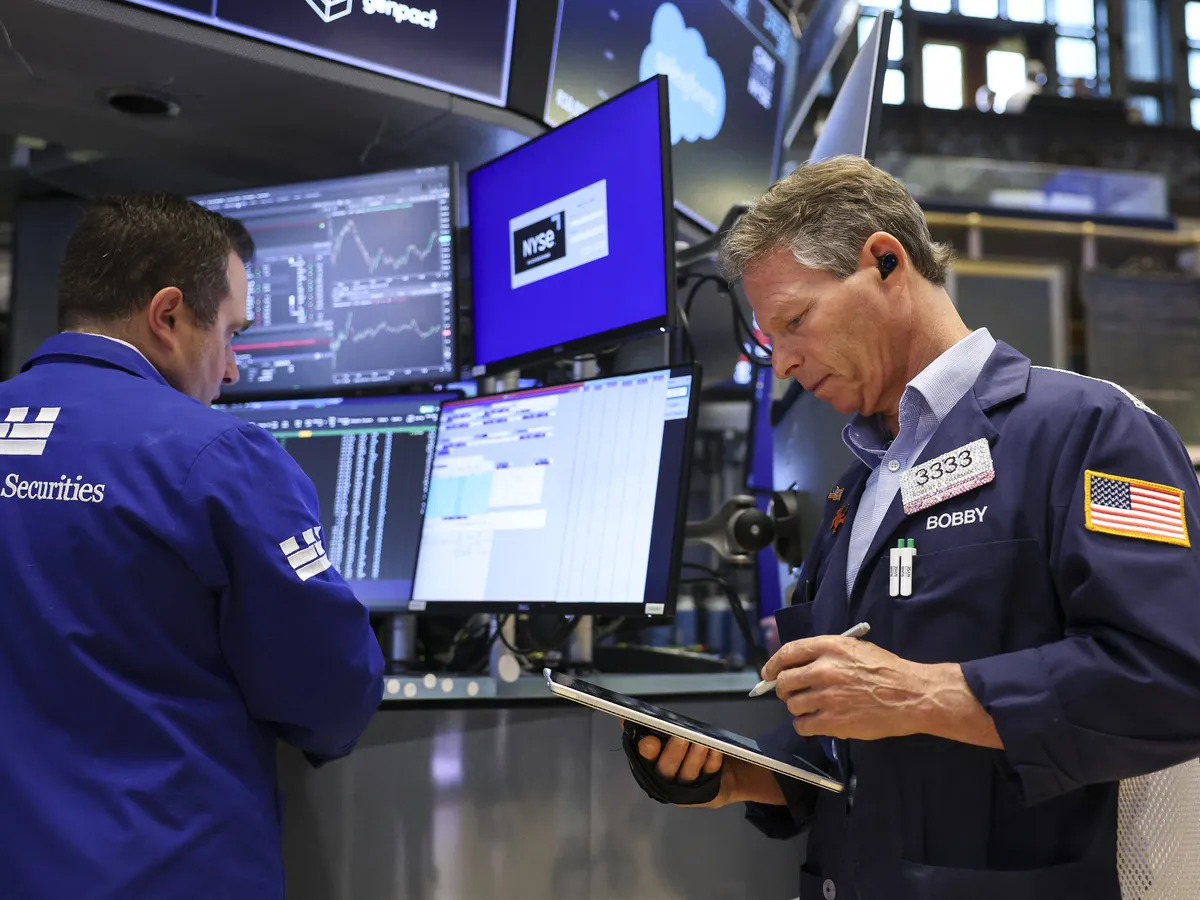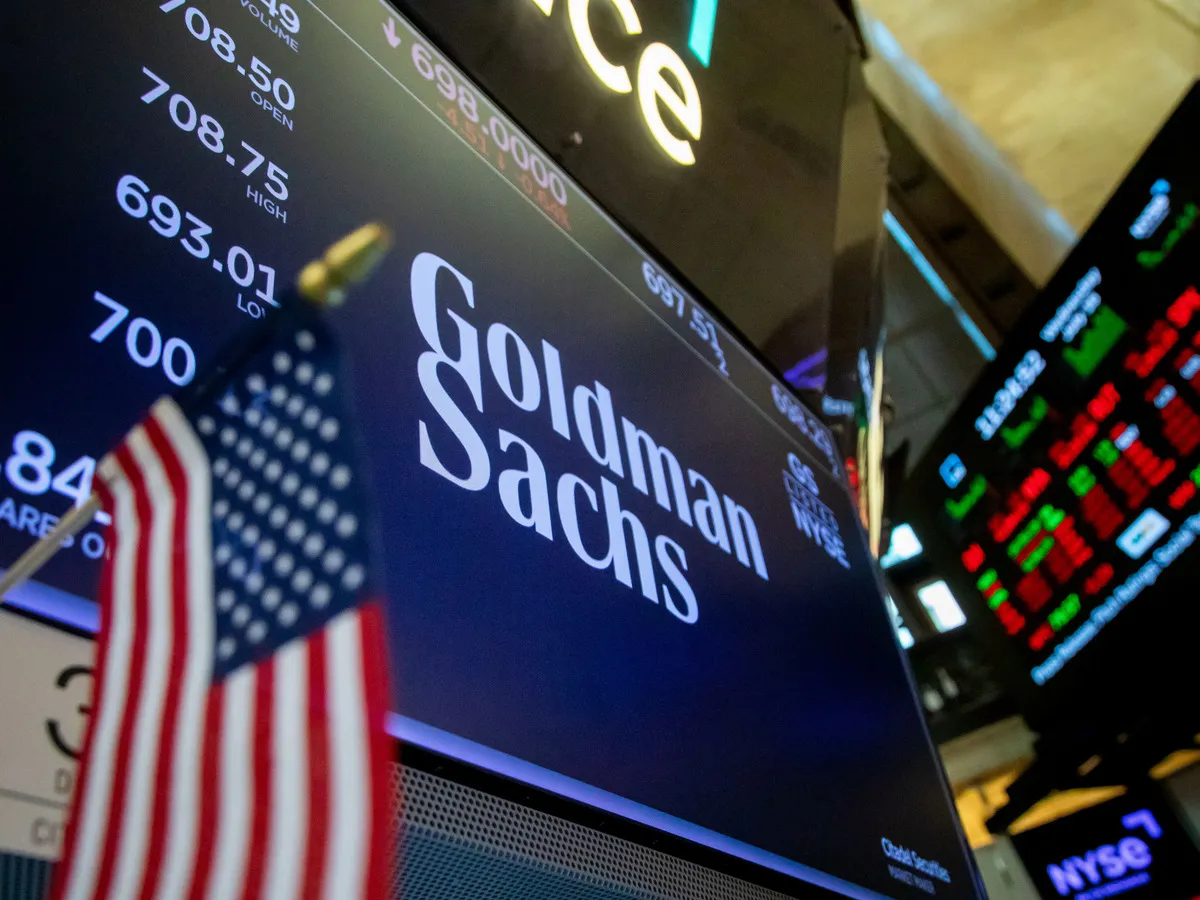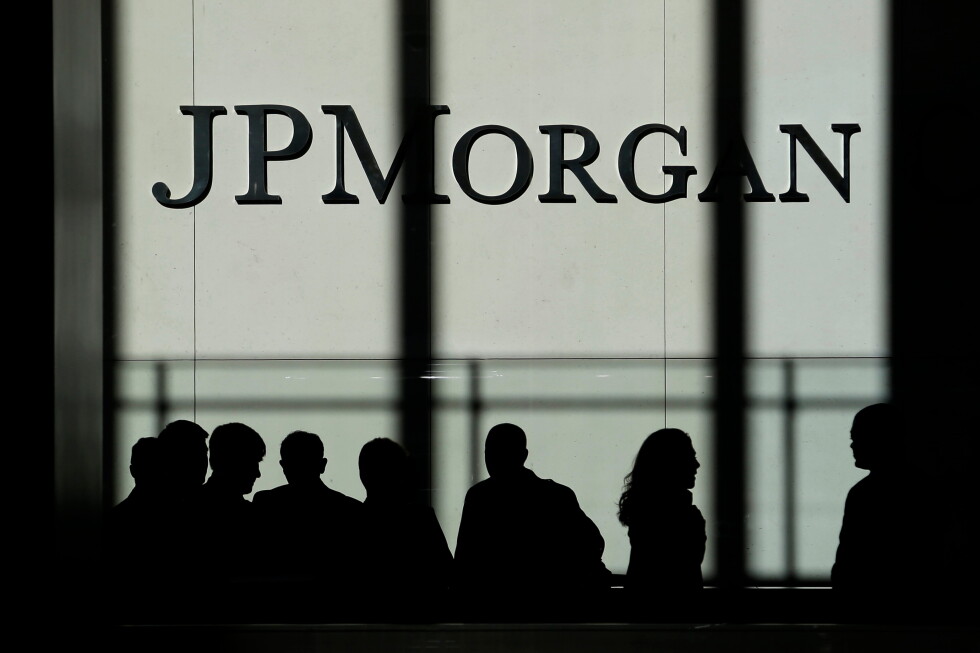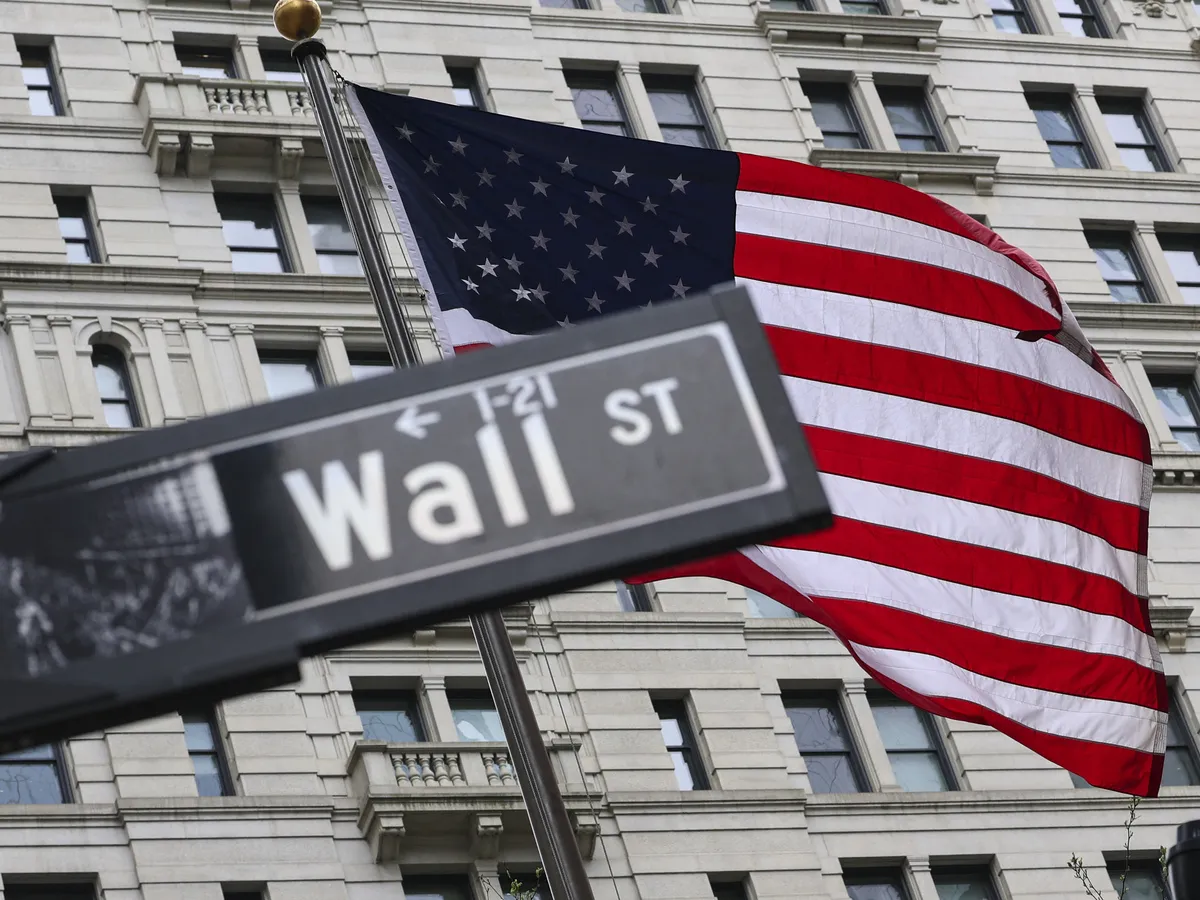
Skip to Content News Archives Economy Energy Oil & Gas Renewables Electric Vehicles Mining Commodities Agriculture Real Estate Mortgages Mortgage Rates Finance Banking Insurance Fintech Cryptocurrency Work Wealth Smart Money Wealth Management Investor Personal Finance Family Finance Retirement Taxes High Net Worth FP Comment Executive Women Puzzmo Newsletters Financial Times Business Essentials More Innovation Information Technology FP500 Podcasts Small Business Lives Told Tails Told Shopping Financial Post Store Obituaries Place a Notice Advertising Advertising With Us Advertising Solutions Postmedia Ad Manager Sponsorship Requests Classifieds Place a Classifieds ad Working Profile Settings My Subscriptions Saved Articles My Offers Newsletters Customer Service FAQ News Economy Energy Mining Real Estate Finance Work Wealth Investor FP Comment Executive Women Puzzmo Newsletters Financial Times Business Essentials HomeInvestorWall Street traders set records, driving U.S. bank resultsOne startling stat: Goldman’s equities business pulled in more money in the past three months than in all of 2019Author of the article: You can save this article by registering for free here. Or sign-in if you have an account.The biggest trading desks are getting inundated by clients’ constant repositioning as the artificial intelligence boom shrugs off any note of caution. Photo by ANGELA WEISS/AFP via Getty ImagesAs artificial intelligence, war and the spectre of inflation drive investors’ exuberance and worries, Wall Street’s traders have cracked the code to come out on top every single time.Subscribe now to read the latest news in your city and across Canada.Exclusive articles from Barbara Shecter, Joe O'Connor, Gabriel Friedman, and others.Daily content from Financial Times, the world's leading global business publication.Unlimited online access to read articles from Financial Post, National Post and 15 news sites across Canada with one account.National Post ePaper, an electronic replica of the print edition to view on any device, share and comment on.Daily puzzles, including the New York Times Crossword.Subscribe now to read the latest news in your city and across Canada.Exclusive articles from Barbara Shecter, Joe O'Connor, Gabriel Friedman and others.Daily content from Financial Times, the world's leading global business publication.Unlimited online access to read articles from Financial Post, National Post and 15 news sites across Canada with one account.National Post ePaper, an electronic replica of the print edition to view on any device, share and comment on.Daily puzzles, including the New York Times Crossword.Create an account or sign in to continue with your reading experience.Access articles from across Canada with one account.Share your thoughts and join the conversation in the comments.Enjoy additional articles per month.Get email updates from your favourite authors.Create an account or sign in to continue with your reading experience.Access articles from across Canada with one accountShare your thoughts and join the conversation in the commentsEnjoy additional articles per monthGet email updates from your favourite authorsSign In or Create an AccountorFive of the biggest United States banks reported second-quarter results Tuesday with their divisions handling equities surpassing one record after another. JPMorgan Chase & Co. reeled in US$6 billion from stocks alone, a personal best, while Goldman Sachs Group Inc. hauled in US$7.42 billion, a new industry high. Underscoring the trend, a 45 per cent jump at Citigroup Inc. was seen by shareholders as too shallow. On Wednesday, Morgan Stanley’s stock traders sailed past Wall Street’s expectations to set another quarterly record, taking in US$6.3 billion from equity trading, a 69 per cent jump that bested its previous all-time high from the first quarter, according to a statement from the company.The biggest trading desks are getting inundated by clients’ constant repositioning as the artificial intelligence boom shrugs off any note of caution. Even as the U.S. military wades deeper into a war on Iran and rising affordability concerns pinch Main Street, Wall Street’s equities desks keep coming out as winners.Canada's best source for investing news, analysis and insight.By signing up you consent to receive the above newsletter from Postmedia Network Inc.A welcome email is on its way. If you don't see it, please check your junk folder.The next issue of Investor will soon be in your inbox.We encountered an issue signing you up. Please try again“The markets are booming right now,” JPMorgan chief executive Jamie Dimon said after posting record numbers. “It’s getting as close to as good as it gets. We just don’t know how long it’s going to last.” Traders work on the floor of the American Stock Exchange (AMEX) at the New York Stock Exchange (NYSE) in New York, US, on Friday, June 5, 2026. Photo by Michael Nagle/BloombergOne startling stat: Goldman’s equities business pulled in more money in the past three months than it managed in all of 2019. Since then, the worst inflation in 50 years, a once-in-a-century pandemic, a norm-shattering president and a revolutionary new technology has upended markets and reset expectations for trading following a decade-long lull.When President Donald Trump swept into office last year, the record for equities total trading revenue generated by the six largest U.S. banks stood at US$13.5 billion. They have surpassed that in each of the six quarters of his second term.That has been aided by wide-open capital markets, as sovereign funds and mom-and-pop investors gorge on new equity offerings, capped off by the record listing for SpaceX (Space Exploration Technologies Corp.) — the tweets-to-rockets empire that made Elon Musk the world’s first trillionaire.That combined with a resurgent market for mergers has meant that the banks’ broader Wall Street operations have kicked into high gear. Elon Musk during the companys initial public offering at the Nasdaq MarketSite in New York on June 12.Quarterly results were accompanied by a jump in costs as banks race to keep pace with ballooning investments and the need to set aside more money to pay their top talent. Expenses at Bank of America Corp. rose more than expected. JPMorgan bumped up its full-year expectations for expenses, forcing investors to calibrate how much of its soaring revenue will reach the bottom line.JPMorgan said that it is cautioning employees to be strategic about their AI use, urging them to swap the latest cutting-edge model for a less expensive one to handle a simple task such as summarizing a report. For now, token spend at the bank was a “trivial” figure in the first half of the year, chief financial officer Jeremy Barnum said.The banks once again trotted out comforting words on the strength of the underlying economy and the economic health of consumers. That was in contrast to the note of caution offered by PepsiCo Inc., which said some customers pulled back as rising gas prices forced shoppers to make tough choices.Despite keeping a watchful eye on the potential for a downturn that drags down the economy, the centre of attention remained the exuberance and leverage that have been two driving forces in sending markets from New York to Hong Kong and beyond toward new highs.“Is the current revenue run rate of this quarter something we can count on? The answer to that is obviously not,” JPMorgan chief financial officer Jeremy Barnum said. “It would be naive not to be worried, but at the same time, it’s always easy to be worried and the market keeps going up.” Join the Conversation This website uses cookies to personalize your content (including ads), and allows us to analyze our traffic. Read more about cookies here. By continuing to use our site, you agree to our Terms of Use and Privacy Policy.
Wall Street traders set records, driving U.S. bank results
As artificial intelligence, war and inflation drive investors’ exuberance and worries, Wall Street’s traders have come out on top. Read on
1,219 words~6 min read