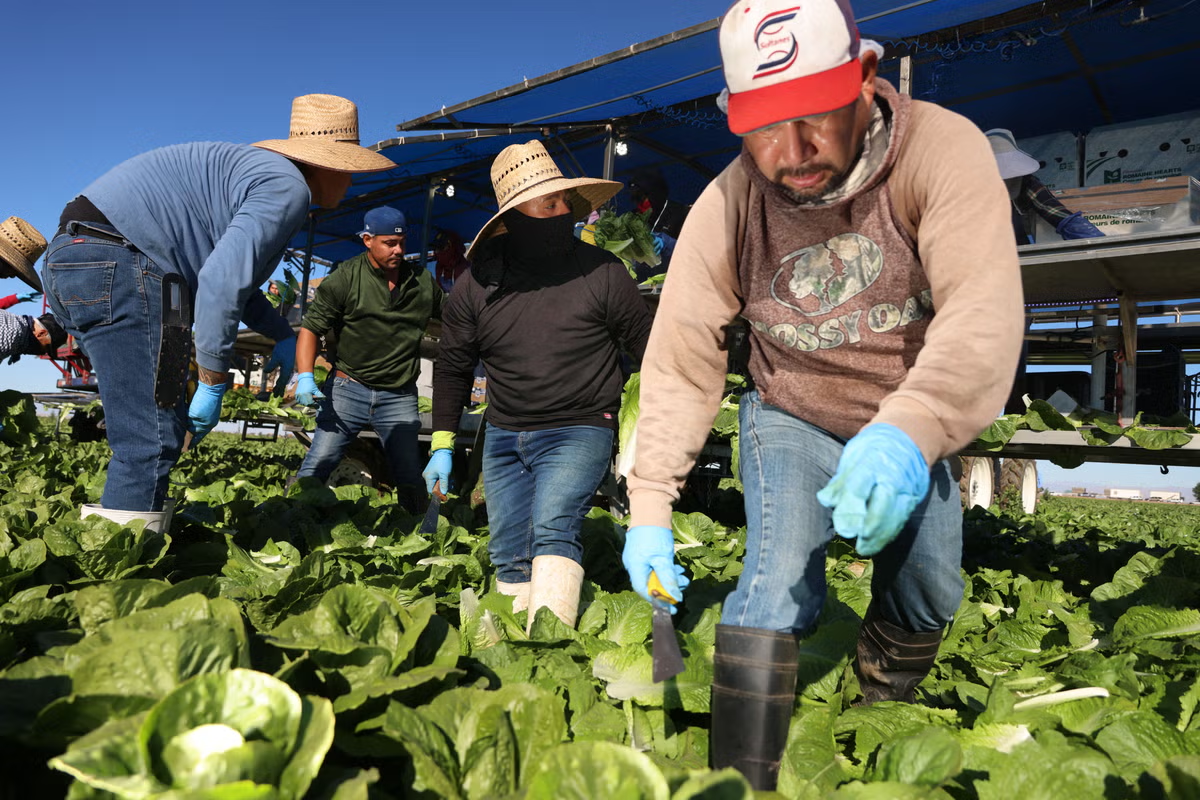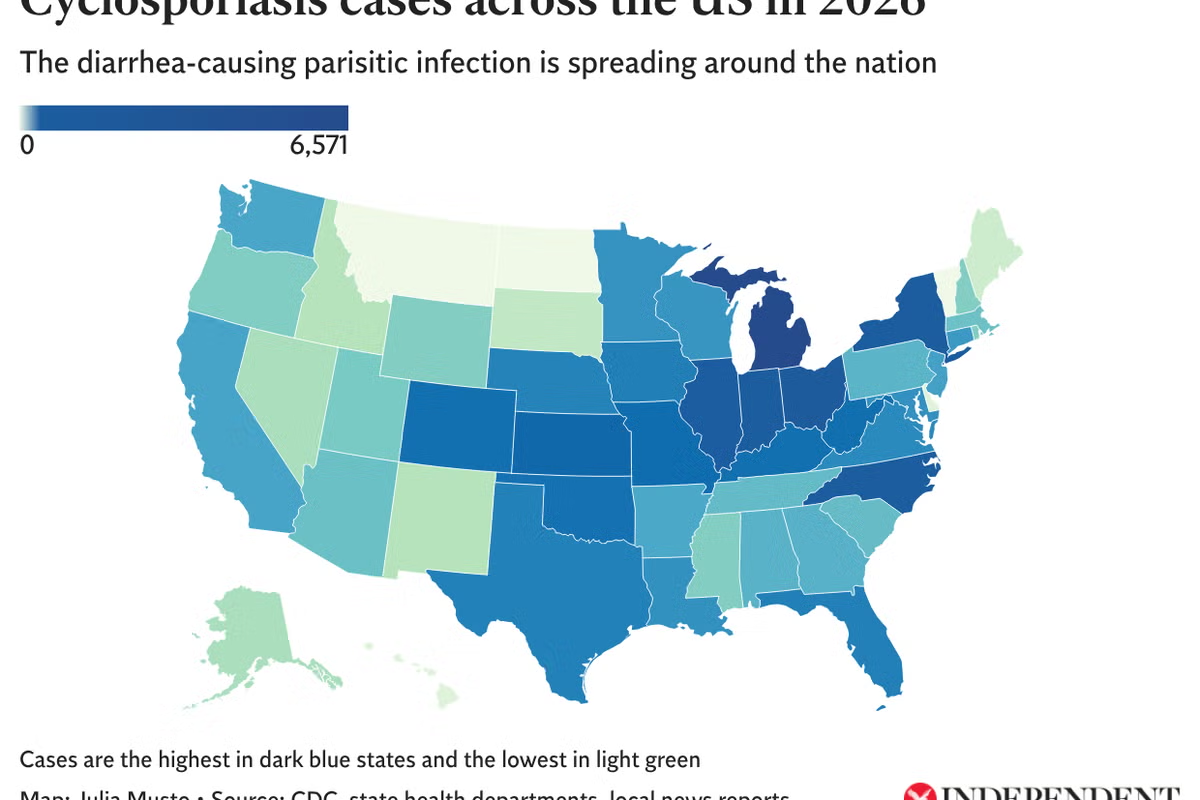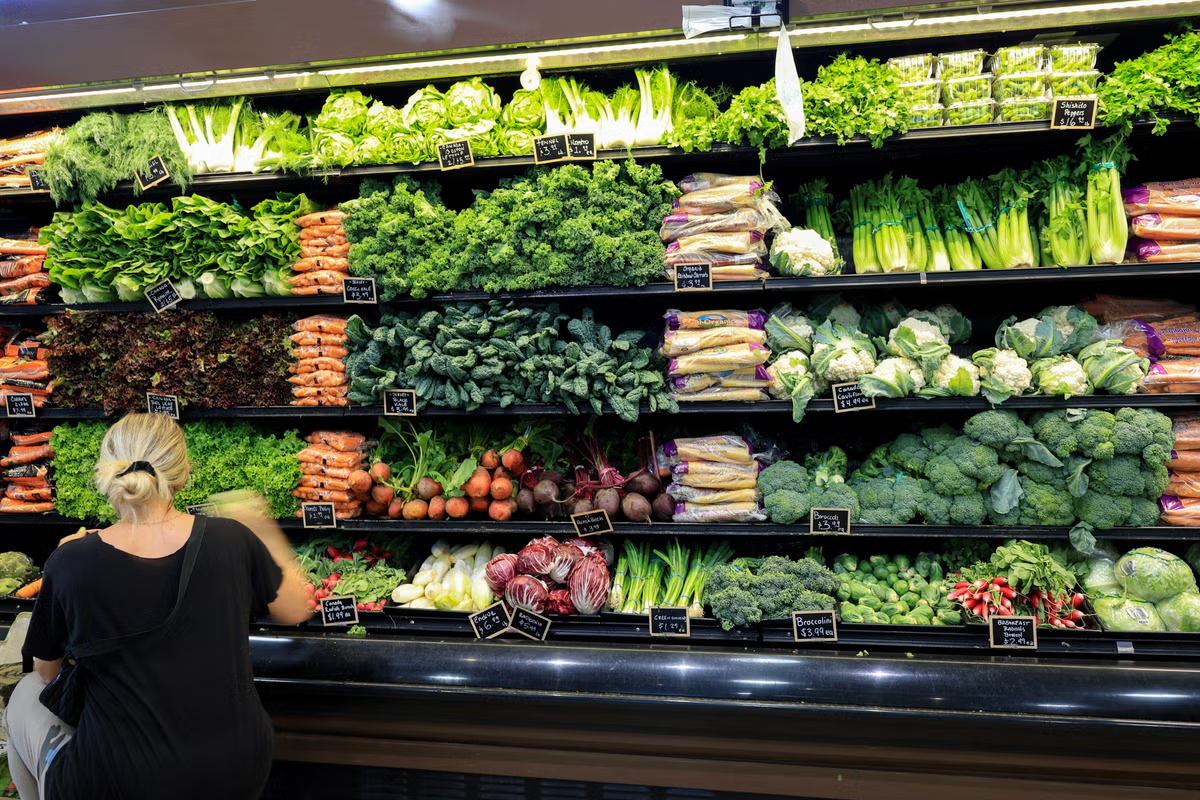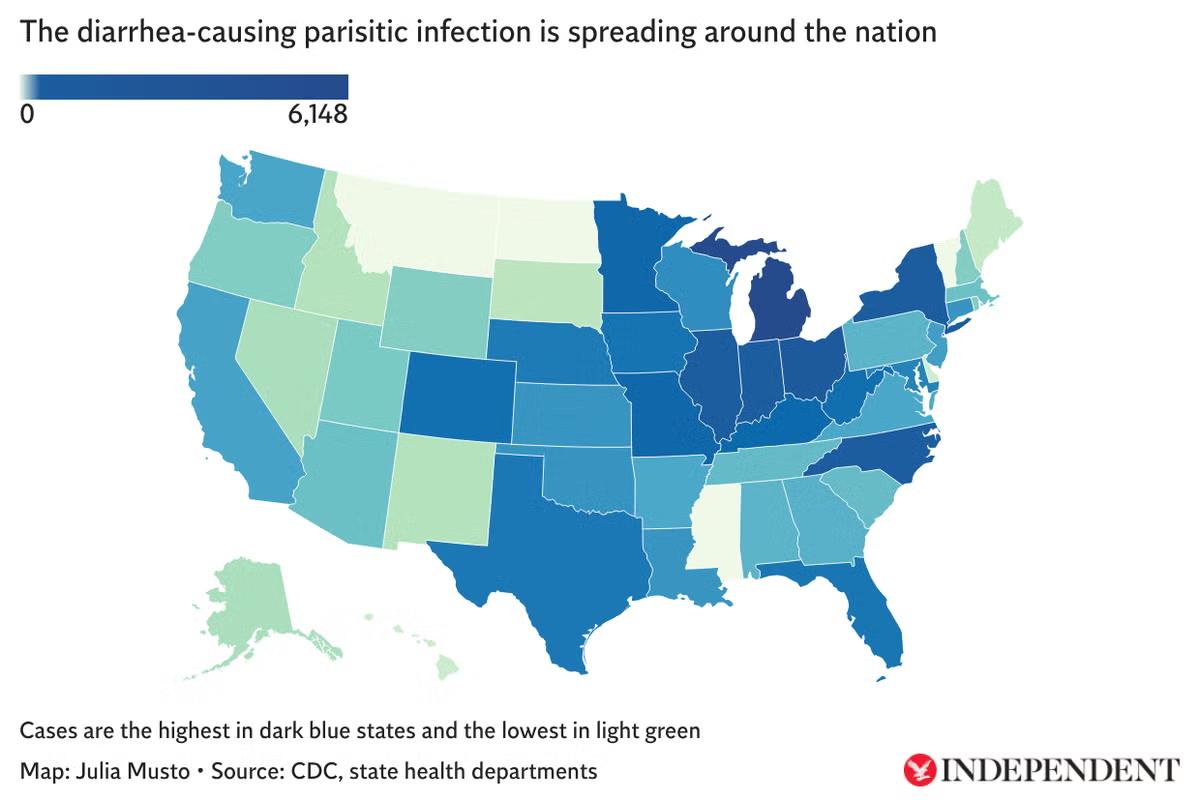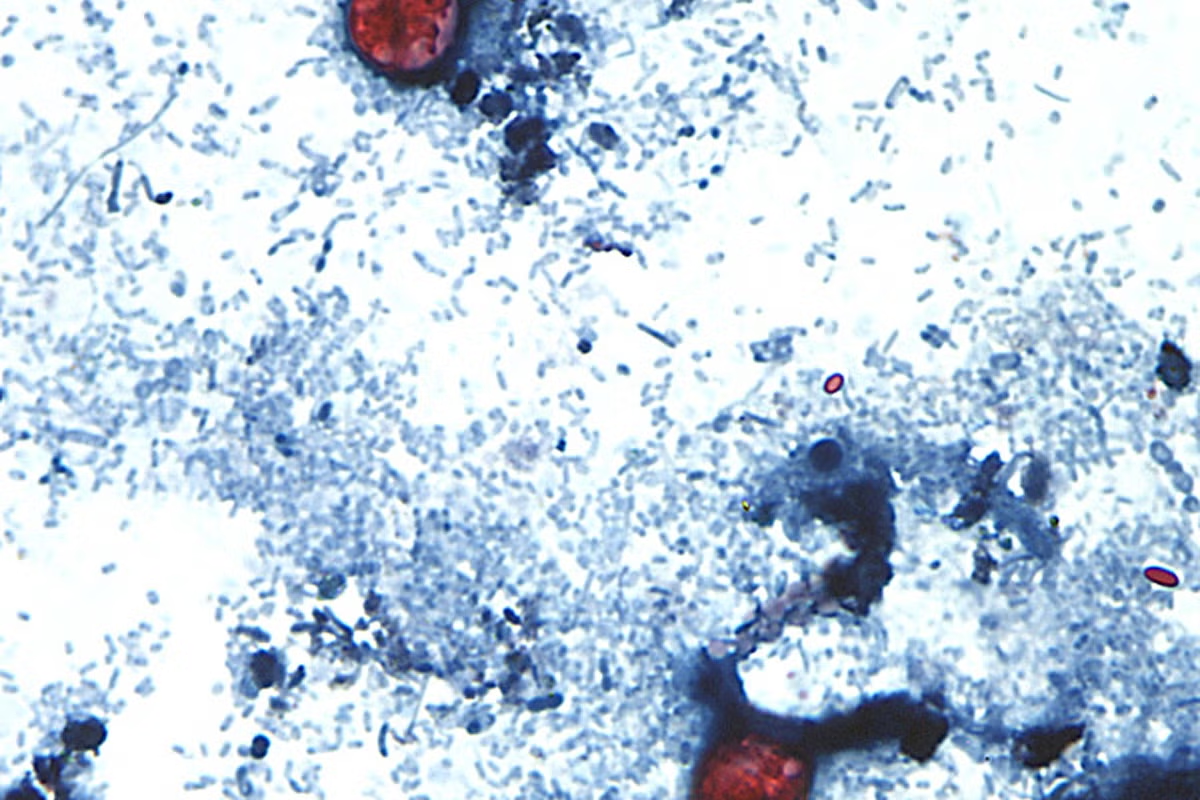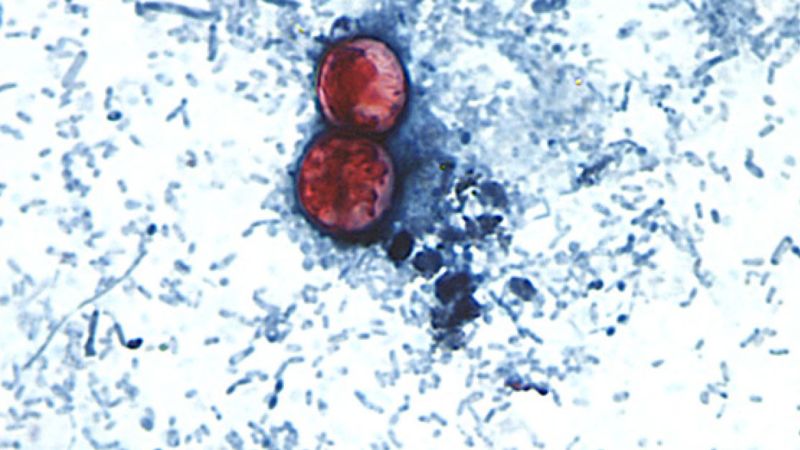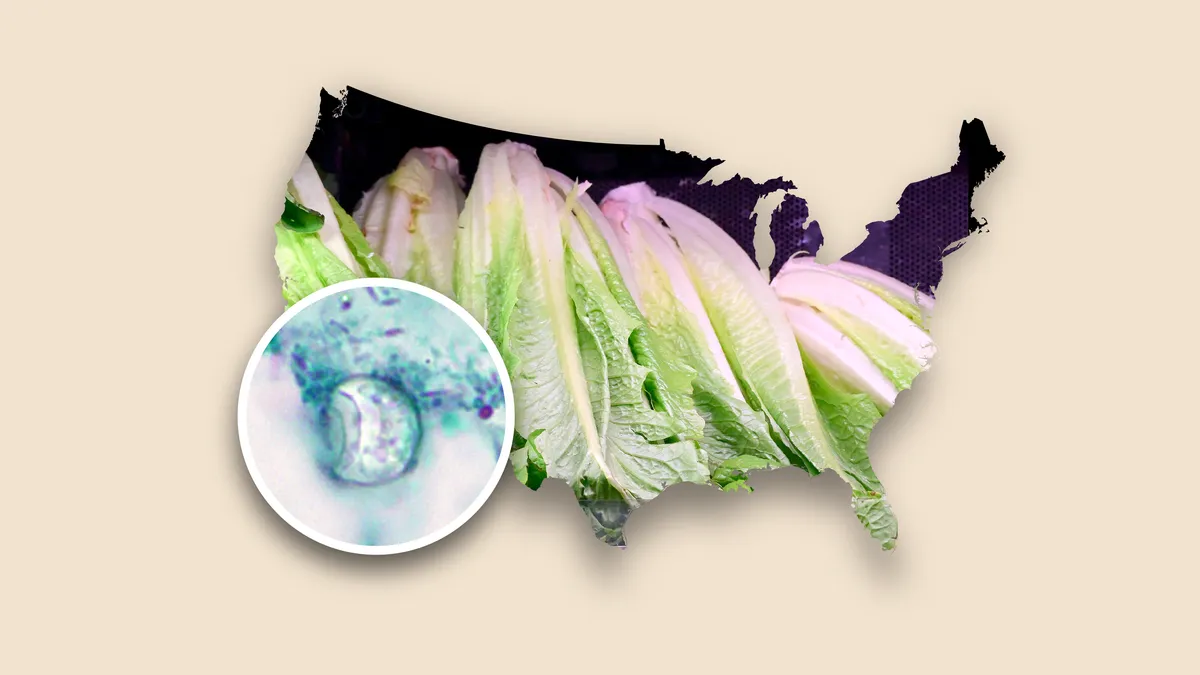
Cases of cyclosporiasis, the foodborne infection caused by a parasite that leads to severe gastrointestinal symptoms, including intense diarrhea, continue to spread across the United States.Idaho is the most recent state fall victim to the the parasite.Idaho's Department of Health and Welfare, confirmed the state's first cyclospora infection involving a resident who had traveled outside the state before becoming ill.As of July 14, nearly 7,000 cases of the parasitic illness have been reported in nearly all U.S. states, according to the Centers for Disease Control and Prevention. Michigan alone has reported 3,762 cases as of July 15. No deaths associated with cyclospora had been reported as of July 13, according to the CDC.Which states have identified cases of cyclosporiasis?Illinois, Michigan, New York, North Carolina, Ohio rank among the states with the most reported cyclospora infections, according to NBC News.The true number of cyclospora infections is likely higher than official reports indicate because many people recover without seeking medical attention or being tested.Unable to view our graphics? Click here to see them.Why are cases so high in Michigan?Investigators in Michigan believe lettuce or other salad greens may be a potential source, though no single food item, grower or supplier has been definitively identified. Officials have also highlighted produce that has been linked to past cyclospora outbreaks, including cilantro, basil, green onions, raspberries and snow peas.How long is the Cyclosporiasis outbreak expected to last?Health officials expect cyclosporiasis cases to remain elevated through Aug. 31, when the CDC's annual surveillance season ends. The illness is highly seasonal, with infections generally peaking during the warm summer months before dropping off as cooler fall weather limits the parasite's spread.Take precautions with your produceTo reduce the risk of cyclosporiasis, health officials have issued guidance aimed at anyone involved in preparing, processing or serving fresh produce:Other ways to reduce your risk of food-borne illnesses:Scrub firm produce like melons and cucumbers with a clean brush.Cut away bruised or damaged areas before eating.Clean and sanitize utensils and food-prep surfaces before and after use.Sanitize display cases and refrigerators used to store fresh produce.Clean and sanitize cutting boards and tools used with fresh produce.Refrigerate cut, peeled or cooked fruits and vegetables promptly.While most bacterial foodborne illnesses resolve within a few days, cyclosporiasis can lead to gastrointestinal symptoms that persist for weeks or even longer, according to the Food and Drug Administration.CONTRIBUTING Mary Walrath-Holdridge and Ramon Padilla/USA TODAYSOURCE USA TODAY Network reporting and research; Reuters; Centers for Disease Control and Prevention; Food and Drug Administration
More states report 'explosive diarrhea.' Is cyclosporiasis near you?
One more state joins the list of diarrhea outbreaks. USA TODAY shows where cases are highest as of July 15.
416 words~2 min read