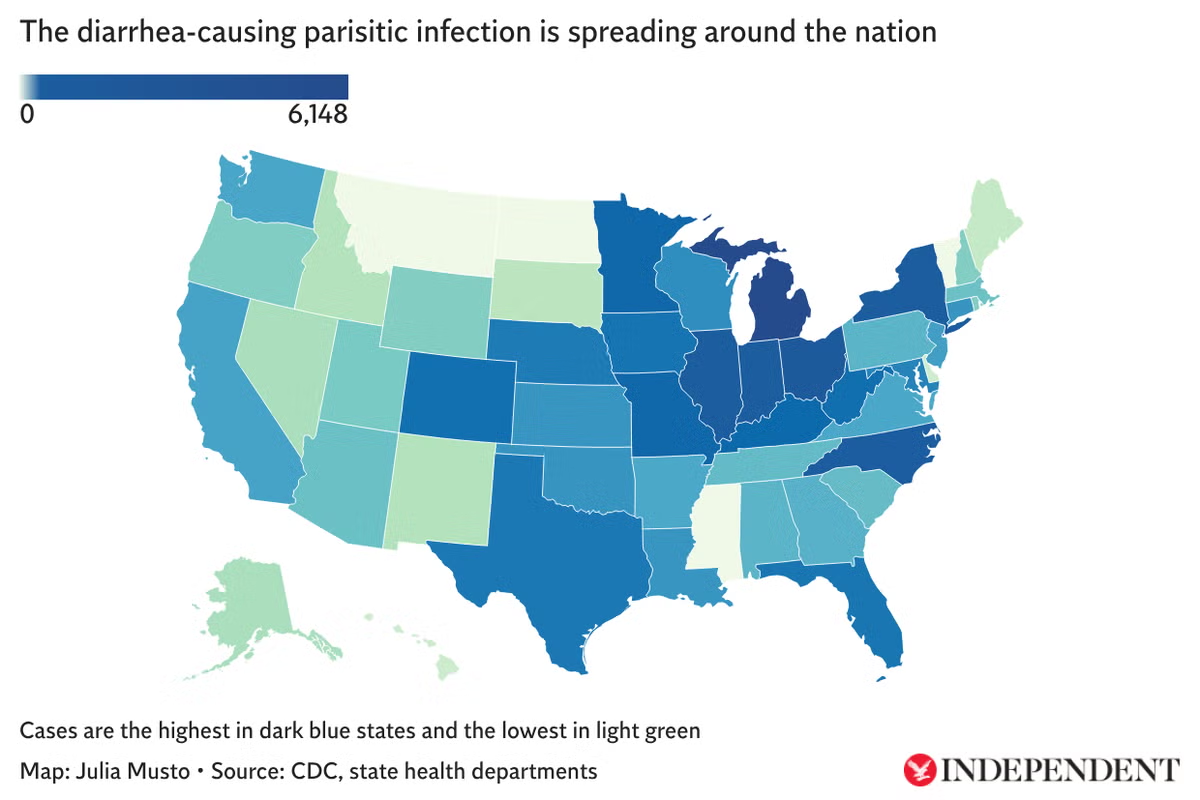
Show Caption
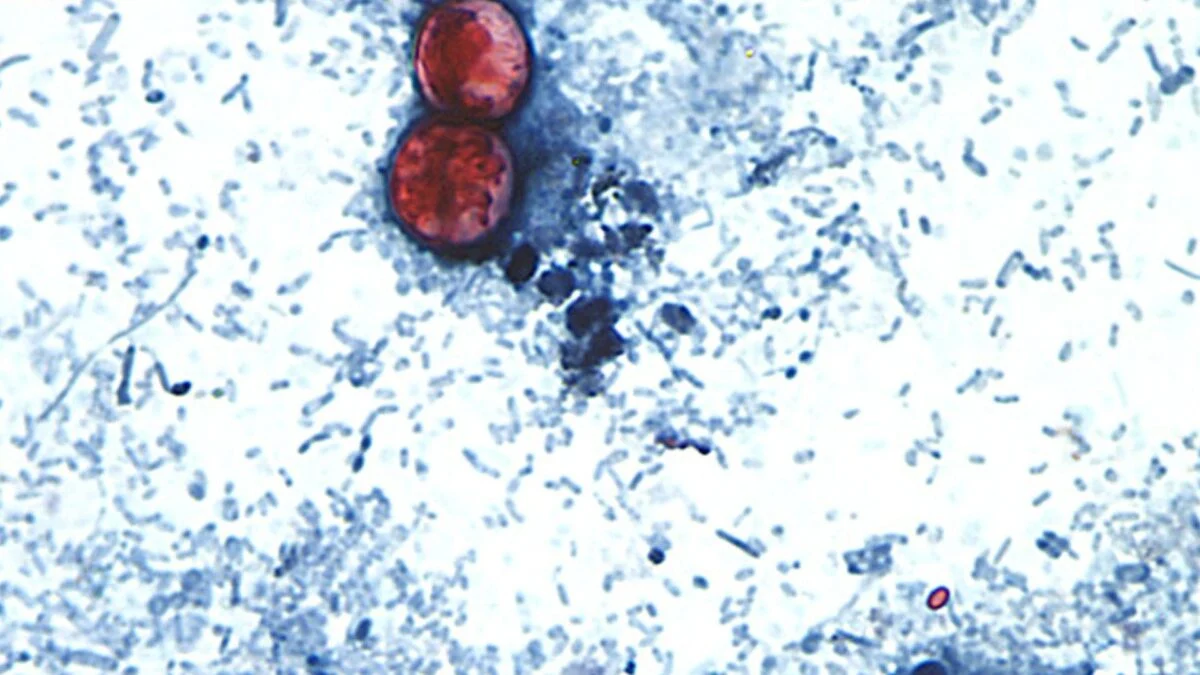
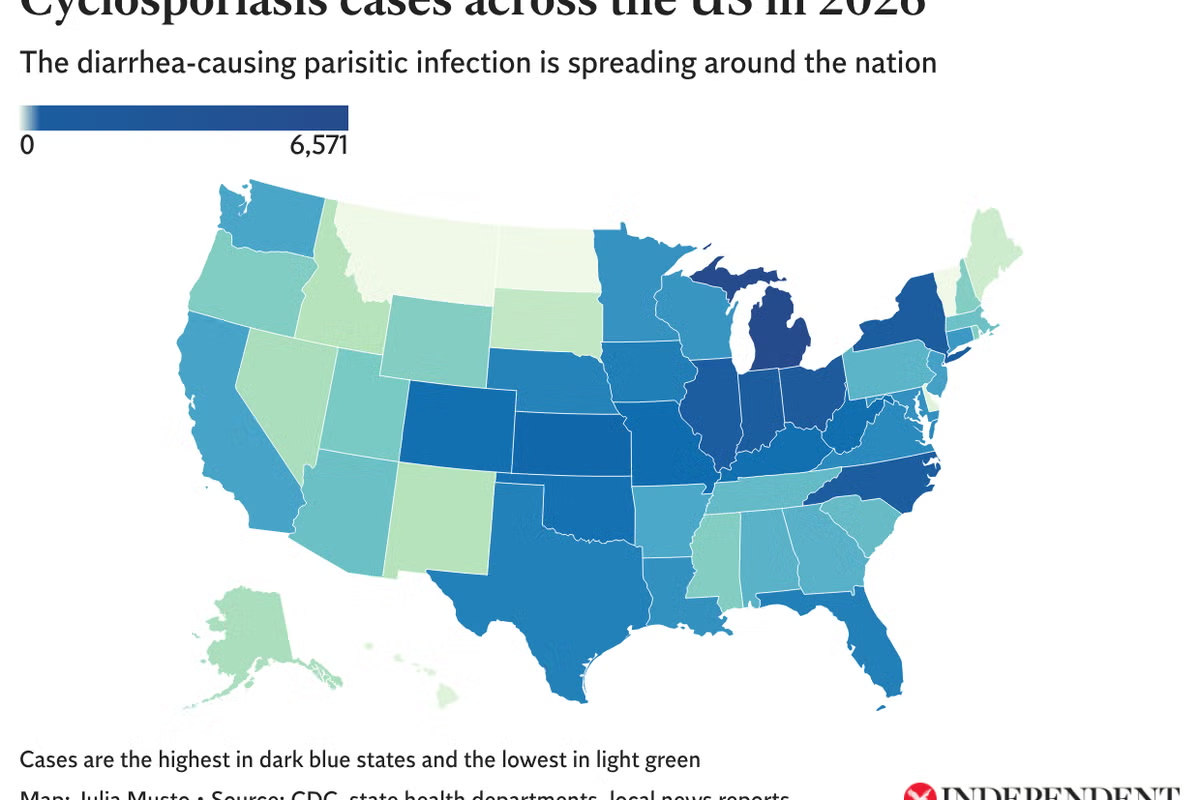
Cases of illness stemming from a parasite that causes explosive diarrhea are continuing to spread across the United States, making hundreds of people sick in a surge that authorities are trying to trace.Cyclosporiasis, a stomach-churning illness caused by a parasite often found on produce and herbs, has sickened at least 843 people in 31 states since May 1, according to the latest data from the U.S. Centers for Disease Control and Prevention and state health data. Michigan is contending with a cluster of infections that has already surpassed its 2025 case total count by more than 14 times, while several others have reported numbers topping the hundreds.Additional state-level reporting shows a larger surge of cases not yet reflected on the CDC surveillance dashboard, which has only been updated monthly to this point. The latest data, published July 9, still lags behind state reports as the agency works to confirm infections. Currently, there is no evidence of a single source linking the case clusters.Here's what to know since the CDC's last update on June 16, which reflected only 145 cases nationwide in 18 states.What is cyclosporiasis? What are the symptoms?Cyclosporiasis is a parasitic infection that causes unpleasant gastrointestinal symptoms often associated with food poisoning, such as diarrhea, nausea and vomiting. It is caused by the parasite Cyclospora cayetanensis, also known simply as cyclospora, and is usually contracted through contaminated food.While unpleasant, it is not generally known to cause death, and many cases go unreported, as people recover at home without visiting a doctor.The most common symptom is watery, frequent and sometimes "explosive" diarrhea, according to the CDC and Cleveland Clinic, though other troubles can include:VomitingLoss of appetiteBloating, including burping and gas, or stomach crampsExtreme tiredness (fatigue)FeverNauseaSee map of states with cyclosporiasis casesThe CDC tracks cases of cyclosporiasis based on where and when they were contracted. As of July 9, 843 people across 31 states in the U.S. had contracted the infection since May 1. An additional 343 people, who are tracked and categorized separately, contracted it while traveling abroad.Of the 843 who became ill in the United States, 86 were hospitalized. None died. Cases occurred in people ages 5 to 88, with a median age of 44. The cyclosporiasis "season," or the months during which the United States typically sees a spike in the illness, begins May 1 and lasts through the end of August, according to the CDC.These numbers do not, however, include hundreds more being reported by individual states.Why the CDC numbers don't match what states are sayingEven with a recent update, the CDC's numbers still don't match what states are reporting individually. The CDC only listed 161 to 300 cases in Michigan as of July 9, for example, though state health officials reported 700 total cases to USA TODAY as of July 6.The reason is simple: the CDC is only reporting laboratory-confirmed cases that arose on or after May 1 and are "confirmed as being domestically acquired," meaning sick people did not travel internationally in the 14 days leading up to becoming ill. Many individual states, on the other hand, are sharing data that includes year-to-date numbers or those that don't distinguish between local and international infections."CDC is aware that states are likely to report higher case counts of cyclosporiasis than reflected in CDC data and is working closely with states to update numbers as additional cases are confirmed," the agency said in a statement atop its cyclosporiasis surveillance page. "Since May 1, 2026, CDC has received reports of 843 confirmed domestic cases of cyclosporiasis and is aware of more than 1,500 cases that require further analysis to confirm the illness as domestically acquired cyclosporiasis."In other words, the agency knows there are more cases out there − it's just a matter of waiting for tests to come through. Also, even if states have had hundreds of cases since the beginning of the year, the CDC will not count them unless they can prove the individuals contracted the illness after May 1."We assume a 6-week reporting lag between illness onset and case reporting to CDC; therefore, we anticipate that case counts will continue to rise as data are received," the portal page reads. Because cases are rising so rapidly, the agency will also start requesting state data weekly instead of monthly, it told USA TODAY.States reporting the highest numbersMichigan's 700-plus cases as of July 6 make it the state with the most infections by far, though others have reported numbers well into the hundreds.The Ohio Department of Health told USA TODAY on July 9 that it had recorded 364 cyclosporiasis cases, and all but six of them occurred after May 1. All the cases were domestically acquired, and of those, 46 people were hospitalized.North Carolina told USA TODAY it had 205 cases between May 1 and July 9, while New York City recorded a total of 301 cases as of July 7, with 273 of those happening since May 1. New York City's count includes people who recently traveled internationally, as well as those who may have caught it domestically.New York State, which reports and tracks infectious diseases separately from New York City, confirmed 120 cases between May 1 and July 7. It did not specify if all reported cases were domestically acquired. The state has had relatively high case numbers in previous years, ranging from 500 to 700 in 2024 and 2025.How to avoid catching a diarrhea-causing parasite Cyclosporiasis is transmitted via a fecal-oral route, meaning contact with foods, drinks and surfaces contaminated with infected poop particles. Usually, this means consuming the affected food or drink directly, or touching something contaminated and then touching your mouth without washing your hands.We often see a spike in cyclosporiasis infections during warm summer months, as infected fecal matter makes its way onto fresh, summery produce, including basil, raspberries and lettuce, which have all been associated with past U.S. outbreaks, according to the CDC.People typically become sick about a week after exposure, though symptoms can appear in as little as two days and as much as two weeks later and beyond.The infection is treated with antibiotics, and while most healthy people can probably fight it off on their own, prolonged, untreated illness can last for months and recur, according to the CDC. As is often the case, children, older people and those with compromised immune systems are more likely to become severely ill or even die, and should contact a health care professional if they become sick.To prevent catching cyclosporiasis in the first place, the CDC, Cleveland Clinic and Michigan Health Department suggest that you:Avoid consuming food or water that may be contaminated with feces. Avoid drinking or cooking with untreated water.Wash your hands with soap and water after using the bathroom and before, during and after food prep.Wash all food preparation surfaces, including utensils, cutting boards and countertops, before and after use.Wash and peel vegetables before eating them; scrub produce with skins like melons and cucumbers well; and cut away damaged or bruised areas on fruits and vegetables before preparing and eating them.Refrigerate prepared fruits and vegetables as soon as possible (within two hours).