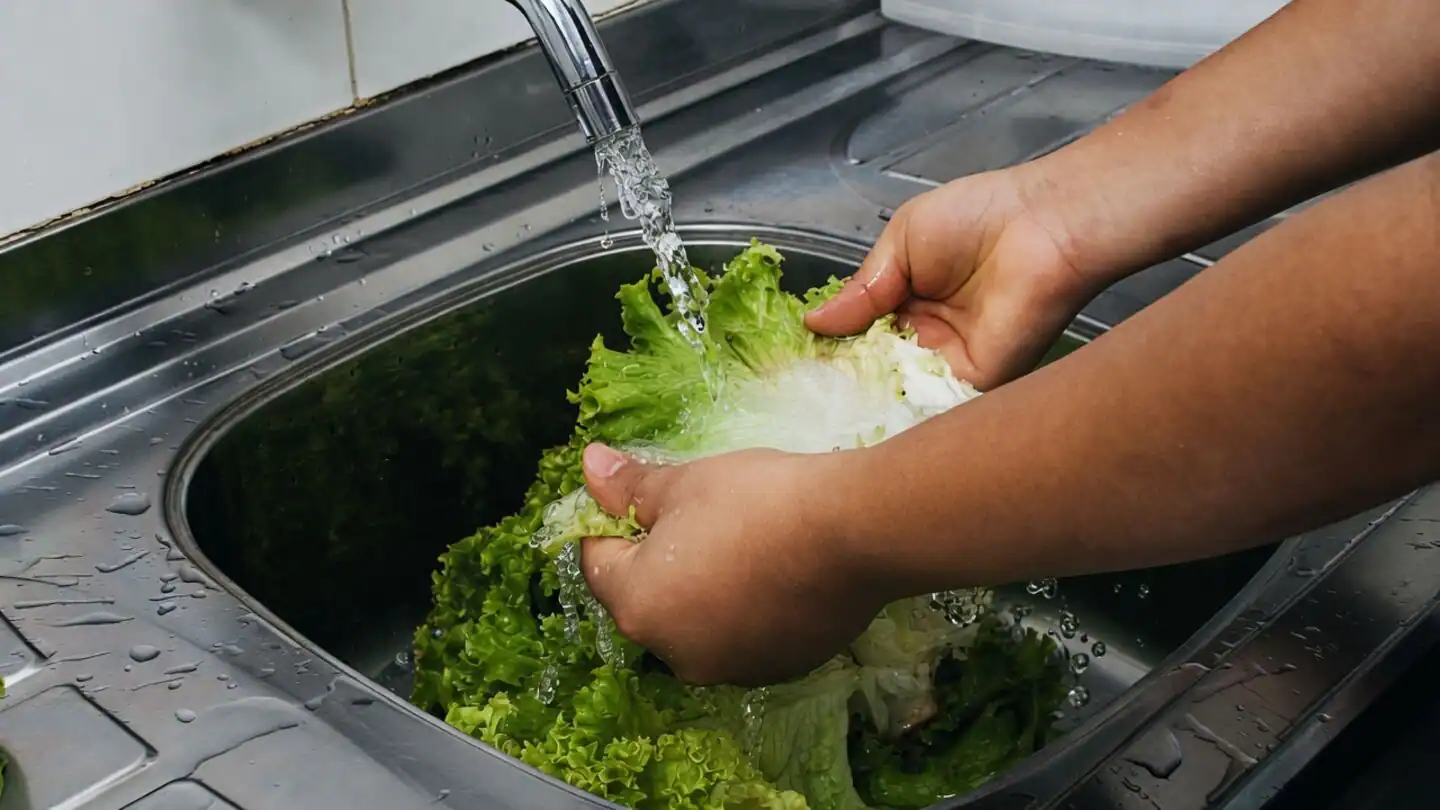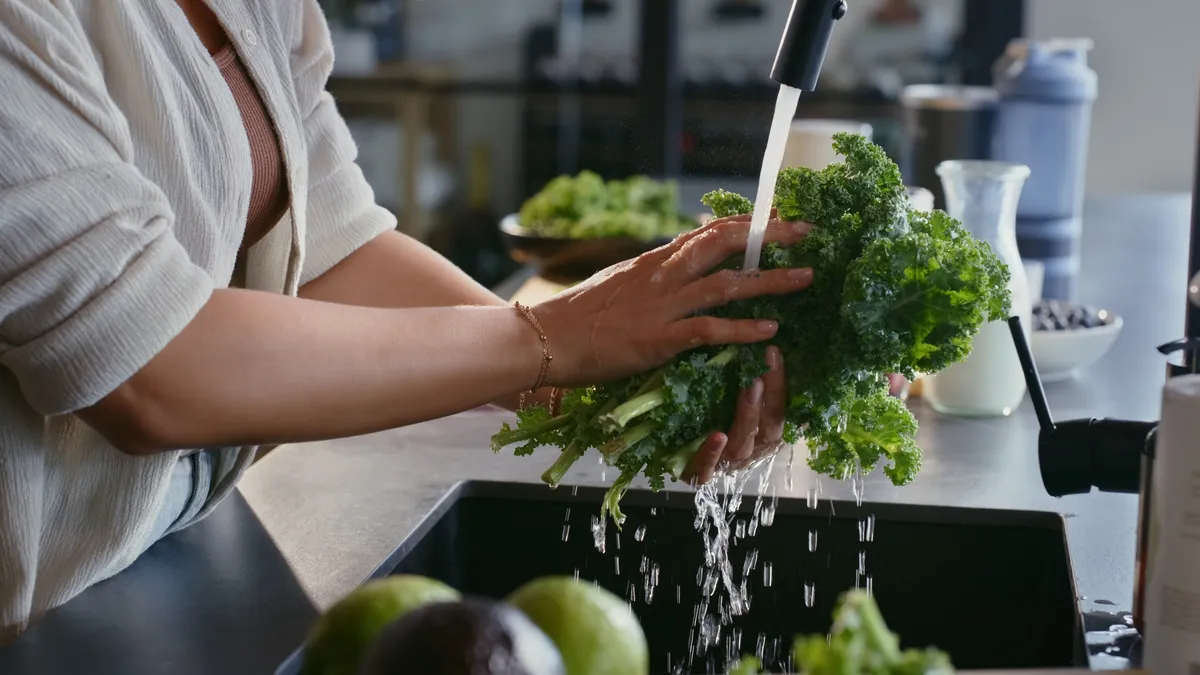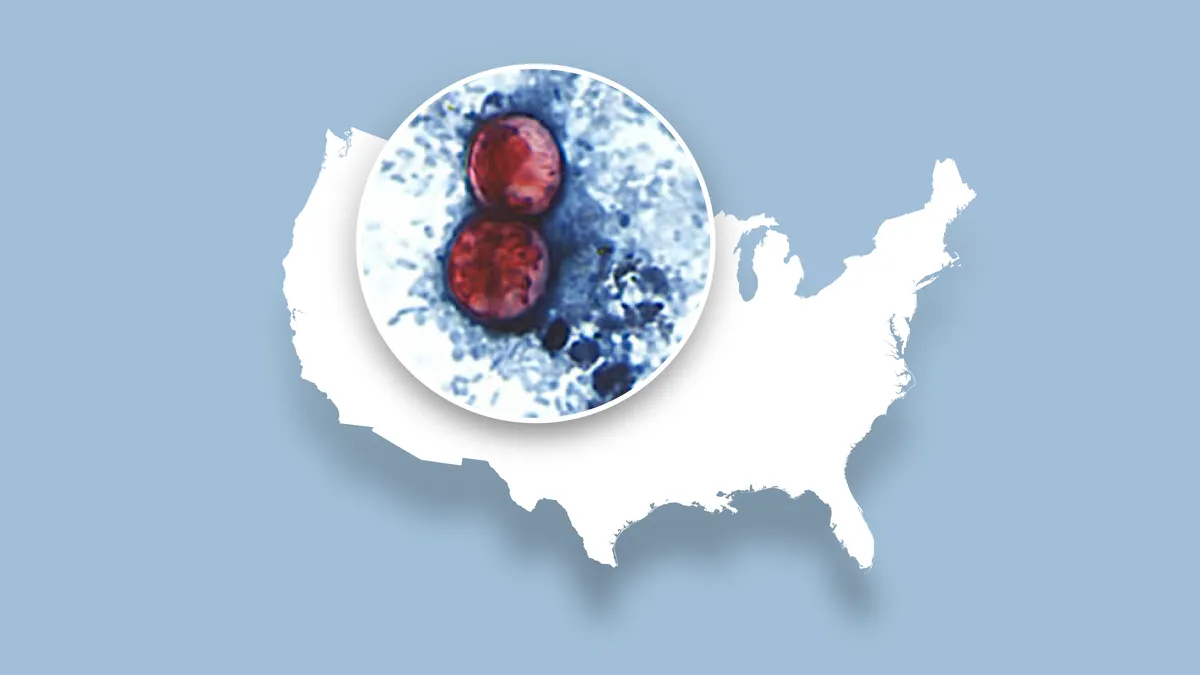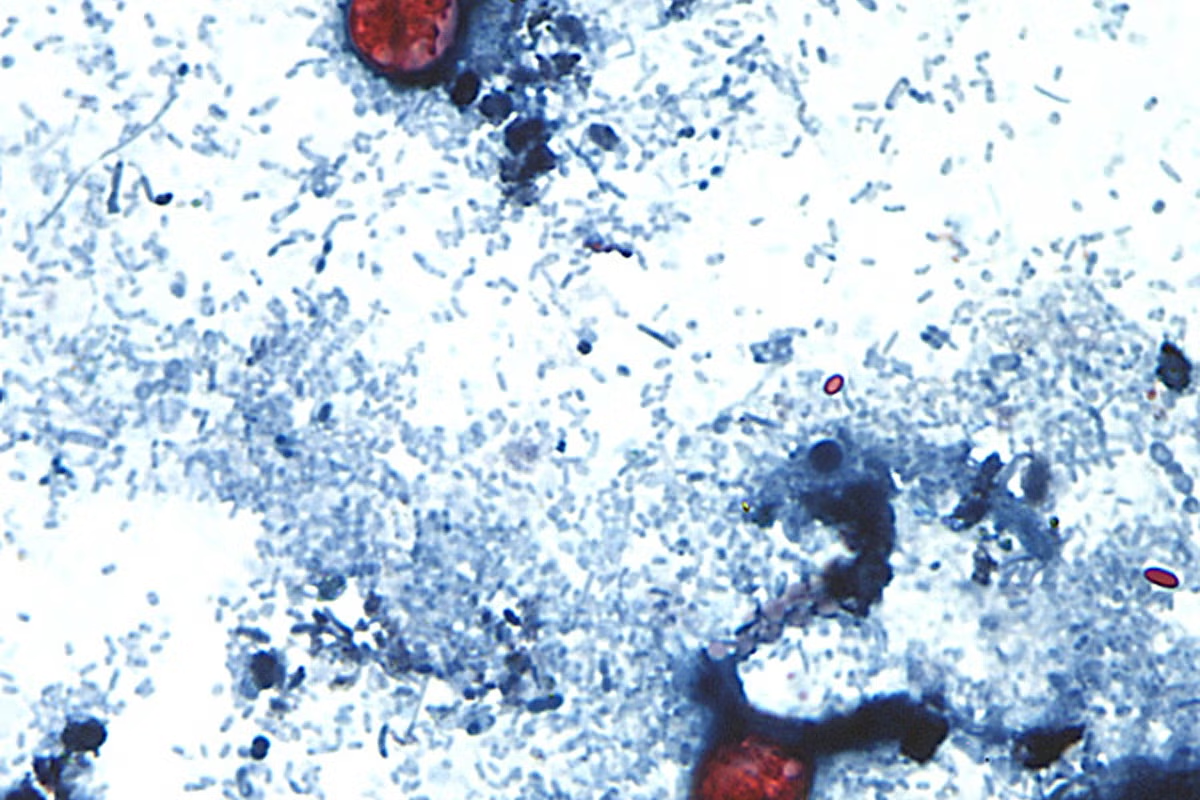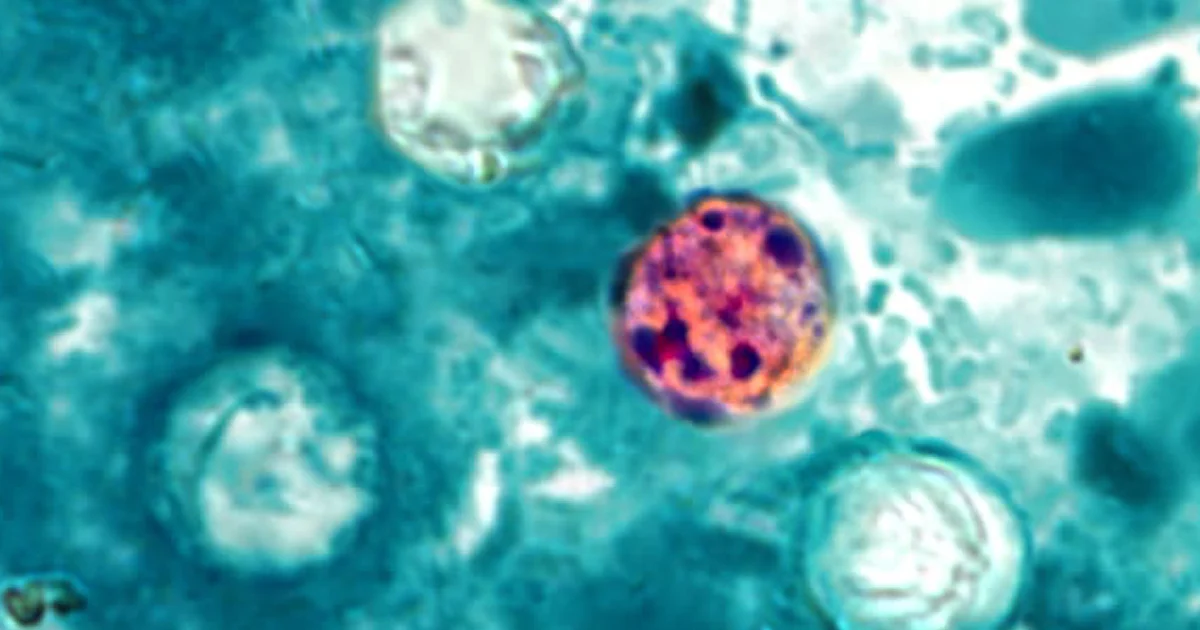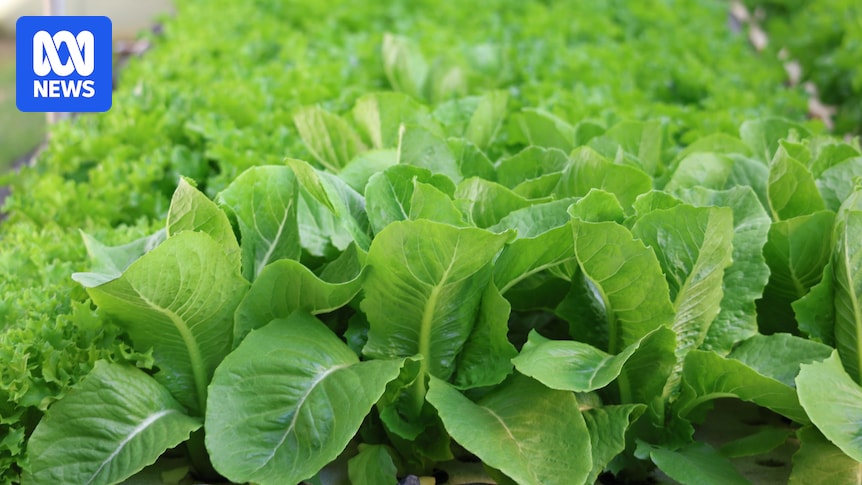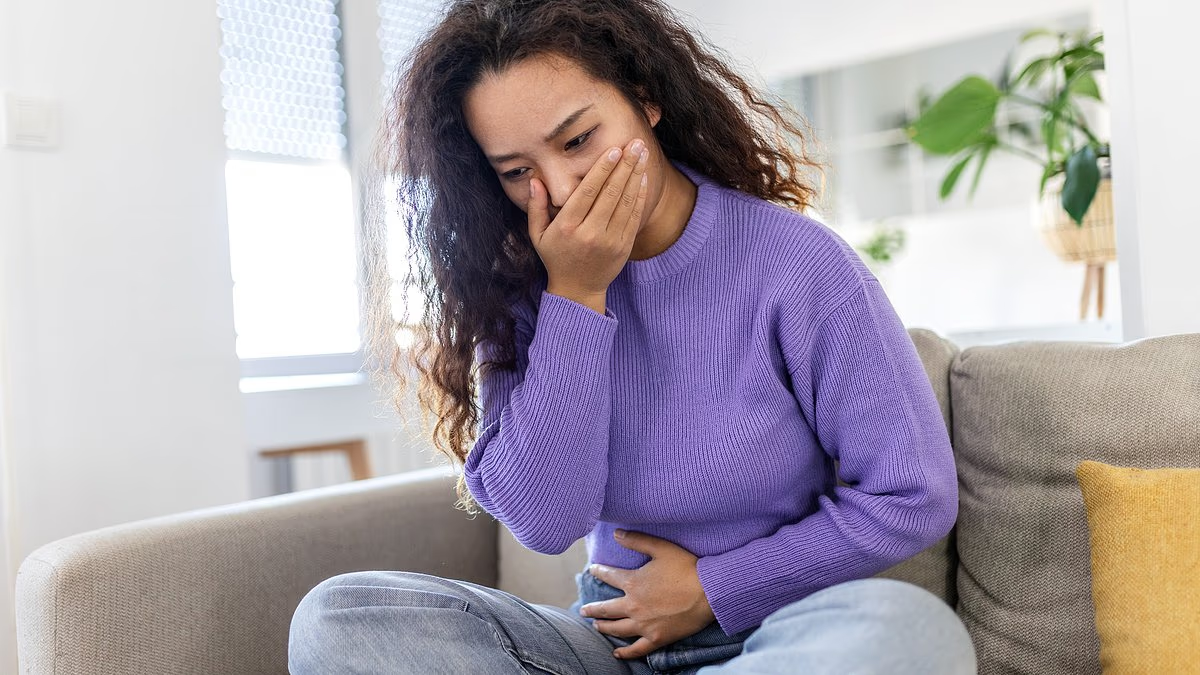
At least 7,000 people across 34 states in the US are infected by Cyclosporiasis, a parasitic infection that causes frequent, watery diarrhea, according to the US Centers for Disease Control and Prevention (CDC). It typically spreads through contaminated water or food, often during the summer.Cyclosporiasis leads to extreme diarrhea. However, it is not a fatal condition. (Magnific)The US Food and Drug Administration said on Tuesday it was investigating multiple produce items, including lettuce, in an effort to identify the source of this unusually large cyclosporiasis outbreak, reported Reuters. So far, no deaths have been reported due to the infection. However, over 100 people have been hospitalized due to the domestically acquired since May 2026, as per CDC. Key states where the outbreak is prevalent, include Michigan, Ohio, West Virginia, and Kentucky. Public health officials are interviewing people linked to this outbreak to find out what foods they ate before getting sick, even multiple news reports say lettuce or salad greens could be key culprits.What is Cyclosporiasis?Cyclosporiasis infection is a disease that is caused by a minuscule parasite known as Cyclospora cayetanensis and mostly affects the small intestine, explains Dr Aishwarya R, Consultant - Infectious Diseases, Aster Whitefield Hospitals, Bengaluru.It causes prolonged diarrhea, abdominal pain, bloating, nausea, fatigue, loss of appetite, and weight loss in some cases. "The unusual thing about cyclosporiasis is that symptoms can recur throughout several weeks if there is no appropriate treatment. This disease is generally not fatal for healthy individuals, although it can be dangerous for older people, children, and immunocompromised patients," adds the expert.Food poisoning vs Cyclospora infectionMost cases of viral gastroenteritis or routine food poisoning begin to improve within 48–72 hours with adequate hydration and supportive care. Cyclospora infection, however, often behaves differently. "The diarrhea is typically profuse, watery, and can persist for several days or even weeks if left untreated. Patients may also experience recurring episodes where symptoms improve and then return," If diarrhea lasts beyond three days, is severe, recurrent, says Dr Souradeep Chowdhury, Associate Consultant, Internal Medicine, Medanta Noida.Should travellers from US be worried?"There is no need to panic. Travellers coming back from areas affected by this infection will not spread the disease simply by traveling. But a person who starts having persistent diarrhea after traveling internationally must get themselves checked up by a doctor, especially when it is serious and recurring. Testing of stools might be needed for the specific infection as usual stool examination may not detect it," says Dr Aishwarya R.Focus on food safety, say doctorsDoctors say this surging infection serves as an example to showcase that parasitic diseases related to food safety remain a significant health issue despite the presence of advanced food safety practices in such countries."As food imports continue to grow and fresh food continues to be imported to other countries, an outbreak of the disease may take place away from the origin of contamination. It is important to practice good agricultural practices, use clean water in irrigating the crops, practice hygiene in food preparation, and wash all fresh foods to prevent this disease," says Dr Aishwarya R.Dr Chowdhury warns against food-borne illnesses, saying: "In India, where fresh fruits, herbs, and leafy vegetables are widely consumed, thorough washing under clean running water before eating or cooking is an essential preventive measure. While washing may not eliminate every microorganism, it helps reduce dirt, pesticide residues, and many contaminants. Consumers should also buy produce from trusted vendors, maintain good kitchen hygiene, separate raw and cooked foods, and use safe drinking water for washing and food preparation."How to wash your greens?Nutritionist Neha Ranglani suggests tips to wash and consume leafy greens safely:Rinse thoroughly under running water: Wash each leaf individually under clean running water while gently rubbing the surface to remove dirt, debris, and potential contaminants. Avoid simply soaking them in a bowl of water, as this may not effectively remove microorganisms.Use a food safe produce wash, if needed: For extra precaution, especially with commercially packed greens, soak them for a few minutes in a food grade fruit and vegetable wash or a mild vinegar solution (1 part vinegar to 3 parts water), followed by a thorough rinse with clean water. Vinegar may help reduce some surface microbes but does not guarantee elimination of all pathogens.
What is cyclosporiasis, the 'explosive diarrhea' outbreak surging in US: Doctors say food safety is a big concern
Nearly 7,000 cases of cyclosporiasis are either confirmed or under investigation in the US - the source is still unknown.
708 words~3 min read