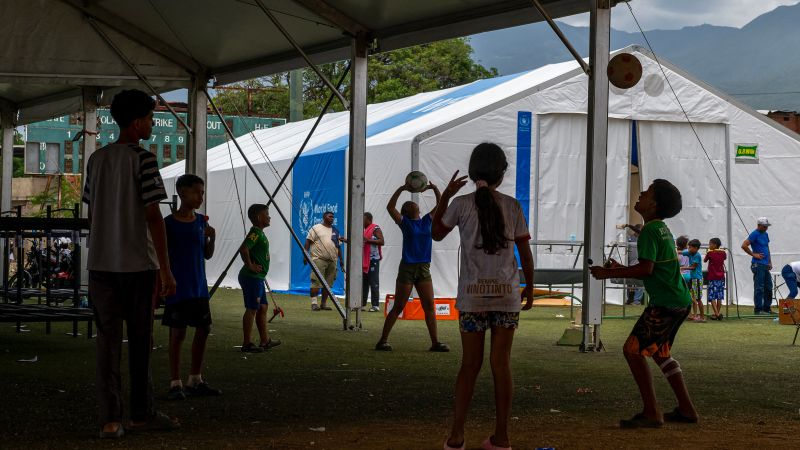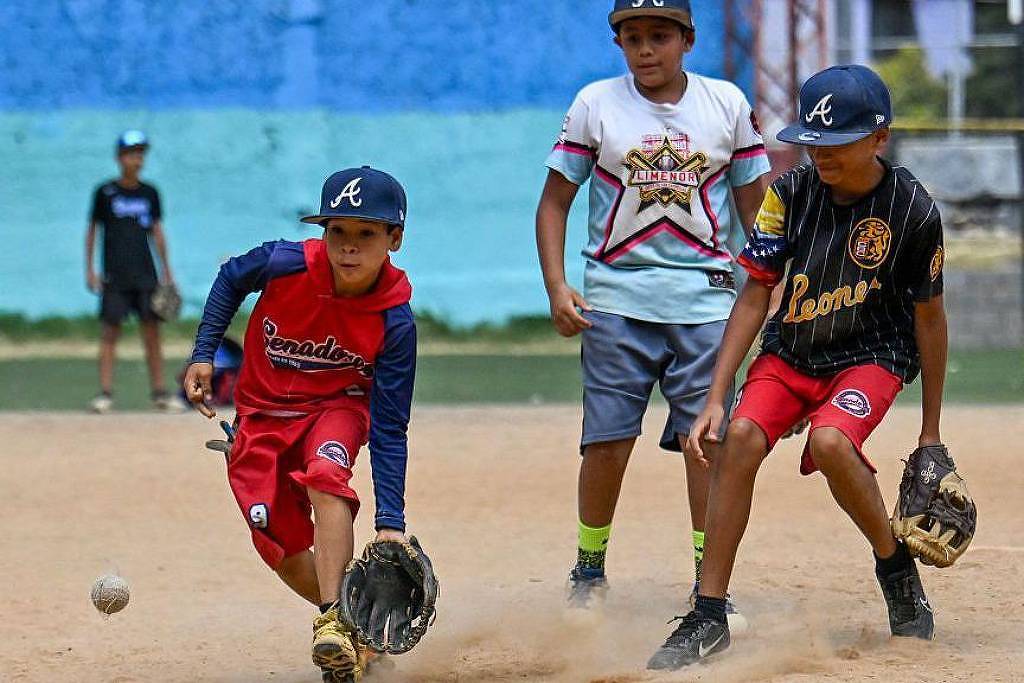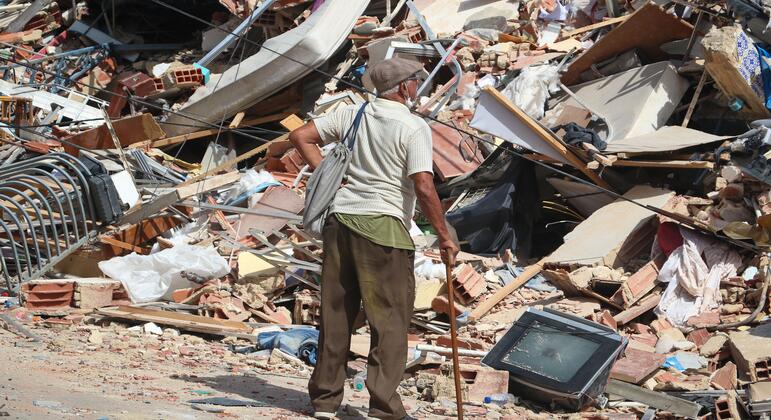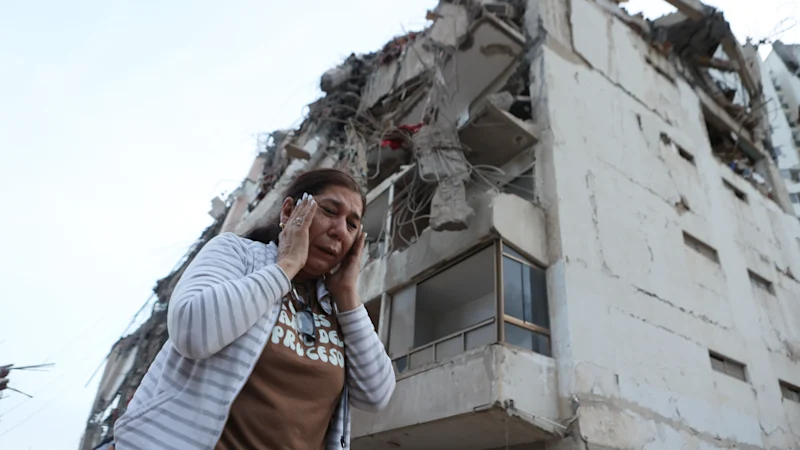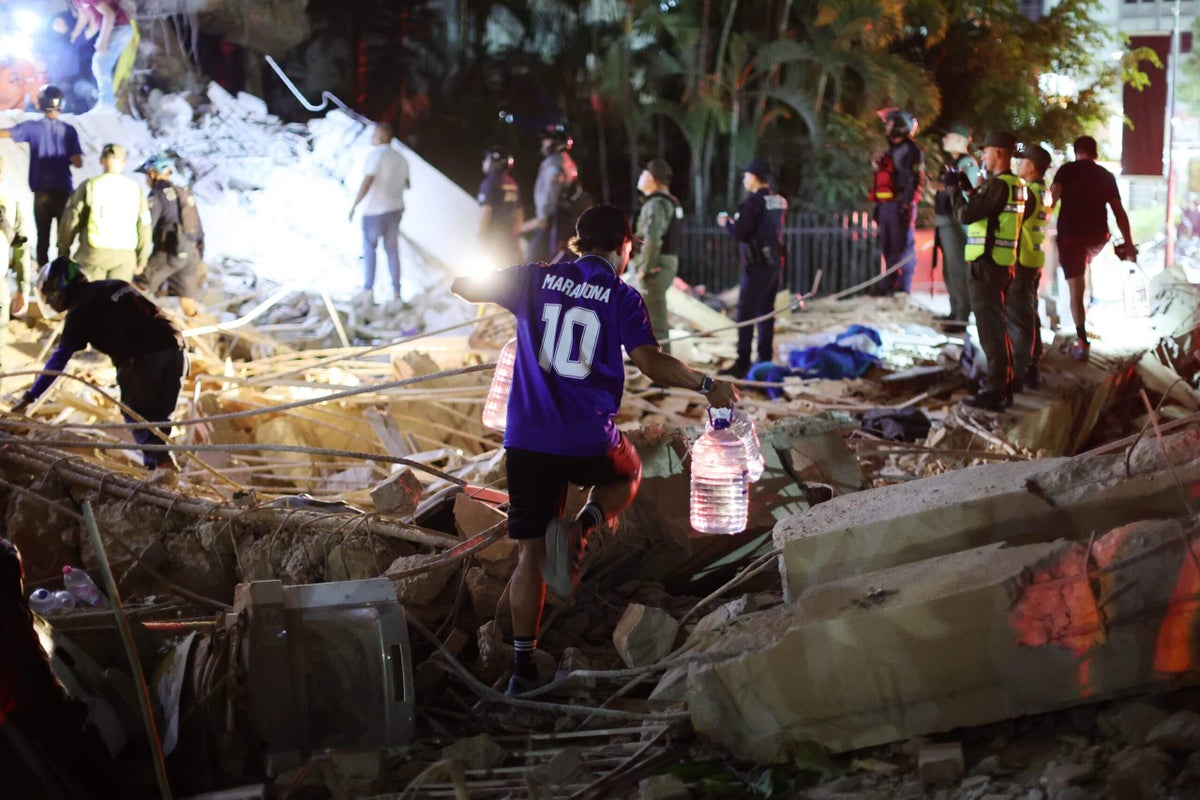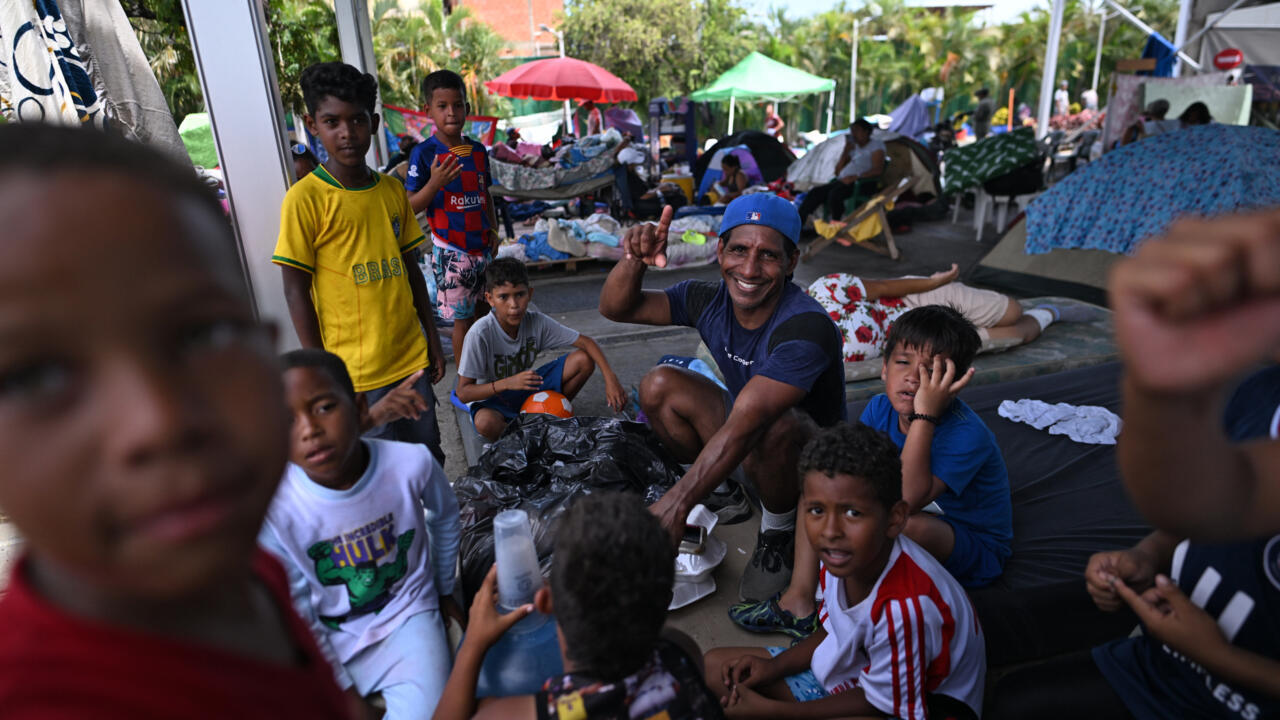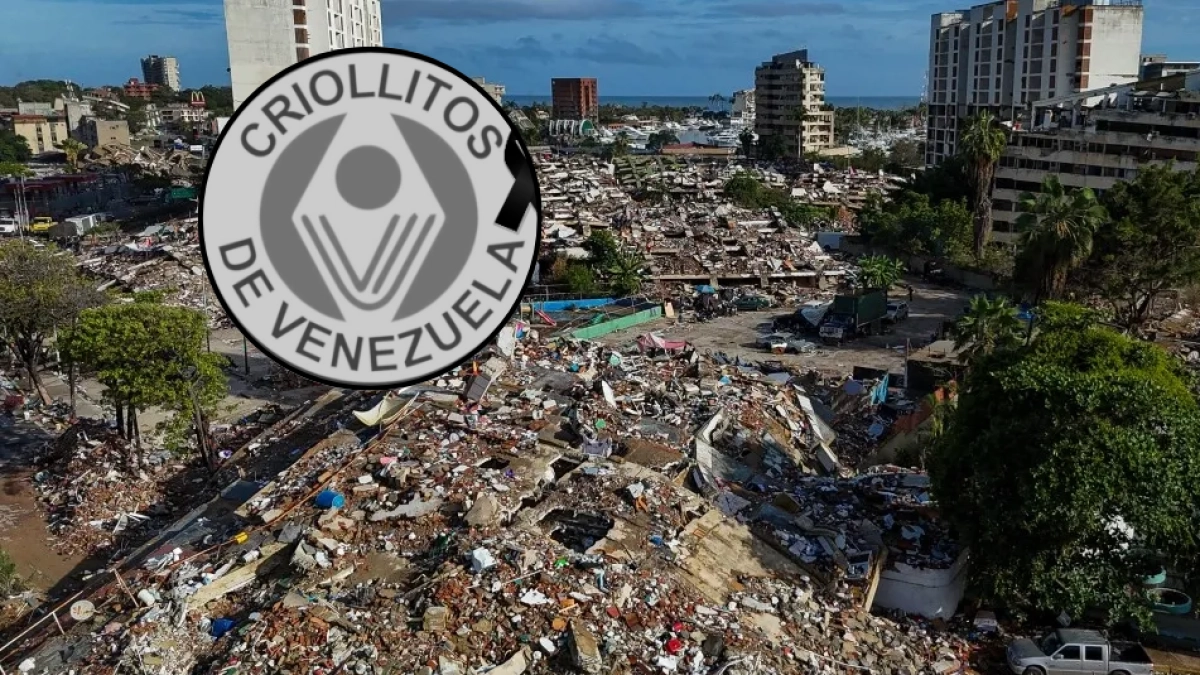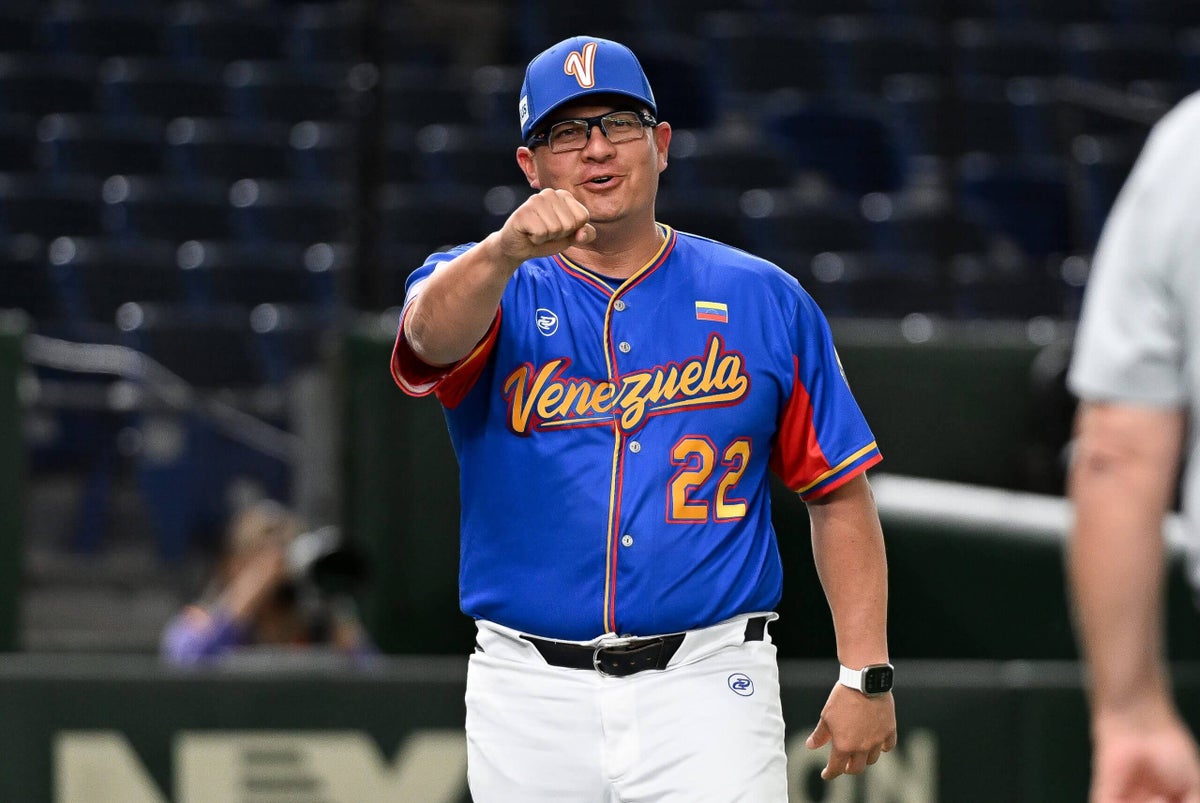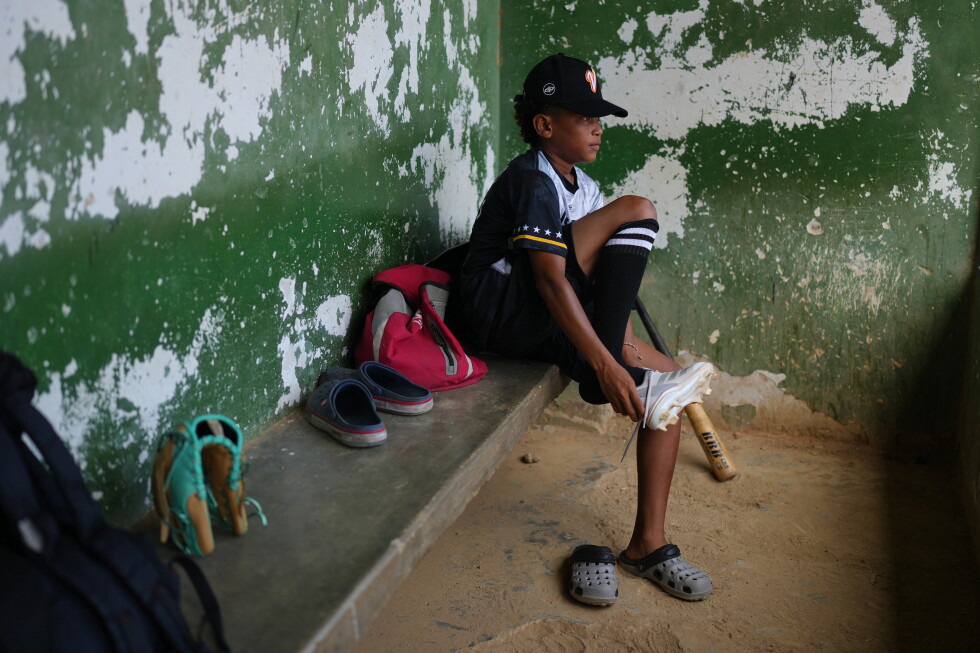
GUARACARUMBO, Venezuela (AP) — The wind picks up dirt as clouds roll over an abandoned baseball stadium at the foot of the mountain range that separates Venezuela’s coastal communities from the capital, Caracas. Young players exchange high fives and hugs, regardless of the uniforms they wear, as well as tears for the friends who are able to train and those who cannot.The soft face of shortstop Yeferson Seijas hardens when he catches a ball and throws it with the speed and precision for which he is known. He does it again, and again, and again, creating a near rhythmic pop-whoosh, pop-whoosh, as the ball hits his mitted left hand and his right immediately sends it back in the air. No hesitation betrays the emotional storm he is confronting after two powerful earthquakes on June 24 wiped out his home state of La Guaira.Yeferson, who is only 12, has lost more than most people do in a lifetime. Yet, despite the calamity, he counts himself lucky to be alive. Boys he grew up playing with, or against, are injured, orphaned, dead or missing. Some, like Yeferson, lived in public housing apartments and aspired — realistically, according to coaches — to turn their lives around through a Major League Baseball contract.“I want to provide for my family,” Yeferson said. “I want to buy my mom a house.”The earthquakes made his dream ever more pressing. Yeferson, his parents and five siblings are living in a makeshift tent in a fly-infested neighborhood baseball field, about 2 miles (3.2 km) north of the stadium. They are among the roughly 18,000 people classified as homeless by Venezuela’s government following the disaster.
A 12-year-old baseball prodigy trains through tears after Venezuela quakes leave him homeless
There were many casualties in the earthquakes that rocked parts of Venezuela last month. Thousands of lives were lost, homes destroyed, livelihoods devastated.
1,133 words~5 min read