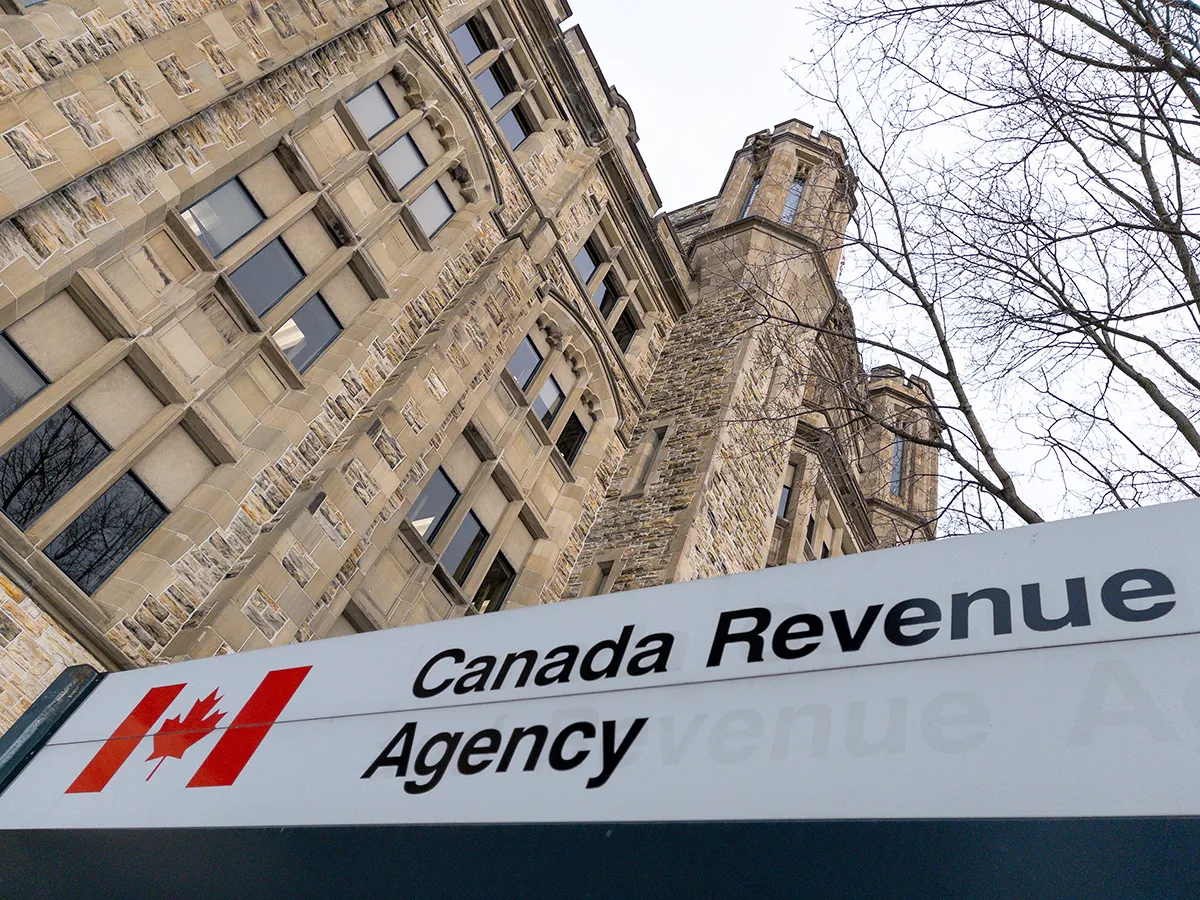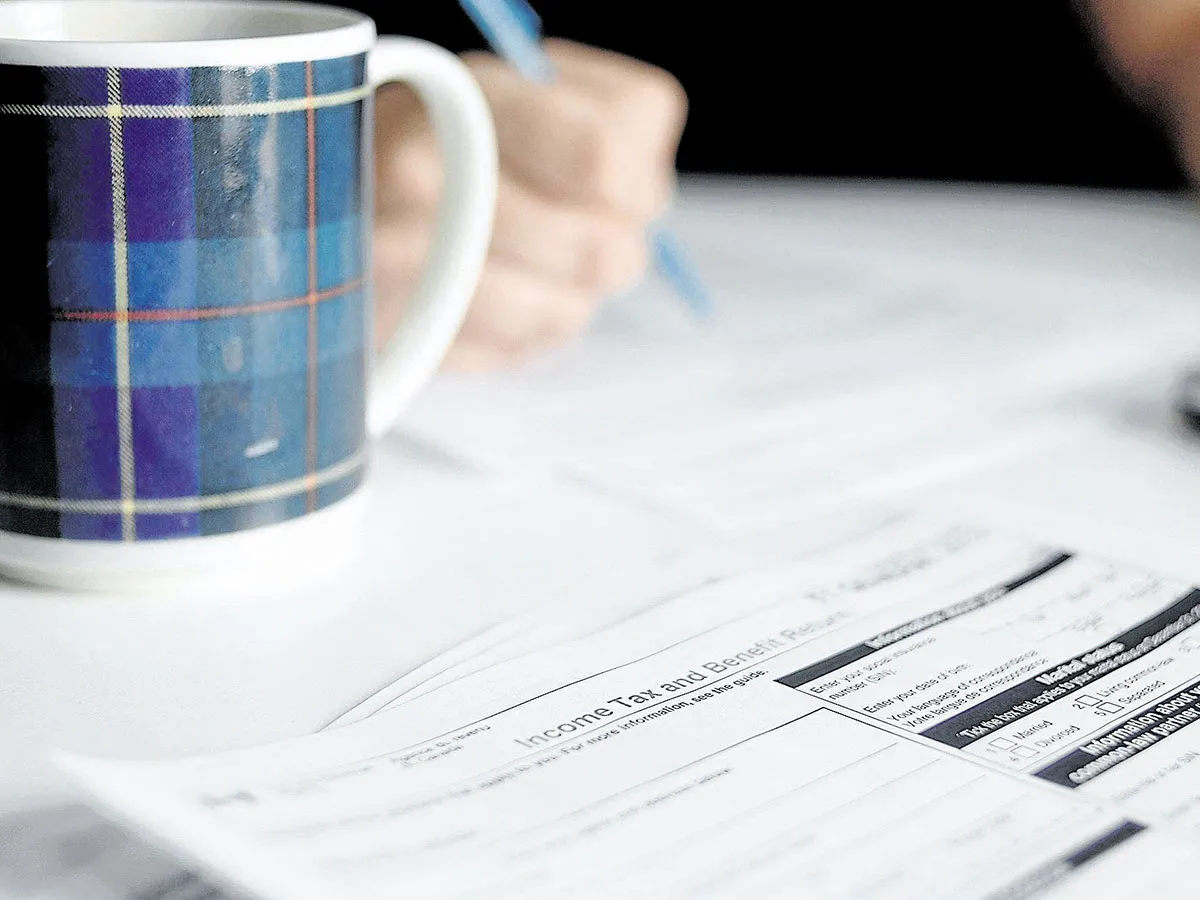
Skip to Content News Archives Economy Energy Oil & Gas Renewables Electric Vehicles Mining Commodities Agriculture Real Estate Mortgages Mortgage Rates Finance Banking Insurance Fintech Cryptocurrency Work Wealth Smart Money Wealth Management Investor Personal Finance Family Finance Retirement Taxes High Net Worth FP Comment Executive Women Puzzmo Newsletters Financial Times Business Essentials More Innovation Information Technology FP500 Podcasts Small Business Lives Told Tails Told Shopping Financial Post Store Obituaries Place a Notice Advertising Advertising With Us Advertising Solutions Postmedia Ad Manager Sponsorship Requests Classifieds Place a Classifieds ad Working Profile Settings My Subscriptions Saved Articles My Offers Newsletters Customer Service FAQ News Economy Energy Mining Real Estate Finance Work Wealth Investor FP Comment Executive Women Puzzmo Newsletters Financial Times Business Essentials HomePersonal FinanceTaxesTaxpayer double taxed here and abroad wins in court against CRAJamie Golombek: It has become more challenging for some Canadians to claim a foreign tax credit, as the CRA is demanding more proofLast updated 1 hour ago You can save this article by registering for free here. Or sign-in if you have an account.In some cases, the CRA is requesting copies of foreign tax returns, showing that foreign tax was, indeed, owing and paid. Photo by BRUNSWICK NEWS/PostmediaWe independently select everything we recommend. Buying through us may earn us a commission, which supports our work.Nobody wants to pay more than their fair share of tax. So, imagine if you had to pay double tax. In other words, what if the same income was taxed twice, once abroad, and once again in Canada? You wouldn’t be pleased. In fact, you may be so upset that you’re willing to take the tax man to court to fight it.Subscribe now to read the latest news in your city and across Canada.Exclusive articles from Barbara Shecter, Joe O'Connor, Gabriel Friedman, and others.Daily content from Financial Times, the world's leading global business publication.Unlimited online access to read articles from Financial Post, National Post and 15 news sites across Canada with one account.National Post ePaper, an electronic replica of the print edition to view on any device, share and comment on.Daily puzzles, including the New York Times Crossword.Subscribe now to read the latest news in your city and across Canada.Exclusive articles from Barbara Shecter, Joe O'Connor, Gabriel Friedman and others.Daily content from Financial Times, the world's leading global business publication.Unlimited online access to read articles from Financial Post, National Post and 15 news sites across Canada with one account.National Post ePaper, an electronic replica of the print edition to view on any device, share and comment on.Daily puzzles, including the New York Times Crossword.Create an account or sign in to continue with your reading experience.Access articles from across Canada with one account.Share your thoughts and join the conversation in the comments.Enjoy additional articles per month.Get email updates from your favourite authors.Create an account or sign in to continue with your reading experience.Access articles from across Canada with one accountShare your thoughts and join the conversation in the commentsEnjoy additional articles per monthGet email updates from your favourite authorsSign In or Create an AccountorAnd that’s exactly what one taxpayer did when the Canada Revenue Agency refused to grant her foreign tax credits for taxes she paid on investment income she earned outside of Canada. Before delving into the details of this recent case, decided earlier this month, let’s review Canada’s foreign tax credit system.Claiming a foreign tax credit is the primary way Canadian residents can avoid paying double tax on foreign income. As Canadian residents, we’re taxable on our worldwide income. That means even income earned abroad, whether it be foreign employment income or foreign investment income, is subject to Canadian tax at domestic, progressive marginal tax rates. But this foreign income, in most cases, is also subject to foreign tax in that foreign jurisdiction. To avoid paying double tax on the same income, you may be entitled to claim a foreign tax credit on your Canadian return for foreign taxes paid on that foreign income.Get the latest headlines, breaking news and columns.By signing up you consent to receive the above newsletter from Postmedia Network Inc.A welcome email is on its way. If you don't see it, please check your junk folder.The next issue of Top Stories will soon be in your inbox.We encountered an issue signing you up. Please try againFor most of us, our only experience with claiming a foreign tax credit likely occurs if we earn foreign dividends, such as U.S. dividends, in a non-registered investment account. Let’s say I own stock in a publicly traded U.S. company with a high dividend yield in my non-registered trading account. The dividend income would be subject to a 15 per cent nonresident withholding tax in the United States. I would then pay Canadian tax on the gross amount of the U.S. dividend income at my normal marginal rates when I file my Canadian return, but be entitled to claim a foreign tax credit for the nonresident tax withheld, thus avoiding double tax.In recent years, however, it has become more challenging for some Canadian taxpayers to claim a foreign tax credit, as the CRA is now demanding additional proof that foreign taxes were paid. In some cases, the agency is requesting copies of foreign tax returns, along with transcripts or assessments from the foreign jurisdictions, showing that foreign tax was, indeed, owing and paid. It seems to no longer be sufficient to simply point to the withholding tax shown on a tax slip to be entitled to claim the foreign tax credit. Which brings us to this most recent case.The taxpayer is a Canadian resident who holds investment accounts in the U.S. and Switzerland. When she filed her tax returns for her 2021 to 2024 taxation years, she claimed foreign tax credits for withholding taxes paid on dividend income that she earned on shares of German and Swiss companies in those accounts.The CRA denied the foreign tax credits, arguing that it was not enough for the taxpayer to show that tax was withheld, but rather that the taxpayer needed to show that she actually had to pay tax to Germany and Switzerland.The taxpayer argued that the only way for her to possibly show this is to produce tax assessments from those countries. But the taxpayer does not have tax assessments from Germany or Switzerland because she earned too little income in those countries to justify the expense of having the foreign returns prepared.The judge reviewed the facts of the case, noting that the CRA seems to be taking a position contrary to its own published administrative policy, as outlined in Income Tax Folio S5-F2-C1, Foreign Tax Credit. This folio sets out the documentary evidence that the CRA expects from a taxpayer claiming a foreign tax credit, and seems to specifically (at paragraph 1.45) contemplate a situation like the taxpayer’s where income tax is withheld at source. The folio states that if “a taxpayer’s foreign tax liability is settled by an amount withheld by the payer of the related income (that is, in a way which is analogous to tax under Part XIII of the Act), a copy of the foreign tax information slip is usually satisfactory. In most other cases, a copy of the tax return filed with the foreign government is required together with copies of receipts or documents establishing payment.”The reference to “Part XIII of the Act” is referring to Canada’s own Income Tax Act, and our withholding tax regime under that part of the Act, which imposes Canadian withholding taxes on Canadian dividend income paid to non-residents of Canada. As the judge noted, the taxpayer’s situation seems to be “certainly analogous to tax under Part XIII.”The CRA was unable to explain why the agency did not consider the foreign tax information slips provided by the taxpayer to be satisfactory. It didn’t appear to be due to any concerns about their authenticity or accuracy.Instead, the CRA referred to two prior Tax Court decisions where taxes had initially been withheld from income, but when the Canadian taxpayers filed their tax returns with the foreign government, it turned out that they did not have to pay any tax to the foreign government because they qualified for various credits.While the judge agreed that those two cases stand for the proposition that a taxpayer can’t claim a foreign tax credit if they did not, in fact, pay foreign tax, “(t)hey do not, however, stand for the proposition that taxpayers must provide foreign tax assessments in order to claim foreign tax credits.”As a result, the judge was satisfied that the taxpayer did, indeed, pay nonresident tax to both Germany and Switzerland, and ordered the matter sent back to the CRA to allow the appropriate foreign tax credits.Jamie Golombek, FCPA, FCA, CFP, CLU, TEP, is the managing director, Tax & Estate Planning with CIBC Private Wealth in Toronto. Jamie.Golombek@cibc.com.If you liked this story, sign up for more in the FP Investor newsletter. Join the Conversation This website uses cookies to personalize your content (including ads), and allows us to analyze our traffic. Read more about cookies here. By continuing to use our site, you agree to our Terms of Use and Privacy Policy.
Taxpayer double taxed here and abroad wins in court against CRA
Jamie Golombek: It has become more challenging for some Canadians to claim a foreign tax credit, as the CRA is demanding more proof. Read on
1,524 words~7 min read