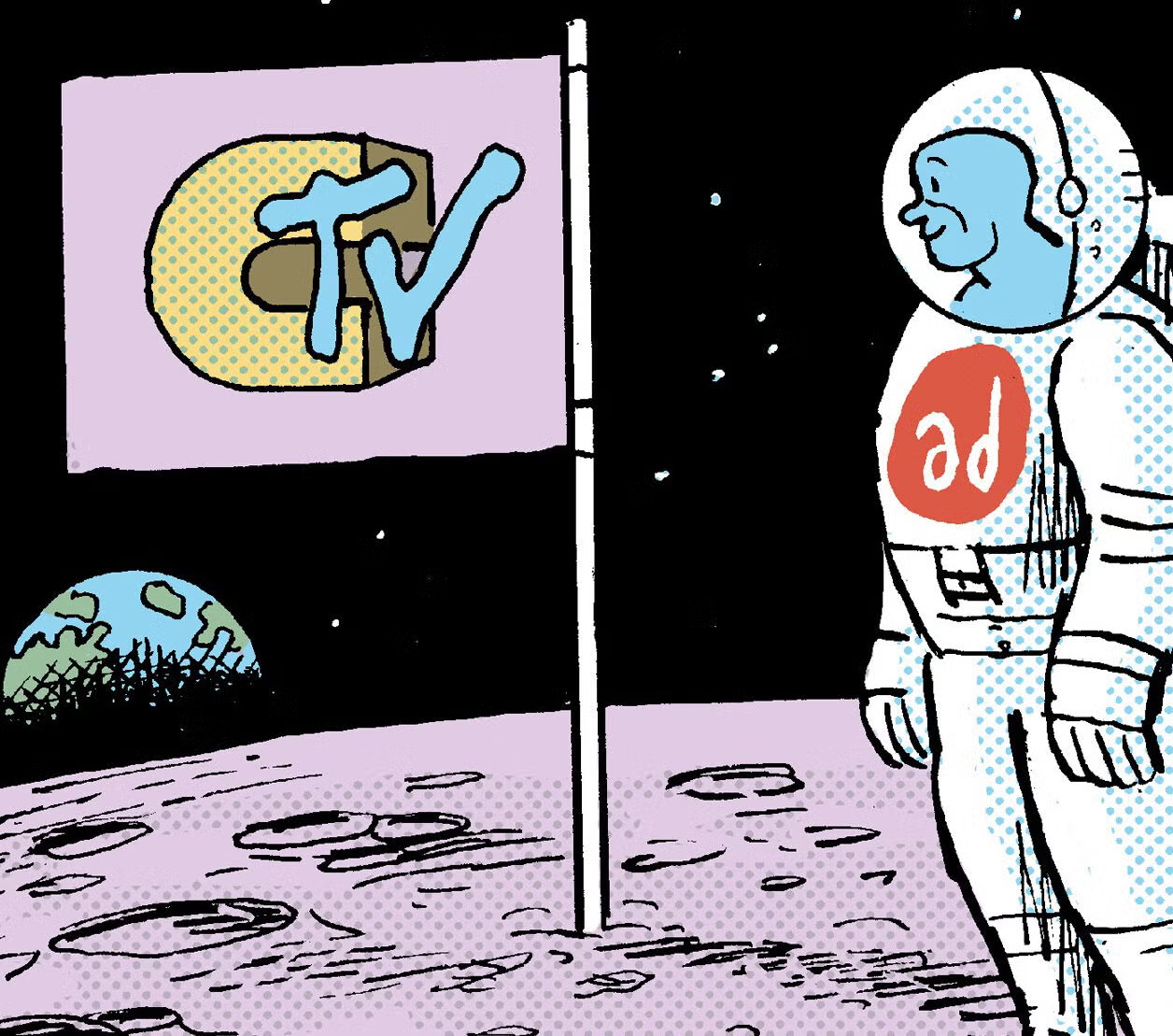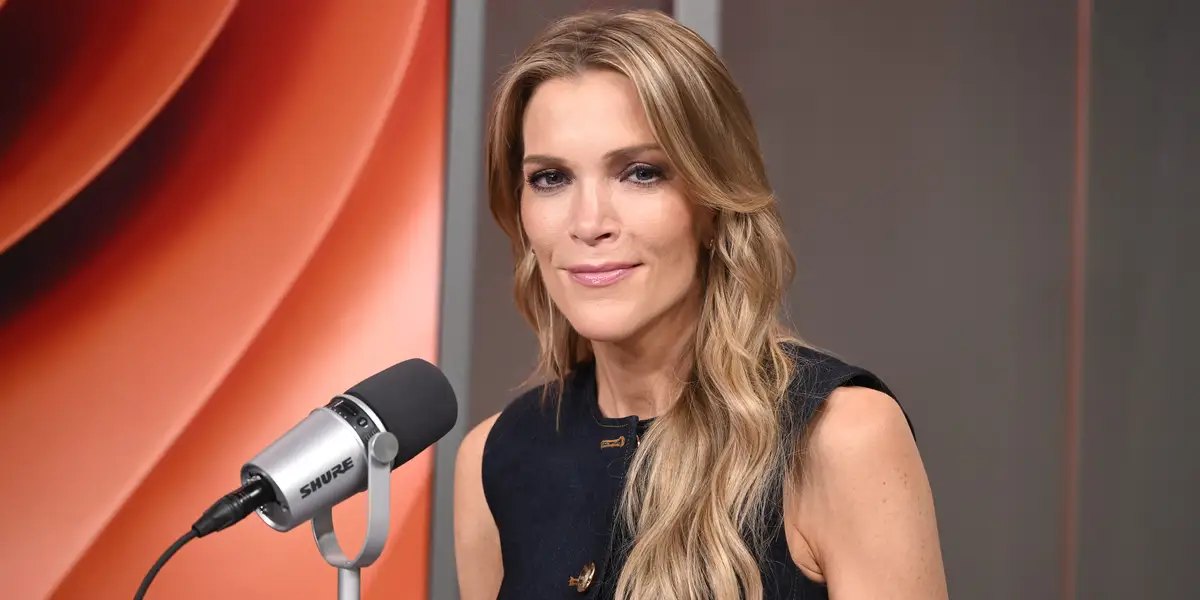
Megyn Kelly was a TV personality at Fox and then NBC. Now she's a podcaster — which means she's still kind of a TV personality, since podcasts are becoming TV. Fox's Red Seat Ventures, which sells ads for her show, is happy no matter how audiences consume her stuff.
Gary Gershoff/Getty Images
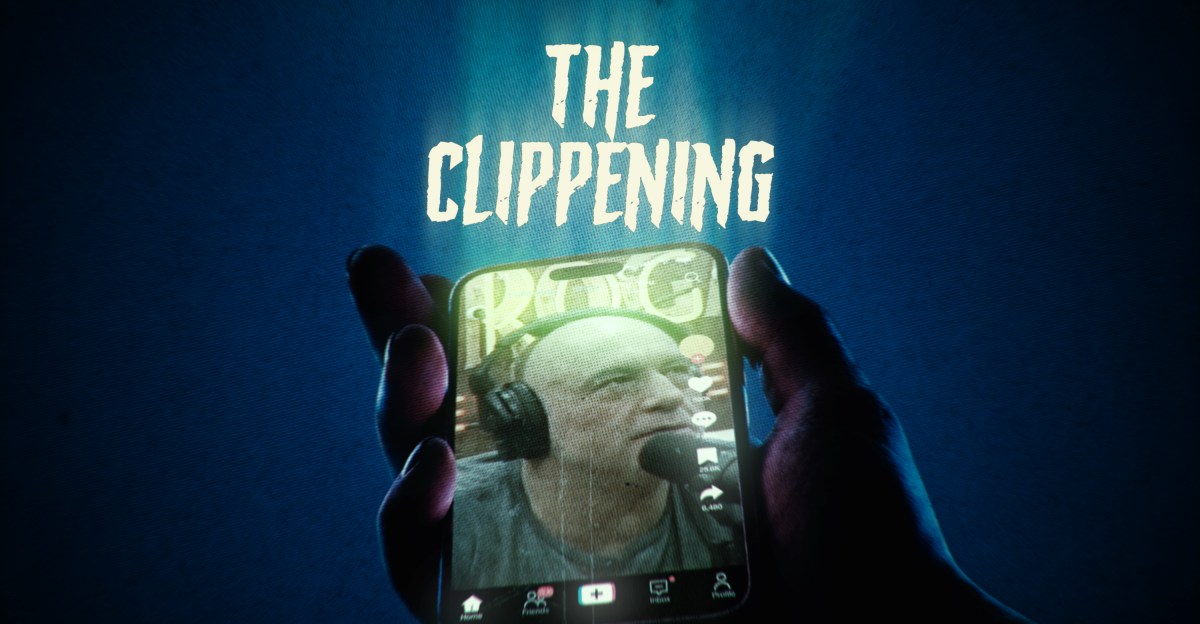
"Podcasting" is a term that's so old it refers to a device you can't even buy anymore.But it's outdated for another reason, says podcast executive Chris Balfe: The line between traditional podcasts — delivered via audio files — and TV talk shows delivered over the internet — has basically collapsed, and now they're all the same thing.That's why Netflix has been investing in exclusive podcast deals — it thinks they are a low-cost way to bulk up its video offerings. And it's why the biggest buzz in podcasting right now is around "clipping" —chopping up longer podcast interviews and distributing them in bite size to video platforms like TikTok and Instagram's Reels.But Balfe, whose Red Seat Ventures provides production services and ad sales for podcasters or whatever you call them, like Tucker Carlson and Megyn Kelly, doesn't love the idea of Netflix getting exclusive rights to podcasts. And he's strongly against the idea of his talent willingly turning their long-form interviews, which generate revenue for them, into clips that generate zero revenue for the creators — even as he acknowledges that many of his podcasters want to do that, anyway.I periodically check in with Balfe, who sold Red Seat to Rupert Murdoch's Fox Corp. last year. to get a front-line report on his industry. You can listen to our most recent conversation on my Channels podcast, which includes a discussion of what life is like inside Fox these days. The following is an edited excerpt of our conversation:Peter Kafka: Netflix has been paying podcasters to put their shows exclusively on Netflix and take them off of places like YouTube. Do we know if this is working for Netflix, and for the podcasters?Chris Balfe: Let me preface this by saying these guys built a $300 billion business and I didn't, so they're pretty smart: I hate it.