Bitcoin’s performance in the second quarter of 2026 showcased its continued inverse relationship with the U.S. dollar and alignment with the declining gold market. However, it did not participate in the S&P 500’s significant rally, which saw the index rise approximately 15% to near record highs. This divergence occurred despite Bitcoin’s historical correlation with equities, primarily due to expectations of tighter monetary policy and specific selling pressures within the cryptocurrency market. Gold prices fell below $4,500 per ounce as markets adjusted to the possibility of a hawkish pivot from the Federal Reserve toward rate hikes rather than cuts.
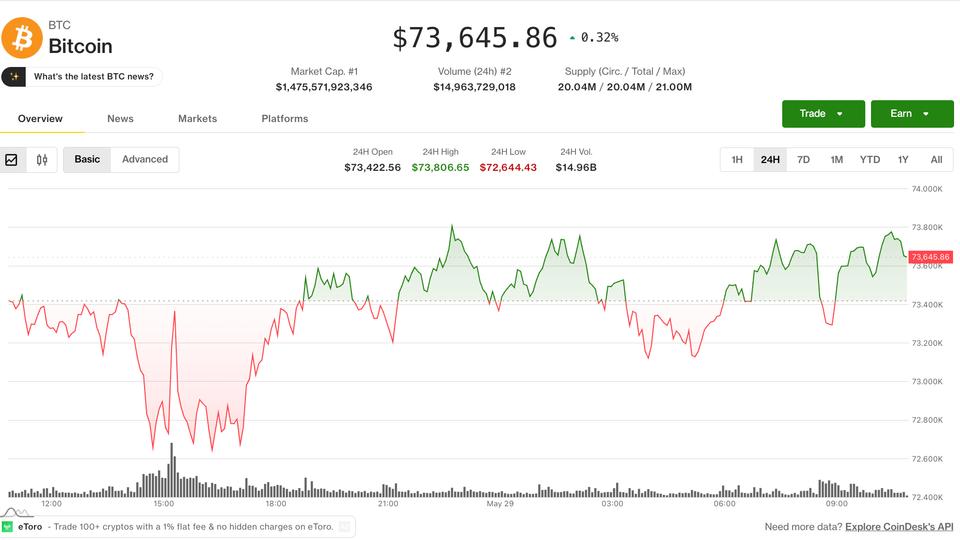
Market participants have taken note of these dynamics, with Bitcoin within a $61,000 to $73,000 price band, unable to breach the $80,000 resistance level. Conversely, the S&P 500 achieved its best quarterly gain since Q2 2020, driven by factors such as a Supreme Court decision affirming Federal Reserve independence and progress in U.S.-Iran peace talks, which reduced geopolitical tensions. Despite institutional demand and ETF inflows providing some support, Bitcoin’s inability to mirror the equity market’s rise highlights the impact of macroeconomic expectations and crypto-specific factors on its trajectory.