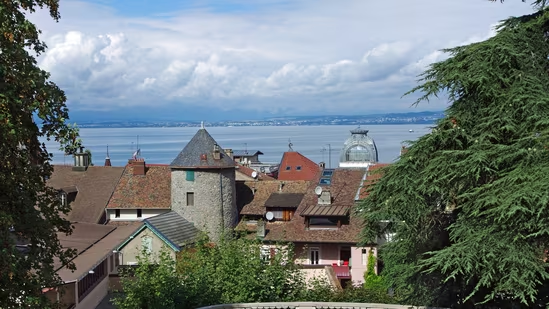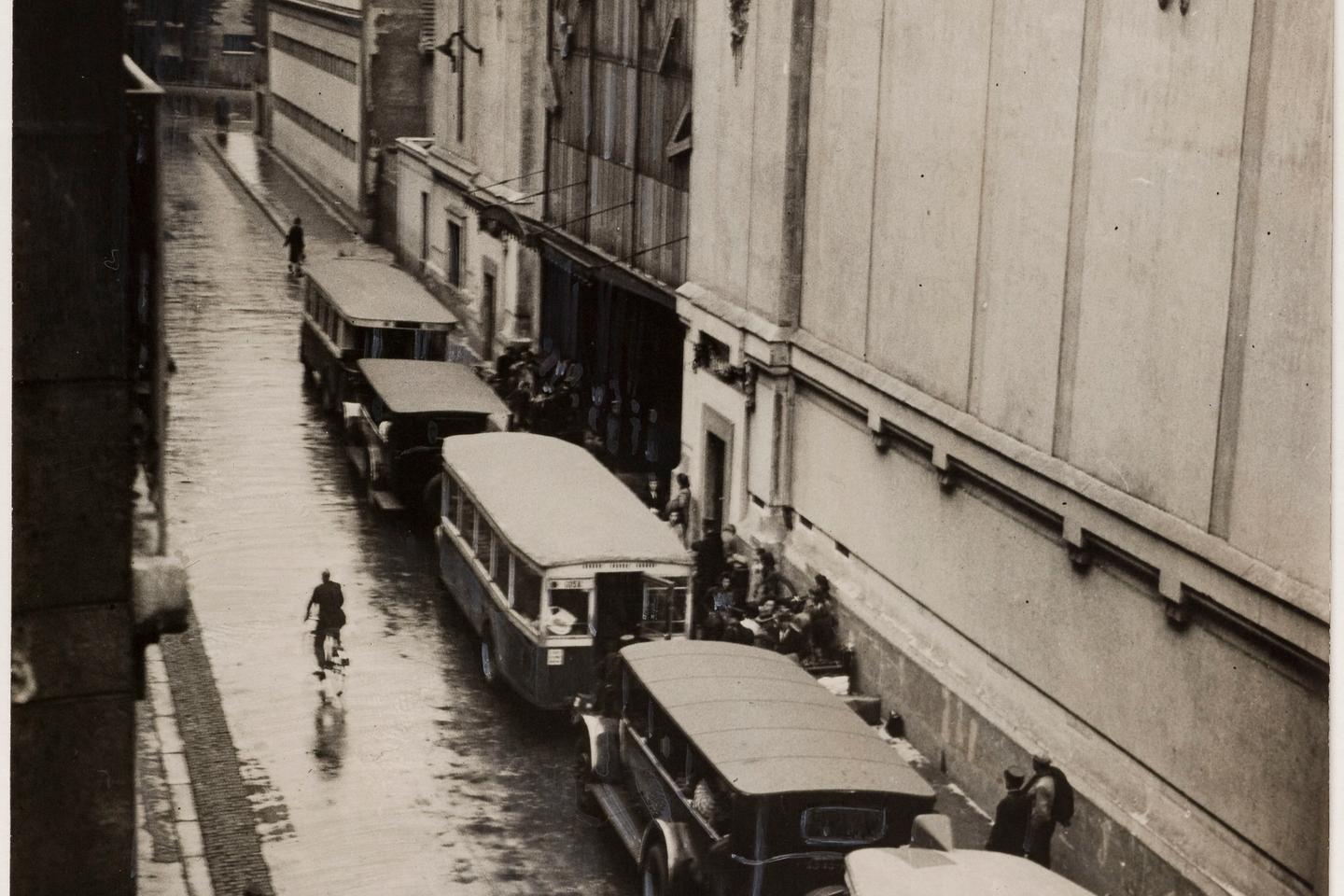
From July 6 to 15, 1938, representatives from 32 countries and dozens of humanitarian organizations gathered for a conference in the upscale spa town of Evian on the French side of Lake Geneva. The idea was to address the issue of how to deal with half a million Jews being persecuted in the Third Reich.
This was five and a half years after Adolf Hitler's rise to power in Germany and three and a half months after the annexation of Austria. The Nazi regime had not yet begun itssystematic process of mass murder — but the situation for Jewish people had been deteriorating steadily since 1935.After the annexation of 1938, Jews were forced to clean the streets of Vienna on their kneesImage: World History Archive/IMAGO
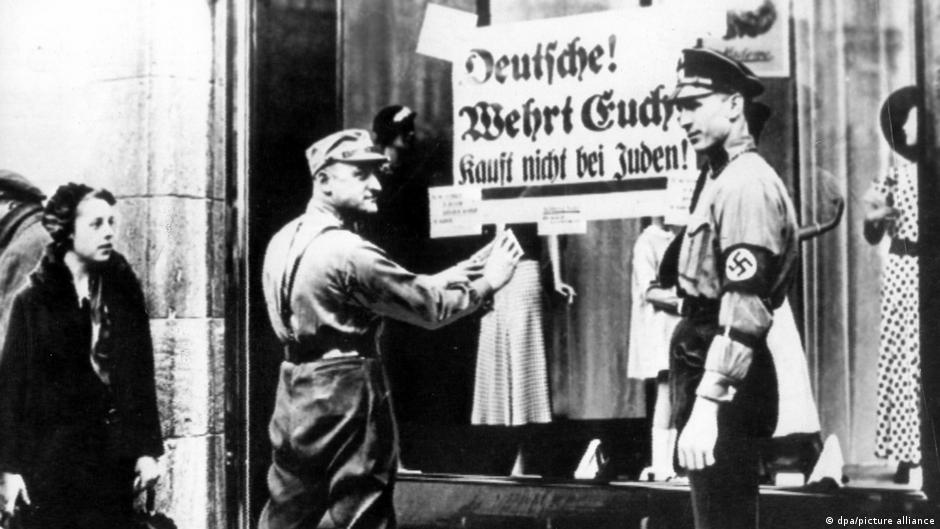
The racist Nuremberg Laws, which were enacted in 1935 and stripped Jews of German citizenship, were internationally known — as was the fact that Jews had been excluded from schools, universities and public life, and that those who wanted to leave what was now "Greater Germany" had to relinquish a large proportion of their assets.
As early as 1933, shortly after the Nazis seized power, the League of Nations, the precursor to the United Nations, appointed the US national James McDonald to chair the High Commission for Refugees from Germany. He resigned in 1935, despairing at the unwillingness of the world's governments to take the problem seriously.