Tender documents became available on July 15, a pre-bid conference is scheduled for July 29, bids close on October 13, and technical bids will be opened on October 14
| Photo Credit:
Freepik
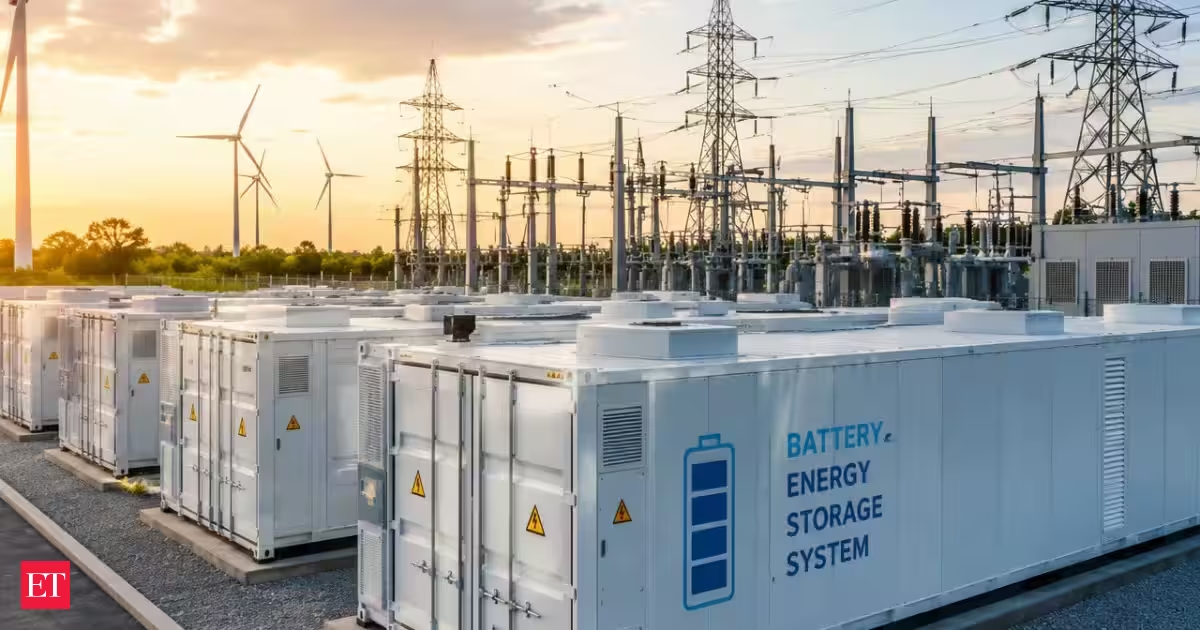
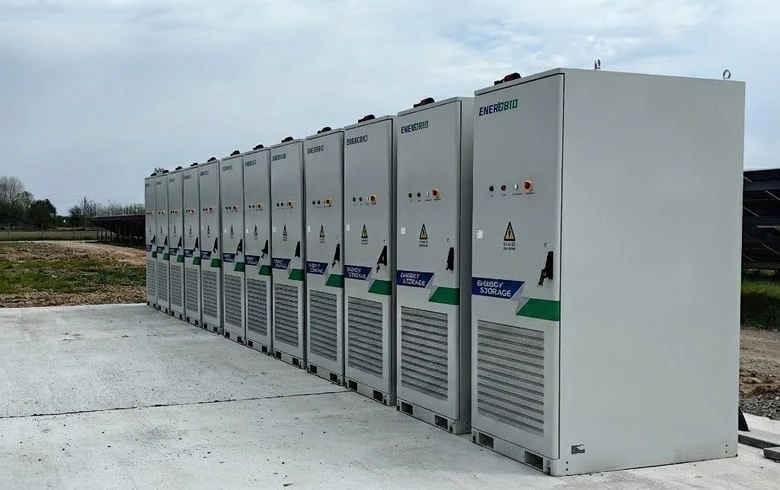
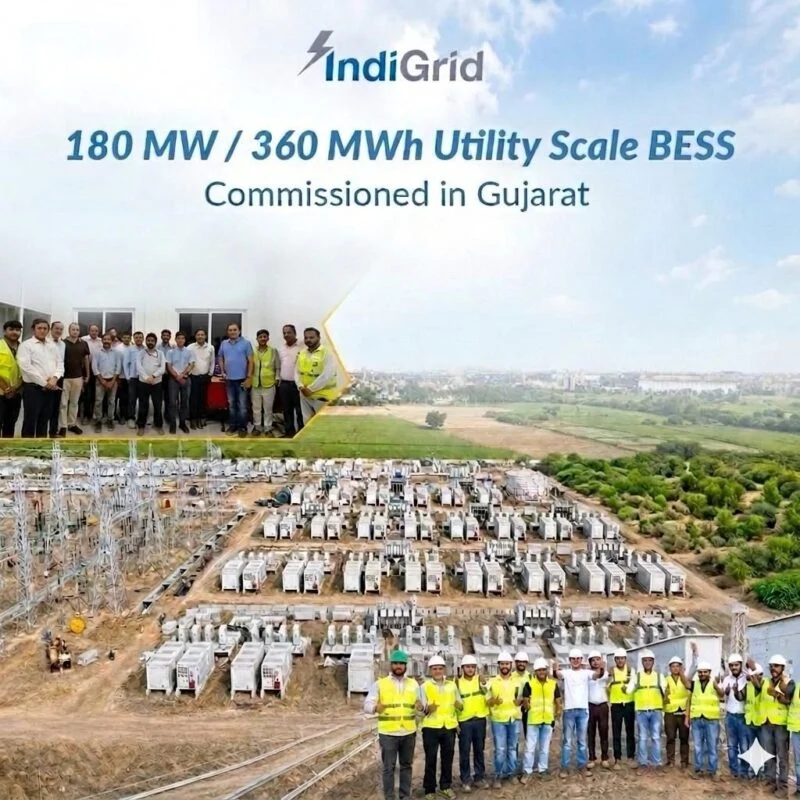
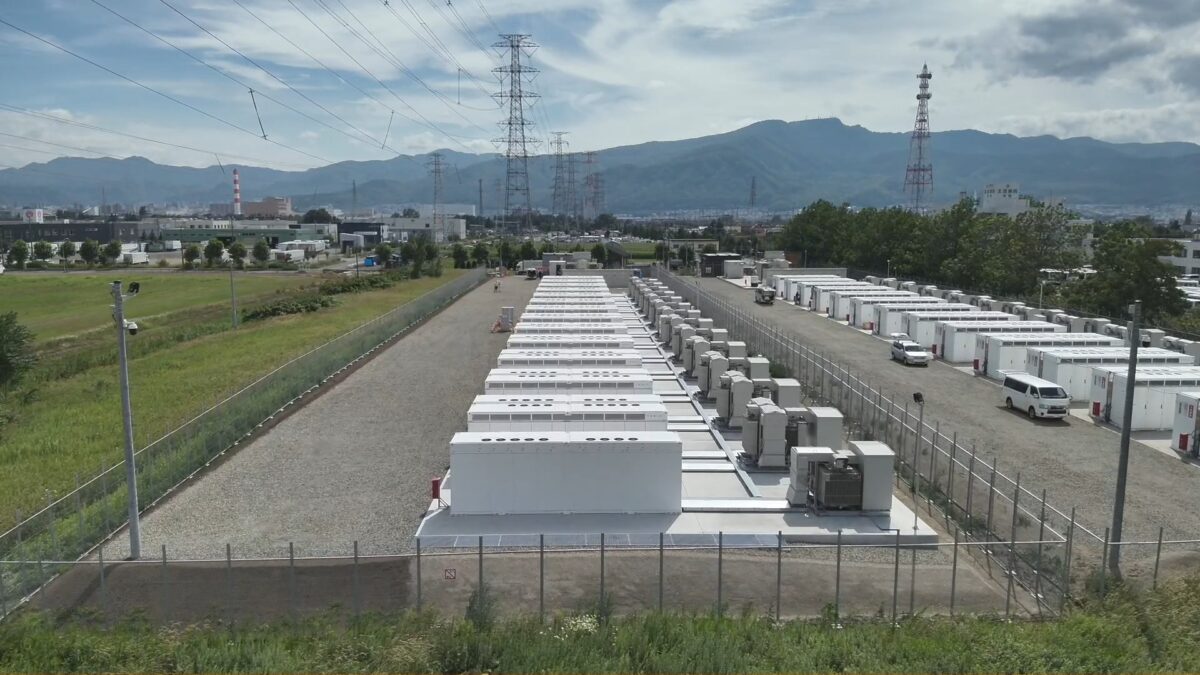
The Ministry of Heavy Industries (MHI) on Wednesday invited global bids to establish 10 GWh of advanced chemistry cell (ACC) manufacturing capacity dedicated exclusively to grid-scale stationary storage (GSSS) under the government’s ₹18,100-crore production linked incentive (PLI) scheme, carving out the final 20 per cent of India’s 50 GWh battery-manufacturing programme for the power sector in a move aimed at reducing dependence on imported battery cells and strengthening the domestic battery energy storage systems (BESS) ecosystem.Tender documents became available on July 15, a pre-bid conference is scheduled for July 29, bids close on October 13, and technical bids will be opened on October 14 through a two-stage quality and cost-based selection (QCBS) process.Why this 10GHW is critical for India’s BESS (battery energy storage systems) industryAn industry expert said the government has aligned the tender with recent policy support for domestic battery manufacturing, including customs-duty relief on battery-manufacturing equipment, improving the economics of setting up gigafactories. Combined with incentives under the ACC PLI scheme, the measures strengthen the business case for manufacturing grid-scale battery cells in India, although the eventual cost benefits will depend on localisation, production volumes and execution.The benefits are expected to extend across the battery value chain. Battery manufacturers with existing or planned cell-production capacity that secure allocations under the tender stand to gain the most. Companies such as Reliance New Energy, Tata Group’s Agratas, Exide Energy Solutions and Amara Raja Advanced Cell Technologies are among those strategically positioned to benefit, although it is too early to identify likely bidders before companies evaluate the RFP.The gains, however, will not be confined to cell manufacturers. Renewable-energy developers including NTPC Green Energy, Tata Power Renewable Energy, Adani Green Energy, JSW Energy and ReNew Energy could benefit from improved domestic availability of battery cells for solar-plus-storage and round-the-clock renewable-energy projects, reducing dependence on imports and improving supply-chain visibility.Engineering and electrical-equipment companies such as Larsen & Toubro, ABB India, Hitachi Energy India, Siemens India and Schneider Electric India could also see higher demand for Battery Management Systems (BMS), Power Conversion Systems (PCS), switchgear, thermal-management solutions and grid-integration equipment as domestic manufacturing expands and utility-scale battery projects gather pace.Why it mattersThe announcement marks a strategic shift in India’s battery policy. While the first 40 GWh under the ACC PLI was not reserved for any specific application, the final 10 GWh has been earmarked exclusively for grid storage, creating a dedicated manufacturing pipeline for the power sector rather than forcing utilities to compete with electric-vehicle demand. Until now, utility-scale BESS projects have relied largely on imported battery cells, exposing developers to freight costs, exchange-rate volatility and supply-chain disruptions.The timing is significant. The Central Electricity Authority estimates India will require 41.6 GW/208.3 GWh of battery energy storage by 2030 to support rising renewable-energy capacity. Against that requirement, the proposed 10 GWh manufacturing capacity represents only about 5 per cent of projected demand, highlighting that the objective is to establish a domestic manufacturing base rather than meet the country’s entire storage requirement.A utility-scale BESS project comprises far more than battery cells. It incorporates battery-management software, power electronics, cooling systems, fire-protection systems, enclosures and civil infrastructure. Battery cells and packs account for roughly 50-60 per cent of system cost, with the remainder spread across power-conversion systems, thermal management and engineering.Lower import dependence, stronger project economicsRenewable-energy developers, independent power producers and electricity distribution companies could benefit from greater supply-chain visibility and lower dependence on imported battery cells. Domestic manufacturing could gradually reduce freight and currency risks while improving the bankability of utility-scale storage projects, although the extent of cost reductions will depend on domestic value addition, manufacturing scale and global raw-material prices.Commercial and industrial consumers—including factories, data centres and large commercial complexes—could also benefit over time as battery economics improve, enabling greater use of behind-the-meter storage to shift electricity consumption away from expensive peak-hour tariffs.Beyond lithiumThe dedicated grid-storage allocation could also broaden the battery technologies manufactured in India. Unlike electric vehicles, where energy density is critical, stationary storage prioritises cost, safety and cycle life. That creates opportunities for alternative chemistries, including sodium-ion alongside lithium-based technologies, subject to the RFP’s technical and performance requirements.Industry experts spoken have said the success of the scheme will depend on attracting manufacturers with proven technology and strong balance sheets while ensuring a sustained pipeline of storage tenders that keeps new factories commercially viable.Published on July 15, 2026