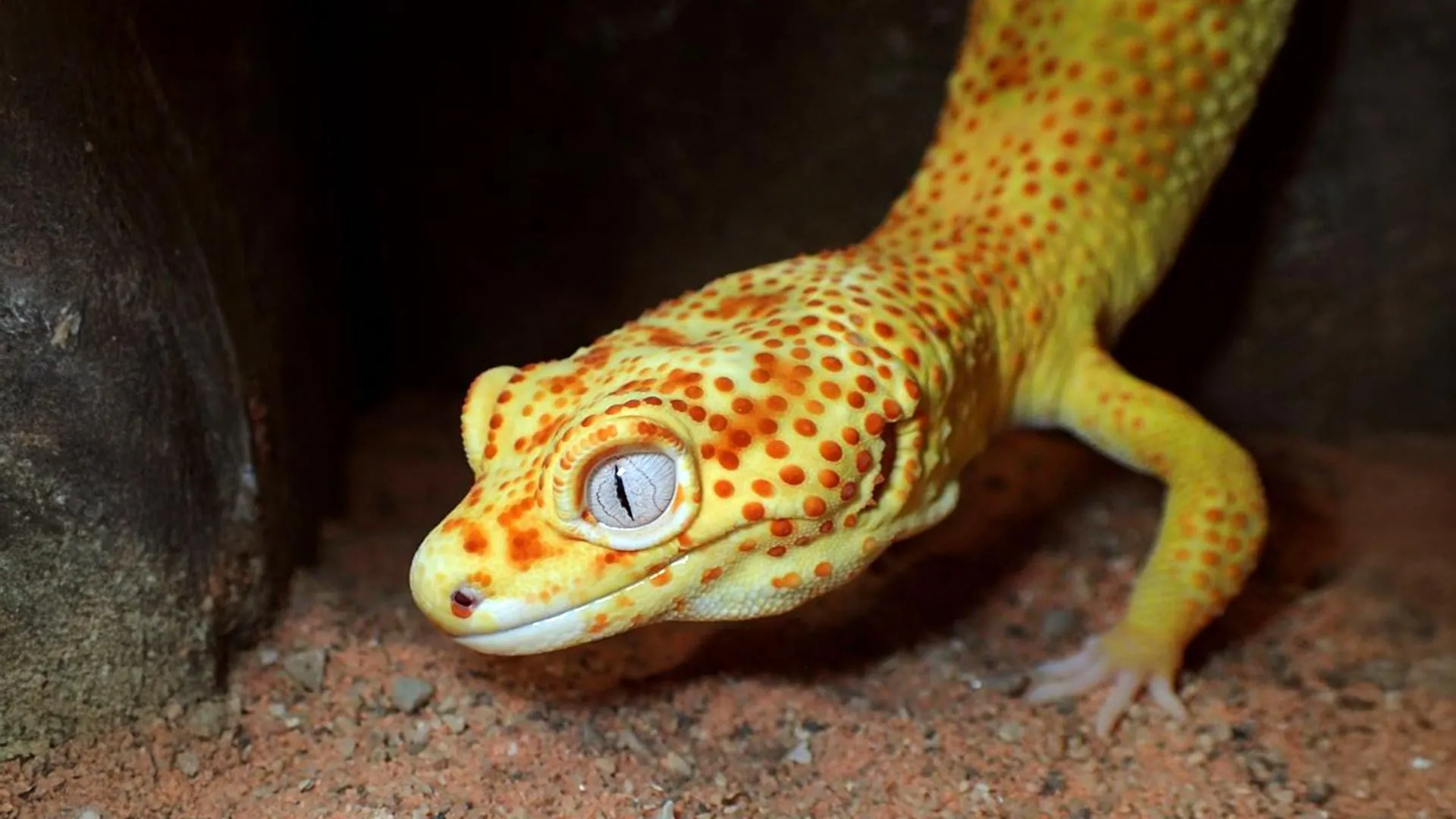
A colorful pet gecko that is unusually prone to developing cancer could become an important new tool for researchers studying how tumors form and spread. Scientists say the animal's naturally occurring cancers may offer valuable insights into why some species are highly vulnerable to the disease while others are remarkably resistant.
The research, led by the University of Nottingham and published in BMC Biology, identified genetic changes linked to tumors in a special variety of leopard gecko. Many of those changes involve the same genes and biological pathways associated with human cancers, raising the possibility that this reptile could help advance cancer research.
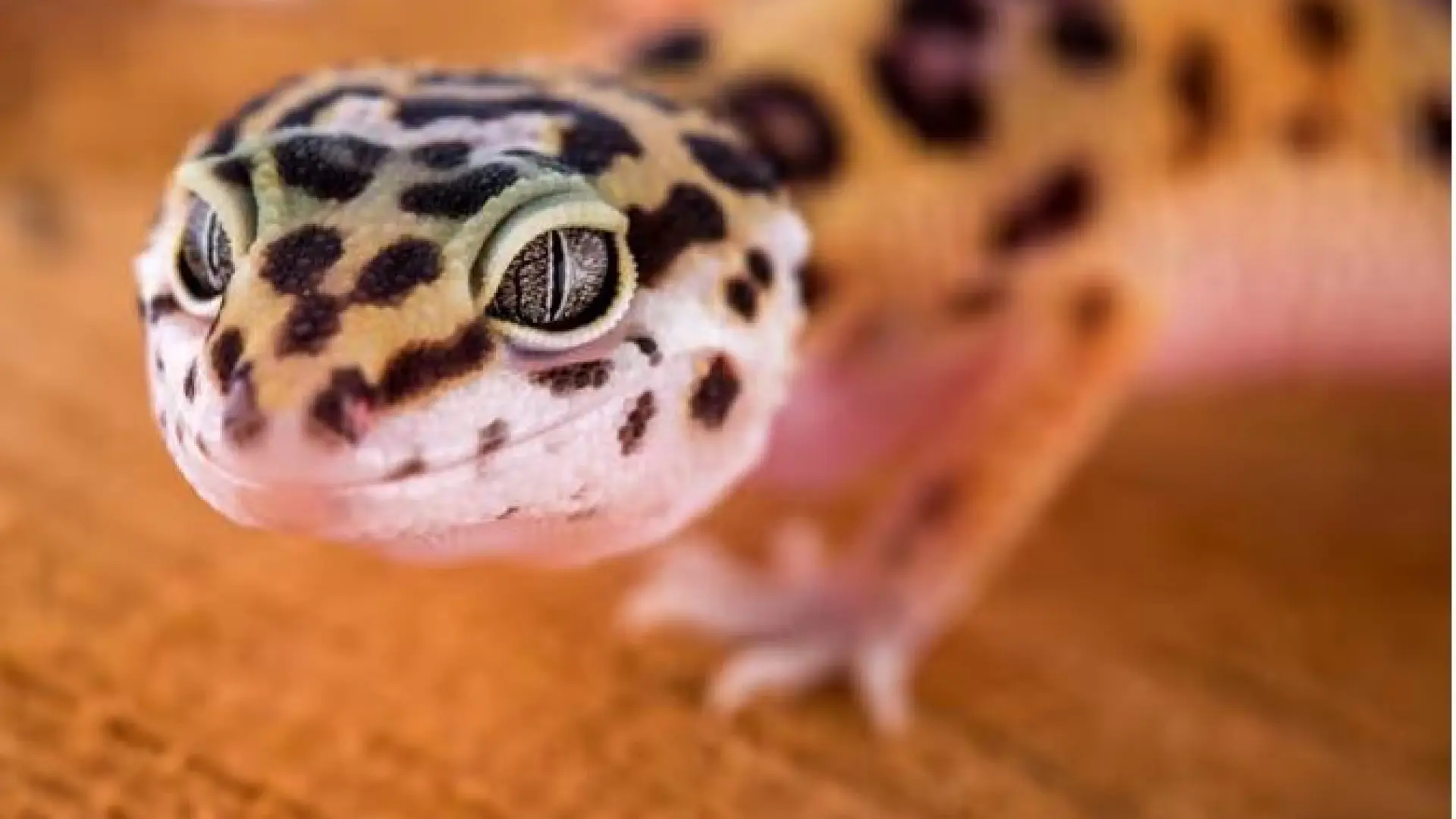
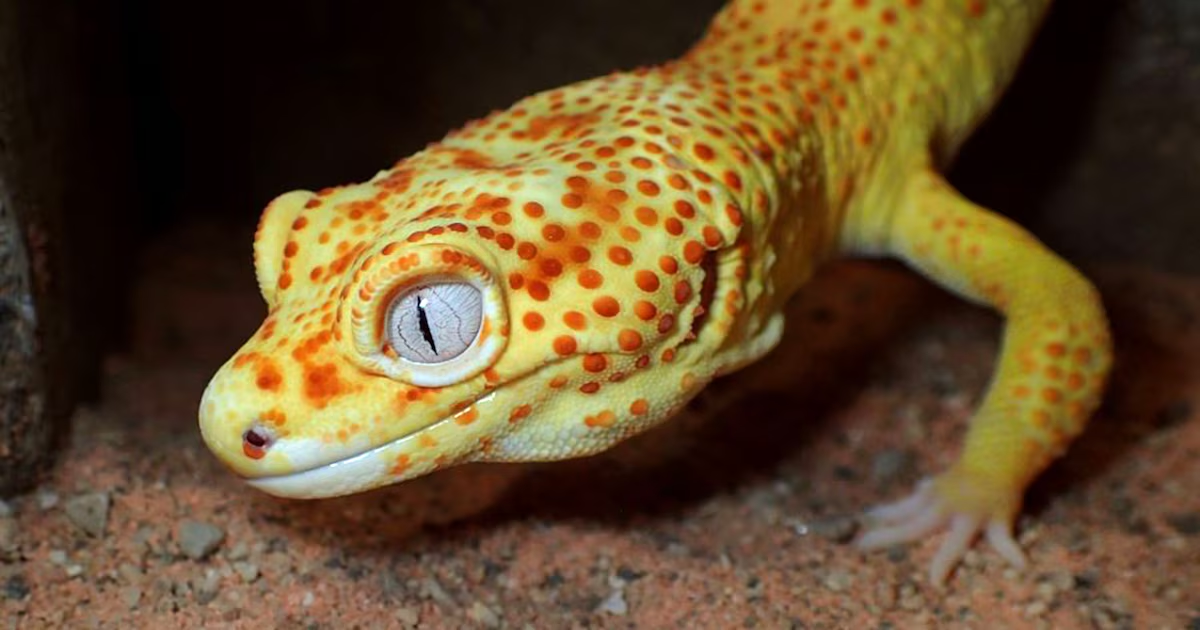
Among reptiles, cancer risk varies widely. Turtles and tortoises rarely develop the disease, but a white and yellow leopard gecko known in the pet trade as the "lemon frost" morph develops aggressive tumors in about 80% of individuals.
The study was led by Dr. Ylenia Chiari from the School of Life Sciences at the University of Nottingham.
The international research team also included PhD researcher Brandon Hastings (University of Nottingham), Dr. Scott Glaberman (University of Birmingham), Dr. Tony Gamble (Marquette University), Dr. Robert Ossiboff (University of Florida), and Virginia Gazziero and Dr. Giulio Caravagna (University of Trieste).