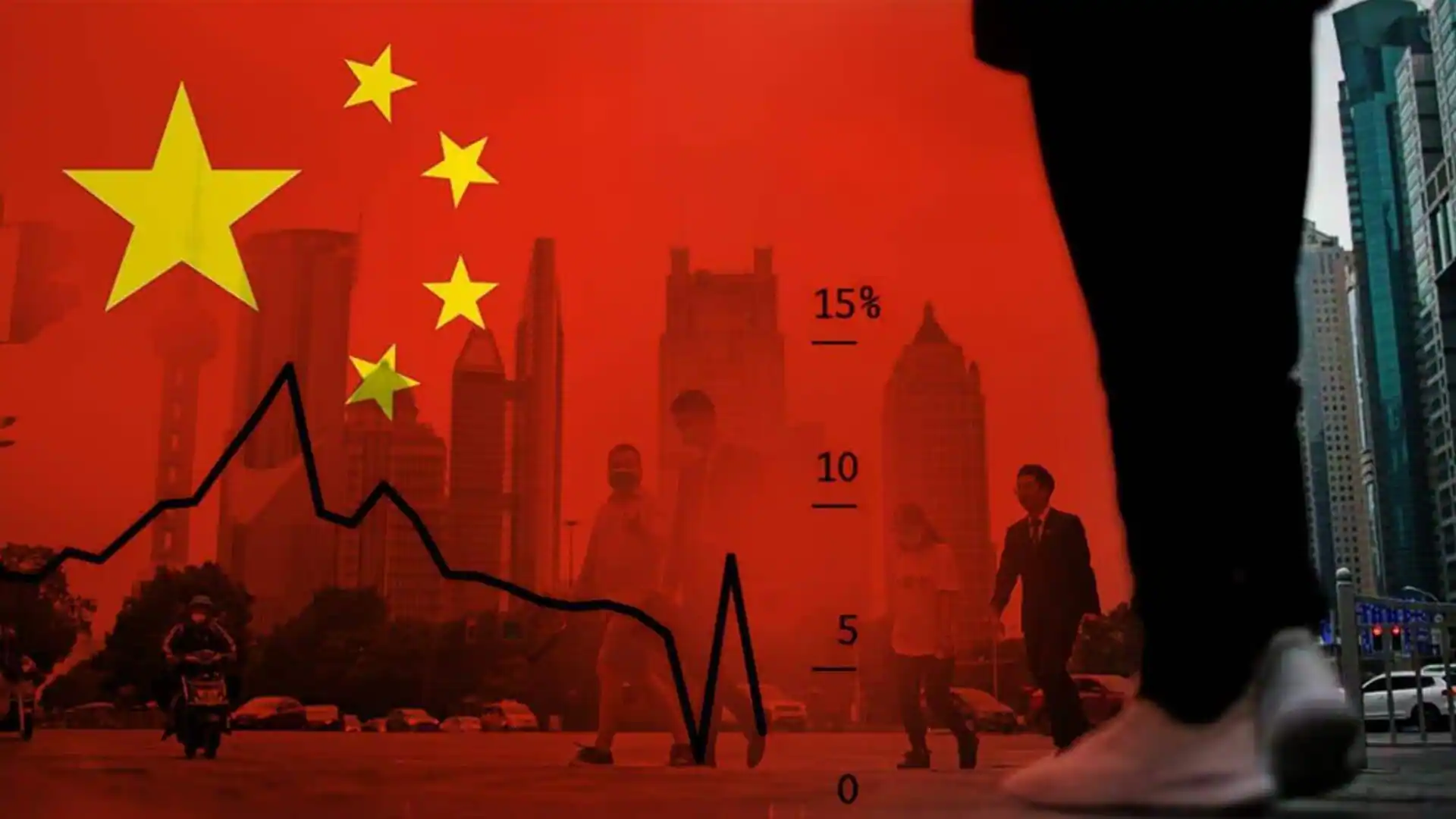
China just delivered its worst quarterly growth number since late 2022, and the implications stretch well beyond Beijing’s borders. Second-quarter GDP came in at 4.3% year-on-year, missing the 4.5% consensus forecast compiled by Reuters and marking a sharp deceleration from the 5.0% recorded in Q1.
The numbers tell a familiar story
The National Bureau of Statistics released the data on July 15, confirming what many economists had feared. Growth is slowing, and the culprits are not new: weak household consumption, tepid private investment, and a property sector that remains stuck in what feels like a permanent downturn.
First-half 2026 GDP growth came in at 4.7%, technically still within the government’s official target range of 4.5% to 5.0%. But the trajectory is heading in the wrong direction, and staying inside the guardrails for the full year will require either a meaningful policy response or a minor economic miracle.
Morgan Stanley has already adjusted its outlook, revising the full-year 2026 GDP forecast down to 4.6% from an earlier estimate of 4.8%. The Reuters poll median landed at the same 4.6% figure.