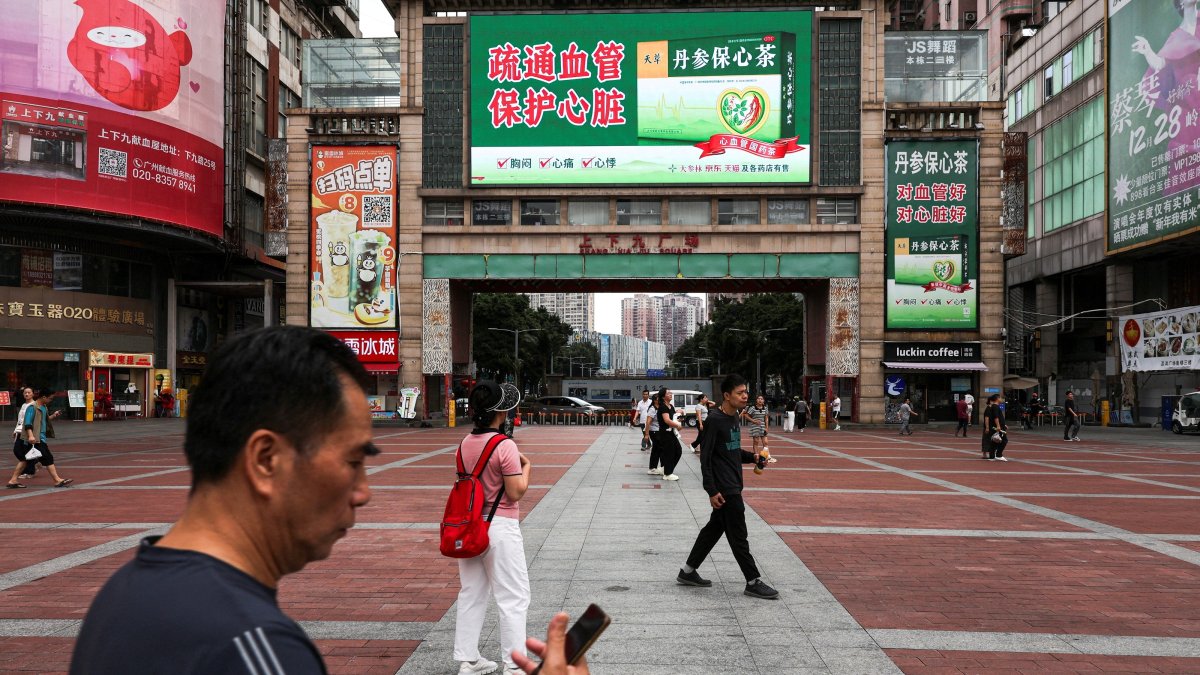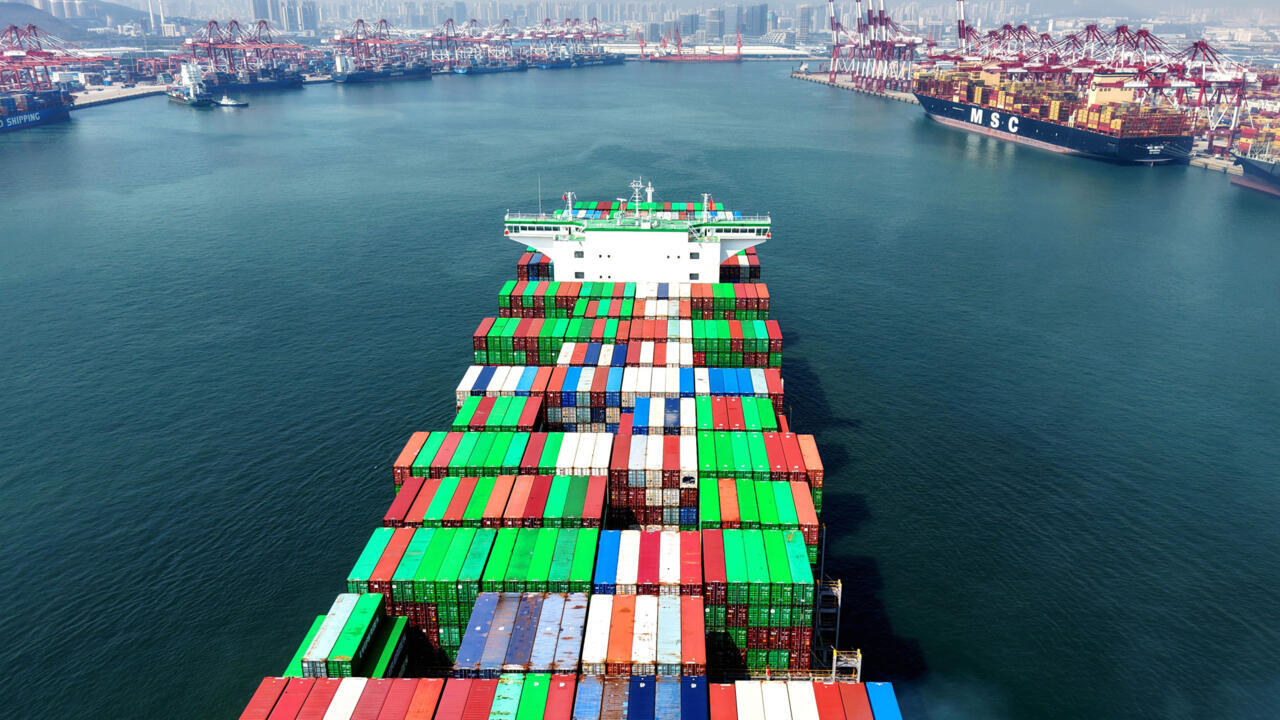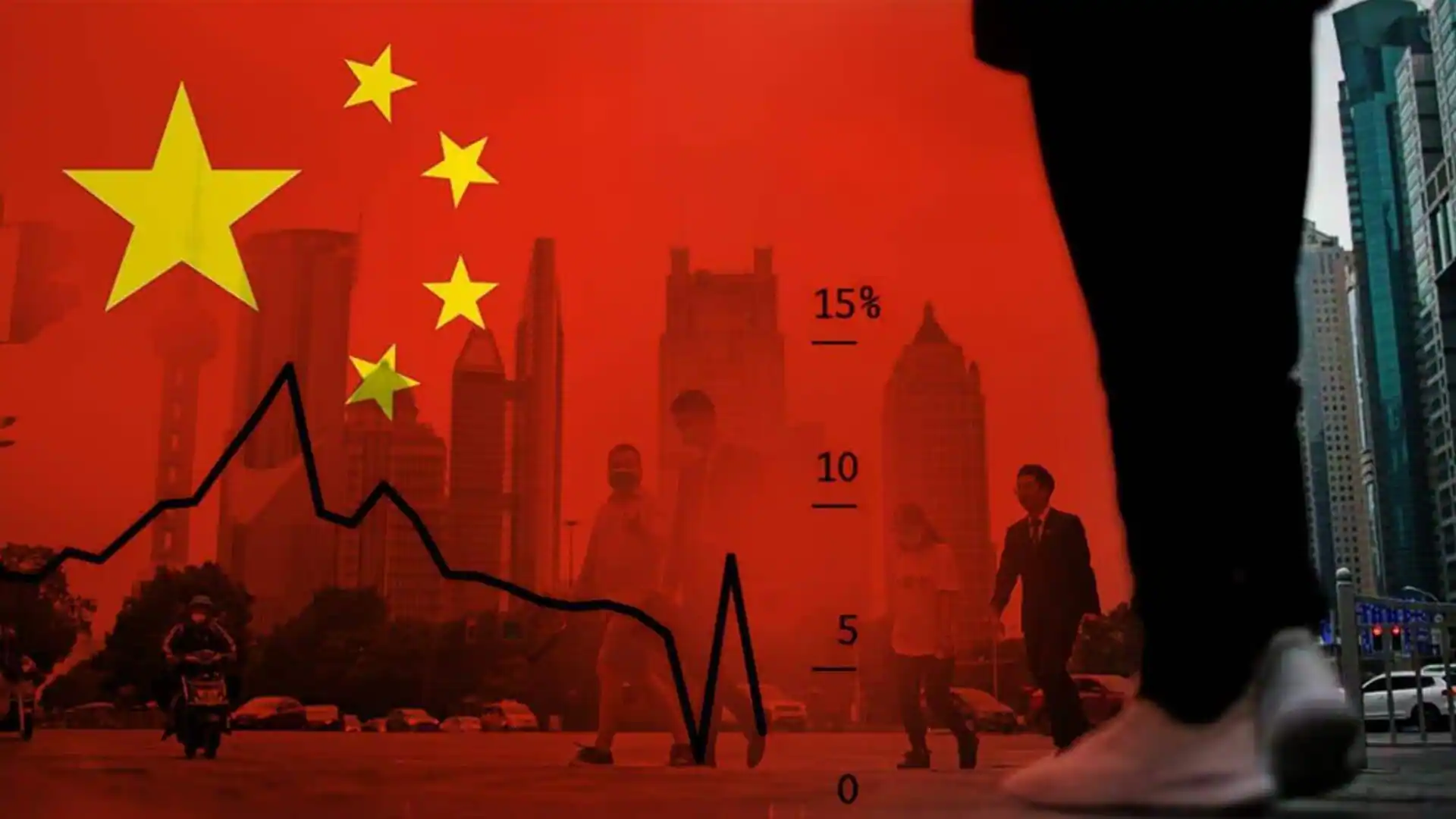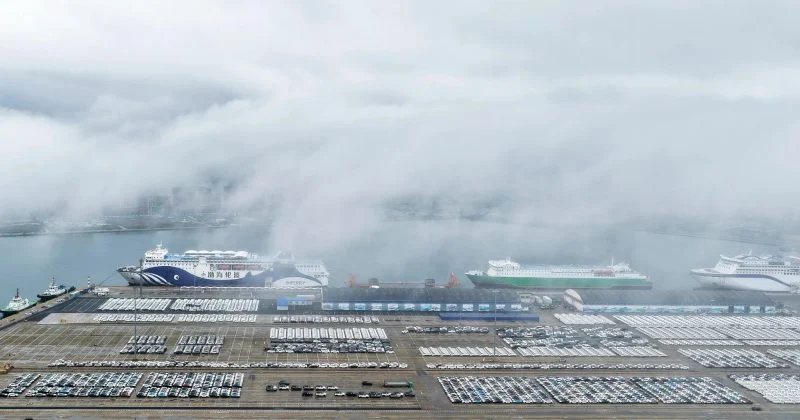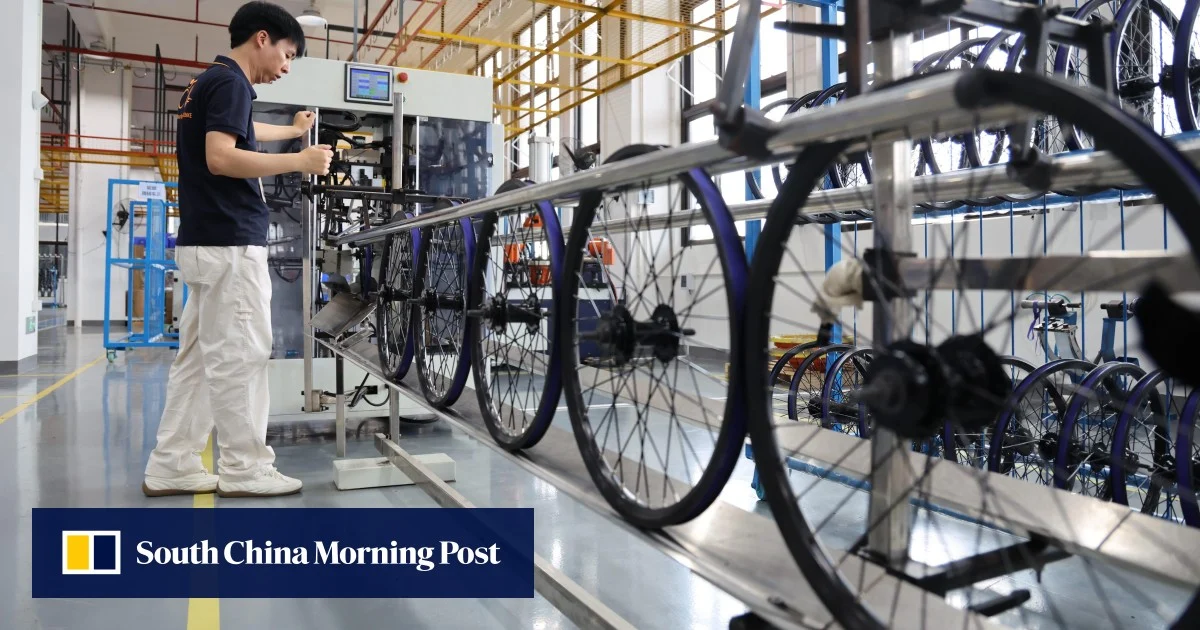
China’s gross domestic product fell short of market expectations in the second quarter with a growth rate of 4.3 per cent, underscoring the need for stronger policy support to address weak domestic demand and persistent economic imbalances.The closely watched GDP figures, released by the National Bureau of Statistics (NBS) on Wednesday, marked the slowest quarterly growth since the end of 2022 and fell below the 4.48 per cent forecast from economists surveyed by Chinese financial data provider Wind.The second-quarter growth – which marked a deceleration from the 5 per cent expansion recorded in the first three months of 2026 – brought China’s first-half growth to 4.7 per cent, according to the bureau.China’s exports remained resilient despite disruptions to global shipping routes and energy supplies caused by the Iran war, with outbound shipments rising 27 per cent in June and 17.6 per cent for the first half of 2026, both on a year-on-year basis.Beijing has set this year’s growth target at “4.5 to 5 per cent” – a range marking a slight shift from the “around 5 per cent” goal that had been the recent norm – as the economy grapples with numerous headwinds, including weak domestic demand, a prolonged downturn in the property market and rising external risks.“Generally speaking, in the first half of the year, the national economy operated within an appropriate range,” said Mao Shengyong, deputy director of the statistics bureau.
Developing | China’s second-quarter GDP misses mark, with lowest result since end of 2022
Growth rate of 4.3 per cent complicates the country’s push to meet annual targets, as does a 5.7 per cent drop in fixed-asset investment.
233 words~1 min read