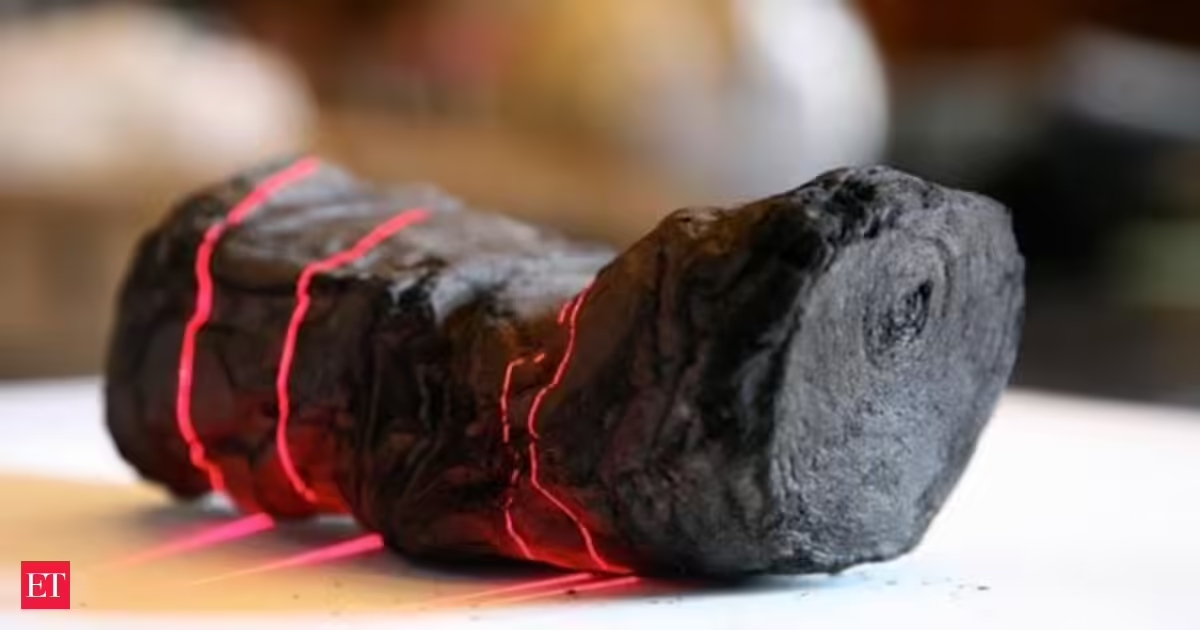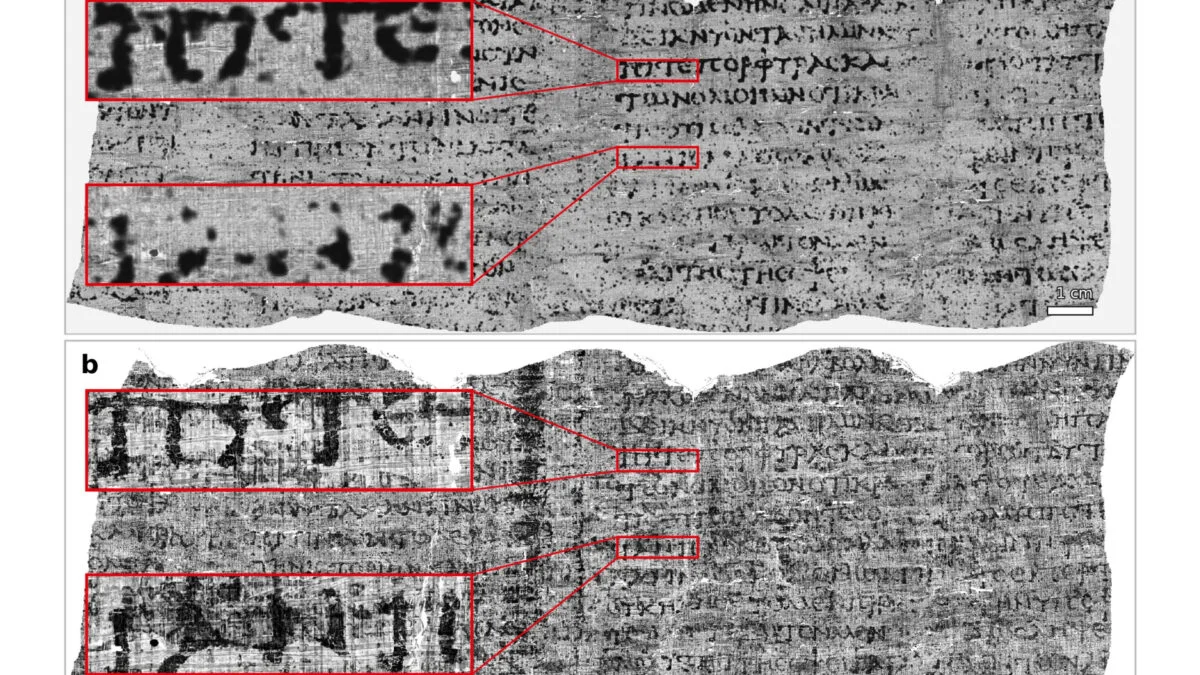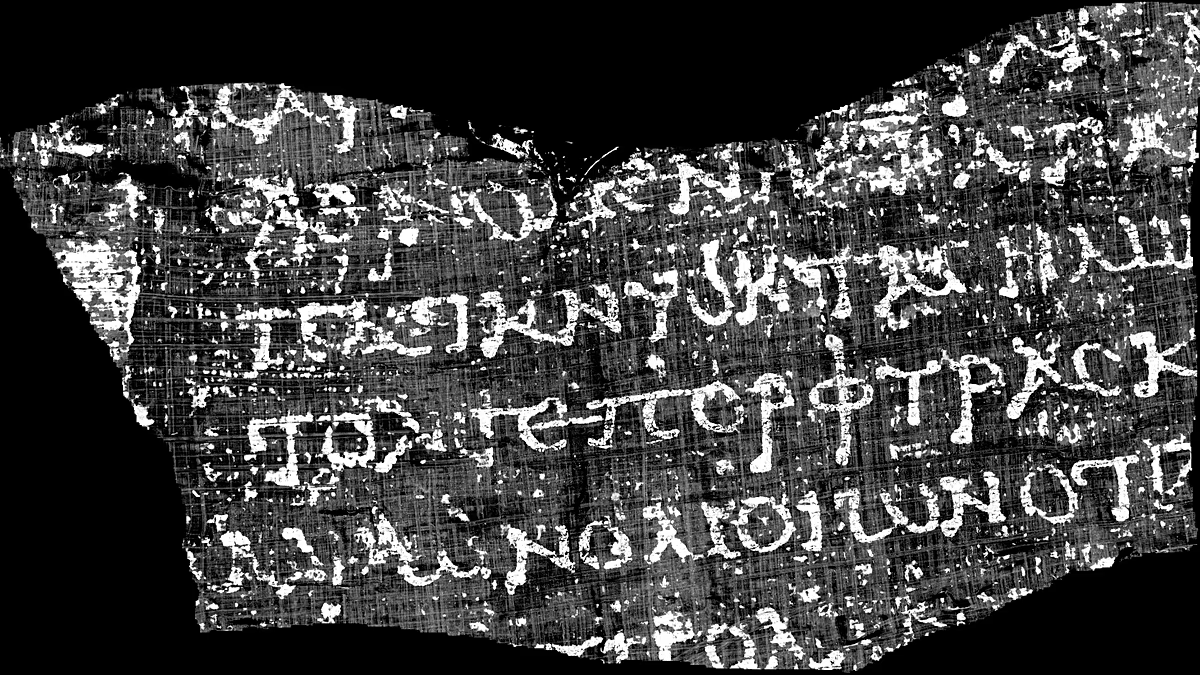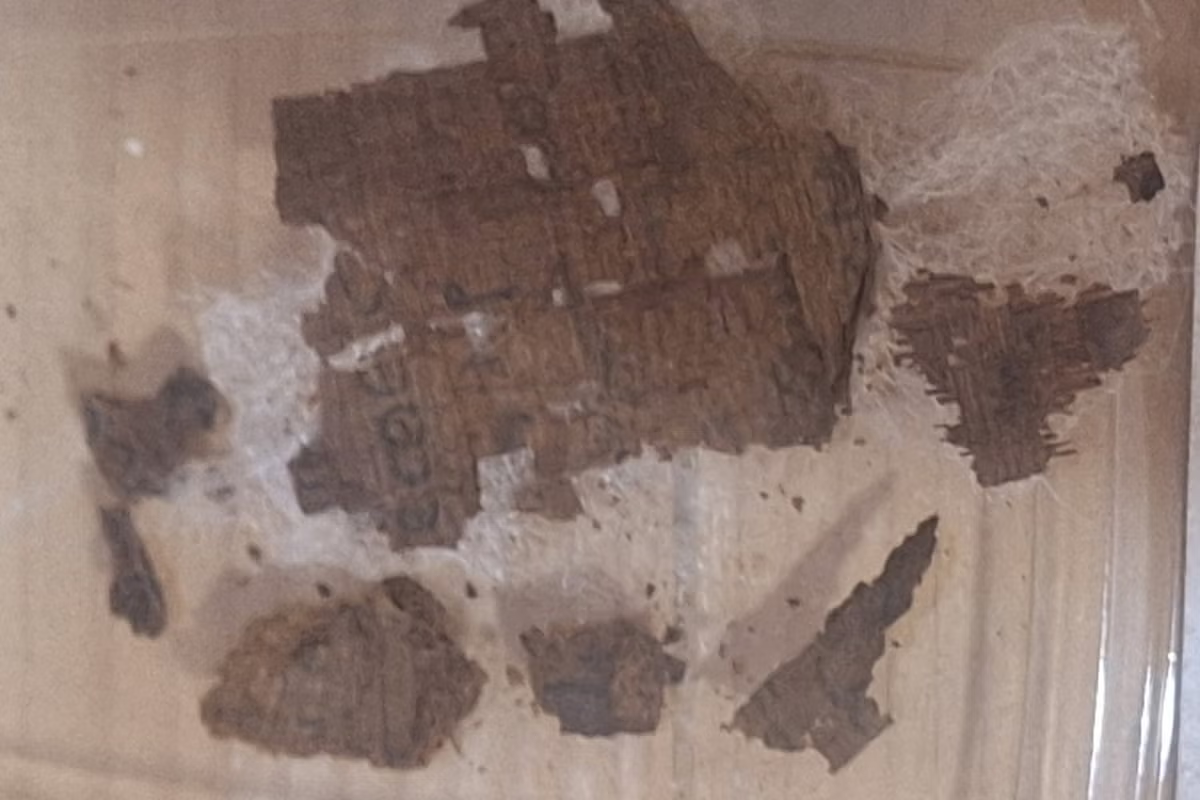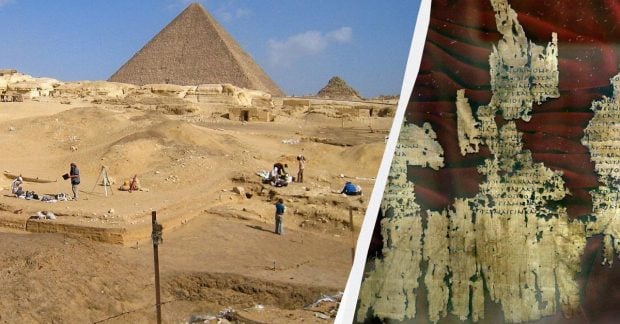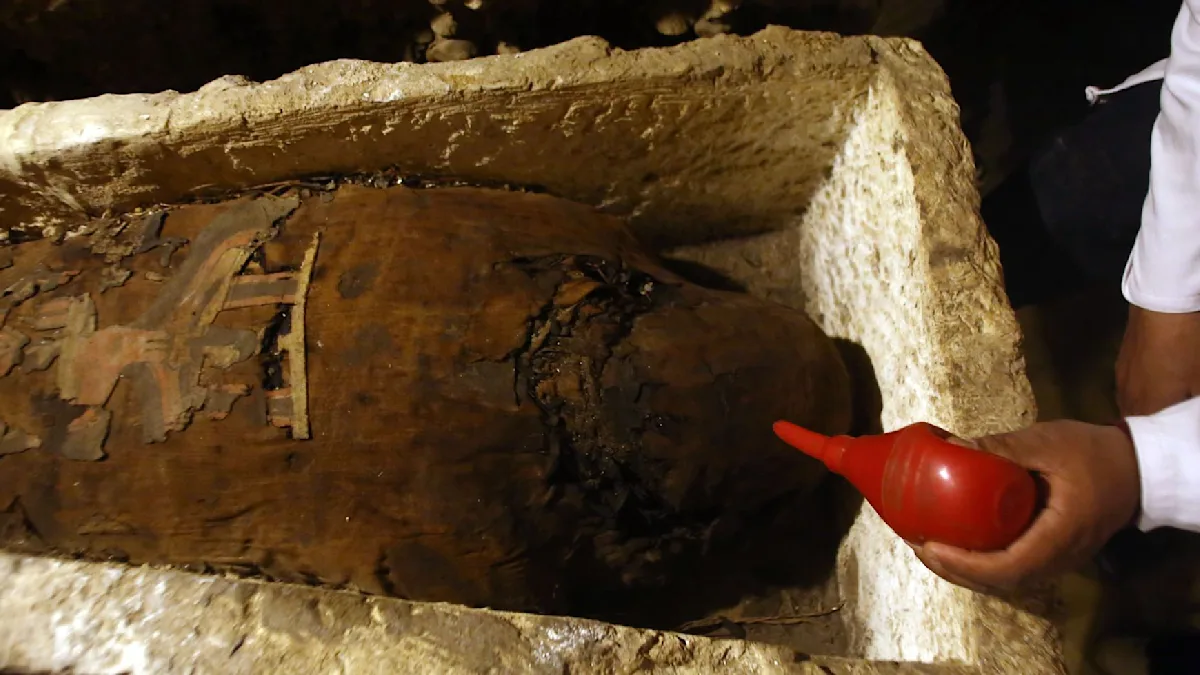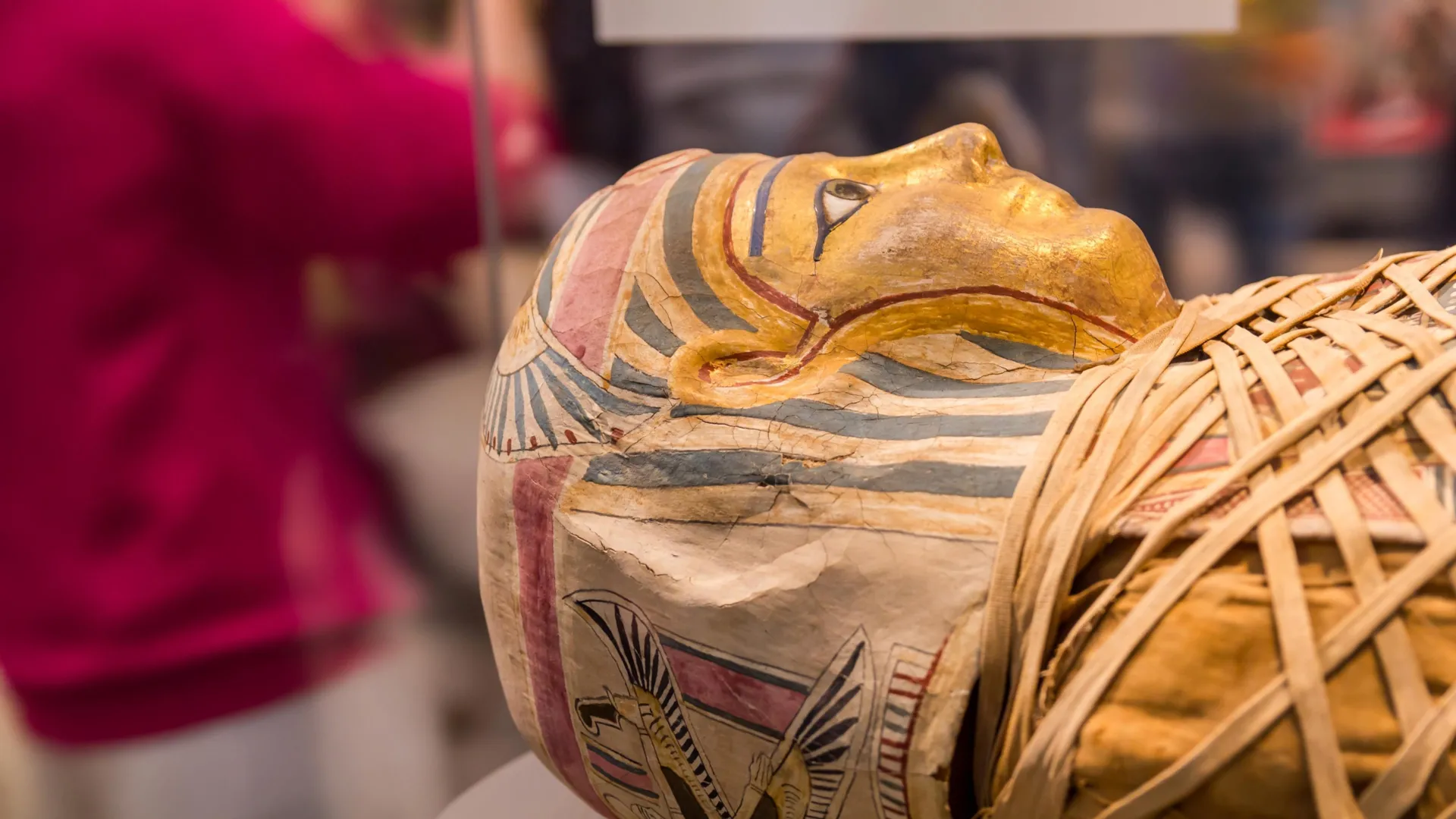
Archaeologists working at the ancient Egyptian site of Oxyrhynchus have made a remarkable discovery: a papyrus containing a passage from Homer's Iliad was found inside a Roman-era mummy dating back about 1,600 years. Researchers say it is the first known case in archaeological history in which a Greek literary text was intentionally incorporated into the mummification process.
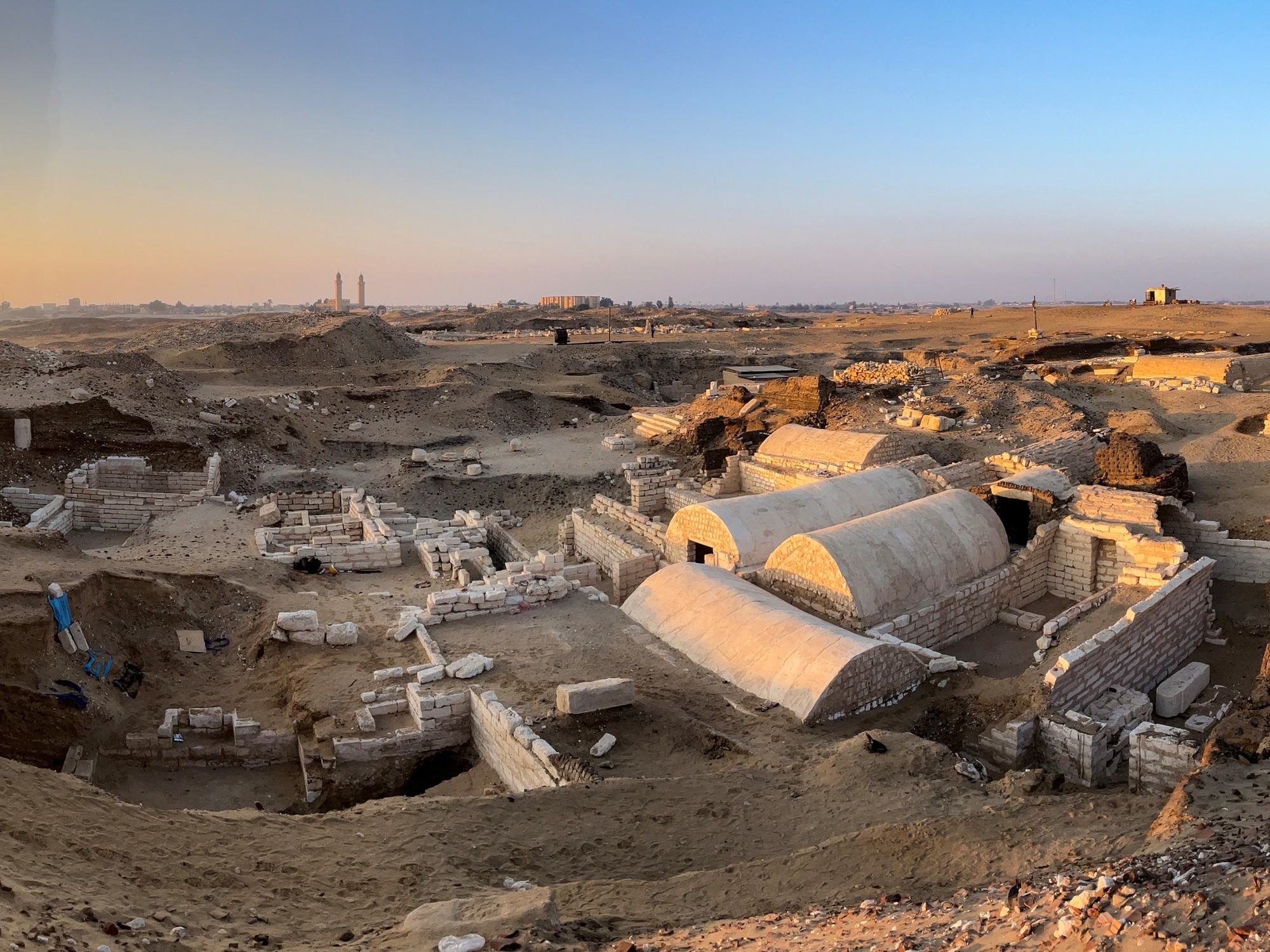
The find was made by the Oxyrhynchus Archaeological Mission, directed by Maite Mascort and Esther Pons through the Institute of Ancient Near East Studies (IPOA) at the University of Barcelona. It comes from Al Bahnasa, the modern town located at the site of ancient Oxyrhynchus in Egypt.
A Literary Papyrus Used in Mummification
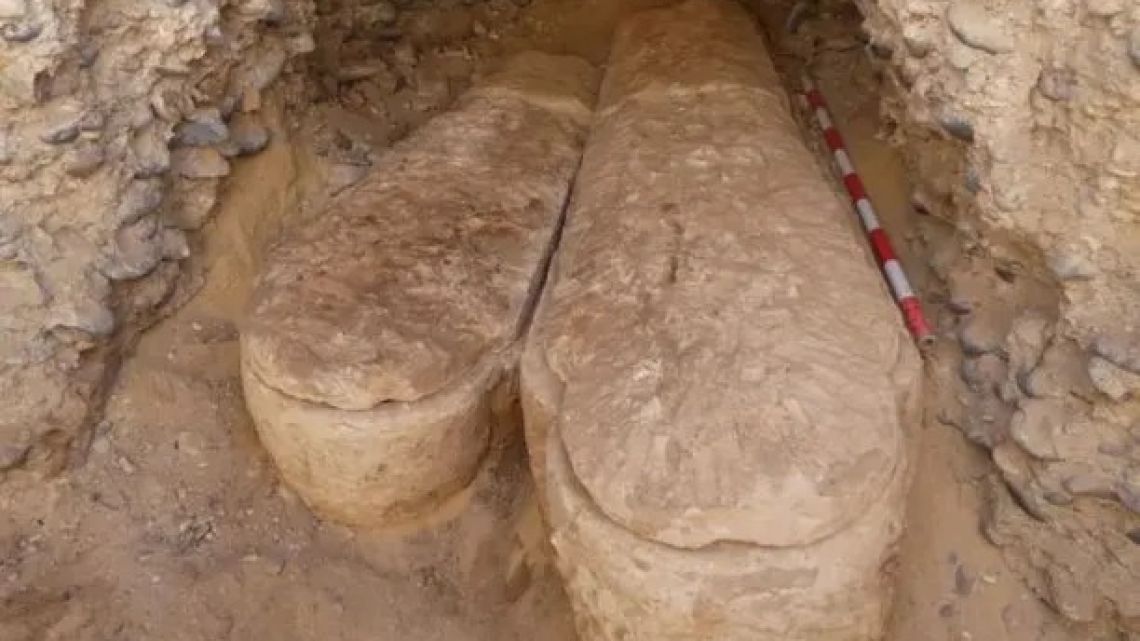
During excavations conducted between November and December 2025, a team led by Núria Castellano uncovered a Roman-era mummy in Tomb 65 of Sector 22. Resting on the mummy's abdomen was a papyrus that had been deliberately placed there as part of the embalming ritual.
The mission had previously discovered Greek papyri positioned in similar ways during earlier excavations. However, those texts were consistently magical or ritual in nature. This is the first time a literary work, specifically Homer's Iliad, has been identified in that role.