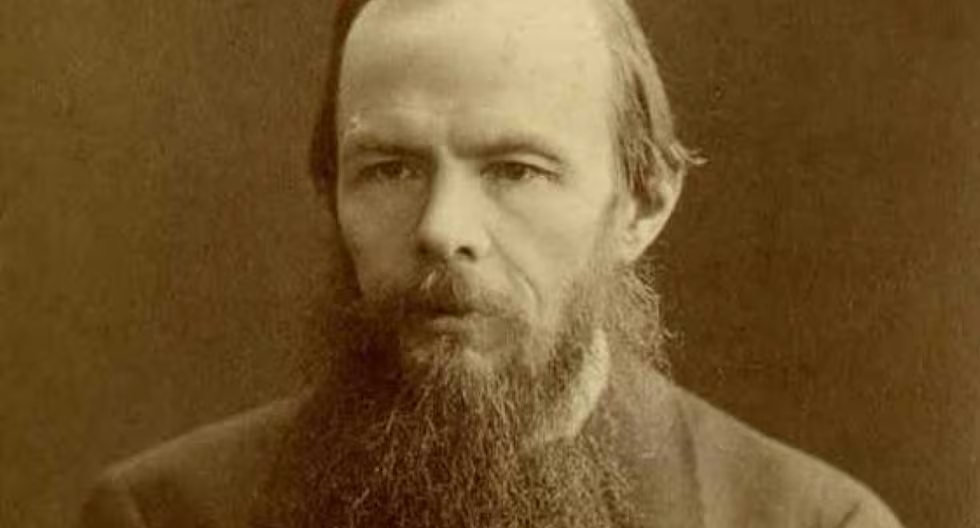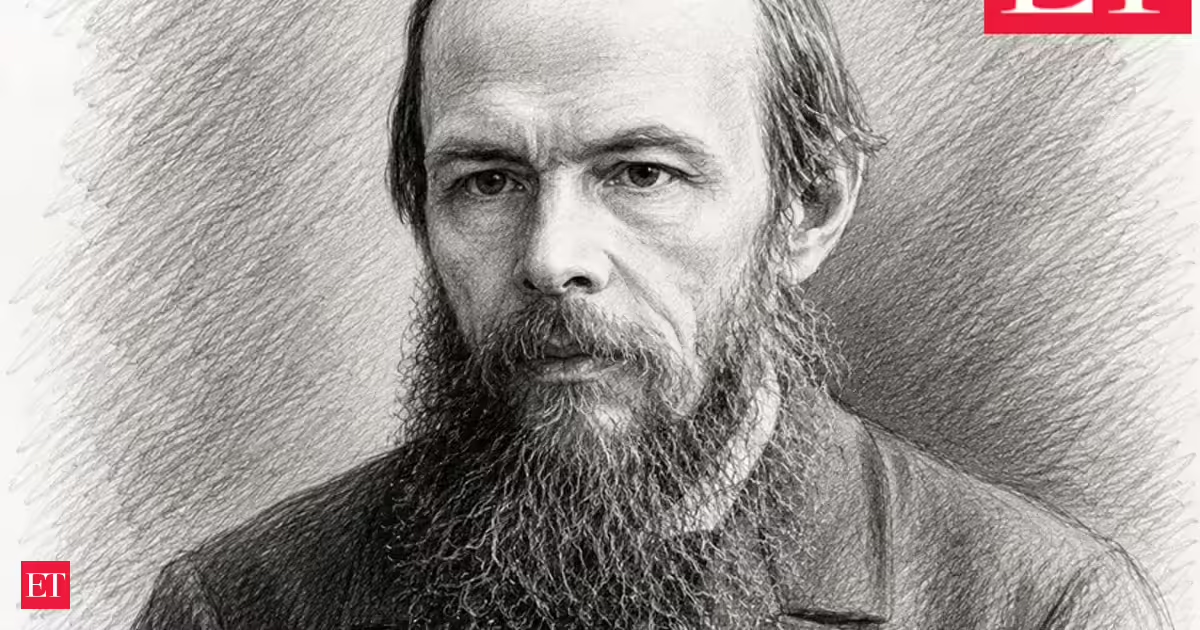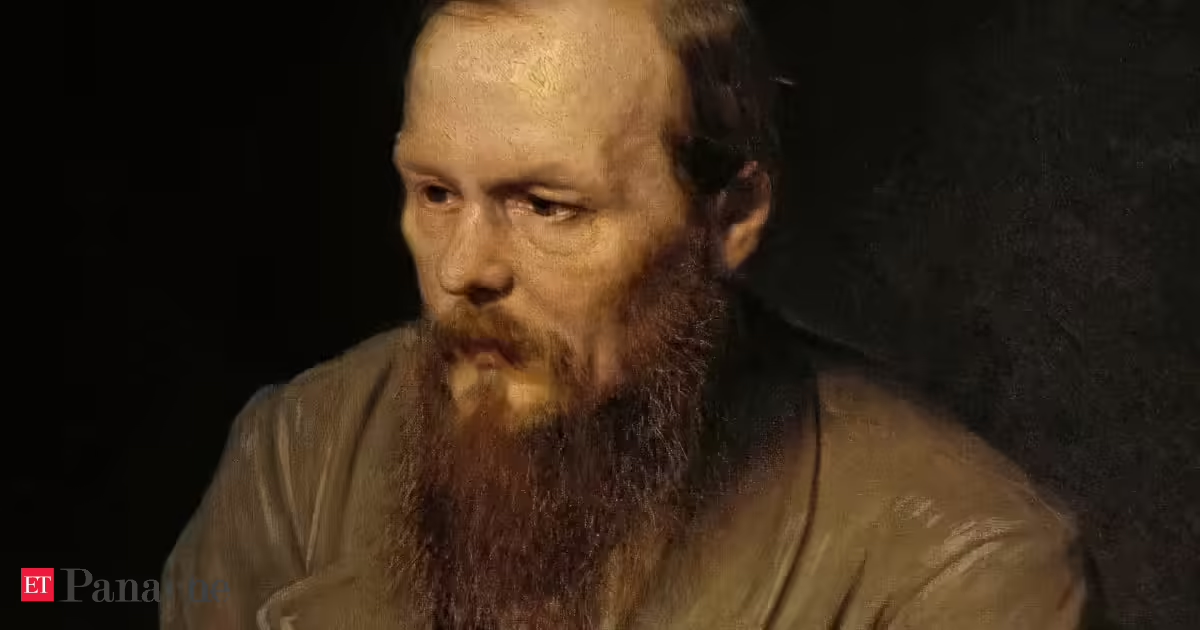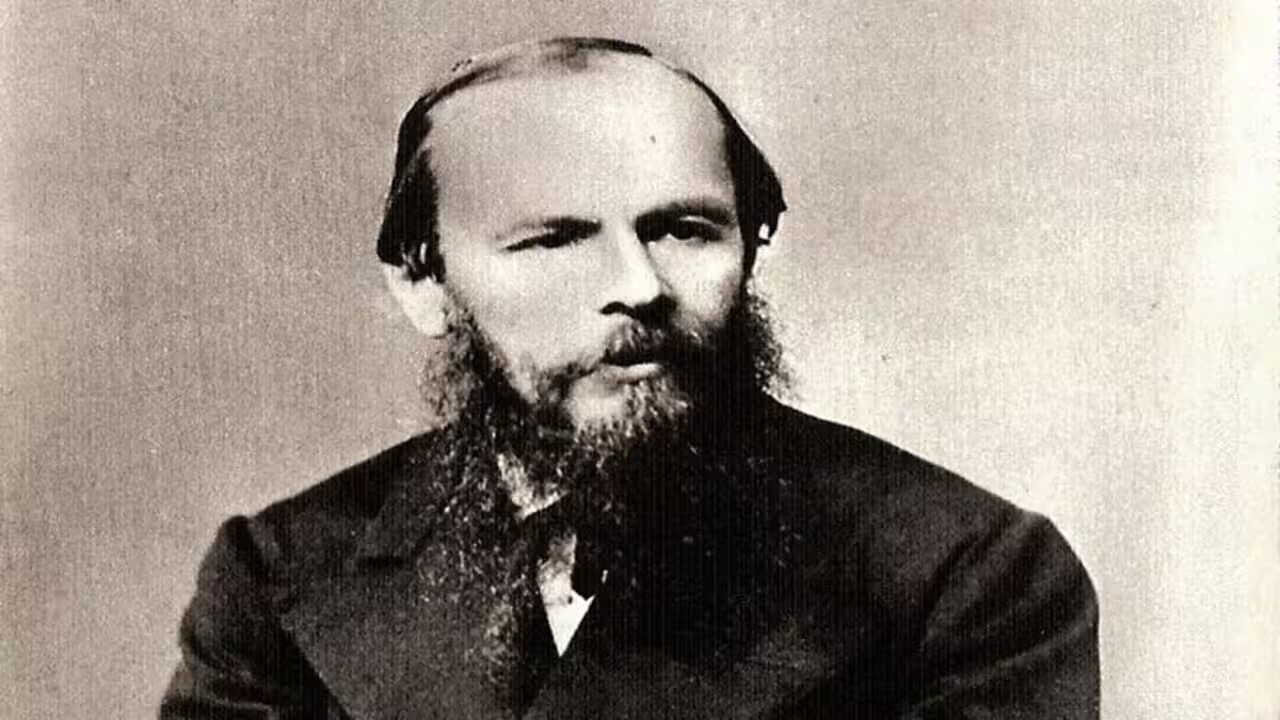
Fyodor DostoevskyHuman beings have always searched for more than food, shelter and safety. Once our basic needs are met, another question inevitably follows: What is all this for? Fyodor Dostoevsky captured that universal search in one of his most enduring observations:"The mystery of human existence lies not in just staying alive, but in finding something to live for."The Russian novelist believed that survival alone is not enough to make life meaningful. A person may have comfort, security and success, but without a sense of purpose, those achievements can still leave an emptiness. The quote reminds us that while staying alive is a biological necessity, truly living begins when we discover a reason that gives our days direction.What did Dostoevsky mean?Dostoevsky's words draw a distinction between existence and purpose. Every living creature strives to survive, but human beings possess another need: the desire to understand why they are here and what gives their lives meaning.Purpose does not have to be extraordinary. It is not reserved for inventors, artists or world leaders. For some, it may be raising a family with love and care. For others, it may be teaching children, serving patients, creating music, protecting nature or simply being there for the people who depend on them.The quote suggests that purpose is what transforms routine into fulfilment. Two people may wake up, go to work and return home each day, but the one who feels connected to something larger than themselves is likely to experience life very differently from someone merely moving through the motions.Dostoevsky understood that people can endure remarkable hardship when they believe there is a reason to keep going. Without that reason, even comfort can feel hollow.A philosophy shaped by sufferingFew writers explored the human condition as deeply as Fyodor Dostoevsky because few experienced as much personal upheaval. In 1849, he was arrested for participating in a discussion group considered subversive by the Russian authorities. After facing a mock execution, he was sent to a Siberian prison camp, where he spent years performing hard labour before serving compulsory military service.These experiences profoundly shaped his writing. His novels, including Crime and Punishment, The Brothers Karamazov and The Idiot, repeatedly examine guilt, faith, redemption and the search for meaning in the face of suffering.Rather than portraying life as easy or predictable, Dostoevsky argued that purpose becomes most important when circumstances are at their worst. His characters are often forced to confront moral choices that reveal what they truly value. For him, a meaningful life was never defined by comfort alone but by the convictions that survive hardship.That perspective gives this quote its enduring relevance. It is not a romantic slogan but a conclusion drawn from a life marked by adversity.Why purpose matters more than survivalModern life has made survival easier for many people than at any other point in history. Medical advances have increased life expectancy, technology has simplified countless daily tasks and material comforts are more accessible than ever. Yet feelings of isolation, burnout and dissatisfaction remain widespread. The reason may be that efficiency cannot replace meaning.A doctor working long shifts because they want to heal people often finds strength that goes beyond physical endurance. A parent making sacrifices for their children rarely sees those sacrifices as pointless. Volunteers helping communities after floods or earthquakes do not continue because the work is easy but because they believe it matters.Purpose also changes how people respond to setbacks. Losing a job, failing an exam or facing illness can feel overwhelming, but those who remain connected to a larger goal often find the resilience to begin again. Their purpose becomes an anchor when circumstances become uncertain.In a world that frequently celebrates productivity, wealth and visible success, Dostoevsky's words invite a more personal question. A long life is valuable, but its deepest significance comes from what fills it. Survival keeps the body alive; purpose gives life its direction, resilience and meaning.
Quote of the day by Fyodor Dostoevsky: 'The mystery of human existence lies not in just staying alive, but in finding something to live for,' and why purpose matters more than survival
Human beings have always searched for more than food, shelter and safety. Once our basic needs are met, another question inevitably follows: What is all this for?
648 words~3 min read