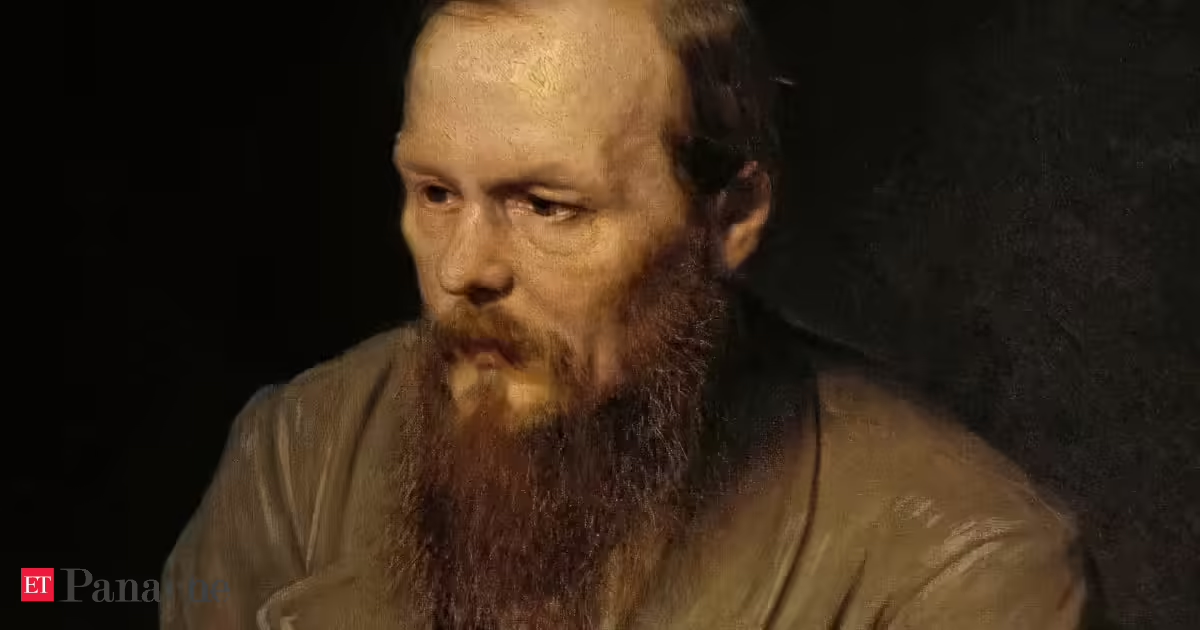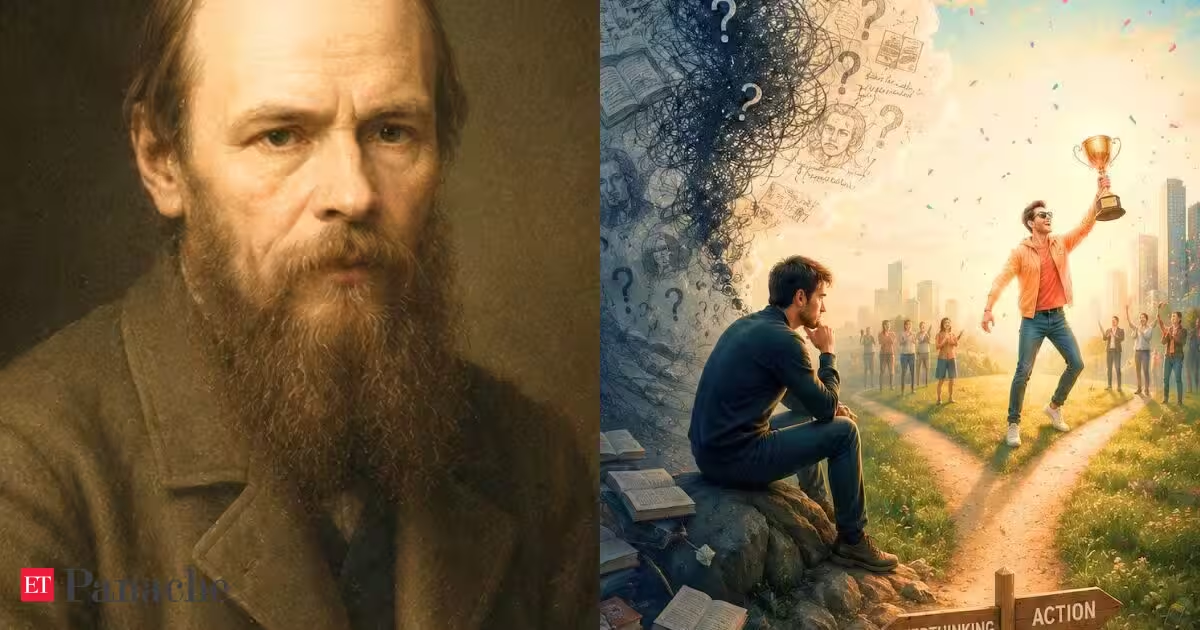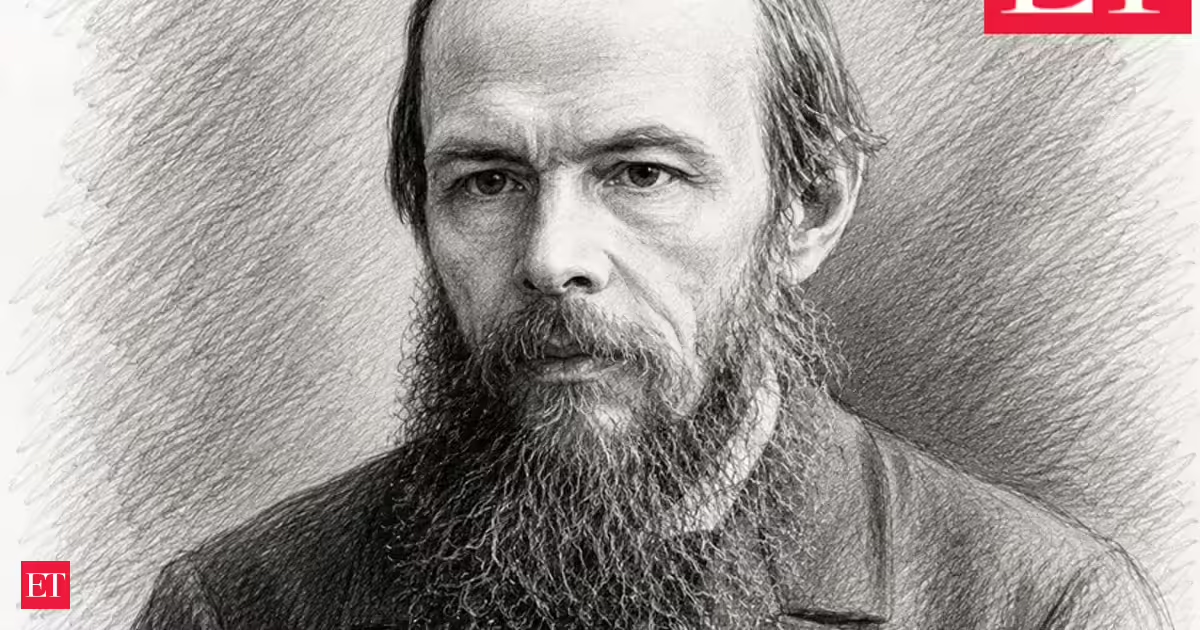
Quote of the day by Fyodor Dostoevsky: Russian philosopher Fyodor Dostoevsky is widely regarded as one of the greatest writers in world literature. Known for his deep exploration of human nature, morality, and psychology, the Russian novelist created works that continue to influence readers, writers, and thinkers more than a century after his death. Born on November 11, 1821, in Moscow, Russia, Dostoevsky grew up in a middle-class family and developed a love for literature at an early age. After studying engineering, he turned his attention to writing and quickly gained recognition with his first novel, 'Poor Folk', published in 1846.Dostoevsky's life, however, was marked by hardship and dramatic events. In 1849, Dostoevsky was arrested for participating in a political discussion group that criticized the Russian government. He was sentenced to death, but moments before the execution was to take place, the sentence was commuted. Instead, he spent several years in a Siberian prison camp followed by military service. These experiences had a profound impact on his worldview and later inspired many of his writings.Dostoevsky became famous for novels that explored complex moral and philosophical questions. Among his most celebrated works are 'Crime and Punishment', 'The Idiot', 'Demons', and 'The Brothers Karamazov'. His characters often struggle with guilt, faith, freedom, and the search for meaning, making his stories both powerful and timeless.Quote of the dayYou Might Also Like:Quote of the day - "Above all, don't lie to yourself. The man who lies to himself and listens to his own lie comes to a point that he cannot distinguish the truth within him, or around him, and so loses all respect for himself and for others. And having no respect he ceases to love," is widely attributed to Fyodor Dostoevsky. This profound observation comes from Russian novelist and philosopher's acclaimed novel 'The Brothers Karamazov'.Meaning of the quoteThe quote of the day by Fyodor Dostoevsky is a powerful reminder about the importance of self-honesty. The writer warns that when people repeatedly deceive themselves, they gradually lose the ability to recognize what is true and what is false. Over time, they may begin to believe their own excuses, ignore their mistakes, and avoid facing reality. According to Dostoevsky, this self-deception has serious consequences. A person who cannot accept the truth about themselves may lose self-respect and become disconnected from others. Without honesty, trust begins to fade, both within oneself and in relationships with other people. The quote teaches that personal growth starts with acknowledging reality, even when it is uncomfortable. Being honest about our strengths, weaknesses, and actions allows us to learn, improve, and build genuine connections.What sets Dostoevsky apart is his ability to examine the inner thoughts and emotions of his characters. His novels delve deeply into the human mind, revealing the conflicts and contradictions that shape people's lives.You Might Also Like:Today, Dostoevsky's works are studied in schools and universities around the world. His influence can be seen in literature, psychology, philosophy, and even modern cinema. Many readers continue to find wisdom in his observations about human behavior and the challenges of life.Fyodor Dostoevsky died in 1881 at the age of 59, but his legacy remains stronger than ever. Through his unforgettable stories and profound insights, he continues to inspire generations of readers seeking to better understand themselves and the world around them.
Quote of the day by Fyodor Dostoevsky: 'The man who lies to himself and listens to his own lie comes to a point that he cannot...' - Russian novelist's powerful lesson on the dangers of self-deception.
Quote of the day by Fyodor Dostoevsky: Fyodor Dostoevsky, a renowned Russian philosopher and novelist, explored the depths of human nature and morality. His life, marked by hardship including a near-execution and Siberian imprisonment, profoundly shaped his timeless works like 'Crime and Punishment' and 'The Brothers Karamazov'. Dostoevsky's legacy endures through his powerful insights into self-honesty and the human condition.
551 words~3 min read