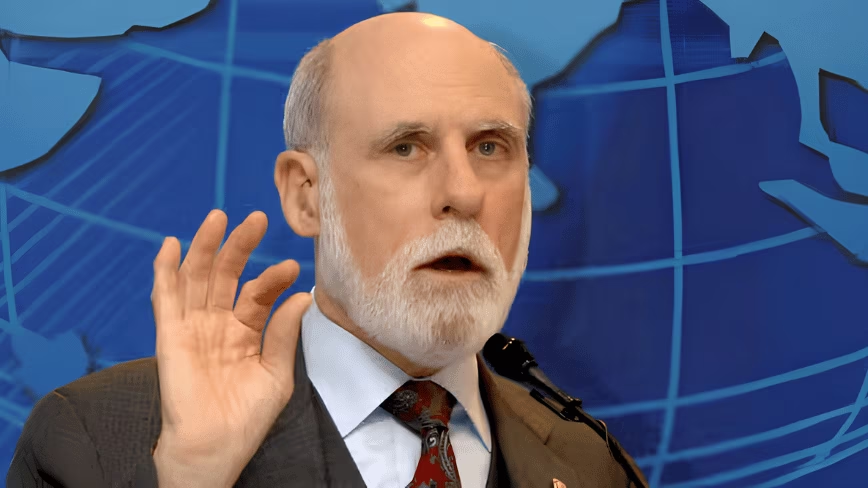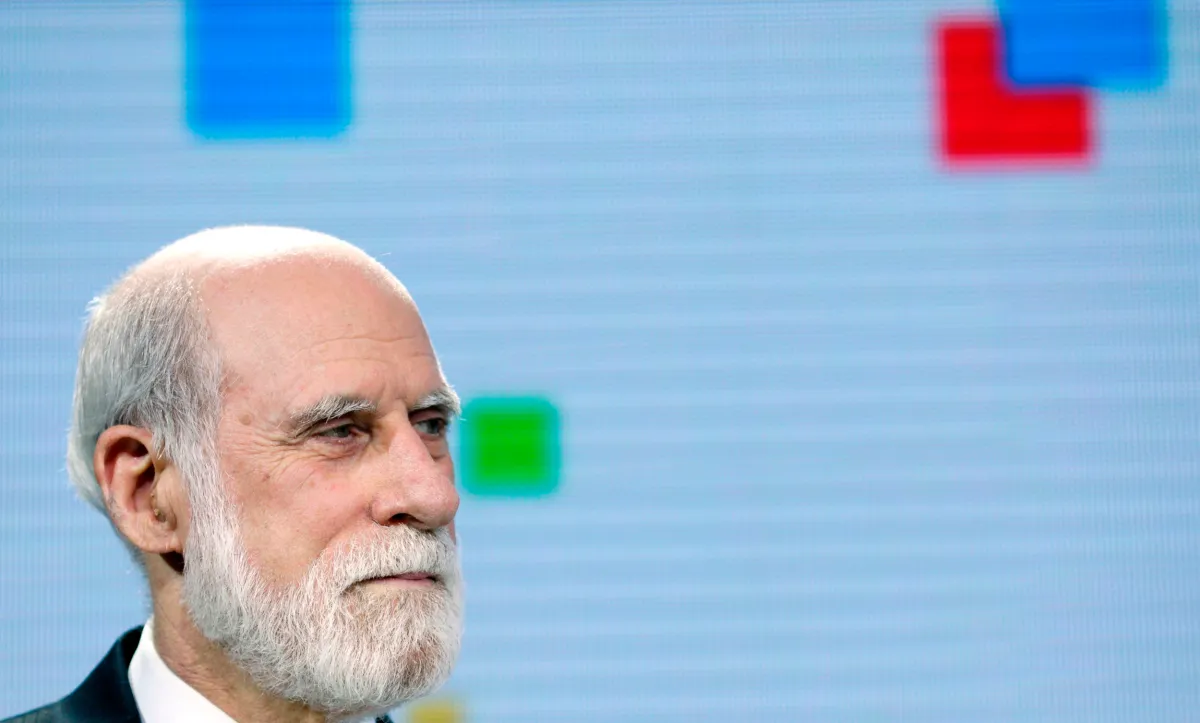
Vint Cerf, the man who co-designed the protocol suite that literally makes the internet work, is turning his attention to a problem that didn’t exist when he built TCP/IP in 1974: how do you identify and manage billions of AI agents operating autonomously online?
Cerf retired from Google on or around July 7, 2026, after 21 years as the company’s chief internet evangelist. In his final address at the Open Frontier conference, he didn’t talk about the good old days. He talked about the terrifying new ones.
The problem with letting AI agents wing it
Cerf’s core argument is deceptively simple. Natural language, the thing humans use to communicate, is full of ambiguity. That’s fine when two people are sorting out dinner plans. It’s catastrophic when two AI agents are coordinating financial transactions at machine speed.
The need for precise, formal standards isn’t theoretical. It’s urgent. And Cerf would know. The RFC 675 specification he co-authored with Robert Kahn in December 1974 became the backbone of internet communication. TCP/IP was mandated as the US military protocol in 1982 and recognized as the internet standard on January 1, 1983.