You’ve probably hit this frustrating moment: your frontend needs to fetch data with complex filters or queries, but GET just won’t cut it because your URL grows unwieldy or exceeds length limits. So you switch to POST, shove your JSON search parameters in the body, and call it a day.
Except now your POST request is meant to be a safe, read-only fetch. But HTTP semantics say POST is neither safe nor idempotent. That kills caching on CDNs, disables certain browser optimizations, and confuses intermediaries. You’re stuck in a weird limbo.
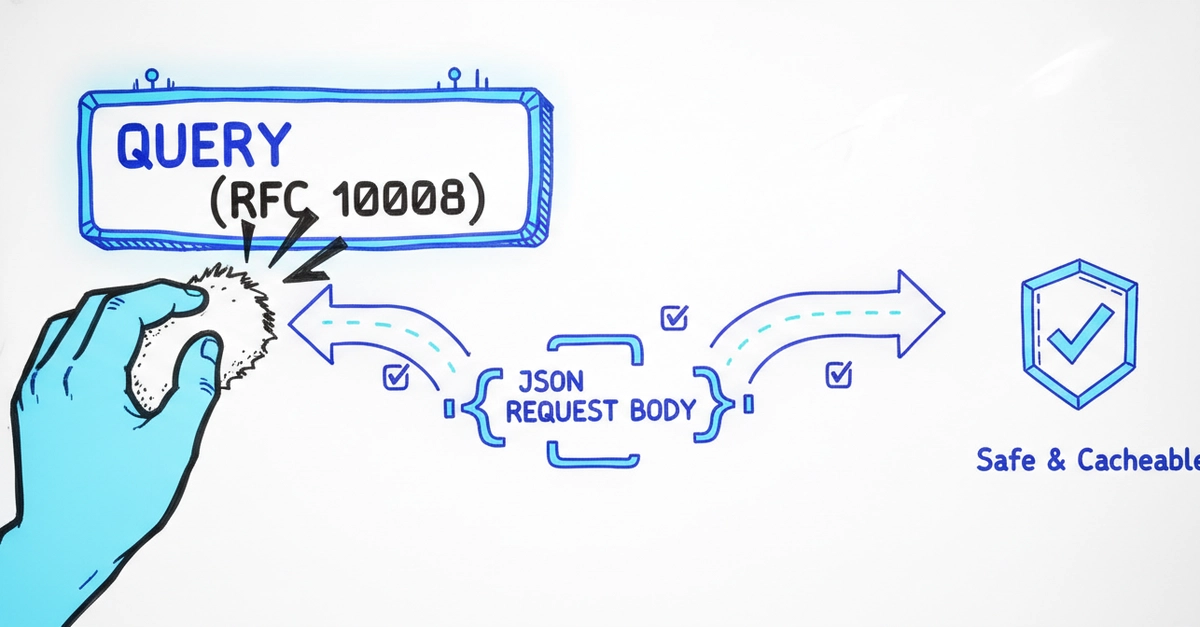
Enter HTTP QUERY , the new kid on the block, standardized by RFC 10008 in June 2026. It's safe and idempotent like GET but also lets you send a request body like POST. Sounds like the best of both worlds, right? Let’s dig into what this means for frontend data fetching and why you probably shouldn’t just flip the switch on all your POST /search routes tomorrow.
What is HTTP QUERY, exactly?
HTTP QUERY is a new request method defined to address a long-standing gap: how to send complex, structured queries in a safe, cacheable way.