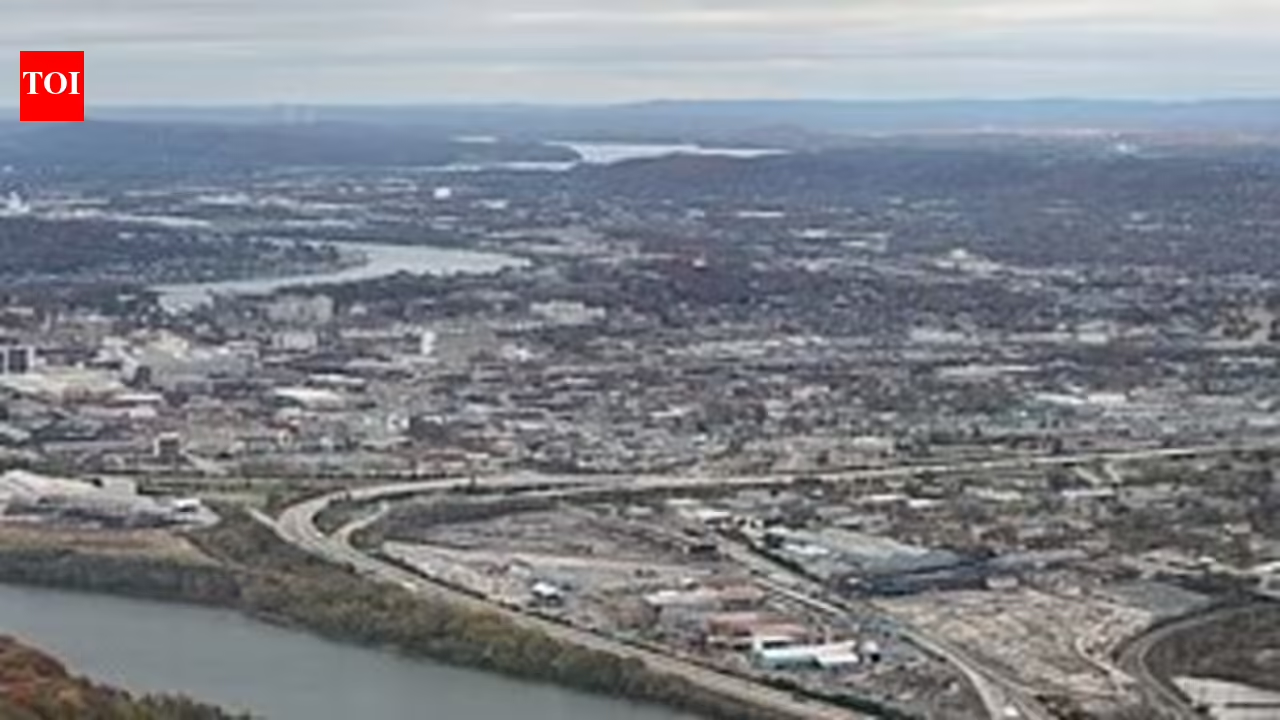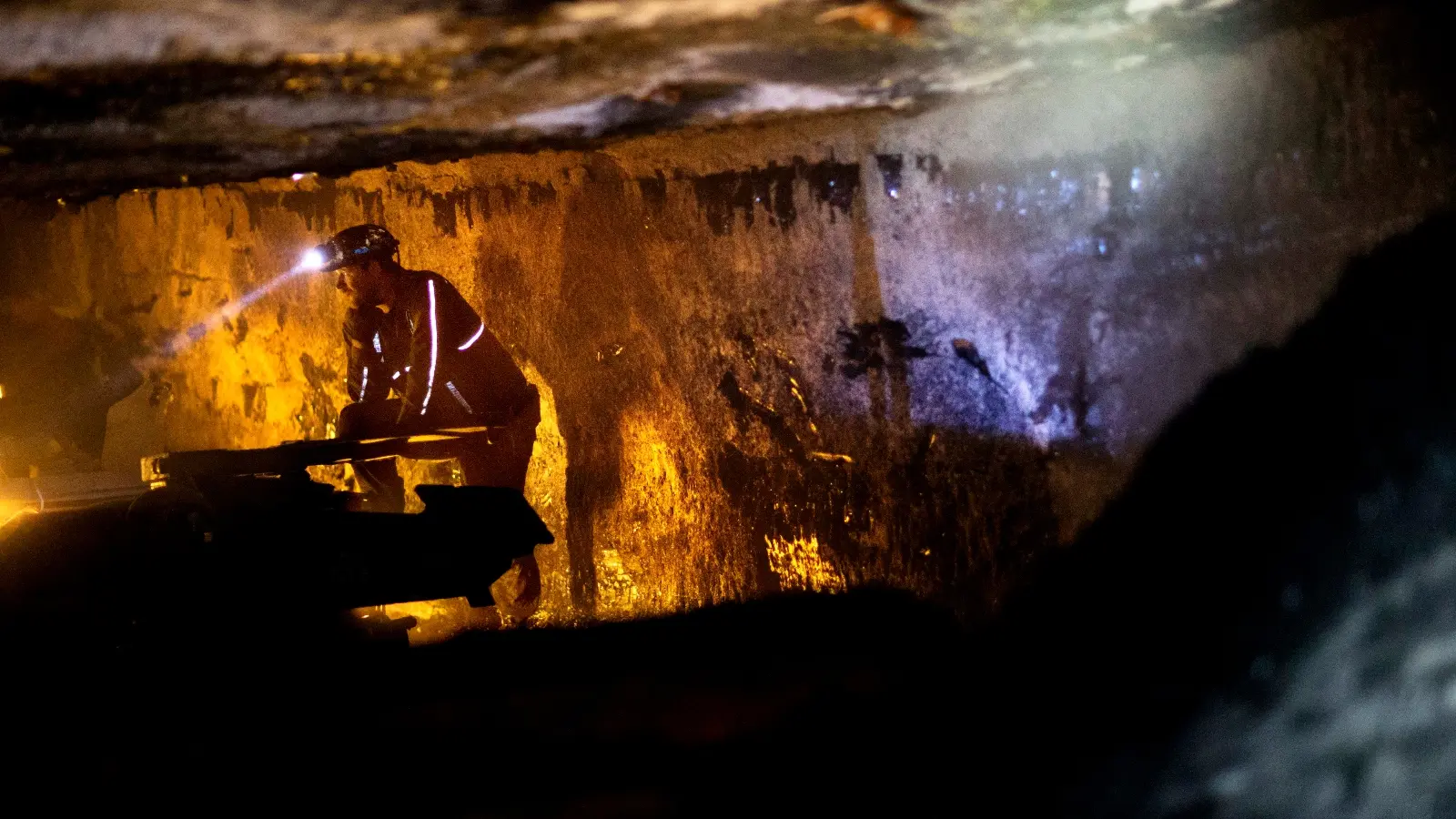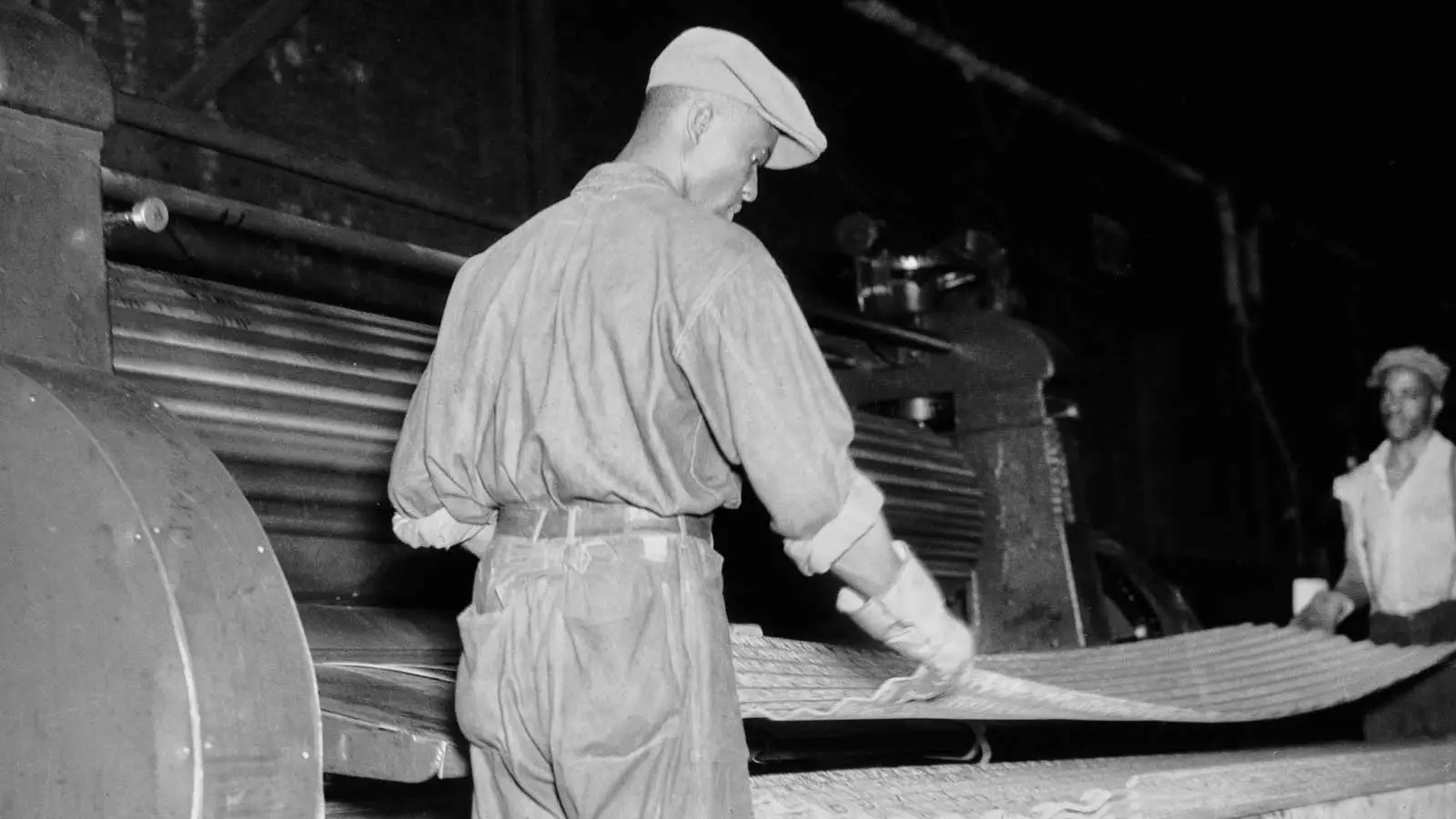
As a kid, I remember the mornings when the air carried a metallic smell, before I had the language to understand what it meant. I grew up in Birmingham, Alabama, in a family of generations of steel and domestic workers. As the city expanded through mines and plants that produced fuel for the rest of the country, my ancestors labored. They helped build the industrial backbone that made the city prosperous.
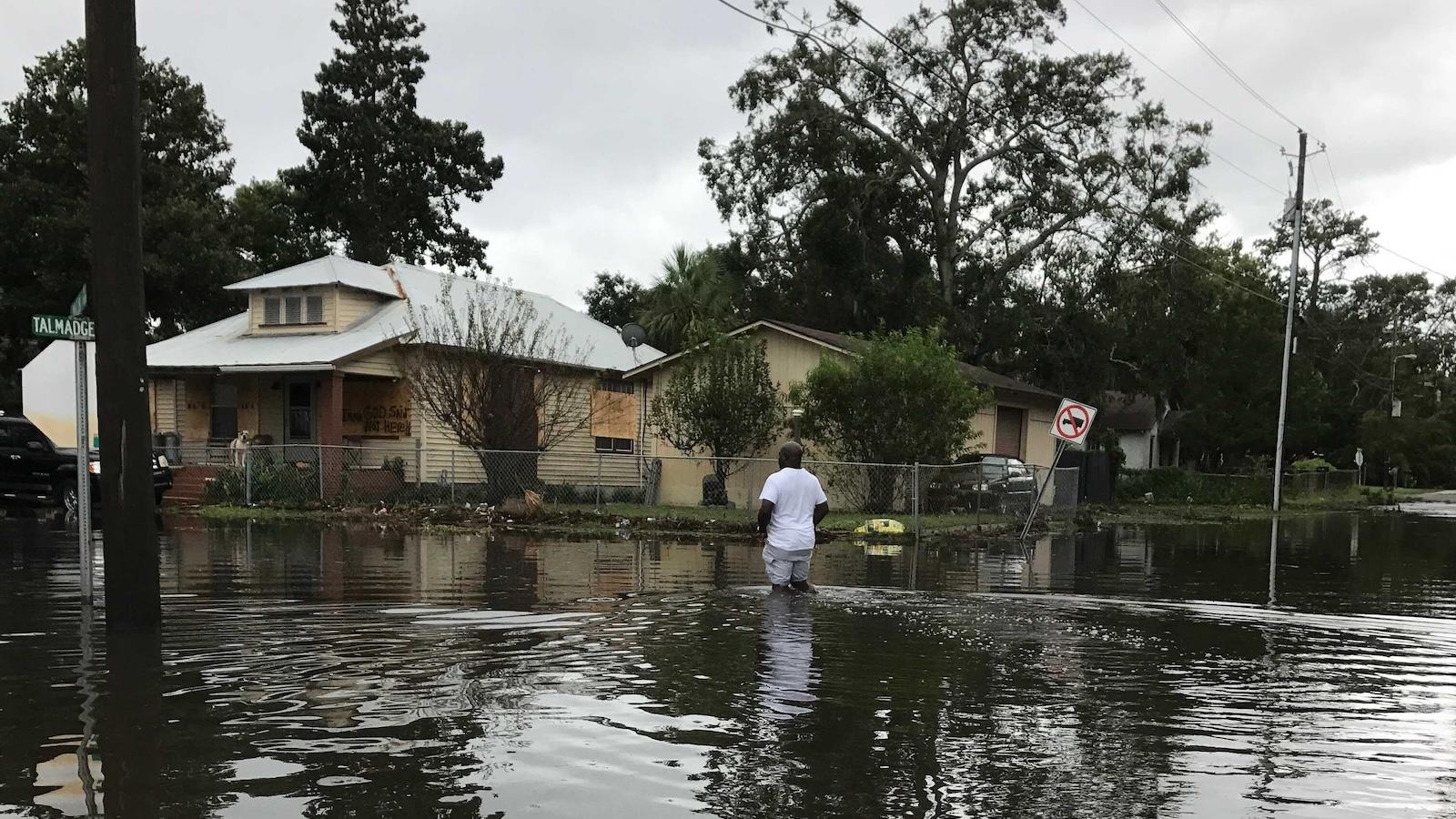
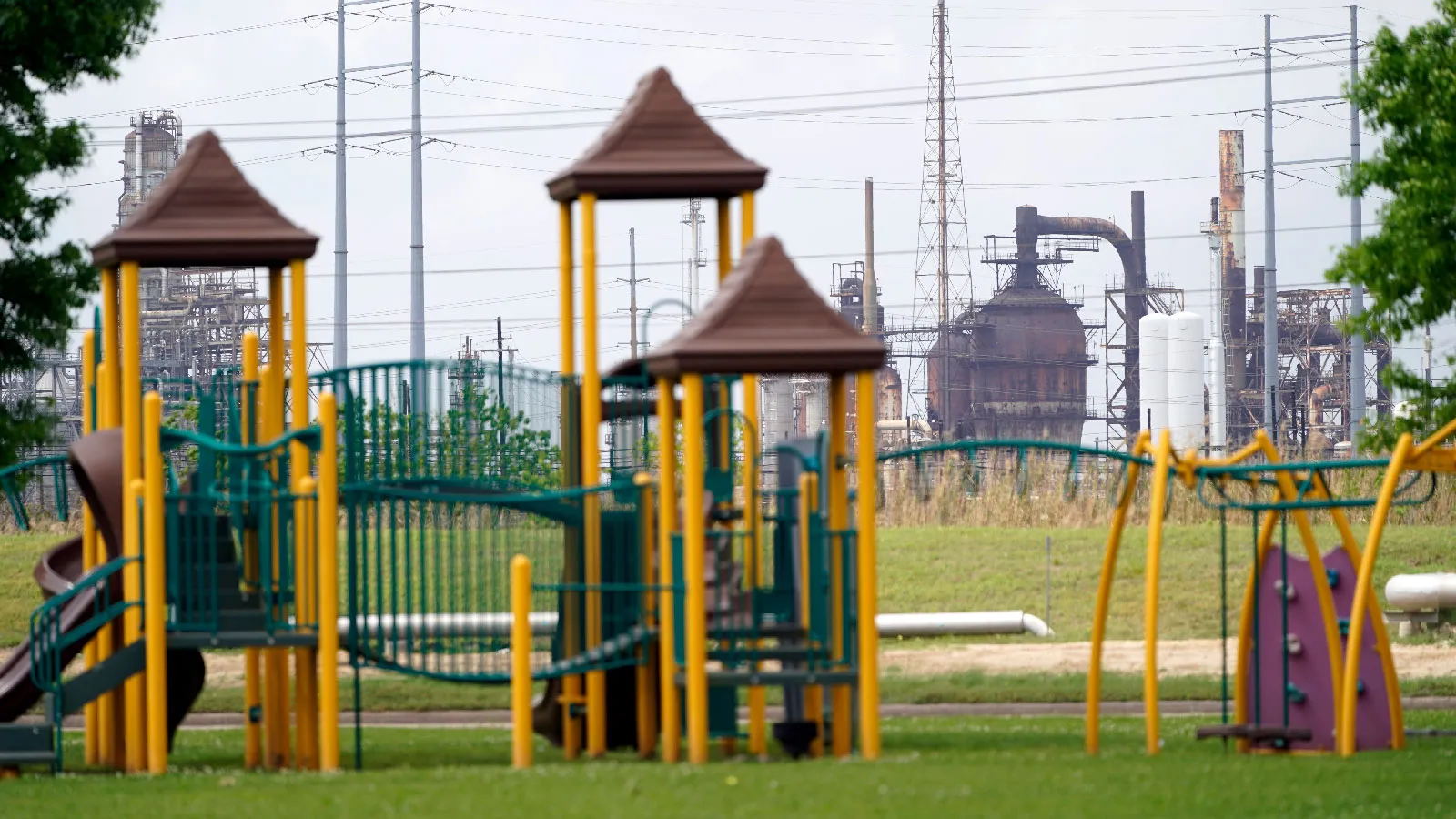
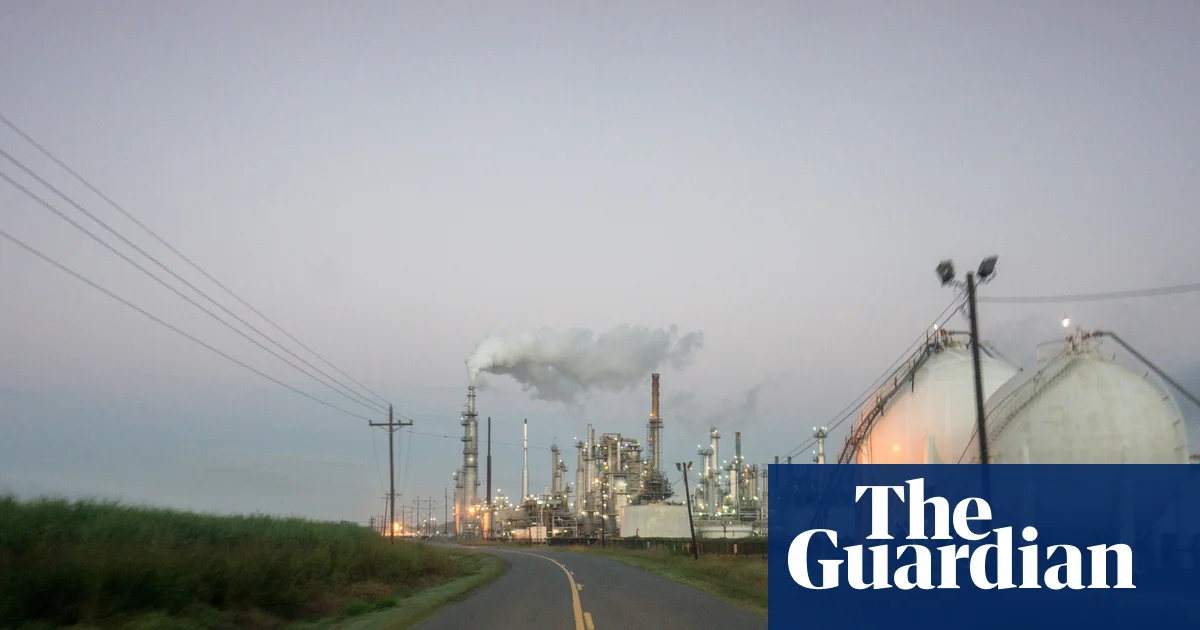
But like too many Black families who have roots in this region, we were segregated into specific neighborhoods, often closest to coke fuel plants, steel facilities, and contaminated sites. From slavery to steel production, growth in this country has too often required Black communities to bear disproportionate risk. The geography of pollution was not accidental – it was policy.
Read: The link between racist housing policies of the past and the climate risks of today
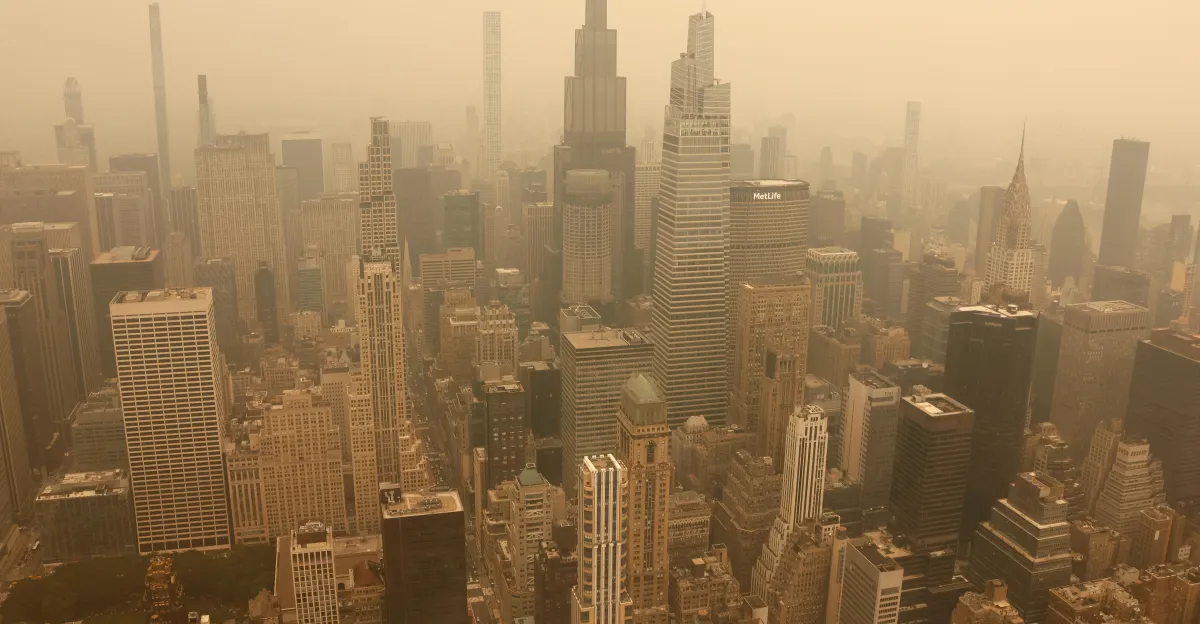
These neighborhoods, largely Black and working class, have endured decades of toxic exposure. Here, the increased risk of cancer and chronic respiratory illness is an accepted reality. Air quality is among the worst in the nation. The dirt below people’s feet is contaminated with heavy metals. Children grow up near Superfund sites. This is not distant history. This is happening now.