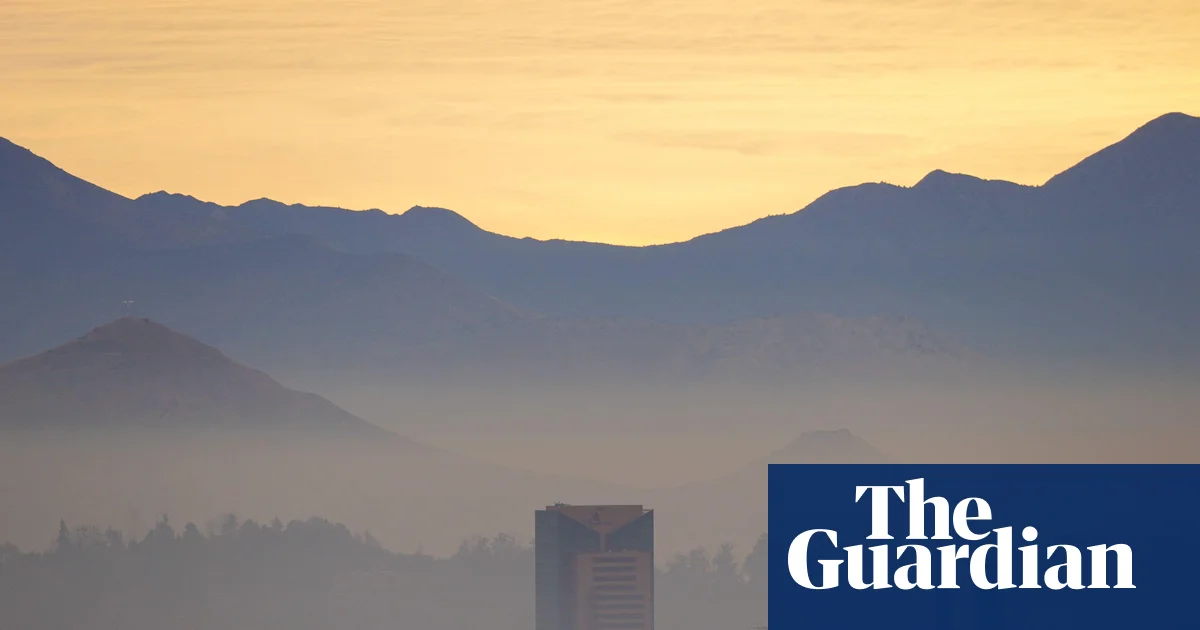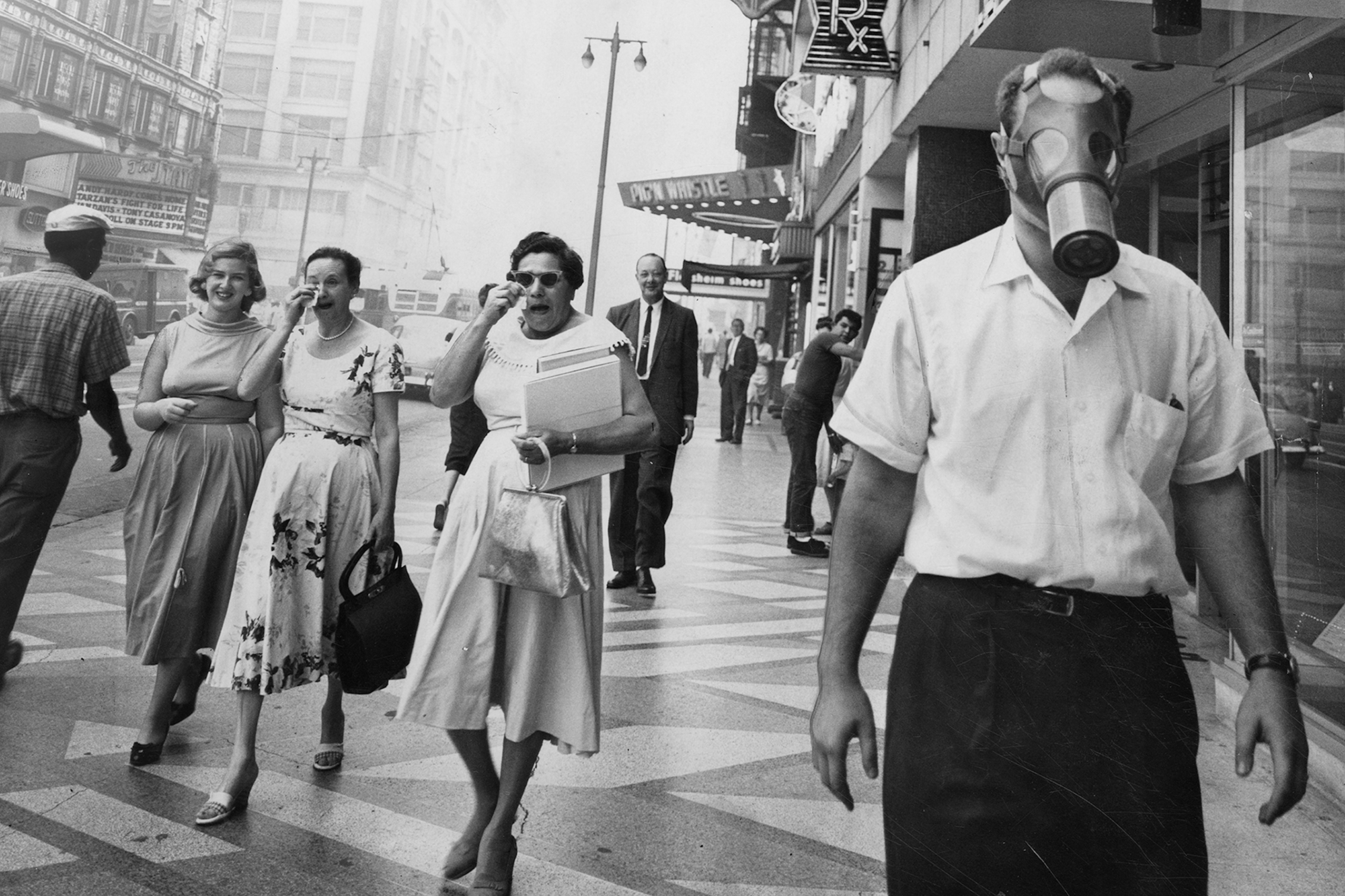
As a child growing up in Southern California, Ann Carlson remembers mountains obscured by haze and yellowish brown air that stung her eyes and made her lungs ache.
It was just “the environment,” her stepfather said of the smog many years later.
It would be decades before Carlson learned the complicated causes of the noxious air, what was to blame—oil companies, automakers and, yes, the environment—and the wide range of people wearing a lot of different hats who deserve the thanks for decades of improvements in Southern California air quality.
Carlson’s new book, “Smog and Sunshine: The Surprising Story of How Los Angeles Cleaned Up Its Air,” which was published last month, recounts a winding, complex but, ultimately, optimistic tale of Angelenos’ fight to breathe easier.
In the 1940s, ’50s and ’60s, many considered Southern California “uninhabitable,” writes Carlson, an environmental law professor at the University of California Los Angeles and faculty director of the Emmett Institute on Climate Change and the Environment.