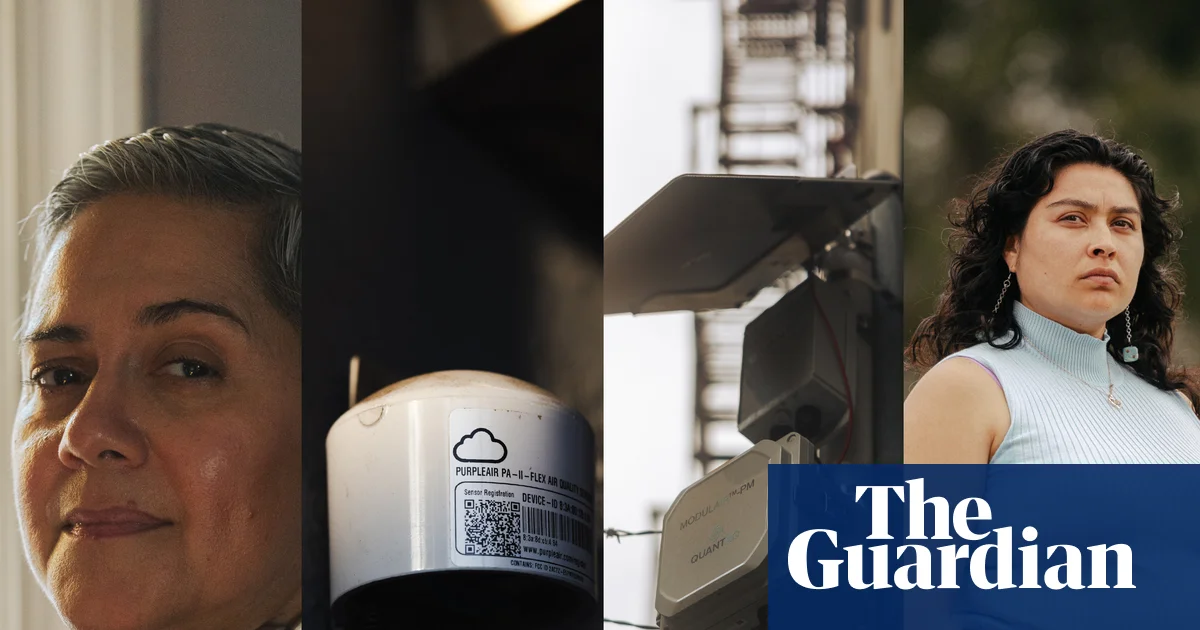
On a tree-lined street in a quiet suburb known by some as “Arbor City”, Eileen Miranda often watched her grandson race around the yard, trusting – like most – that the air they were breathing was clean. But data from an air quality sensor she recently installed outside her home showed otherwise. Now she wonders if it was the air that contributed to her eldest son’s childhood struggle with asthma.“It overwhelmed me,” Miranda said. “I thought the numbers would be low. This community is nice, but lo and behold”
Eileen Miranda outside her home in La Mirada, California, in March. She is among many Latinos in the US who have installed monitors to stay informed about their neighborhoods’ air quality.
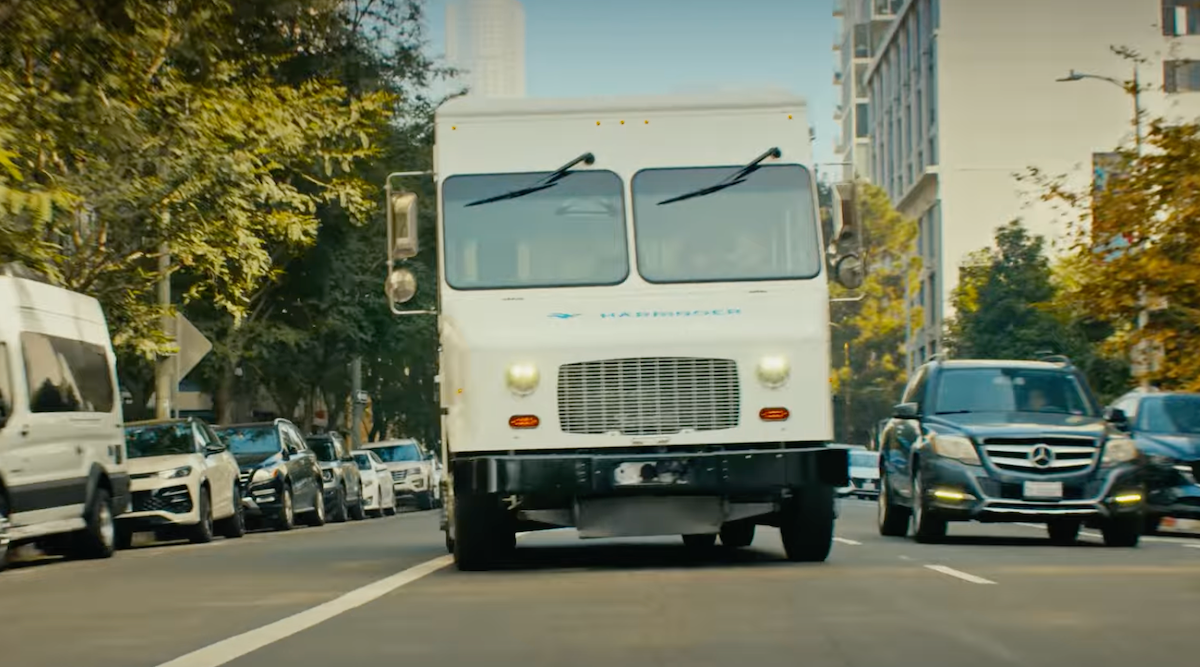
At 66, the grandmother of eight, who lives in La Mirada, a suburb south-east of Los Angeles, began noticing in her everyday life the cars idling on congested streets and the dizzying pace of heavy-duty diesel trucks coming in and out of an industrial hub a mile from her home.“These are the things that got me thinking this cannot be good for the air,” she said.
Eileen Miranda’s grandson plays in her yard.
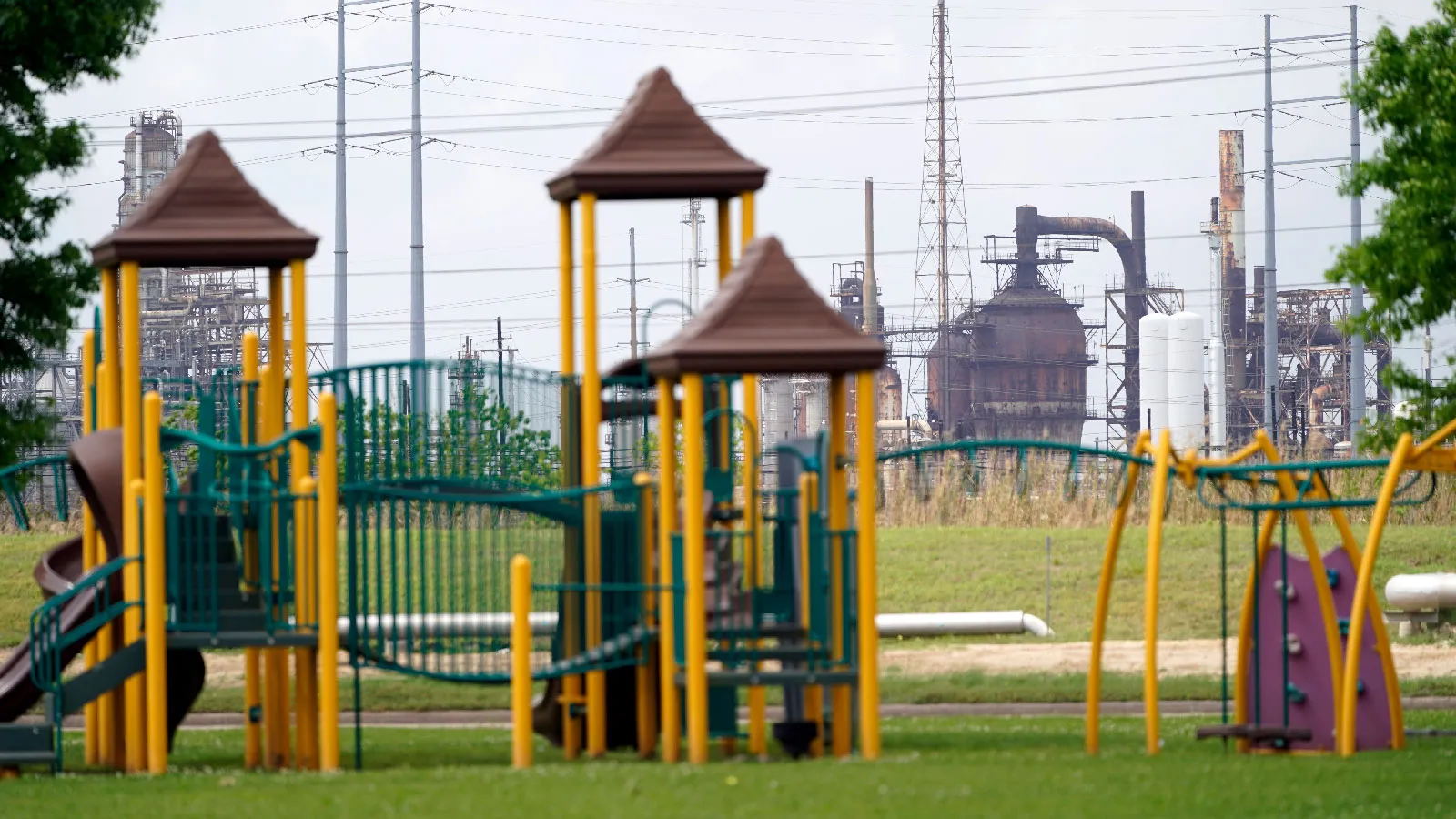
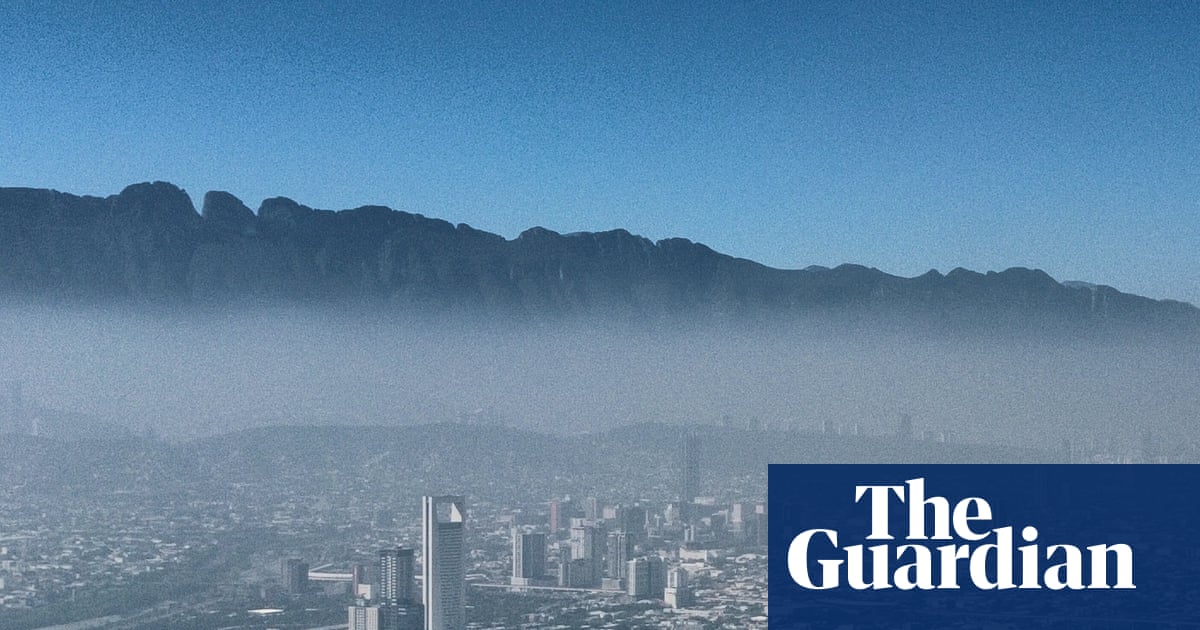
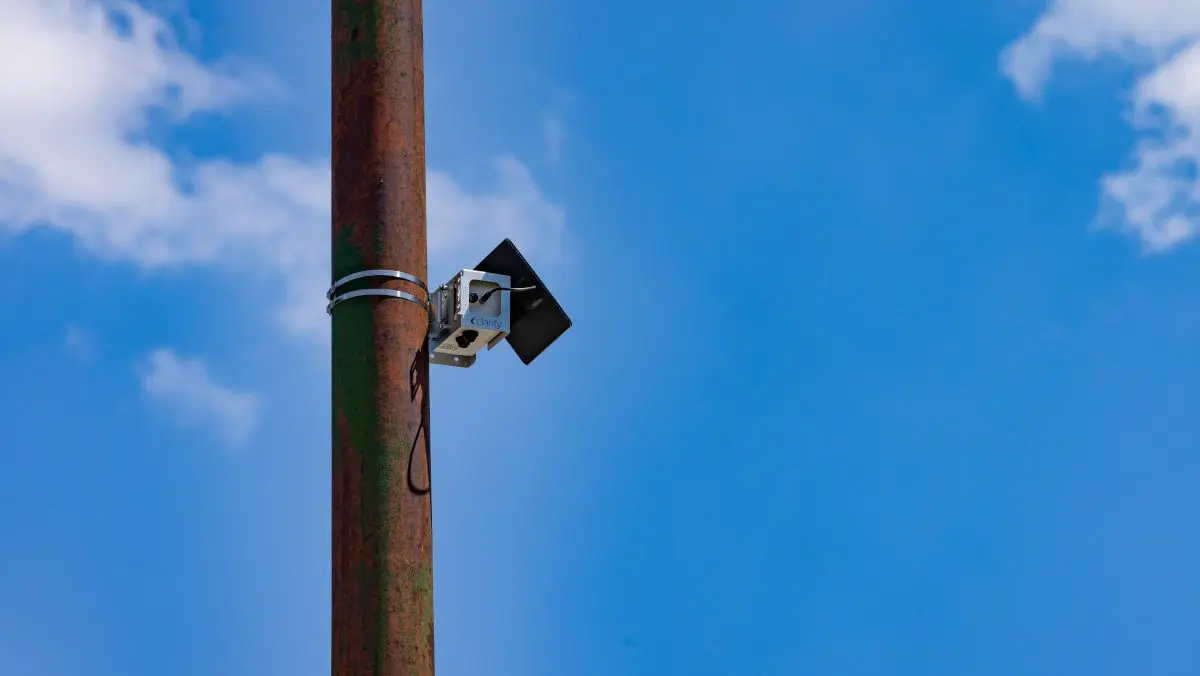
Eileen is one of a growing number of Latinos across the US who, motivated by rising pollution concerns, have installed air quality sensors outside their homes, businesses and churches to better understand the air they’re breathing and advocate for change in their communities.The grassroots monitoring comes as Donald Trump’s Environmental Protection Agency (EPA) moves to scrap almost all pollution regulations by rescinding a key 16-year-old legal finding, alongside a barrage of other rollbacks of life-saving rules.Although more than half of the US population resides in areas with unhealthy air quality, communities of color are disproportionately affected, comprising 50% of those breathing in toxic air pollutants, despite representing just 41% of the US population, according to a recent analysis by the American Lung Association. Latinos are nearly three times more likely than white individuals to live in communities with poor air quality.Traffic in Commerce, California.Aerial image of homes near the 710 Freeway and a major rail yard that transports international goods to the ports of Los Angeles and Long Beach in Commerce, California.Although agencies such as the EPA collect air quality data, researchers note that this information may not present the complete picture since some sensors are primarily located in wealthier, predominantly white neighborhoods. Meanwhile, companies can bypass air quality rules by using data from monitors located farther from pollution sources, where the air is cleaner, or by not collecting data at all, as a recent Guardian analysis found.Sensors in specific neighborhoods can help people better understand the air quality where they live, while also helping to fill data gaps. This local data can then be published for the public and shared with government agencies to inform where regulations and enforcement are needed.In Miranda’s case, the air quality sensor is provided by the Hispanic Access Foundation, a national non-profit organization. Through a three-year grant funded by the Biden administration, the group aims to engage communities most affected by measuring air pollution in 12 areas with significant Latino populations.The locations have some of the highest air pollution rates in the US, and all but one have asthma rates higher than the national average among adults.Using PurpleAir monitors, everyday citizens and community leaders, known as “site managers”, gather data and track levels of harmful air pollutants, especially the type scientists call PM2.5 – particulate matter smaller than 2.5 micrometers.