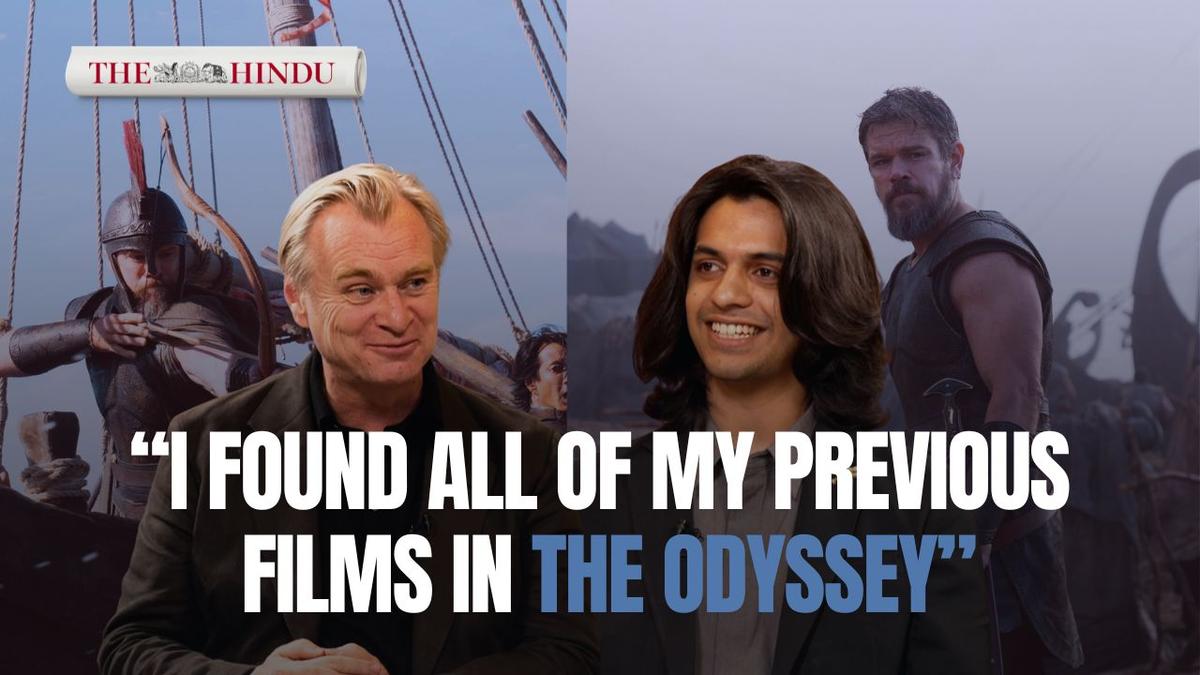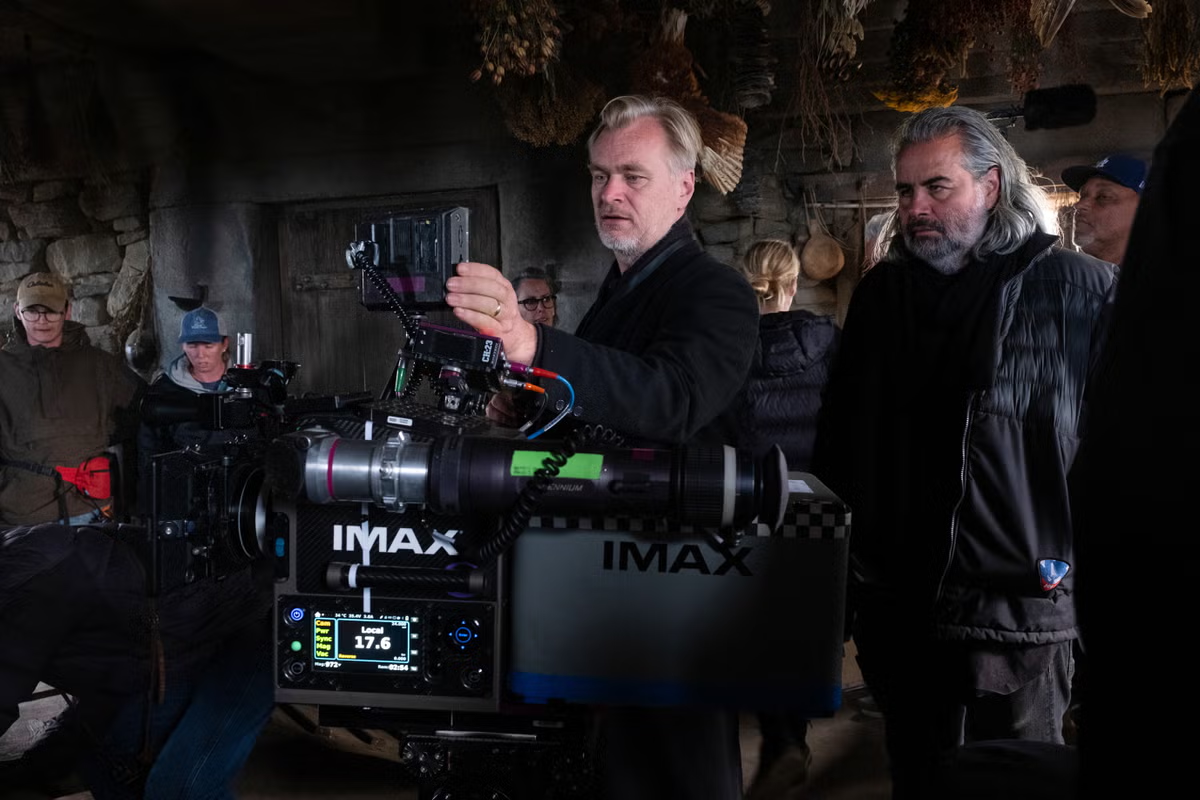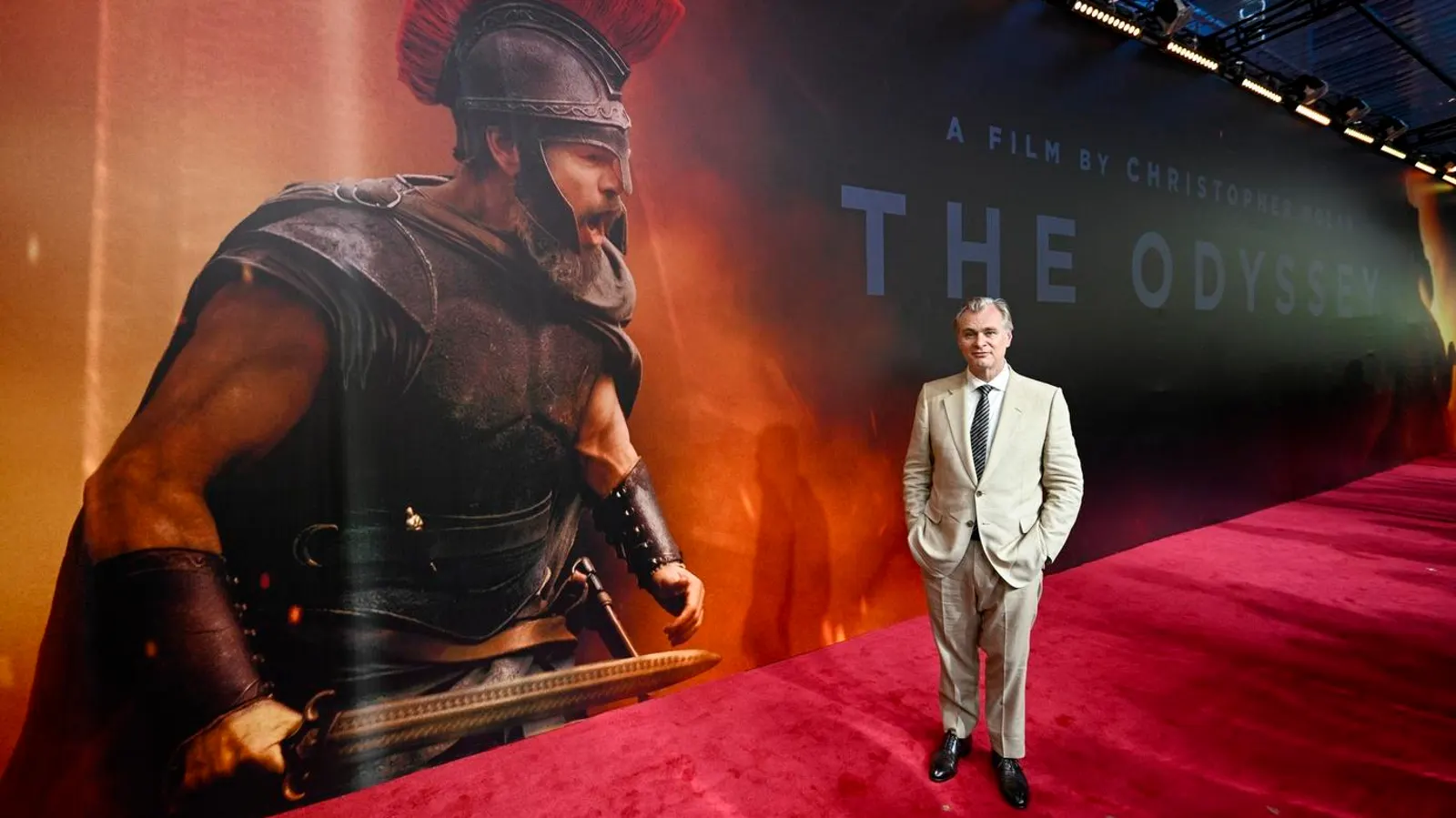
MUMBAI, INDIA - JULY 11: Christopher Nolan attends Universal Pictures THE ODYSSEY Premiere (Photo by Aalok Soni/Getty Images for Universal Pictures)Getty Images for Universal Pictures“The Odyssey is a massive story,” said director Christopher Nolan when asked why he chose to turn Homer’s ancient poem into a movie. According to Nolan, the adventure’s timeless themes have been at the heart of many of his previous films. “It’s there in every movie I’ve ever done.”Although Homer’s Odyssey was composed about 2,700 years ago, Nolan says it’s foundational to contemporary filmmaking because it tracks a storytelling framework that never gets old: The Hero’s Journey.The world’s oldest storytelling framework isn’t reserved for creative writers and filmmakers. When the Hero’s Journey is applied to business presentations, leaders can tap into its power to inspire their audiences.The Hero’s Journey: A Blueprint for BusinessThe Hero’s Journey is the storytelling structure you’ll find behind many of your favorite movies. Someone is pulled out of their comfort zone and goes on an adventure. They face one challenge after another. They face trials and tribulations that, instead of destroying them, make them better people. They return from the adventure transformed and eager to share their newfound knowledge with their community. The Hero’s Journey has survived for thousands of years because it’s great storytelling. And great storytelling is at the center of great presentations that inspire teams and drive action. MORE FOR YOUFour Essential Stages of Persuasive PresentationsThe Hero’s Journey has been greatly simplified since mythologist Joseph Campbell introduced it in his 1949 book, The Hero With A Thousand Faces. Hollywood screenwriters reduced and refined Campbell’s original 17 stages into a more workable and shorter framework of 12 stages, which are now a staple of many of your favorite movies. At Harvard, I teach executive leaders how to apply the Hero’s Journey framework to elevate their business presentations. I remind them that unless they’re writing screenplays, there’s no need to hit every stage—or even most of them.If your goal is to build trust and inspire action, four elements matter most. 1. Establish the Ordinary WorldGreat presentations begin where the audience is—not where you are. Employees or customers won’t follow you unless they feel understood. What challenges do they face? What frustrates them? What do they find unsatisfying about the status quo?The better you know your audience and their current environment, the more persuasive they’ll find your argument. 2. Issue the Call to AdventureExplain why change matters, and what they stand to lose if they fail to move. Inspiring leaders turn challenges into opportunities. They persuade audiences that remaining in the status quo is unacceptable. Answer two questions for your audience: Why now, and what opportunity will they miss if they refuse to act? Without a compelling reason to change, there’s no reason for your audience to take you up on your offer to embark on a new adventure.3. Navigate the Road of TrialsAddress objections before they become barriers.This is the part most presenters skip. Your audience will be skeptical. They might be experiencing status quo bias, preferring to stay in familiar places rather than trying something new.A great presentation addresses their objections, even the unexpressed ones. Your audience might be thinking: That won’t work here. It’s too expensive. We’ve tried it before.Skilled communicators anticipate common objections, identify the most persuasive messages to overcome that resistance, and help the audience navigate those hurdles so they’re comfortable trying something new. 4. Show the TransformationPaint a vivid picture of success—the destination. Help your audience imagine what their world will look like when they embrace your idea. How will their problems be resolved? How will customers benefit? How will employees’ work become easier, more meaningful, or more attractive financially?Whether you’re introducing a new product, announcing a strategic initiative, leading a merger, or pitching stakeholders, a persuasive presentation takes people on a journey from where they are today to a brighter future. Christopher Nolan is using the Hero’s Journey to bring Homer’s epic to contemporary moviegoers. Leaders can use the same timeless framework to take their audience from where they are to where they could be. People don’t change because they’ve seen a PowerPoint. They change because they’ve been taken on a journey.
Why Every Great Presentation Follows The Odyssey
Christopher Nolan’s epic film offers a timeless lesson in leadership communication.
697 words~3 min read