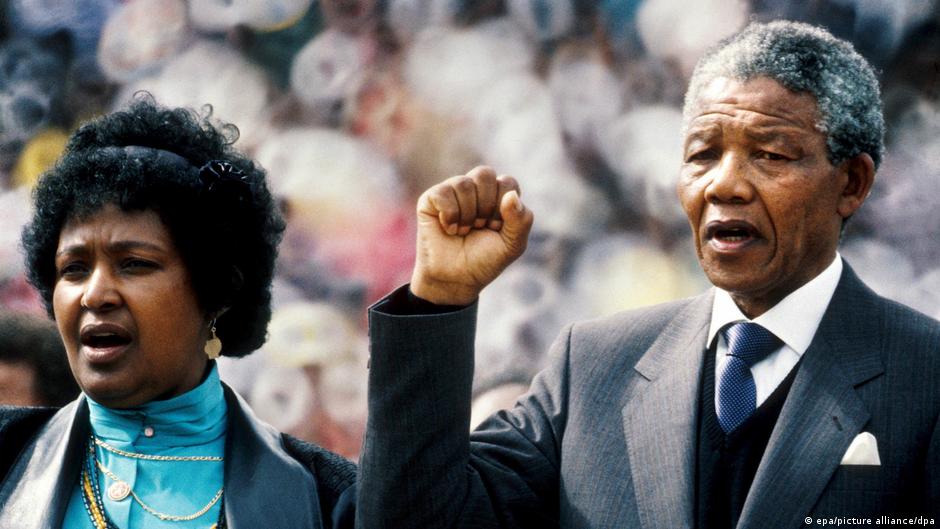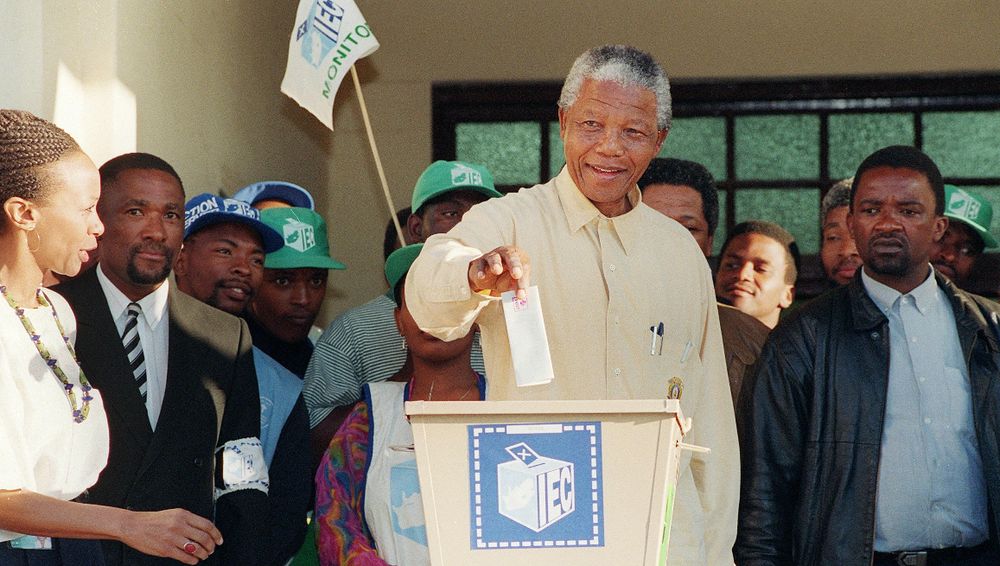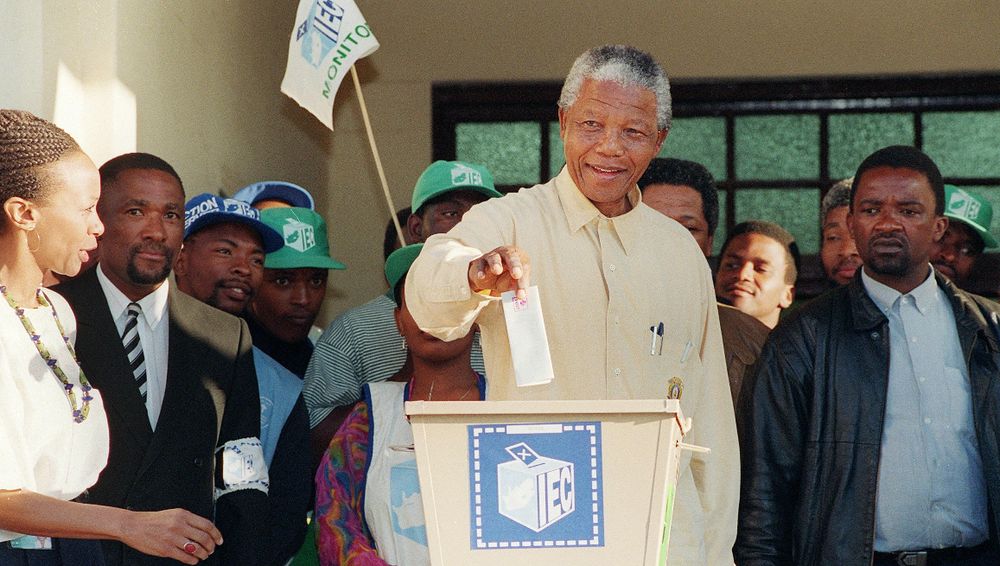
Nelson Mandela casts his vote at Ohlange High School in Inanda, Durban, on April 27, 1994. As South Africa stands at a pivotal crossroads three decades into its democracy, the writer asks if we can redefine leadership to meet today's challenges.
South Africa stands at a defining moment in its democratic journey.Thirty-two years after the birth of our democracy, we have every reason to celebrate how far we have come. We have built democratic institutions, protected constitutional rights and shown the world that a deeply divided nation could choose reconciliation over revenge.
Yet history teaches us that nations are not judged only by where they have come from, but by where they are going. That is why I believe South Africans should begin asking a difficult — but necessary — question: Who will lead South Africa over the next twenty years, and are we preparing the right kind of leaders for the future we hope to build? Perhaps an even more important question is whether we have clearly defined the qualities those leaders must possess.
For many years our national dialogue was understandably centred on dismantling apartheid, promoting reconciliation and correcting historical injustices. Those conversations remain important because inequality has not disappeared and the promise of economic inclusion remains unfinished.