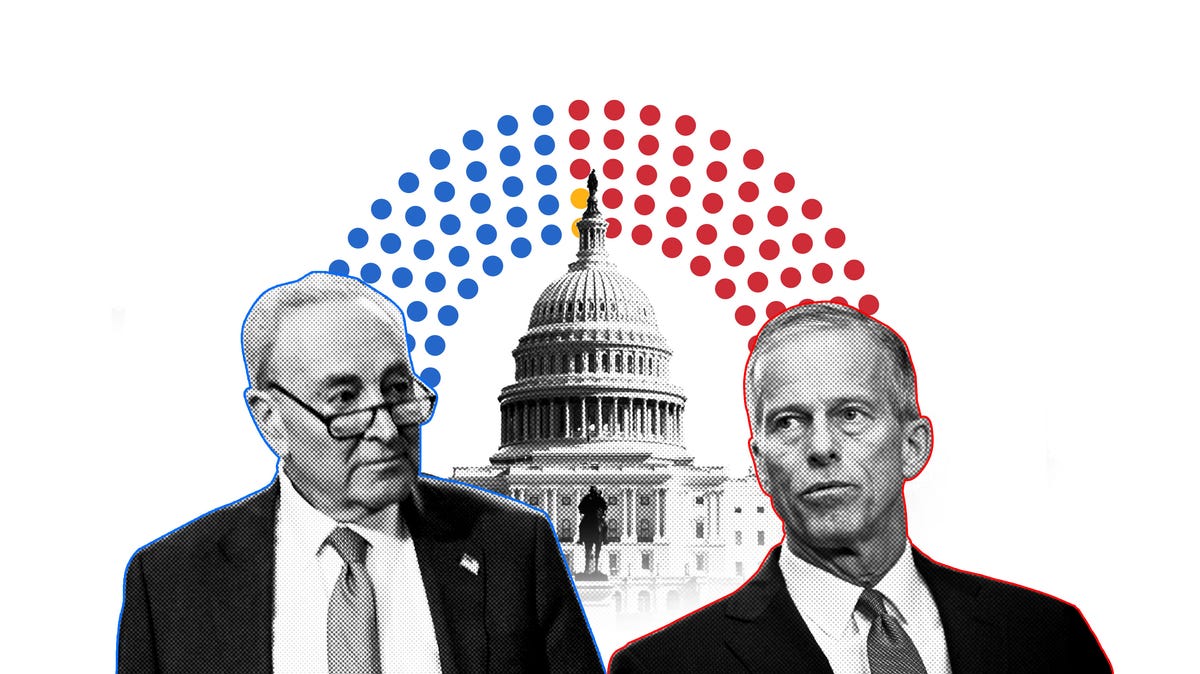
The modern-day filibuster, in a disturbing and substantial way, has neutralized the effect of elections and crippled the ability of the elected majority to govern. The result? The people’s voice in the Senate, and by extension the Congress in general, has been effectively silenced.Can the people’s voice overpower the filibuster? Consider two measures passed by the House since January 2025: the Protection of Women and Girls in Sports Act of 2025 and the SAVE America Act. The first would keep men out of women’s sports — an issue supported by 69% of Americans in a 2025 Gallup poll. The second was an election-integrity measure requiring voter photo ID — backed by 80% of Americans, according to Pew and Gallup polls — and requiring proof of citizenship to vote, supported by 83% of Americans, also according to Gallup. Yet, even on issues with widespread support across the political spectrum, the will of the people is simply no match for the high bar set by the filibuster rule. Despite their strong support, these measures stalled in the Senate, where, unless there are 60 votes to break the filibuster, bills die without getting to a floor vote. If you were among the 77.3 million Americans who voted for President Donald Trump in the last election and were expecting these and other issues to be remedied as a result of his election and the election of Republican majorities in both chambers of Congress, it is safe to assume you have been deeply disappointed. You are not alone.
Seventy-seven million votes. One rule to erase them all
A Senate rule lets a minority override laws backed by 70%-80% of Americans — turning the founders' fear of majority tyranny into tyranny of the minority.
1,228 words~6 min read