Hoping for a few final wins before the midterms, Republicans are going for reconciliation — again. That’s partly because other legislative paths to President Donald Trump’s desk are disappearing.
They’ll spend a good chunk of this week on plans for a third round of the filibuster-proof budget process, this time for a $95 billion package that would fund the Iran war, farm aid and voter ID measures.
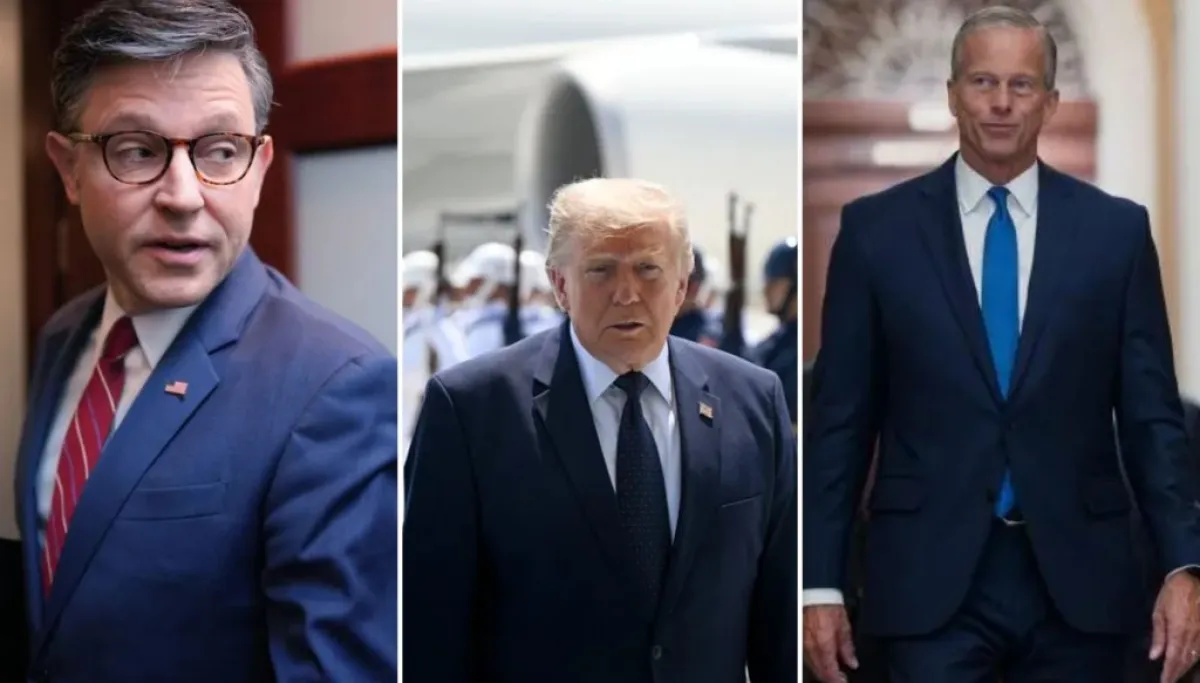
No one said it would be easy. As House Republicans pushed ahead with their blueprint, Senate Majority Leader John Thune, R-S.D. — who would have to lead his chamber through another grueling round of Byrd rule fights and intense overnight voting sessions — wouldn’t make any guarantees and called it a “very uneven path.”
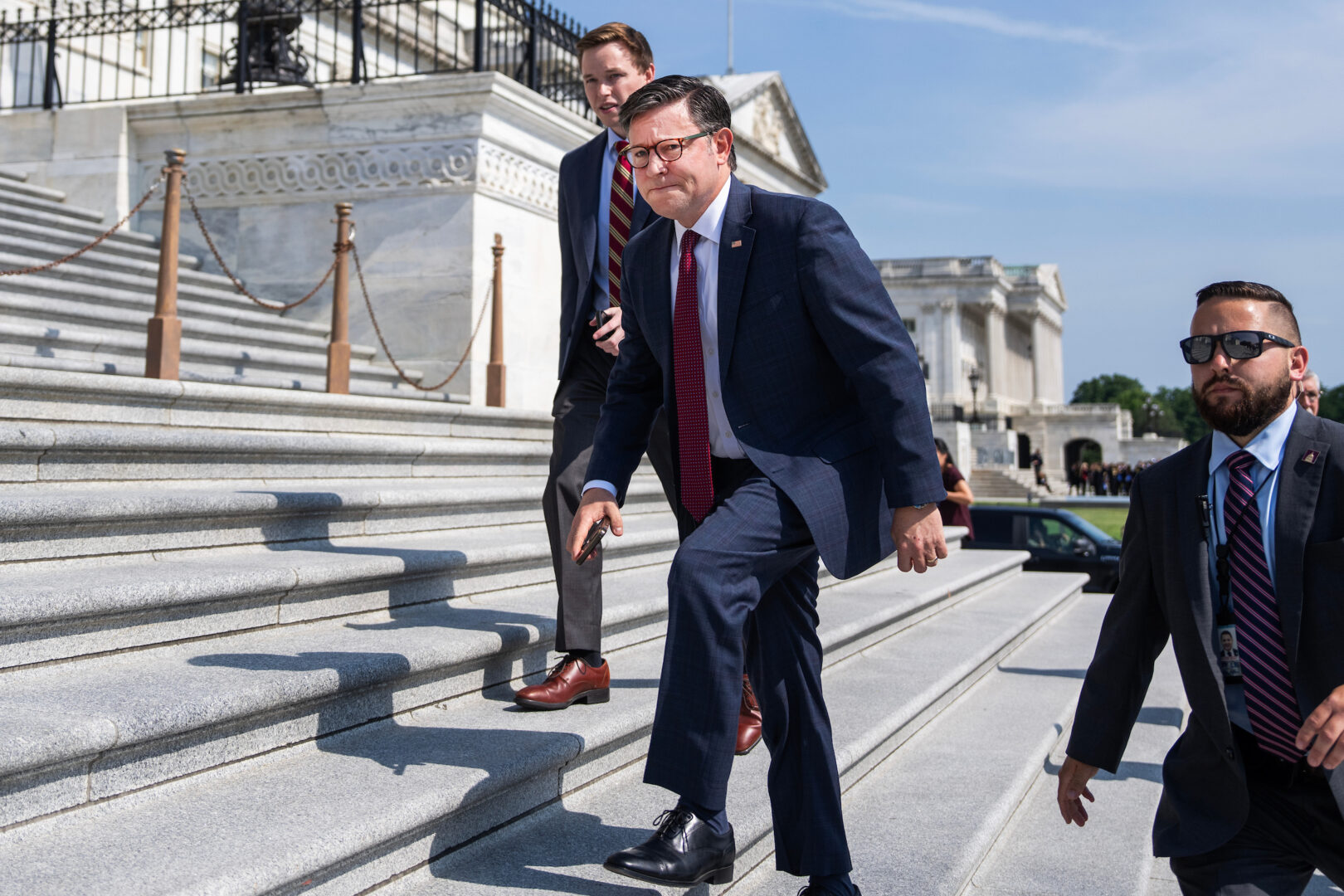
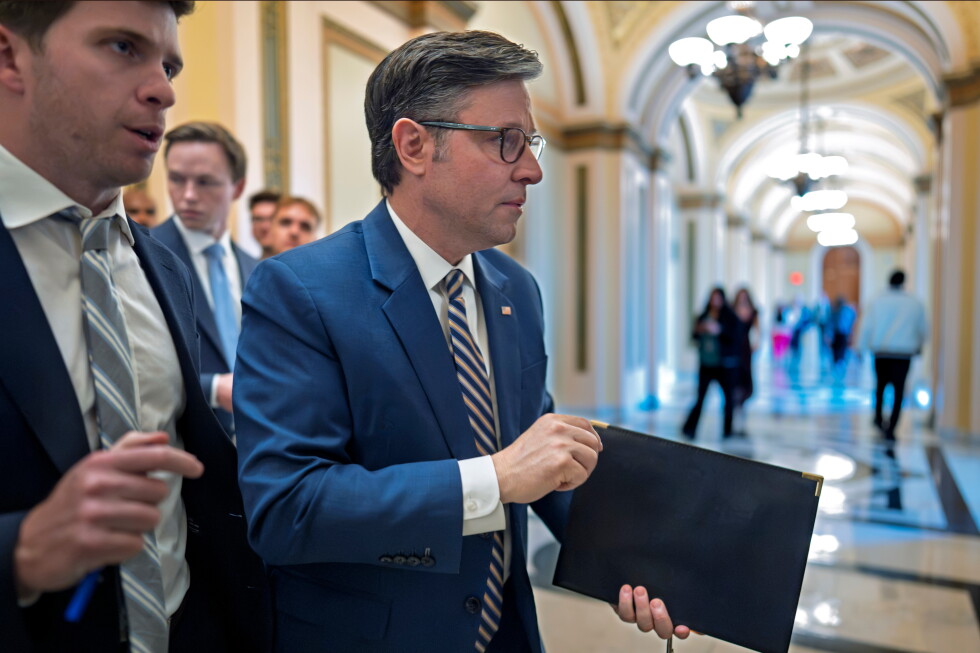
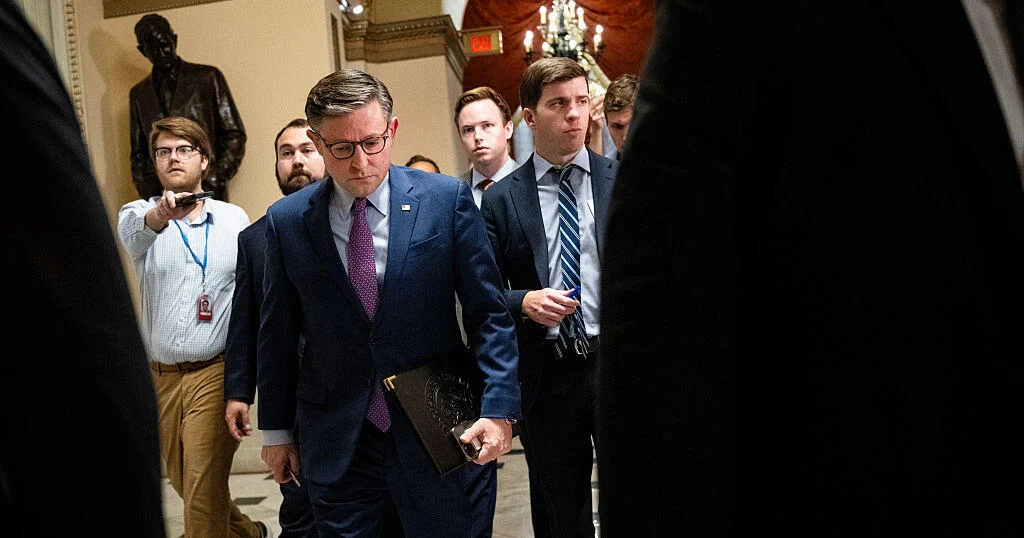
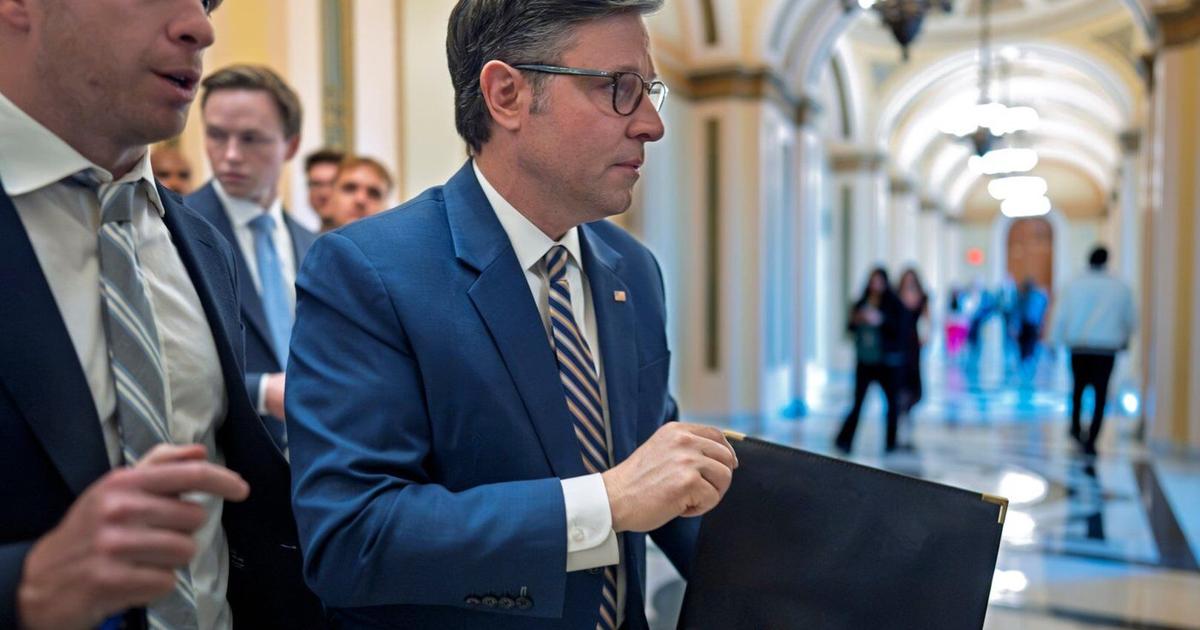
Even so, Thune and Speaker Mike Johnson, R-La., don’t have many other options if they want to grant Trump’s legislative wishes. The lonely road to reconciliation has been decades in the making, said Molly Reynolds, vice president and director of governance studies at Brookings.
In years past, lawmakers may have looked at a president’s request for extra money and passed a supplemental spending bill or folded it into a stopgap. Now, “for lots of very good reasons, people don’t see that as a tenable path,” Reynolds said on a recent episode of Roll Call’s Political Theater podcast.