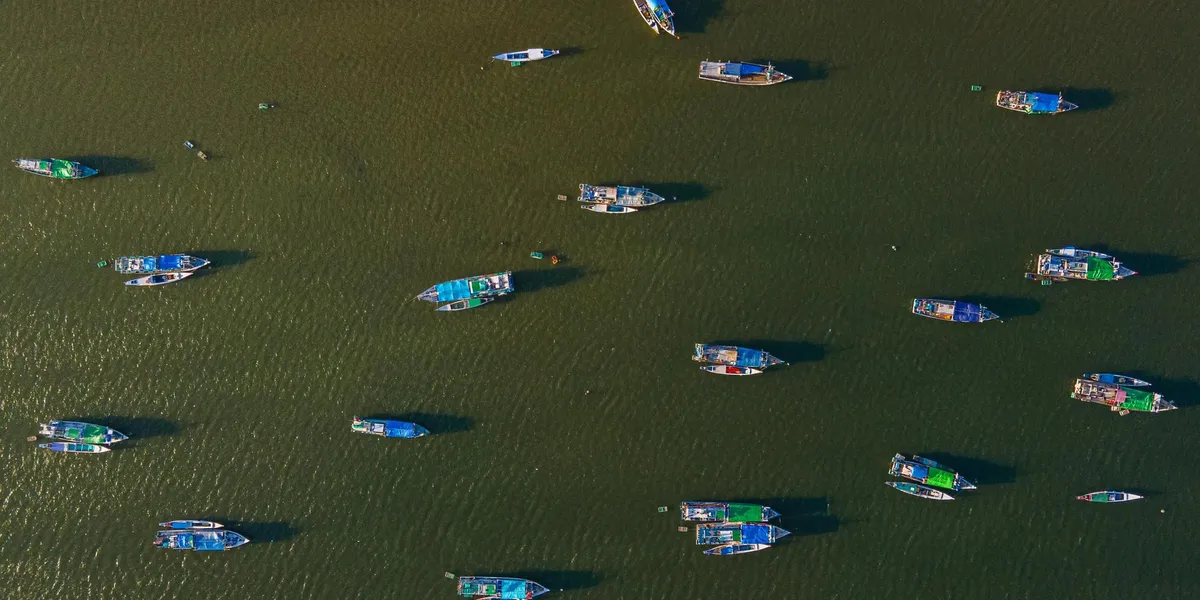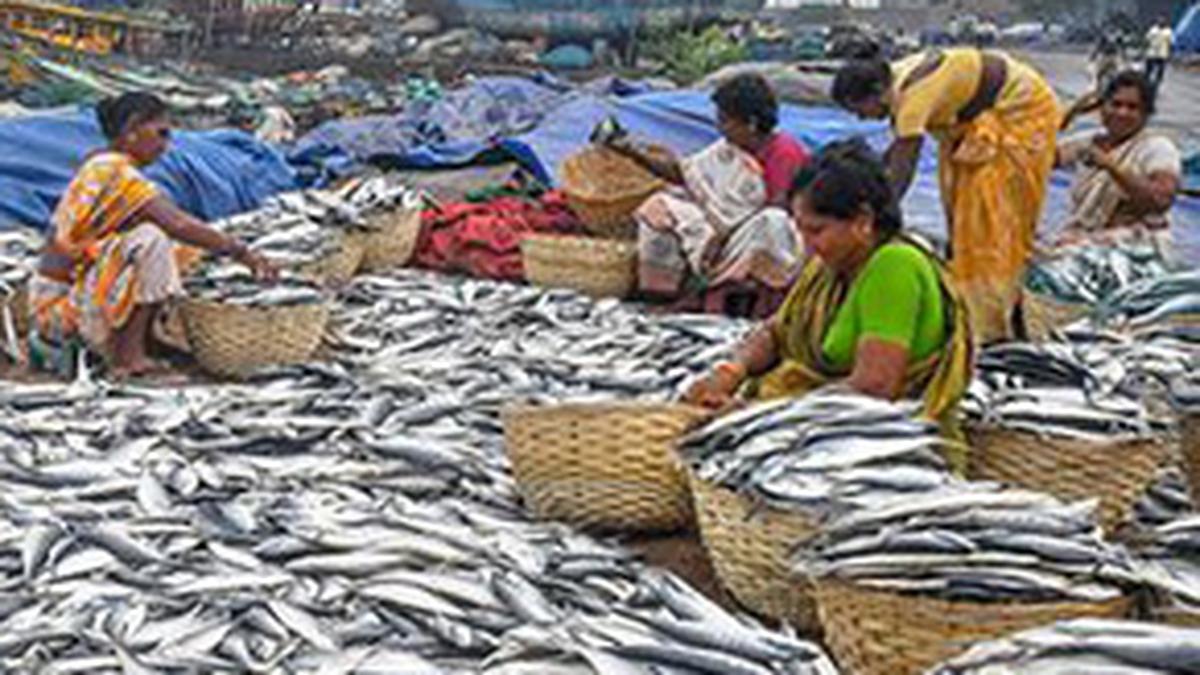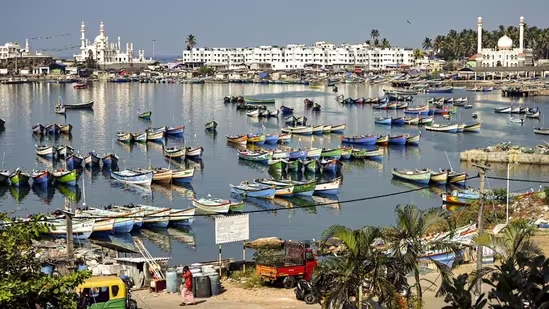
India’s marine fisheries sector plays a critical role in coastal livelihoods, food security, and the country’s emerging blue economy. However, the governance of marine fisheries remains fragmented due to variations in Marine Fishing Regulation Acts (MFRAs) implemented by coastal states and Union Territories. These differences in seasonal bans, gear regulations, licensing systems, enforcement capacity, and penalties complicate coordinated management of shared fish stocks and weaken conservation outcomes. Although national initiatives such as the Pradhan Mantri Matsya Sampada Yojana promote sustainable fisheries, their effectiveness is limited by inconsistent state-level implementation. This brief argues that harmonising key regulatory principles across states, while retaining flexibility for local ecological contexts, is essential to strengthen fisheries’ governance, support coastal livelihoods, and advance India’s blue economy objectives.Fishing boats anchored at the Vizhinjam harbour. (PTI)India’s marine fisheries sector is a fundamental component of national coastal governance and the blue economy; however, its regulatory framework remains fragmented. The management of the country’s 11,099-km coastline and expansive Exclusive Economic Zone (EEZ) of 2,372,298 km² is shared between the central and state governments. While this dual jurisdiction allows region-specific governance, it often results in inconsistent policy application, regulatory overlaps, and weak enforcement. The complexity is particularly significant given the sector’s socioeconomic role in supporting over five million marine fishers and their families and its contribution to national food security, employment, and export earnings.This paper can be accessed here.This paper is authored by Vijai Dharmamony, ORF.
Strengthening marine fisheries’ governance and blue economy goals
This paper is authored by Vijai Dharmamony, ORF.
235 words~1 min read