One of the Philippines’ largest financial services companies is betting that stablecoins can do what traditional payment rails have struggled to accomplish for decades: make cross-border transfers fast, cheap, and accessible to millions of Filipinos who depend on remittances.
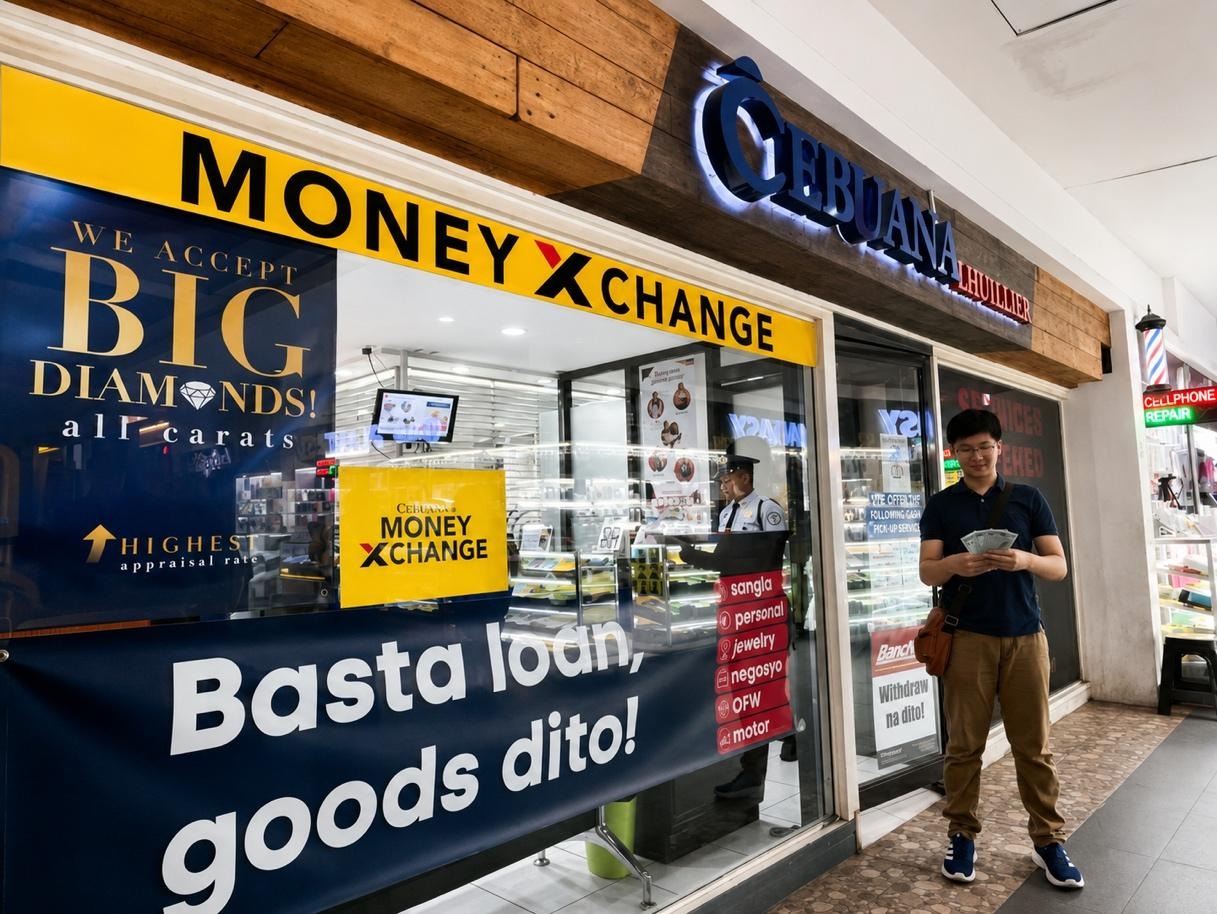
Cebuana Lhuillier, which operates over 3,500 branches across the Philippines, announced a partnership with digital asset infrastructure firm Fireblocks to build a stablecoin-powered payment system for both domestic and cross-border transactions. The deal, announced on July 14, puts blockchain technology at the center of one of Southeast Asia’s most critical financial lifelines.
Why stablecoins, why now
Digital payments in the Philippines went from roughly 1% of retail transactions in 2013 to 57.4% by 2024, according to data from the Bangko Sentral ng Pilipinas (BSP). The central bank is targeting 60-70% by 2028.
The partnership leverages Fireblocks’ enterprise-grade wallet tools, payment networks, and blockchain connectivity built on the Solana blockchain, enabling rapid settlements at a fraction of traditional costs.