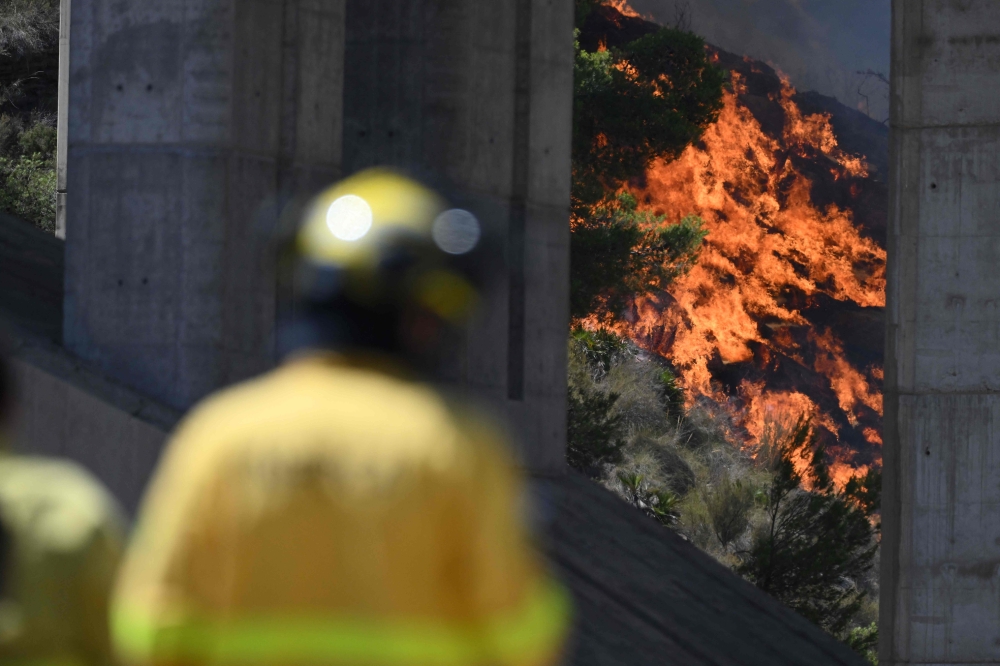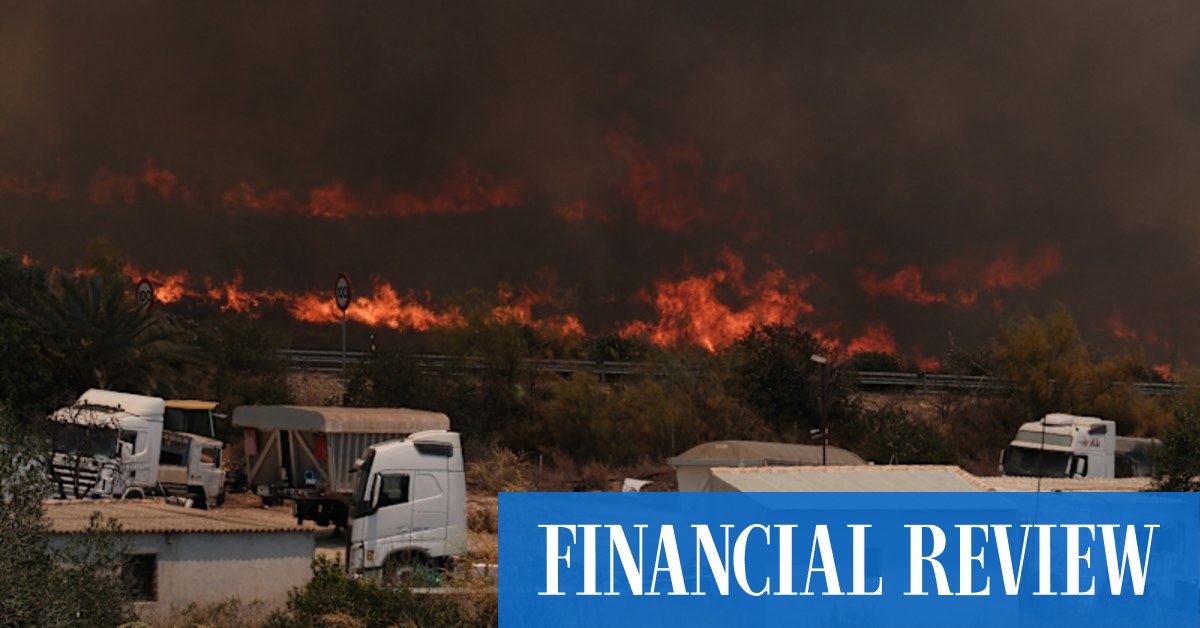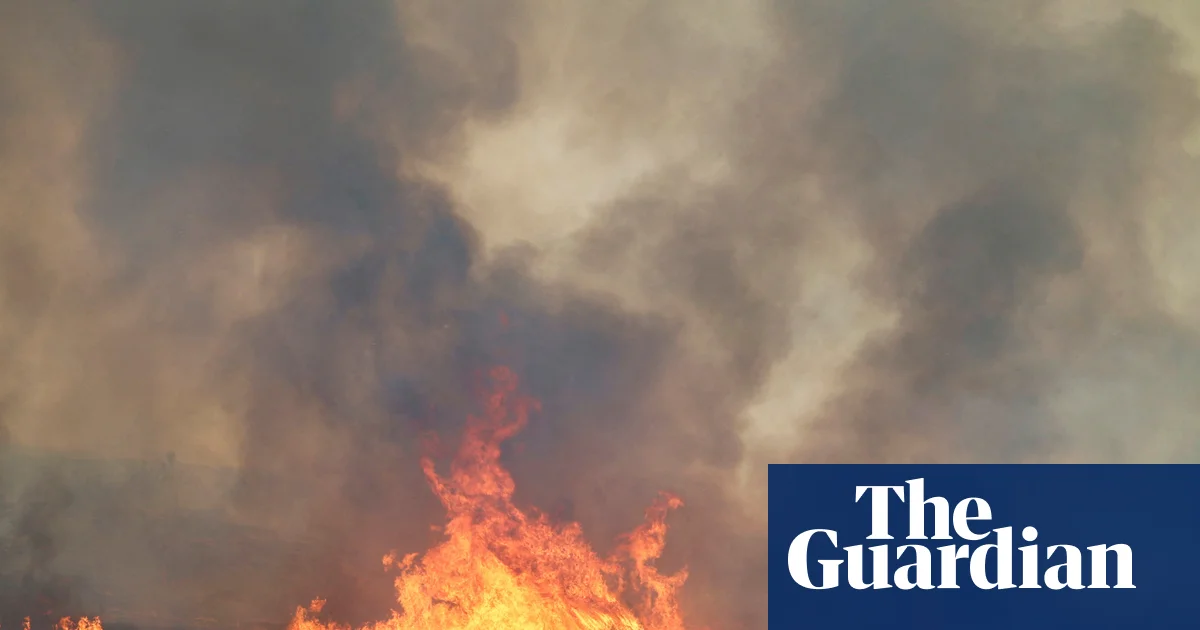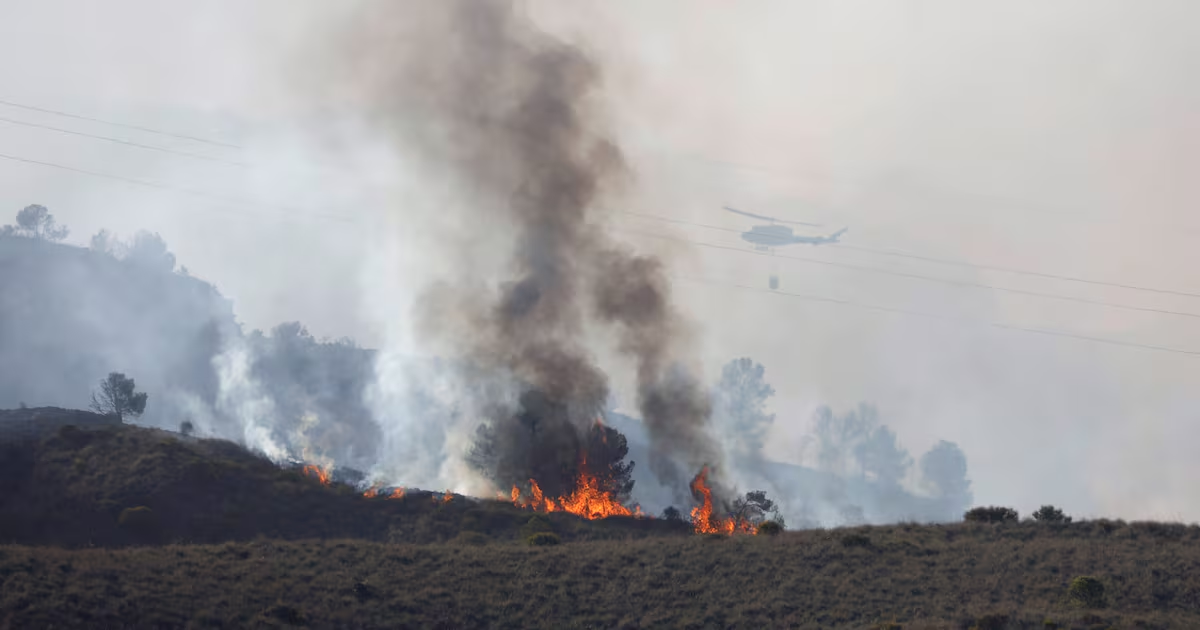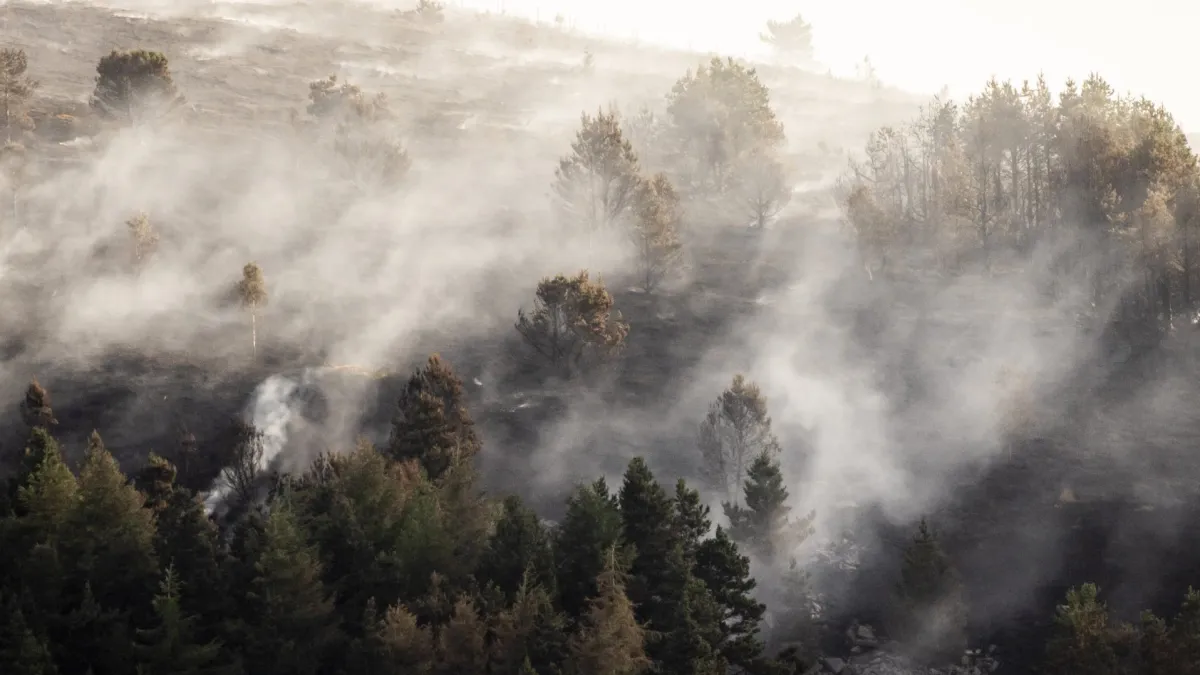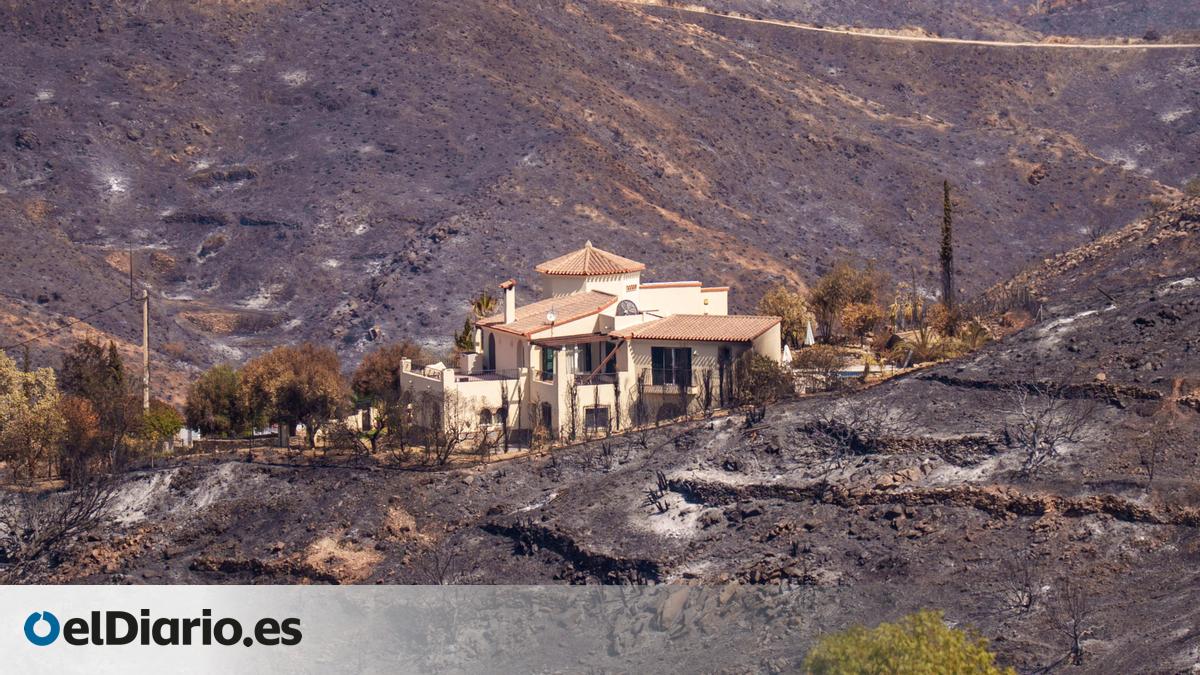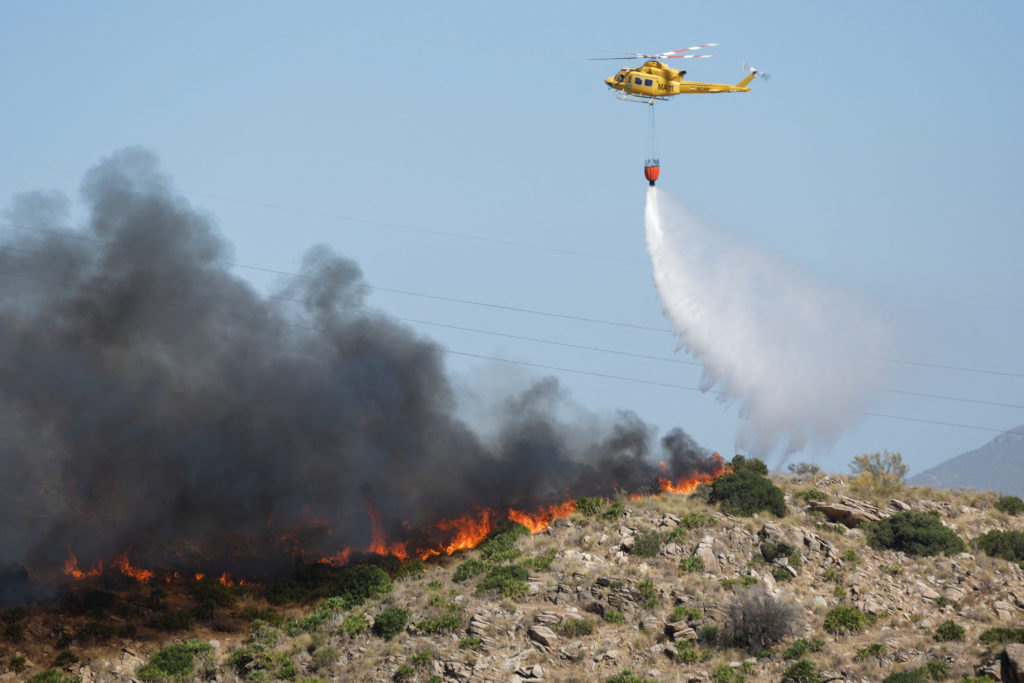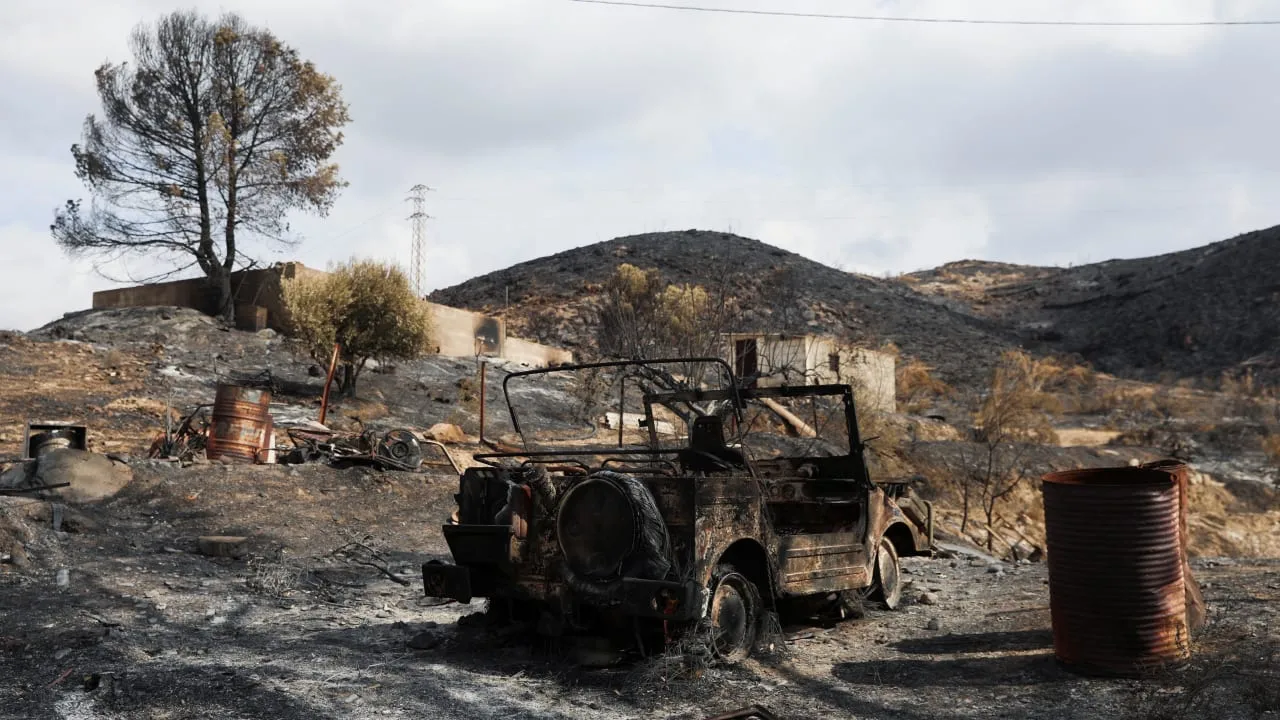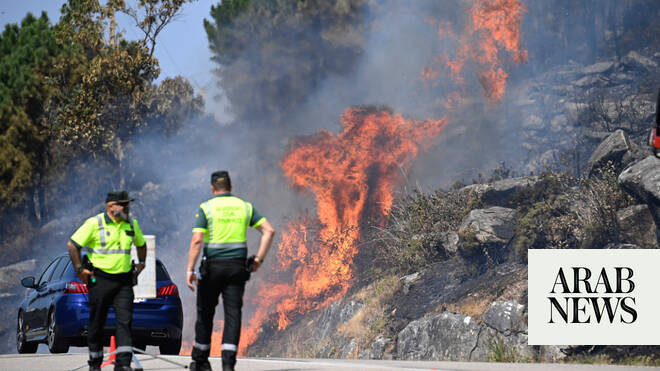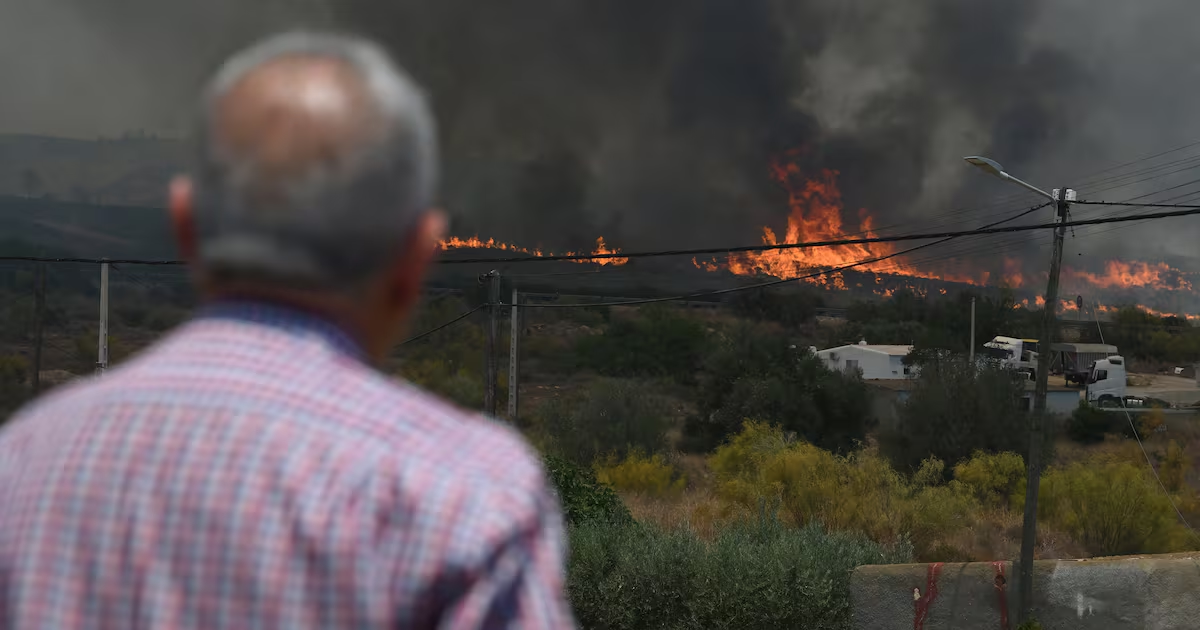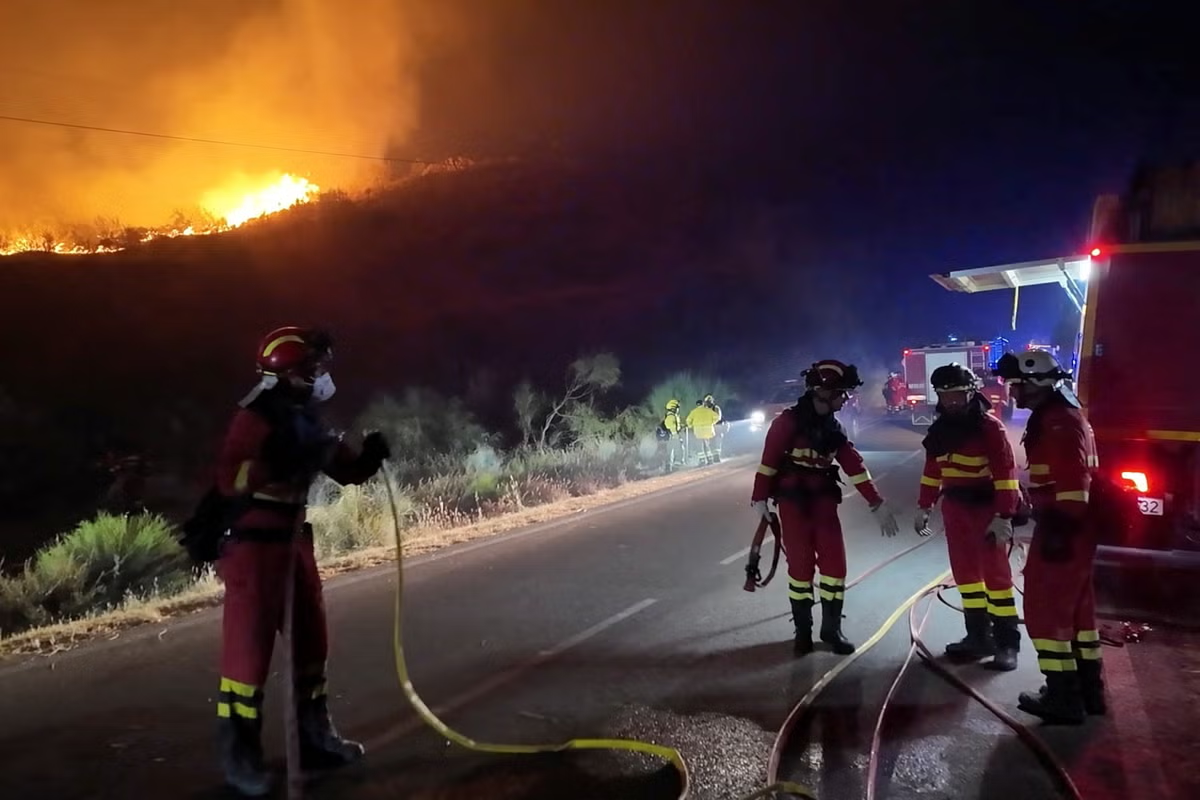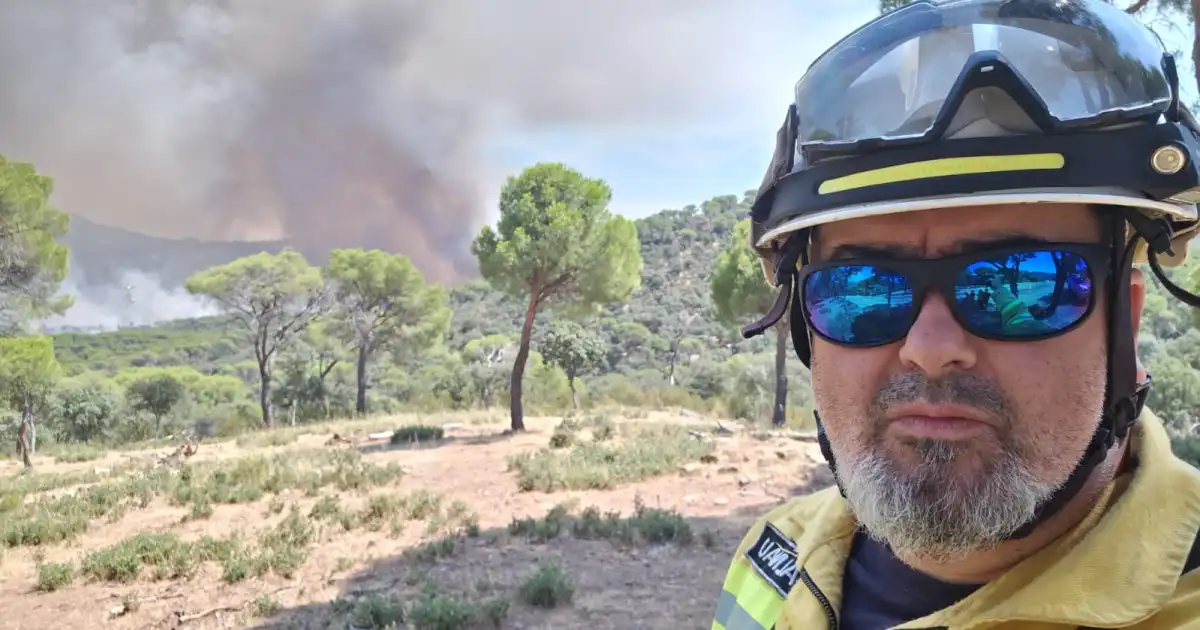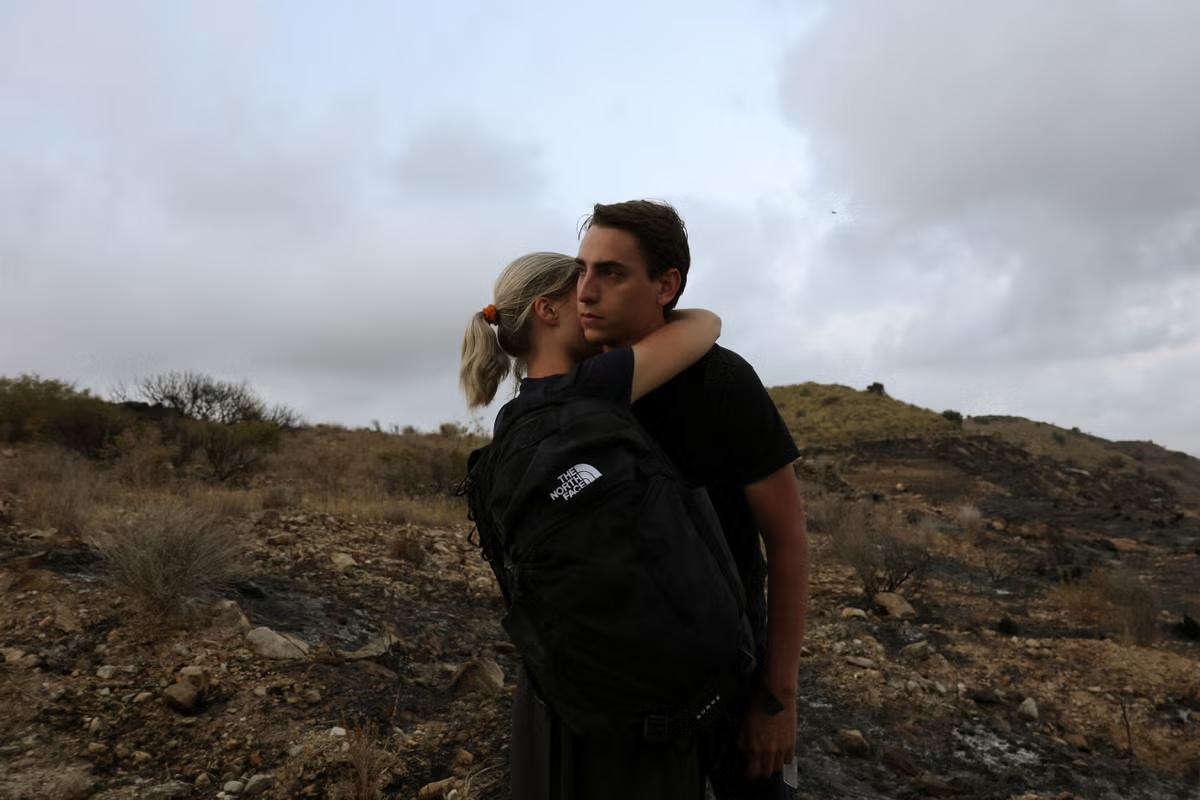
Before last Thursday, the community Facebook page for Bédar, Almería, read like every other small-town noticeboard: details about what bars were showing the World Cup matches, outrage at fly tippers, book club invitations, and the occasional warning about an aggressive wild boar sow protecting her piglets.But from Thursday afternoon onwards, as wildfires travelling at speeds up to 20km swept across the hillsides, the Bédar Village People Facebook group became a different thing entirely. The administrator Liz posted crucial information about the districts being ordered to evacuate, updates from the town hall and the Guardia Civil. Evacuees were directed to the Teatro Municipal, the local arts centre. As news reports filtered through that 12 people had lost their lives, distressed family members in Belgium, Britain and Germany posted photographs and pleas for information about their parents. With no electricity or wifi, and patchy phone coverage, it took survivors hours – even days – to get online and post brief messages reassuring friends they were safe, or report that they’d found someone’s parents safe and sound but without their phones at the teatro. Residents affected by the fires wait for police to allow them to return to their homes – and to see what damage has been wrought (Reuters)Pictures of lost and found pets appeared, as did warm-hearted offers of spare rooms, empty holiday homes, and transport to and from the airport. Volunteers were directed to a local’s WhatsApp group. There was an urgent appeal for phone chargers to help survivors contact their families and friends; one member wrote that she wished she could help, but her chargers had melted inside her car.The Facebook page tells a story of a small and close-knit Andalusian community devastated by Spain’s deadliest wildfire in history, searching for survivors, ways to help, and answers. It’s a community I have some familiarity with. A close friend from Andalusia lives in Bédar, and last year I spent a happy week in this tiny town for her wedding. Before last week, Bédar hadn’t seen too many journalists. This whitewashed former mining town (the last mine closed in 1970) has fewer than 1,000 residents, and it’s known in the region for being home to many British, Belgian and other northern European retirees. It sits 400 metres above sea level in the foothills of the Sierra de los Filabres, around a 25-minute drive from the nearest beaches. Unlike the exclusive and expensive Andalusian “pueblo blancos” such as Benahavís, there are no flashy gated communities or million-euro luxury villas here. Bédar attracts middle-income northern European migrants in search of a quiet retirement, and a friendly population where retired British residents slightly outnumber the Spanish population, but everyone rubs along well together.Flames burn on a hillside during a wildfire near Bédar on 10 July (AFP/Getty)But today, anger is growing at what villagers and grieving family members consider a cruel and calculated victim-blaming agenda online, from the mouths of government officials, journalists and social media pundits and commentators. Antonio Sanz, Andalusia’s acting minister for health and emergencies, has repeatedly stated that the dead are “almost all foreign nationals” who “ignored” shelter-in-place instructions. For a wildfire of this kind to occur and spread rapidly, three ingredients are typically required: an ignition source, dry vegetation that can act as fuel, and weather conditions that favour firesDr Maria Barbosa, wildfire specialist at UKCEHCuriously, there is no mention of the decades-long ecological mismanagement of Almería, and a failure to prepare at-risk communities for the wildfires everyone knew would be coming amid rising global temperatures.“We are grieving, and when we read news reports for information about the missing and hospitalised, all we see are cruel reports that our friends died because they stupidly didn’t obey orders, or didn’t understand the orders because they were in Spanish,” a resident told me.“The truth is, the fire moved too fast for any official orders; there was no ‘safe evacuation route’; there was no emergency SMS. Everyone just did what they thought was best for them, their families, their pets, and tried to survive. Some did not.” Seven people died after abandoning their cars and trying to escape through a ravine on foot; another four of the dead were presumed to be British because the steering wheel of their burned vehicle was on the right-hand side. On Monday, a 93-year-old woman died in hospital, bringing the death toll to 13. This week, the people of Bédar are not being permitted to quietly mourn the deaths of our friends and family, and the destruction of their homes and memories. This small town is also dealing with vicious online trolling and self-serving official statements and grappling with the questions of how and why such a tragedy could unfold in one of Spain’s most economically productive areas.Seven people died after leaving their cars and attempting to escape the fires on foot (AP)Dr Maria Barbosa is a wildfire scientist at the UK Centre for Ecology & Hydrology (UKCEH). “For a wildfire of this kind to occur and spread rapidly, three ingredients are typically required: an ignition source, dry vegetation that can act as fuel, and weather conditions that favour fires,” she says. But ecologists agree that climate change – while undeniable – is only part of the picture.“Wildfire disasters are often the result of years of neglect and slow decision-making in addressing a natural hazard that occurs in our forests and ecosystems, and increasingly threatens our communities,” says the Madrid-born Guillermo Rein, professor of fire science at Imperial College London. And it doesn’t take an expert to see the dangers facing Almería; they are visible to the naked eye. When I first drove to Bédar I expected to see picturesque fields of Mediterranean crops; Almería is, after all, Europe’s “market garden”, an agricultural powerhouse with a turnover of €3m (£2.5m) per year. “Welcome to Mar de Plástico,” my Andalusian friend said, laughing at my widened eyes as I gazed out the window at the largest expanse of plastic greenhouses in the world. Almería’s so-called “sea of plastic” covers 40,000 hectares, or five times the area of Manhattan, and is visible from space. However dystopian it looks, it is dubbed, “the miracle of Almería” by politicians who point to the data which shows that nearly half of Europe’s winter produce feeds half a billion people. During the winter months, Almería’s greenhouses supply between 70 per cent and 80 per cent of the tomatoes, lettuces, and courgettes on British supermarket shelves.Almería’s ‘sea of plastic’, a 40,000-hectare collection of greenhouses visible from space (AFP/Getty)However, the path of history that gets us to this point is rocky. Under Francisco Franco, Almería’s agriculture was dismantled and rebuilt through a system of state-led colonisation, irrigation schemes and early experiments in protected cultivation. Between 1939 and 1975, Franco constructed 615 reservoirs and dams, and by the 1960s, the plastic greenhouses of Almería seemed to give the dictator proof of concept, demonstrating that even an impoverished and semi-arid desert like Almería could be transformed into a highly lucrative agricultural powerhouse, if you build enough big strapping concrete structures, using sandy soil and hydroponics.Spanish environmentalists have since called this model of profligate water-fuelled agricultural expansion “hydromachismo”, noting that it served a propaganda purpose as well as an economic imperative. When Spain joined the European Union in 1986, funding poured in and export markets opened, turning Almería into a powerhouse of export horticulture. But it also wove ecological strain into the land use of Almería, through water depletion, soil stress and a growing conflict between intensive production and environmental limits. Local authorities have said ‘foreign nationals’ ignored the ‘shelter-in-place’ orders (Getty)It would be inaccurate to blame deadly wildfires entirely on intensive agriculture in the region, but many residents feel that the centre-right Partido Popular (PP), who hold a comfortable majority, have failed to consider that the ecological debt was mounting, even as horticultural profits grew. As the daughter of a Bédar resident told me over the phone, “Franco is still killing people. Politicians never change.”Wildfire disasters are often the result of years of neglect and slow decision-making in addressing a natural hazard that occurs in our forests and ecosystems, and increasingly threatens our communitiesGuillermo Rein, professor of fire science at Imperial College LondonAnd change is exactly what ecologists and wildfire scientists are demanding. “Adaptation is our only way forward,” says Dr Barbosa. “As wildfire risk grows, building more fire-resilient communities will be a priority. This means investing in prevention, managing fuel, improving early warning systems, and ensuring people living in high-risk areas understand how to prepare and respond.”Among the residents I speak to, most are not interested in looking backwards or apportioning blame; they just want the victim-blaming of their friends and neighbours to stop. And they have no intention of giving up on the dream of living in the Mediterranean sunshine. But they need the future to look different.“People come to Bédar looking forward to a happy retirement. We all looked to the future, renovating old buildings, growing vegetables in our garden, building a community,” says one local homeowner, who was in London at the time of the fire.“But we can only imagine a future here if we respond to environmental realities and the danger or rising temperatures and wildfires. We need to feel safe.” For the village people of Bédar, there is a sense that it’s time for the Andalusian dream to get real.
The wildfires of Bédar and why the British trapped there didn’t stand a chance
For those reeling from Spain’s deadliest wildfire in more than four decades, the victim-blaming by local authorities is an attempt to cover up years of mismanagement, ‘hydromachismo’, and a failure to prepare for the wildfires everyone knew were coming, Anna Hart reports
1,559 words~7 min read