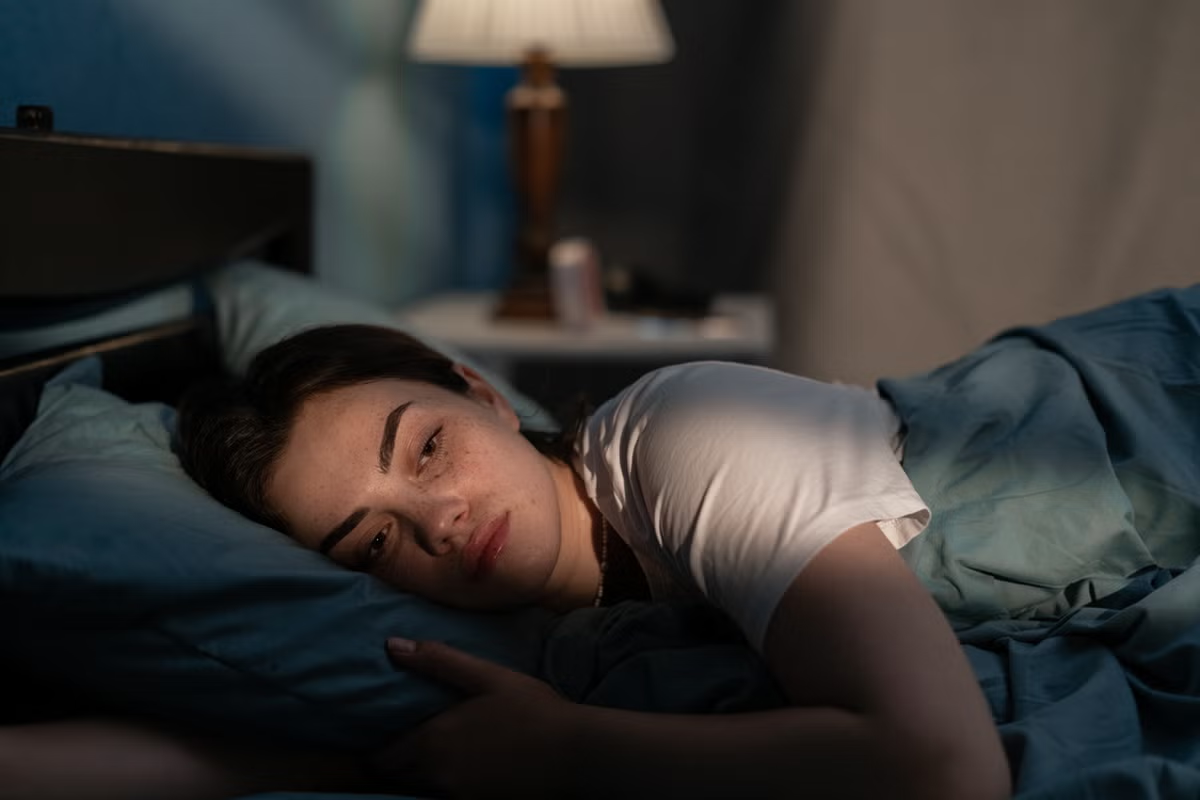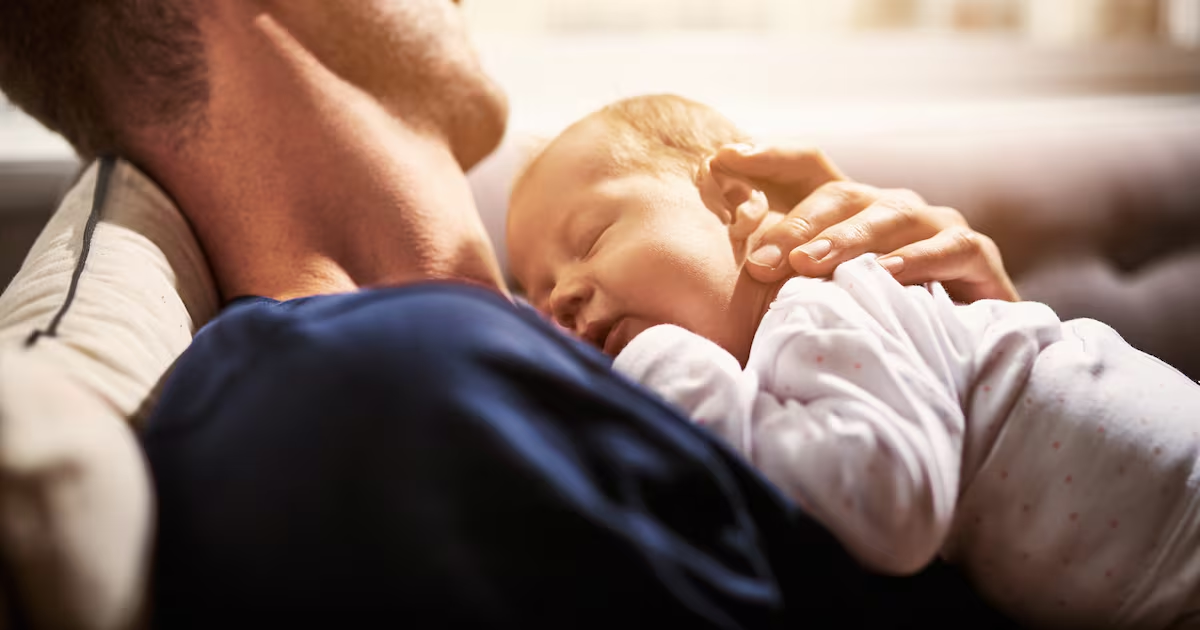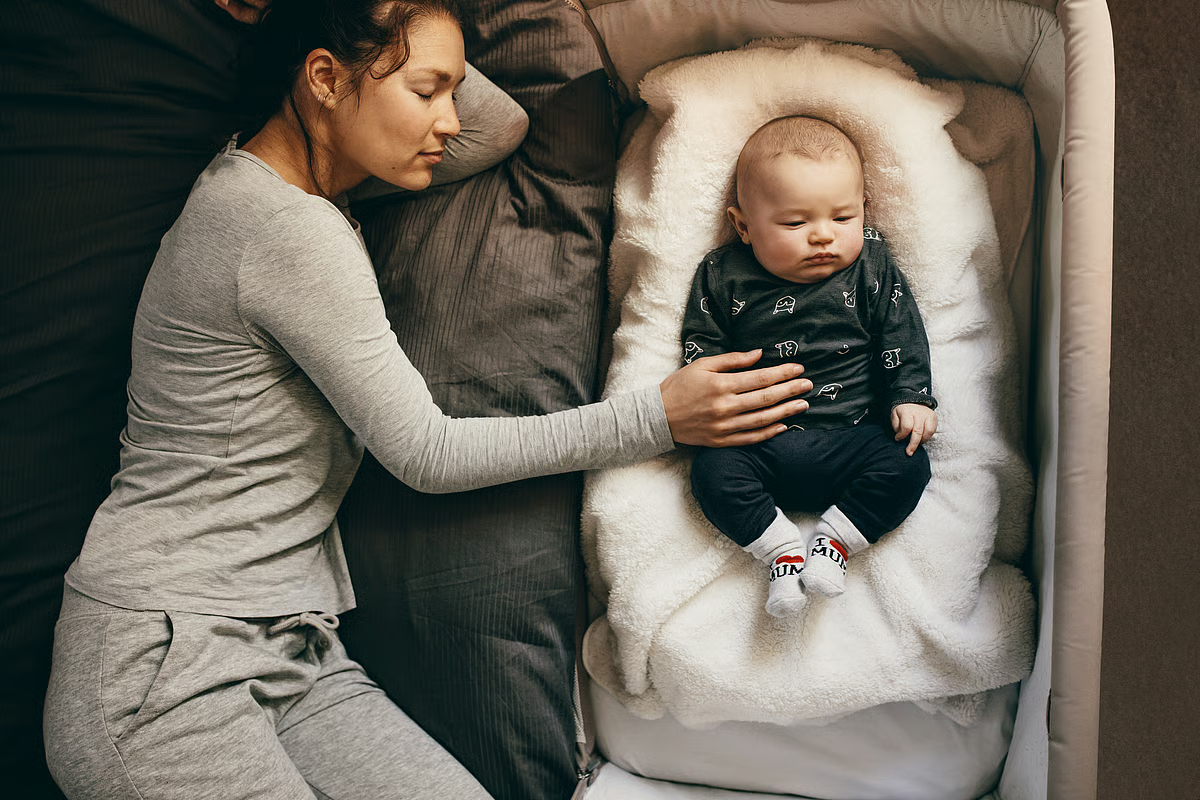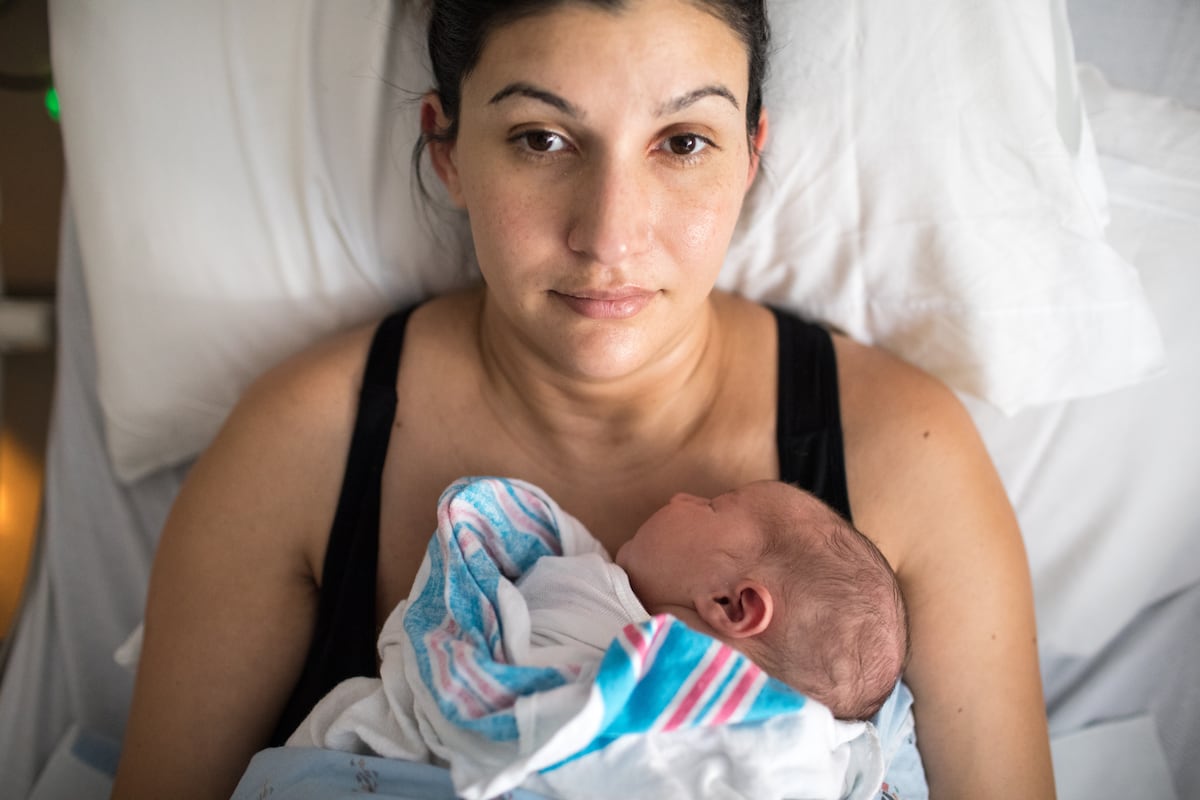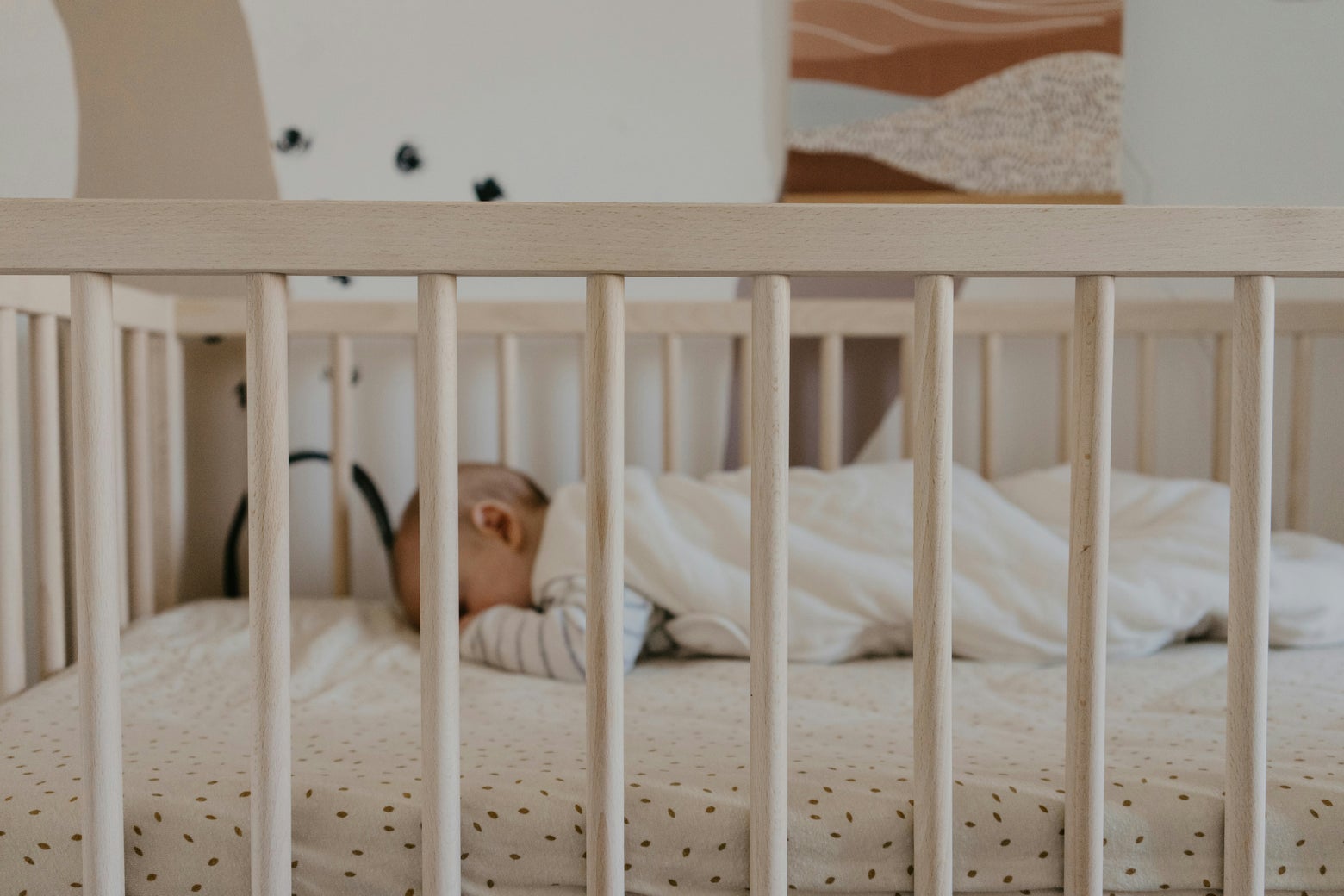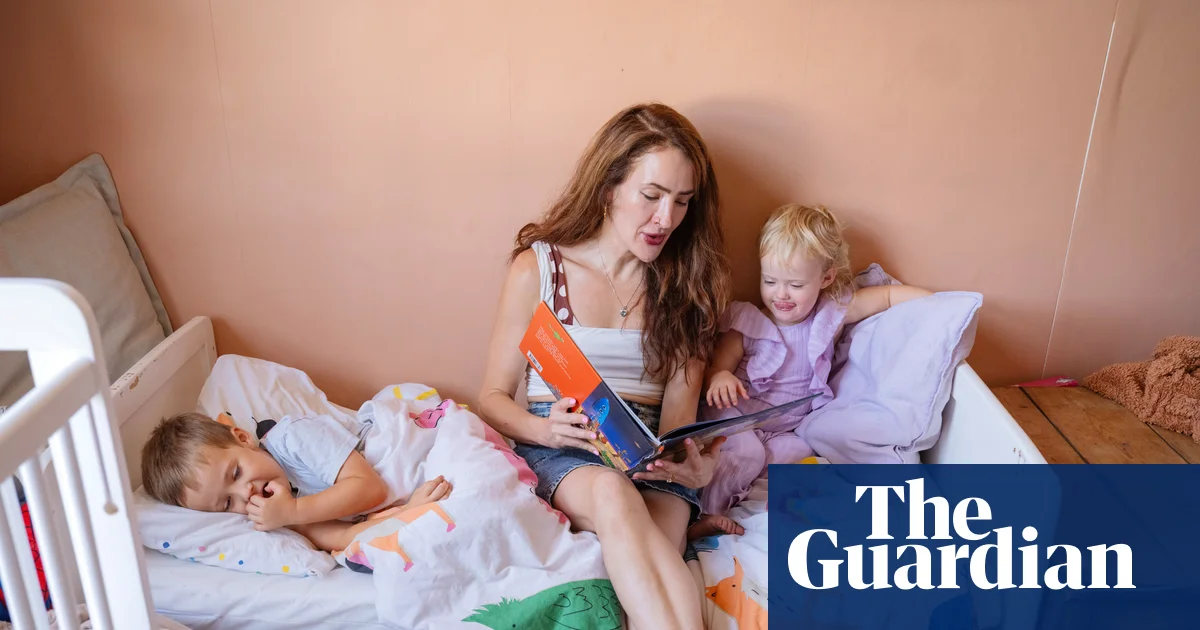
Sleepless nights are a harsh lesson in how parents’ lives have to adapt to their baby’s needs'Adjust your expectations of what this could be and go with the baby’s flow. It is what it is.' Photograph: Enda O'Dowd Wed Jul 15 2026 - 06:01 • 5 MIN READThe depth of exhaustion Aileen Leech suffered during the first week of motherhood is seared into her memory. “I felt like I was hit by a bus because I was physically recovering from labour and delivery. Then this overwhelming responsibility for the infant.”On top of all that came extreme sleep deprivation.“All your body wants to do is sleep. I mean, in no other circumstances in the world would you go through something like that and then not have the opportunity to sleep,” she says.“Sleep is overrated” and other such witticisms are the stuff of jokes aimed at expectant parents. But anticipating a challenge is not the same as being prepared. They may know they are going to be tired, but do they have any real idea just how exhausting caring for a baby is going to be?New research from Dublin City University (DCU) suggests they don’t.First-time parents interviewed after the arrival of their babies talked about how their wellbeing was strongly affected by sleep loss and anxiety. They think antenatal education needs to do a better job on how to cope with a newborn’s sleep pattern.Feelings of shame among new parents about struggling while everybody else seems to manage was a common reason for not seeking support. Or they were too tired to go looking. The DCU Restful Nights, Happy Days project focuses on how sleep loss and post-partum fatigue is one of the biggest challenges in new parenthood. Depression, anxiety, stress, poor mood, as well as less effective parenting, are strongly linked with the severity of exhaustion. Mothers, fathers and babies can all suffer.The study, headed by Dr Anna Donnla O’Hagan, assistant professor in DCU’s school of health and human performance, has used feedback from interviewing first-time parents and relevant health professionals to design a workshop about positive sleep health and wellbeing practices for expectant mothers and fathers. It is now seeking participants for the pilot phase.[ Tips for new parents to improve wellbeing and reduce tirednessOpens in new window ]A PhD in psychology qualifies Leech to be a postdoctoral researcher on the project, but being the mother of three young children, now aged six, five and three, gives her additional insight. “My sleep experiences were different with all of them. But now, in hindsight, all within the typical, normal spectrum of what infant sleep can look like.“It is absolutely normal for infants to wake every three hours for weeks and weeks and weeks ...” she says. Pay no heed to chatter about how other people’s babies sleep through the night.“Sleeping through the night” is such a vague phrase. What do parents mean when they say their baby is sleeping through the night? Is it seven to seven? Midnight to five? “It’s so ambiguous. And, oh my God, that impacted me so much with my first, because she was awake every three to four hours until ...” Well, she still wakes. But for the first year, Leech thought there must be something wrong with her daughter, or her, or both. “There was nothing [wrong]. That was just her sleep pattern, which was totally developmentally appropriate.”Sleepless nights are a harsh lesson in how parents’ lives have to adapt to their baby’s needs, rather than the new arrival slotting into theirs. “Adjust your expectations of what this could be and go with the baby’s flow. It is what it is. Don’t fight a fight you don’t need to fight.”Wellbeing concerns tend to be focused on the mother, who is recovering from pregnancy and birth and is inevitably most enmeshed with the newborn. However, new fathers often suffer similar levels of sleep deprivation, with comparable effects.First-time parents interviewed after the arrival of their babies talked about how their wellbeing was strongly affected by sleep loss and anxiety. Photograph: Getty Images “But it’s not generally talked about, and it’s not supported in the same way,” says Leech. “Both parents are transitioning into this new phase of their life of parenthood and having similar experiences. But society addresses those very differently.”Fathers are entitled to two weeks of paid paternity leave, which they can take within the first six months of a child’s birth. More than half, 55 per cent, now avail of paternity benefit, according to a recently published CSO review.[ ‘Sharenting’ is riskier than ever but that probably won’t stop usOpens in new window ]Experiences of parents interviewed for the DCU research varied between fathers taking no paternity leave to at least one having several months off. The study found that extended paternity leave supported maternal wellbeing and improved shared sleep opportunities, while limited leave reinforced mothers’ primary caregiving role and increased fatigue. Leech believes it is vital new fathers spend time engaging in the “newborn bubble”, alongside their partners. “It’s really important that they’re there to support each other through it and for time of bonding.”Some report feeling rather useless in that immediate post-partum period. “They are a bit lost as well, and there’s not much guidance out there for them.”Some fathers who took two weeks’ leave said they were not prepared for the impact of the continuing sleep disturbance after returning to the workplace.Meanwhile, the question of how parents choose to feed their baby and the effect that might have on sleep is a touchy subject. “Research supports the idea that mothers who exclusively breastfeed sleep, get more sleep and better quality sleep. But that’s not what people would expect,” Leech acknowledges. The believed explanation is that a breastfeeding mother does not have to get out of bed to feed if she has the baby in a Moses basket or bassinet beside her, whereas preparing a bottle is more disruptive.One or both of a couple can sign up for piloting of the workshop, which is offered between 28 and 35 weeks of pregnancy. They will then be asked to complete questionnaires at four weeks post-partum and again at 12 weeks, along with a follow-up Zoom check-in with Leech both times. She will ask about sleep experiences; how helpful the suggested strategies have been and for any changes they would recommend for the workshop. (Expectant parents interested in participating can make contact through @restful.nights.happy.days on Instagram.)As it is a randomised, controlled trial, some participants will be assigned to receive the workshop around three months after the baby arrives, rather than before. But they will be asked to complete questionnaires about their experiences at four and 12 weeks. The workshop is live, but a recording will be available to participants, who will also be directed to other relevant resources.The project is funded jointly by Health Research Charities Ireland and the Health Research Board. If it shows the workshop is useful and effective at improving parental sleep quality, the DCU team hopes there will be more funding to roll out the workshop nationally. The evaluation will look at perceived sleep quality, says Leech, as there will be no physiological measurements.While it is still early days, she adds, “all of the feedback we’re getting from anybody we speak to is that this is so badly needed and so badly wanted”.IN THIS SECTION
How can new parents be better prepared for the impact of sleep deprivation?
Sleepless nights are a harsh lesson in how parents’ lives have to adapt to their baby’s needs
1,224 words~6 min read