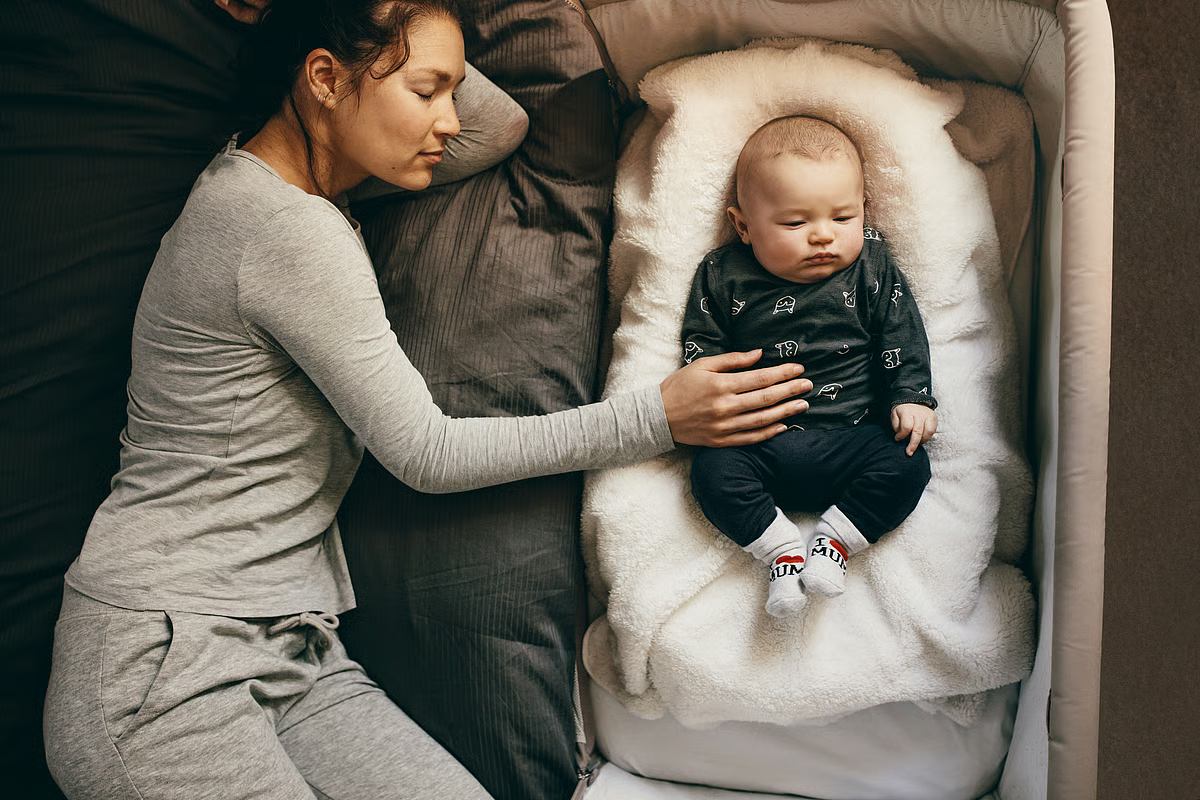
Sleep is a Big Deal to new parents. I’m writing this with a 4-month-old asleep on my chest. She’s sleeping well right at this exact moment—but today she woke up every hour from 2 a.m. to 6 a.m., at which point we all had to get up to get ready for the day. And she’s not even at the low end of sleeping practices for a baby her age: She sometimes manages to sleep five hours in a row. I would do anything for this tiny creature, but it’s not great for her to wake up so much. And at a certain point, you get over the sleep-deprivation feeling of tiny ants biting the inside of your skull.
Sleep is, as the scientists say, physiologically necessary. Without sleep, most of your body starts falling apart. There’s even evidence that a baby who refuses to sleep can make you depressed, something that, if you know enough parents or have kids yourself, you might not need a study to tell you.
The question is, how do you get a baby to sleep more? And the answer, weirdly, is that we don’t really know. (Even if someone on Instagram claims that they do know the secret … they don’t.)
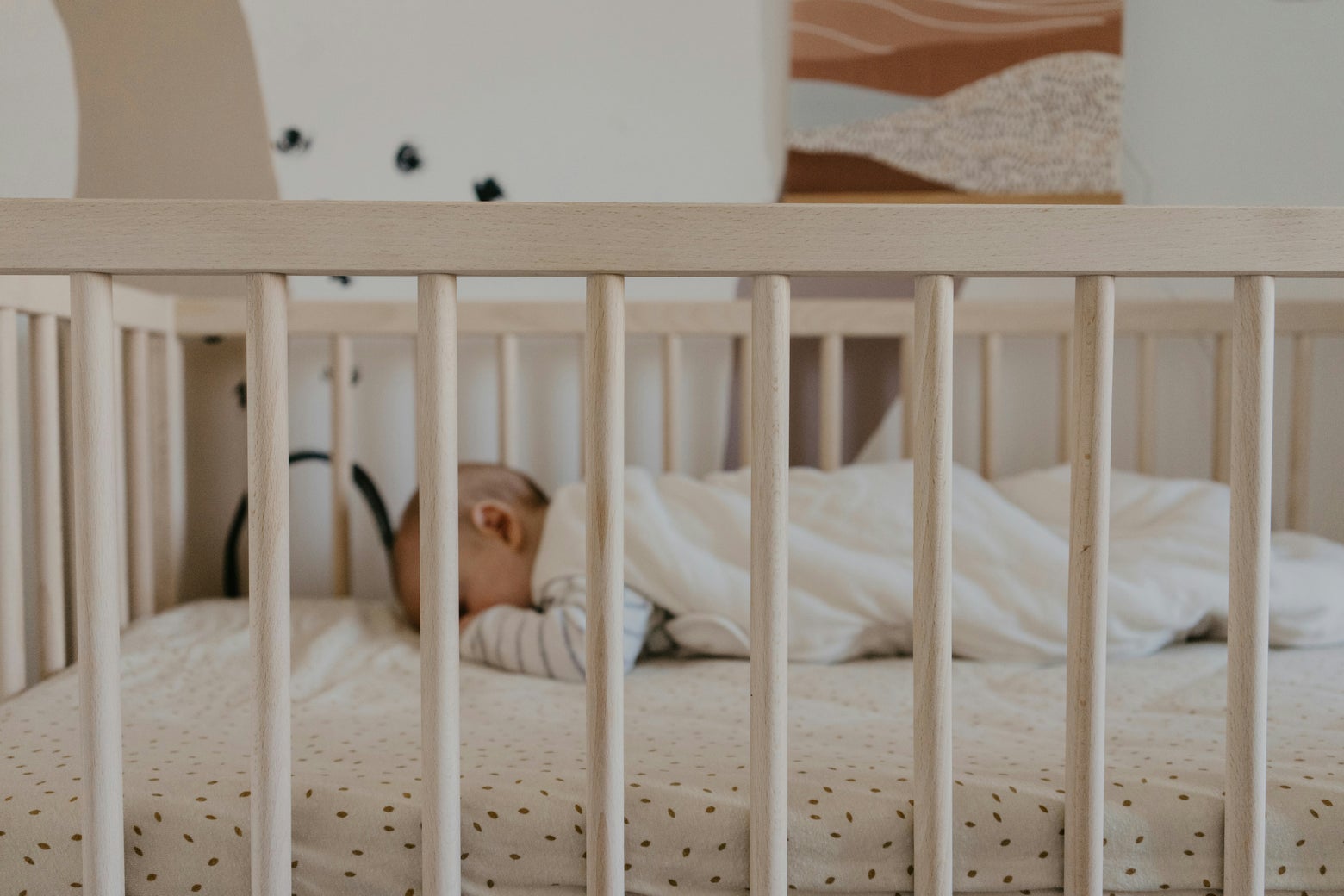
One of the main methods suggested by health authorities to improve sleep in infants is something called sleep training. Sleep training can mean slightly different things to different people, though generally it involves letting the baby cry without rocking or comforting them so that they can, ideally, learn to self-soothe. So, rather than picking up your infant every time they start to scream, you wait a bit, maybe two minutes, before going in and saying something comforting, rather than soothing them back to sleep. Then you extend the wait times. The idea is that, eventually, babies will learn to get themselves back to sleep without the parents intervening and, ultimately, that they get better sleep overall.