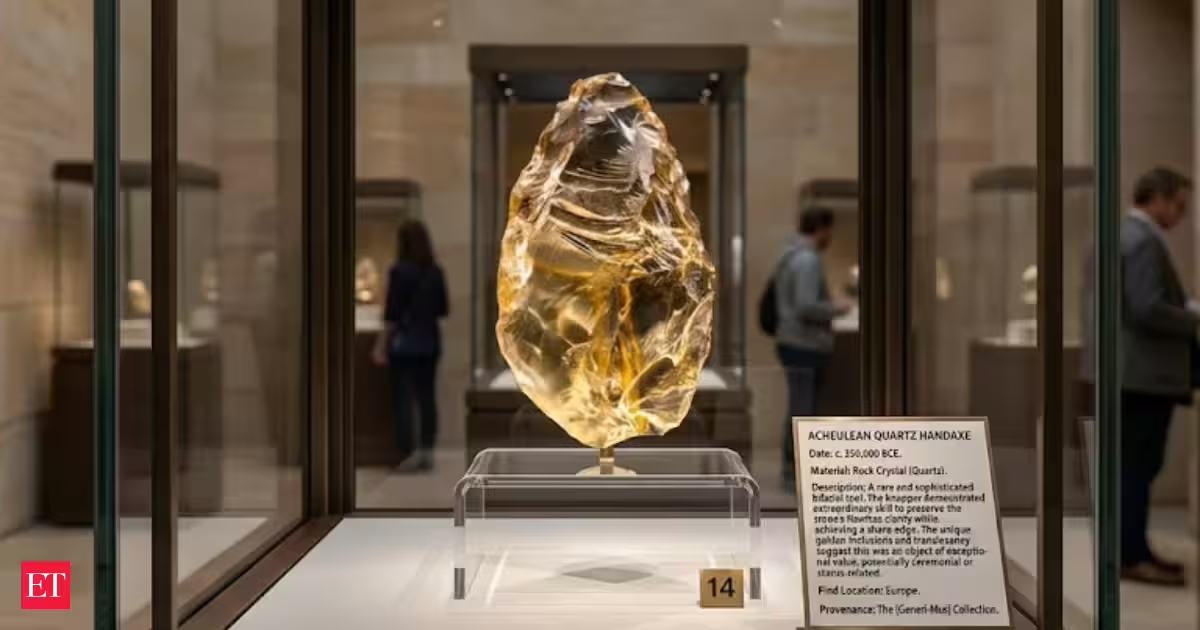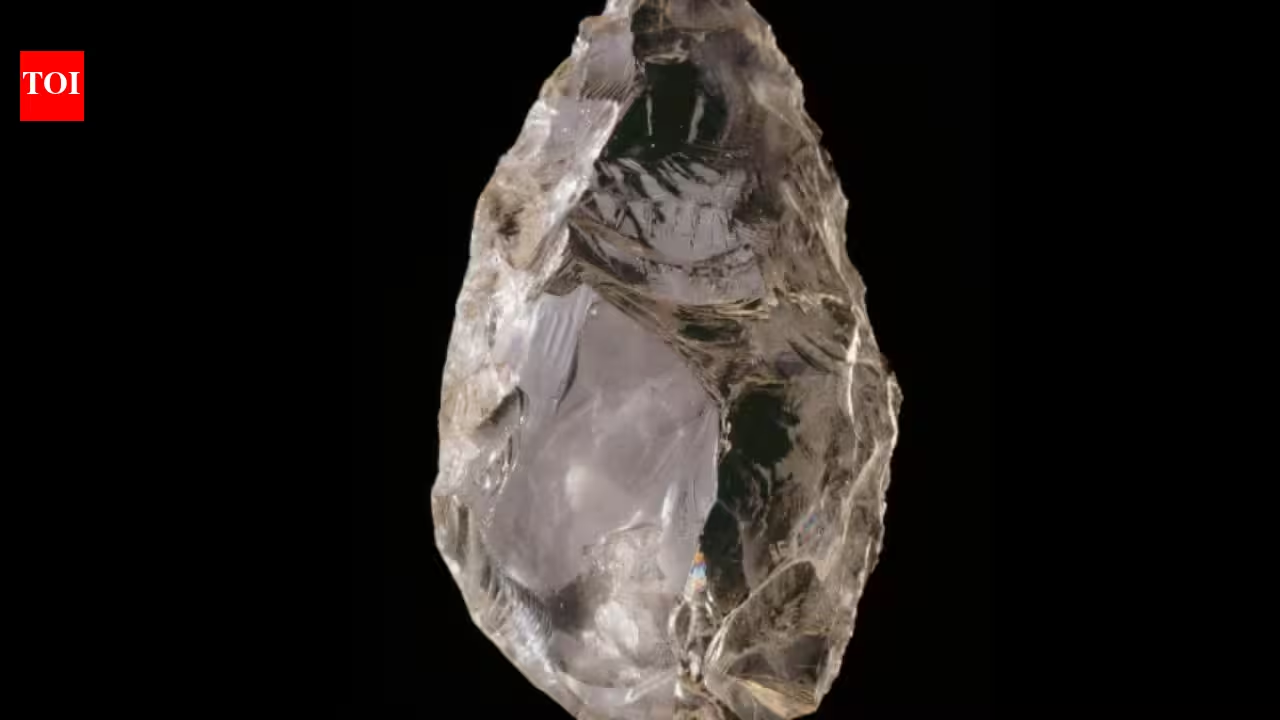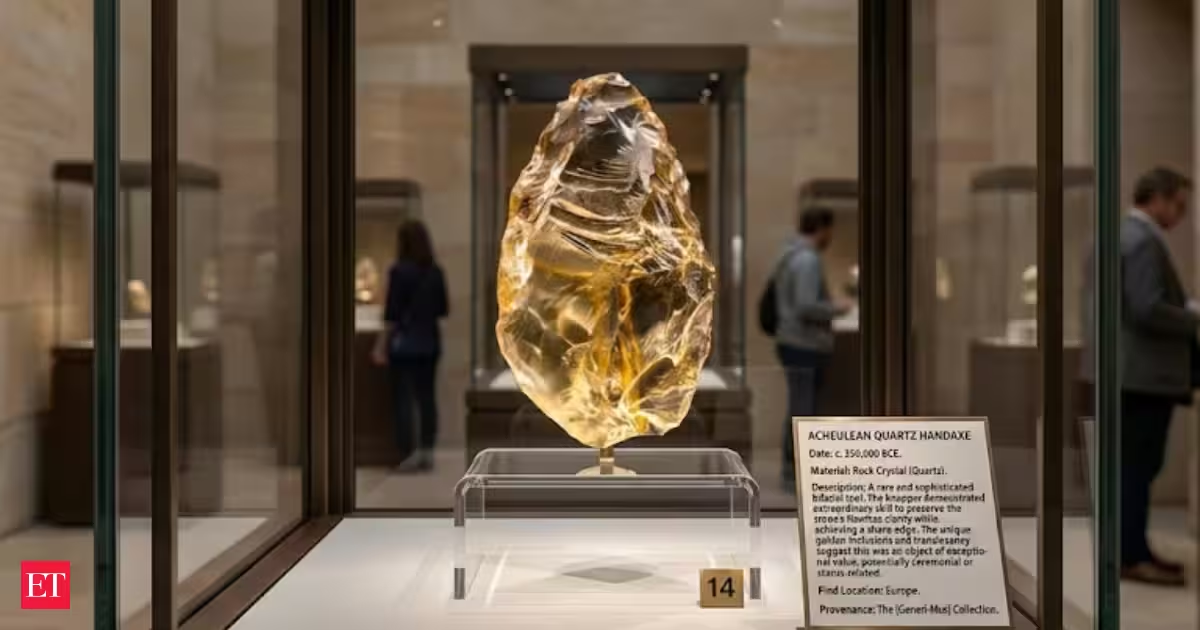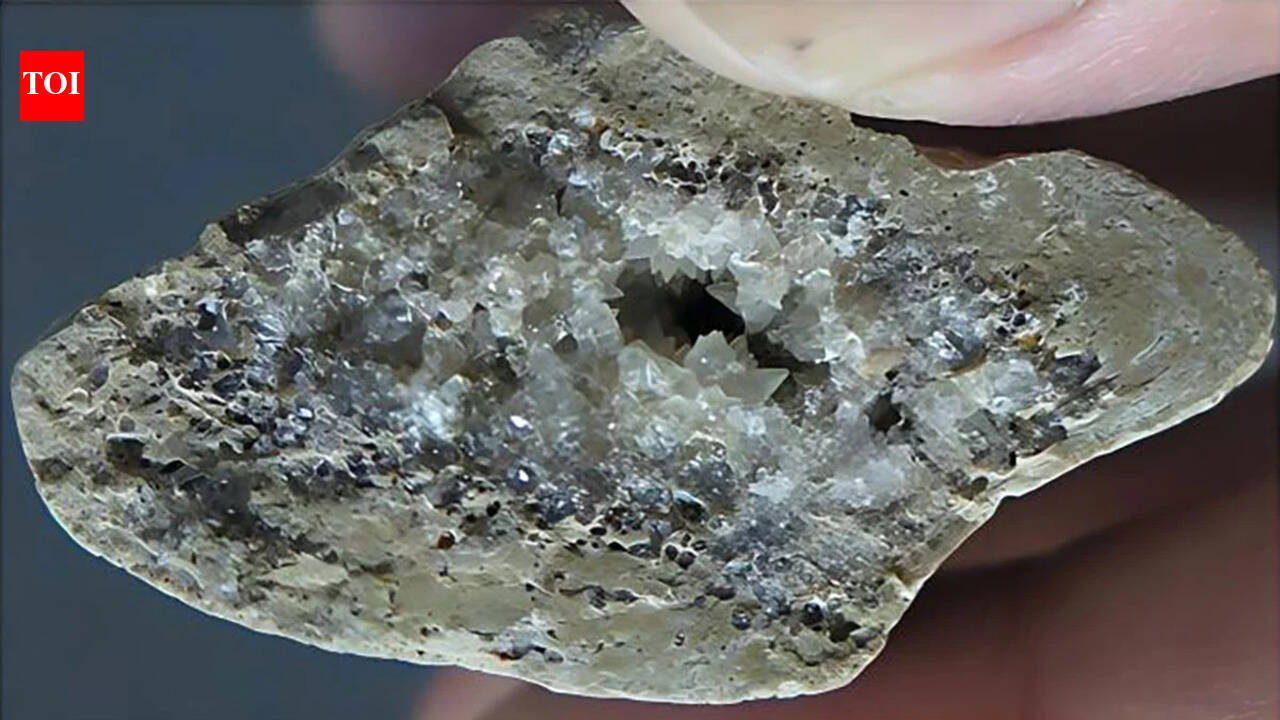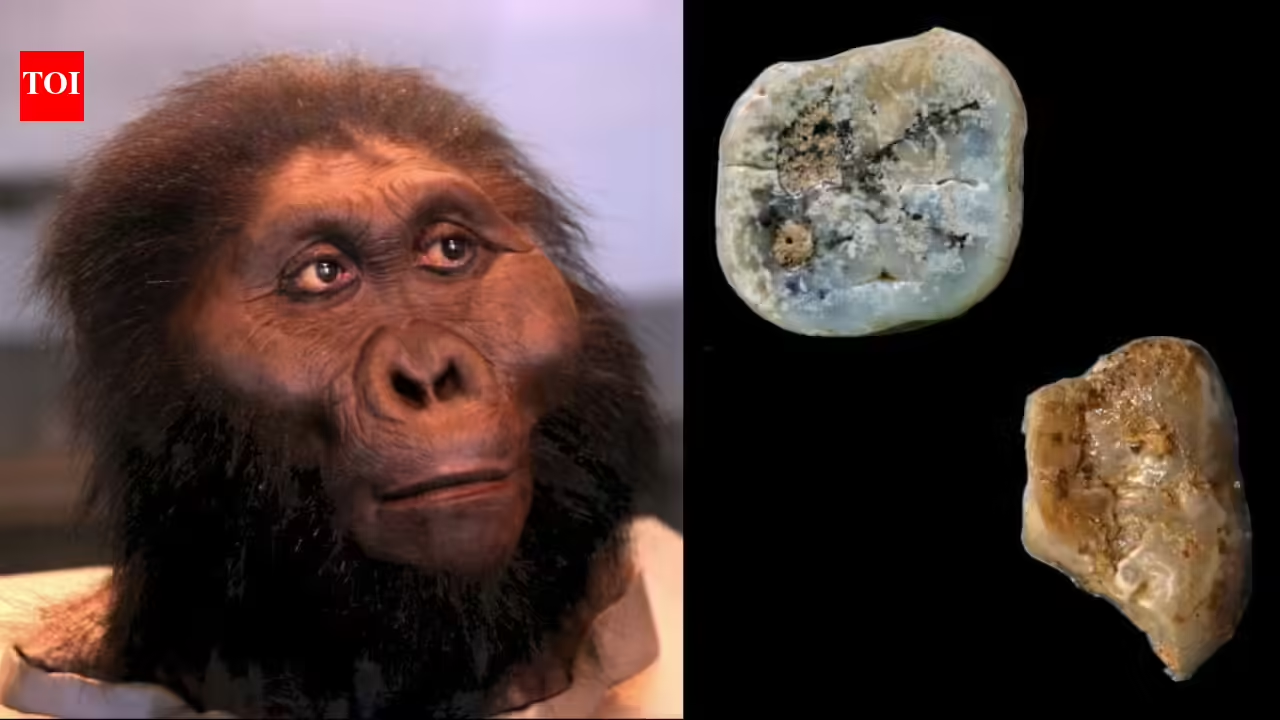
Archaeologists have uncovered crystals at numerous sites containing Homo remains, suggesting that early human relatives deliberately collected these unusual stones as far back as 780,000 years ago. What makes this behavior so intriguing is that the crystals were not used as tools, weapons, or jewelry. So why were they considered worth keeping?
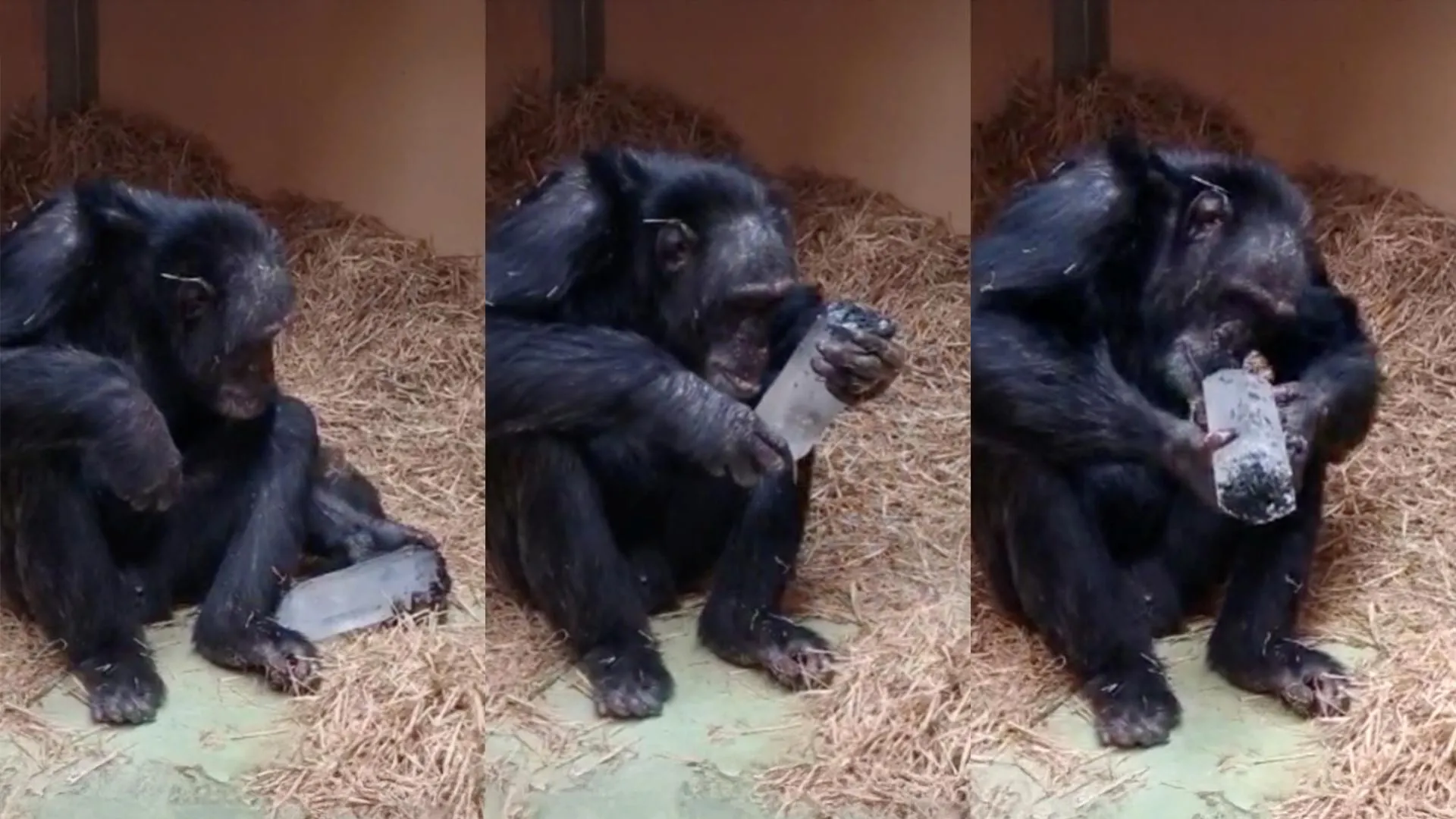
A new study published in Frontiers in Psychology offers a possible answer. Researchers in Spain explored what makes crystals so appealing by studying how chimpanzees, one of our closest living relatives, respond to them. Their experiments suggest that the attraction to crystals may have deep evolutionary origins that predate modern humans.
"We show that enculturated chimpanzees can distinguish crystals from other stones," said lead author Prof Juan Manuel García-Ruiz, an Ikerbasque Research Professor on crystallography at the Donostia International Physics Center in San Sebastián. "We were pleasantly surprised by how strong and seemingly natural the chimpanzees' attraction to crystals was. This suggests that sensitivity to such objects may have deep evolutionary roots."
Chimpanzees Show an Unexpected Attraction to Crystals
Humans and chimpanzees split from a common ancestor between six and seven million years ago, and the two species still share many behavioral and genetic traits. To investigate whether an attraction to crystals might be one of them, researchers gave two groups of enculturated chimpanzees at the Rainfer Foundation access to crystals. The first group included Manuela, Guillermo, Yvan, Yaki, and Toti. The second group included Gombe, Lulú, Pascual, and Sandy.