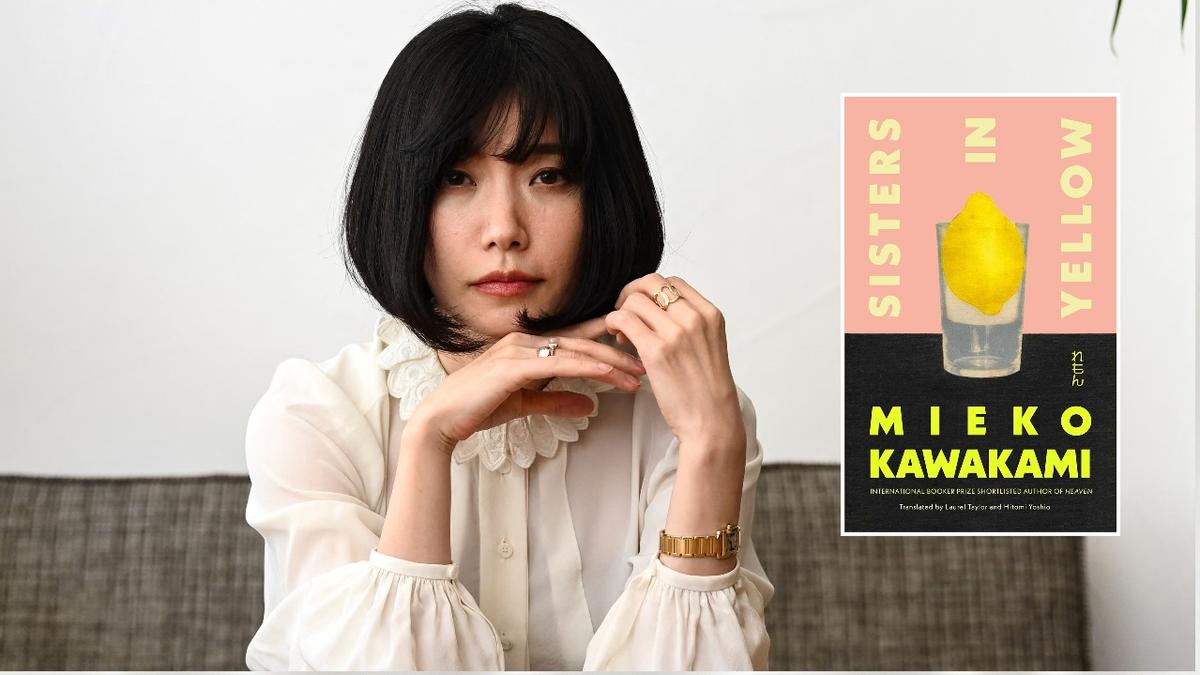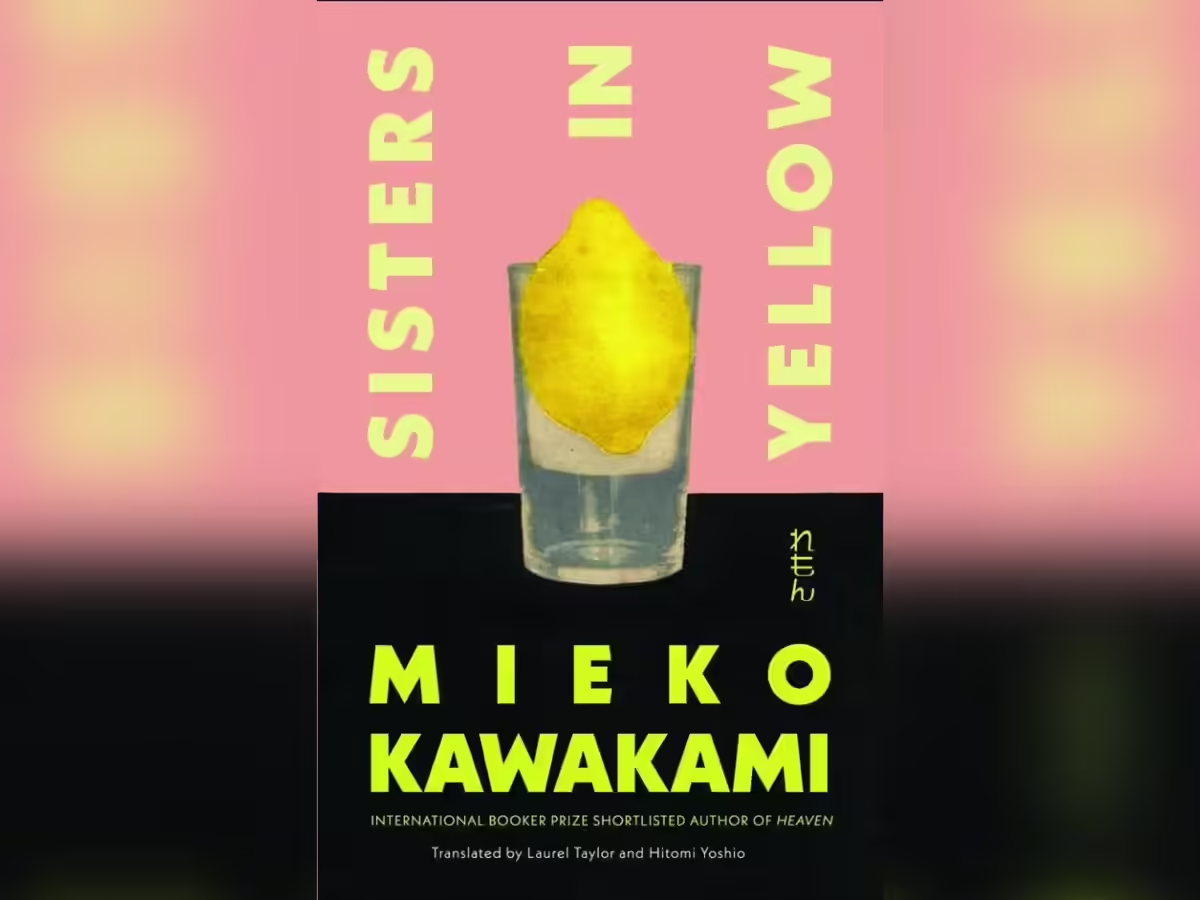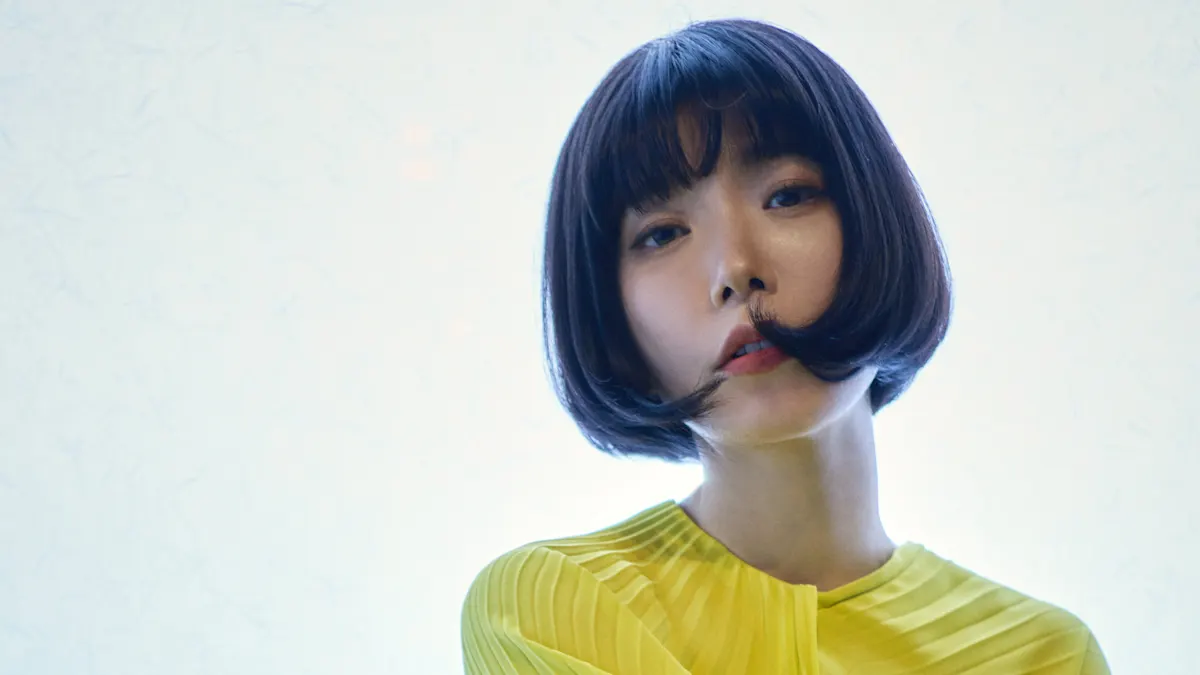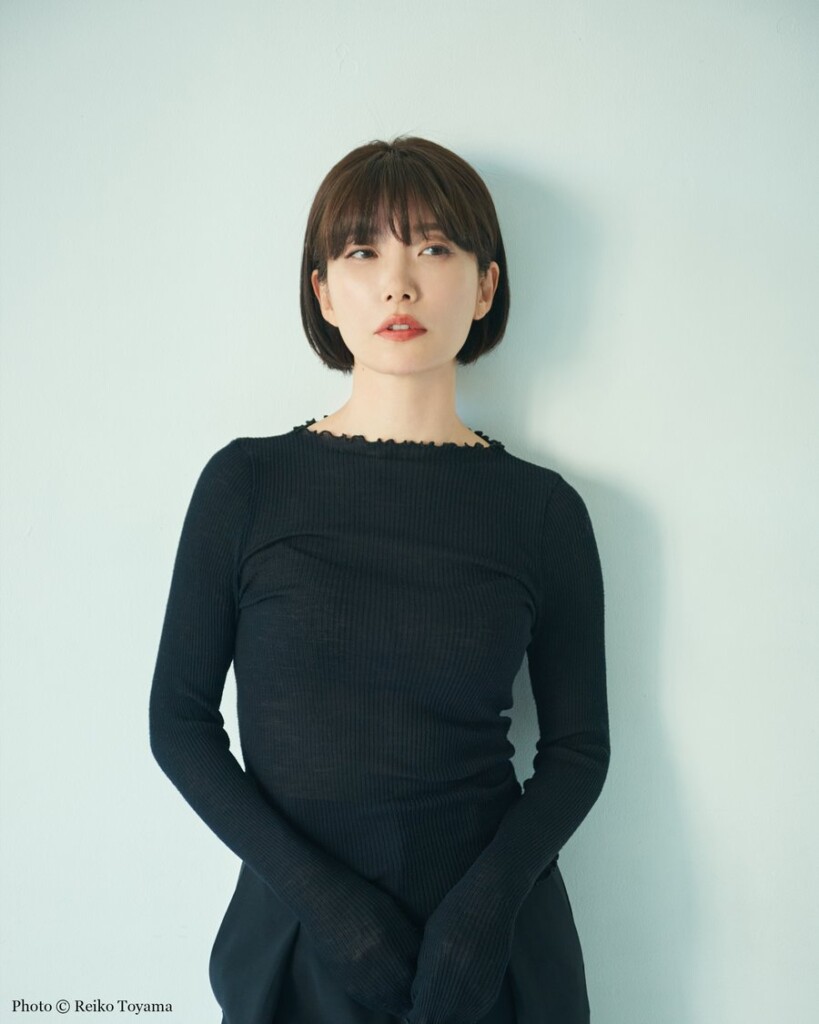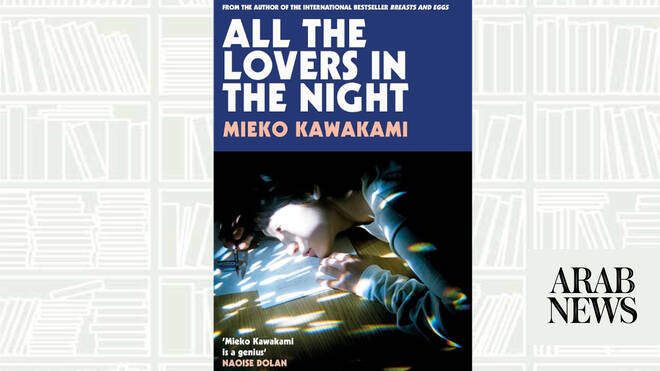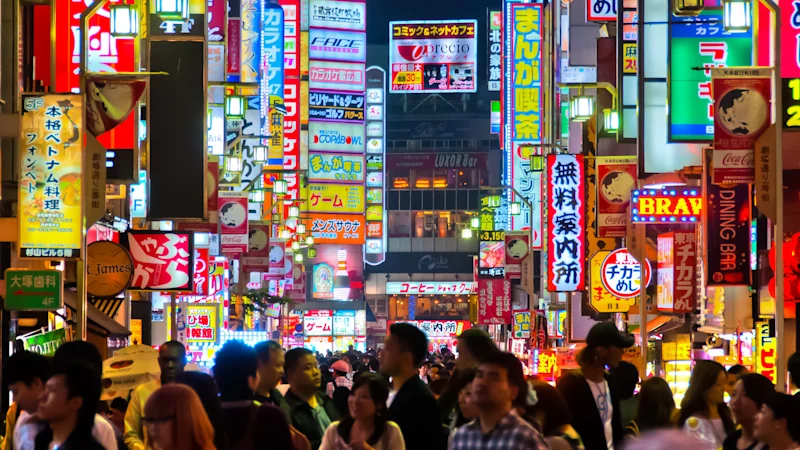
Declan FryJuly 15, 2026 — 11:11amSisters in Yellow, Mieko Kawakami’s sixth novel and her fifth to appear in English, begins with the kind of opening crime writers kill for: our narrator, Hana, discovers a newspaper article concerning a woman she knew 20 years earlier, Kimiko Yoshikawa. Kimiko has been charged with “blackmail, abduction, and battery”.Calling in sick, Hana recalls the world she inhabited decades earlier when she first met Kimiko. Fifteen years old, Hana knows her life is not like the other kids’. She has no father. Her mother, a hostess at a bar in Tokyo’s entertainment district, is largely absent. As Hana puts it, “In a normal home, you wouldn’t wake up in the morning to find a woman you’ve never seen before sleeping in the futon next to yours.”Sisters in Yellow is a rambling, Y2K-era novel about a precarious group of Tokyo underworld outcasts.iStockKimiko is one such woman. Appearing one morning, Kimiko spends the next month – Hana’s entire summer break – living with the young girl before suddenly disappearing. (Hana’s mother pops in occasionally for sukiyaki.)Kimiko later reappears, becoming a kind of sister to Hana. Together, the two women open a bar of their own, Lemon (its name appears in hiragana on the cover of the English translation). Hana senses good luck in the colour and sees herself, like the heroine of the Studio Ghibli anime Kiki’s Delivery Service, leaving home to “work as much as I wanted”.Her time at Lemon brings her into the orbit of Yeongsu, a zainichi Korean and underworld lifer; Ran, a woman who works, with limited success, at other bars; and Momoko, a high-school student running from the social pressures of a wealthy family and her mother.Believable as the women’s camaraderie may be, Hana invests her newfound family with a solidity that is not always supported by a corresponding sense of psychological insight or curiosity. Sudden moments of realisation and epiphany are brusquely handled: upon recognising a key character, Hana feels “as if I had been punched in the head”. The women’s rapport tends toward the banal and phatic interjections. As Hana acknowledges, characters talk to one another but rarely talk to one another.Novelist Mieko Kawakami. Kawakami’s characterisation of the women perhaps speaks to the fact that this is less a novel concerning human psychology than structural precarity. Neither Hana nor anyone surrounding her has much recourse, after all, to a stable community or reliable social support. When Hana suggests seeking police assistance following a mishap, Kimiko puts it simply: “There are no cops. Not for us.”The result is a portrait of female solidarity, of Tokyo’s outcasts and underworld figures and its hidden or precarious night workers, and of the textures and obsessions of Y2K Japan, complete with period references readers may recognise (new age fads; feng shui decorating; Titanic-era Leo DiCaprio entering your dreams), as well as details more particular to the country (the premature death of rockstar Hide in 1998; the horrors of the Aum Shinrikyo cult).As Hana becomes more involved in the nightlife scene, she finds herself increasingly involved in its shadowy elements. Her cellphone is bought and paid for by sources she never meets. She begins working while underage and never acquires basic identification (or even a bank account – highly unusual in Japan, where 98 per cent of the population maintain one). The source of payment for the lease the women take out on Lemon, as well as on the house they move into together, is unclear. Photo: In a way, the women’s situation feels comparable to that of the youth in Hits of the Showa Era, Ryu Murakami’s darkly comic account of the lives of young Japanese men in the ’90s. But whereas Murakami’s account is edged with sardonic resignation, Kawakami’s critique is focused on the structural injustices that bring the women together. This shared hardship is by no means equally borne: Momoko, for all her vulnerability, is able to rely upon a wealthy home – a very different position to Hana’s more decided social precarity. For Hana, money is not something to be run from: it is safety and insurance against an uncertain future. Money is “this thing that could become time itself, possibility itself”.In its social commentary and rambling narrative, Sisters in Yellow has an old-fashioned feel, owing perhaps partly to its mode of publication. In Japan, where the serialisation of novels in newspapers remains common, the novel first appeared in the Yomiuri Shimbun from 2021-22. There is also a tonal change near the denouement that strains credulity, feeling more like a deus ex machina than a satisfying resolution. Perhaps Kawakami’s sense of the narrative – and especially of different characters’ roles within it – changed over the course of serialising the novel.For Hana, “our home” is not inherited, nor is it something one is born into: the home Hana longs for is formed in solidarity, alongside people with whom she can celebrate and despair and dream.Sisters in Yellow by Mieko Kawakami (translated by Laurel Taylor and Hitomi Yoshio) is published by Picador ($35).What else is happening in the book world?This novel has plenty of sex - but it’s far more than a racy read.Can’t get published by the Big Five? Win a major prize instead!Here are five thrilling and chilling new novels to keep you up at night.Our critic shares 10 of the best audiobooks of 2026 (so far).From our partners
She thought her past was buried. Then she saw the headlines
Mieko Kawakami’s Sisters in Yellow begins with the kind of opening crime writers kill for.
898 words~4 min read